

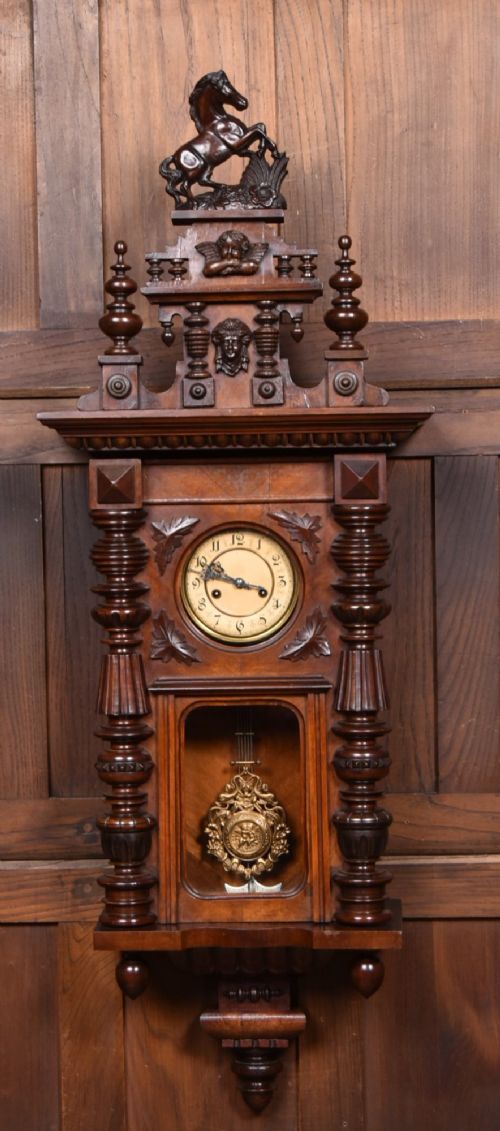


Traditional Spring Clock
A traditional spring clock brings the steady tick of centuries past into a room, driven by brass movements and housed in rich timber.
Traditional Spring Clock
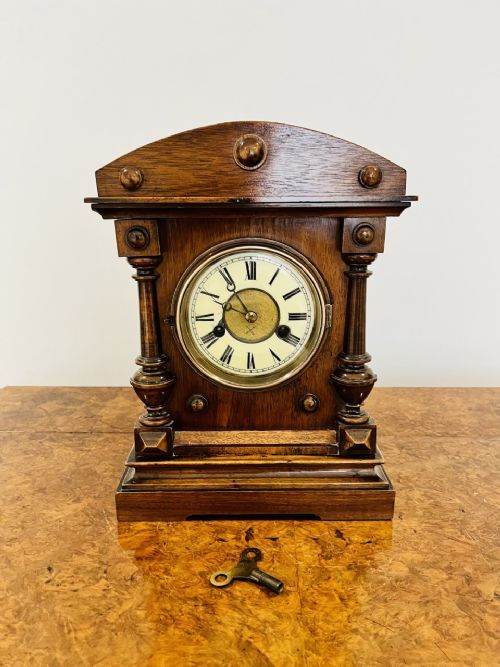
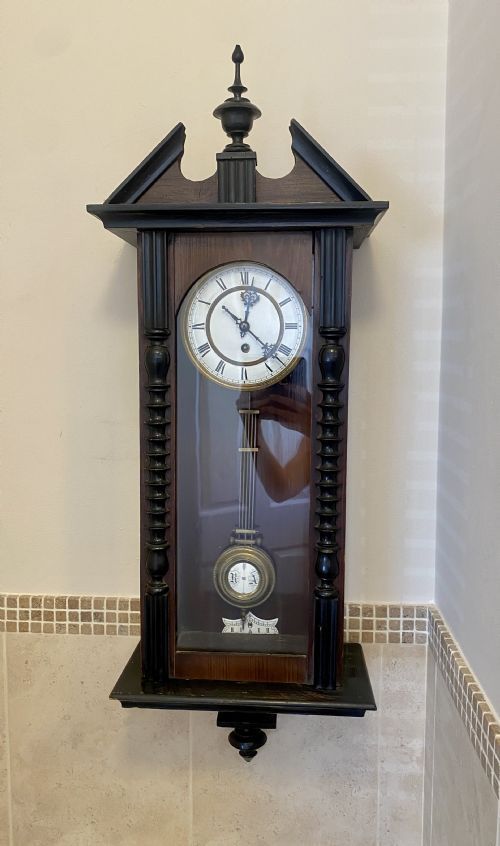
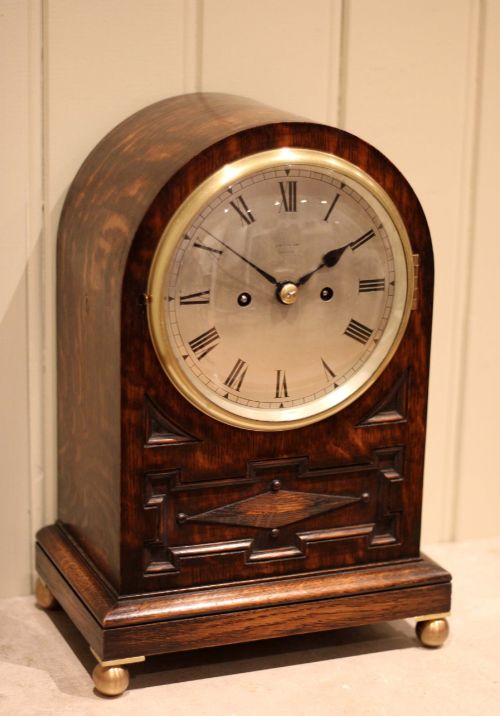
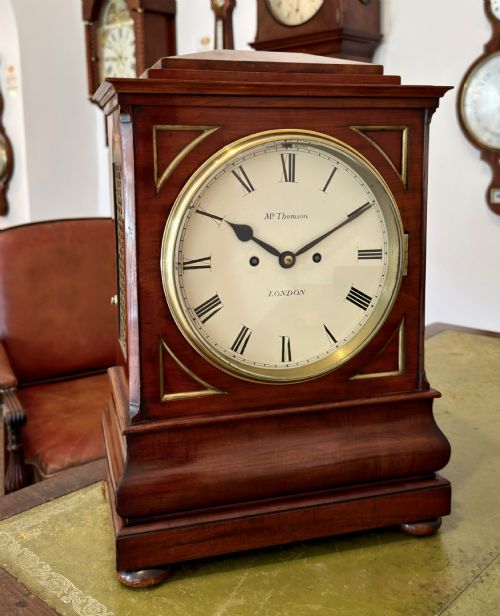
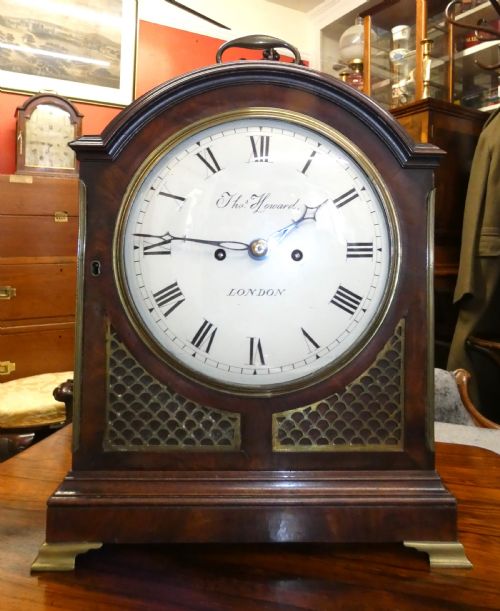
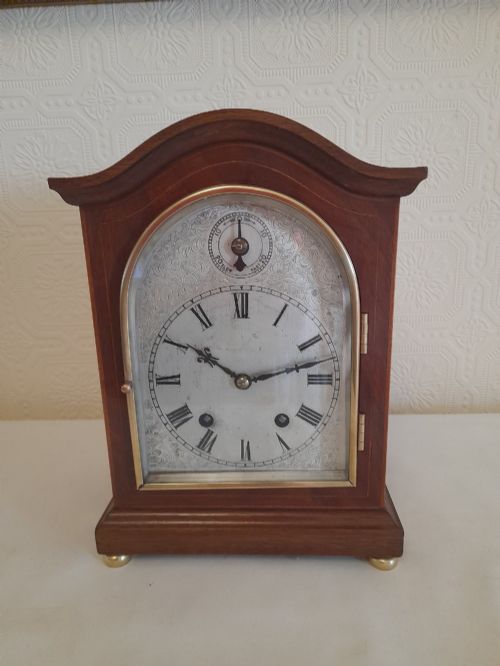
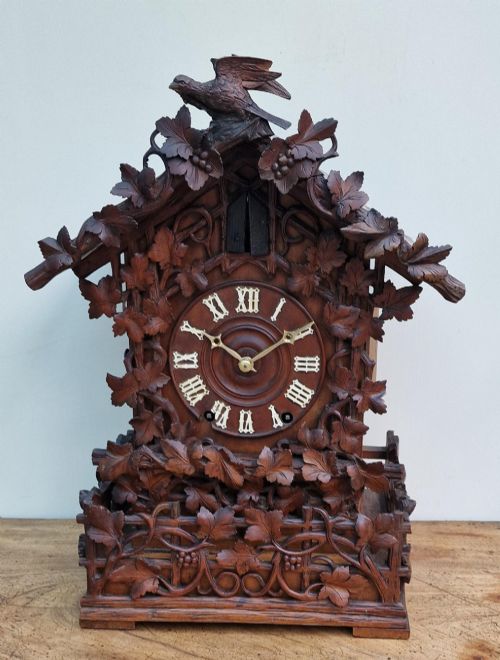
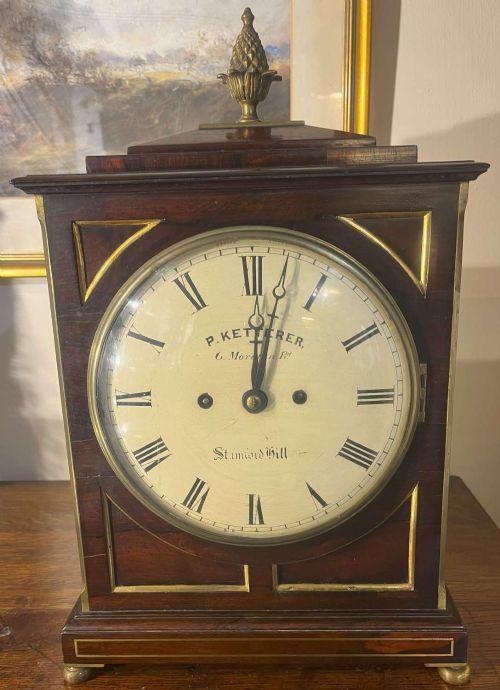
When you search for a traditional spring clock, you encounter timepieces designed for the wall, mantel or table, spanning the Georgian and Victorian eras. These pieces take the form of bracket clocks, wall clocks and carriage clocks, constructed to mark the hours in domestic and public spaces alike.
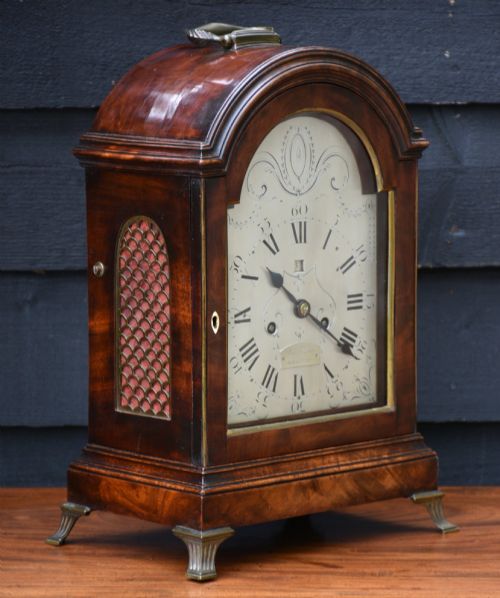
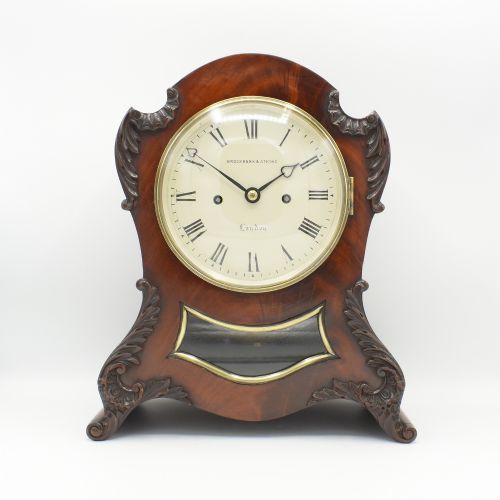
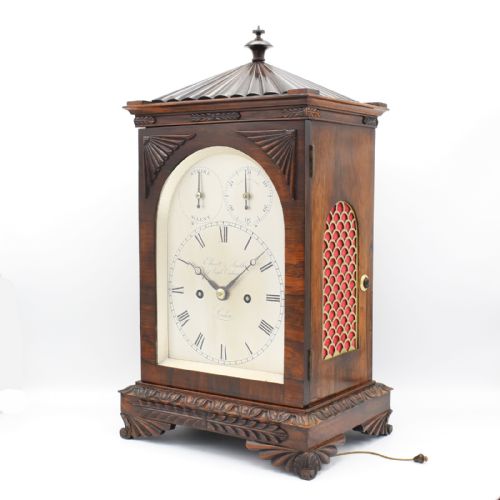
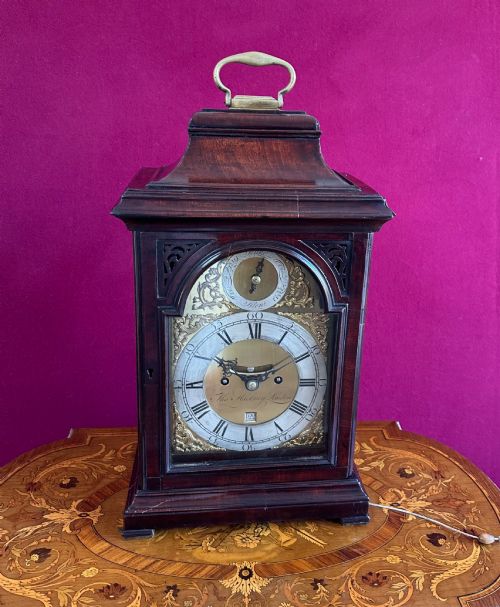
The bracket clock is the most frequent form on this page, often built in mahogany, walnut or oak with glazed panels and brass mounts. Such clocks rely on spring-driven mechanisms rather than falling weights, allowing them to sit upon furniture or designated wall brackets without heavy drop boxes.
Materials and Movements
Clockmakers housed these mechanisms in dense timbers such as mahogany, walnut and oak, occasionally embellished with satinwood inlay, brass accents or ebonised wood. The cases protect intricate steel and brass gear trains, driven by coiled springs that store mechanical energy.
Dial faces utilise white enamel or brushed brass, protected behind heavy glass doors and bezel frames. Movements range from simple timepieces to fusee and triple fusee configurations capable of striking bells or chiming melodies.
Traditional Spring Clock Retail Price Guide 2026
Typical asking prices for traditional spring clock among the pieces listed under this phrase on Sellingantiques today, from the lower quarter to the upper quarter. They describe what is for sale here now, not the wider market.
Assessing Craftsmanship
Quality in these clocks rests upon the precision of the movement and the integrity of the cabinetwork. Finer examples display signed brass backplates, hand-engraved dial details and robust fusee movements that maintain steady tension as the spring unwinds.
The choice of timber and the crispness of secondary woods also distinguish superior pieces. Well-proportioned mahogany and burr walnut cases with matched veneers and original brass fittings elevate a clock above standard workshop production.
Thomson of London·George Wadham Bath·Brockbanks and Atkins·Mappin and Webb·Ellicott and Smith·L Vick of Stroud·Webster Cornhill London·Spurge Dunmow·Turner of London·John Witherston of Hereford·Cording of London·Piggin Norwich·Phillips Brothers·Johann Baptist Beha·Winterhalder and Hofmeier·Funnell of Brighton·Chater and Son London·Desbois and Wheeler·Purvis of London·Plumbly and Tupman·Osborn of Bognor Regis·James Maitland London
The Traditional Spring Clock Glossary
- Fusee
- A conical pulley used in spring-driven clocks to equalise the torque of the mainspring as it unwinds. This device ensures consistent power delivery to the escapement for better timekeeping.
- Bracket clock
- A portable table or mantel clock originating from the period when such timepieces rested upon wall brackets. They typically feature carrying handles and glazed side panels.
- Verge movement
- An early type of mechanical escapement that interacts with a balance wheel or pendulum. It offers a lively motion visible through inspection.
- Enamel dial
- A metal clock face coated in fused glass powder to create a smooth, white surface. Numerals are painted onto this durable finish.
- Twin fusee
- A movement utilising two separate fusee chains or cords, one driving the going train and the other powering the strike mechanism. This arrangement maintains consistent striking power.
Traditional Spring Clock: Frequently Asked Questions
What is a traditional spring clock?
A traditional spring clock is a mechanical timepiece powered by a coiled mainspring rather than hanging weights. These clocks include bracket, wall and mantel varieties originating primarily in the eighteenth and nineteenth centuries.
Cabinetmakers housed these movements in durable hardwoods like mahogany and walnut, creating functional ornaments designed to sit on tables, shelves or walls.
How do fusee movements work?
A fusee movement uses a conical pulley connected to the mainspring via a fine chain or cord. As the spring loses tension, the chain pulls on a wider part of the cone to maintain steady power.
This clever mechanical adjustment ensures the clock maintains consistent timekeeping accuracy from the moment it is fully wound until it runs down.
Where should I place a bracket clock?
Bracket clocks look best placed on sturdy mantelpieces, sideboards or dedicated wall brackets at eye level. Their portable nature allows them to move between rooms provided they sit on a level surface.
Keep them away from direct sunlight, damp walls and strong draughts to protect the polished wood cases and delicate interior brass components.
How do I wind an antique clock?
Winding requires a matching key inserted into the winding holes on the enamel or brass dial face. Turn the key gently until you feel firm resistance, avoiding over-winding which can damage the spring.
Different movements require attention at daily, weekly or eight-day intervals depending on the gear train configuration and whether the clock strikes bells.