


Traditional Slope Front Desk
A traditional slope front desk brings enduring writing utility to a room through centuries-old craftsmanship and folding desktop design.
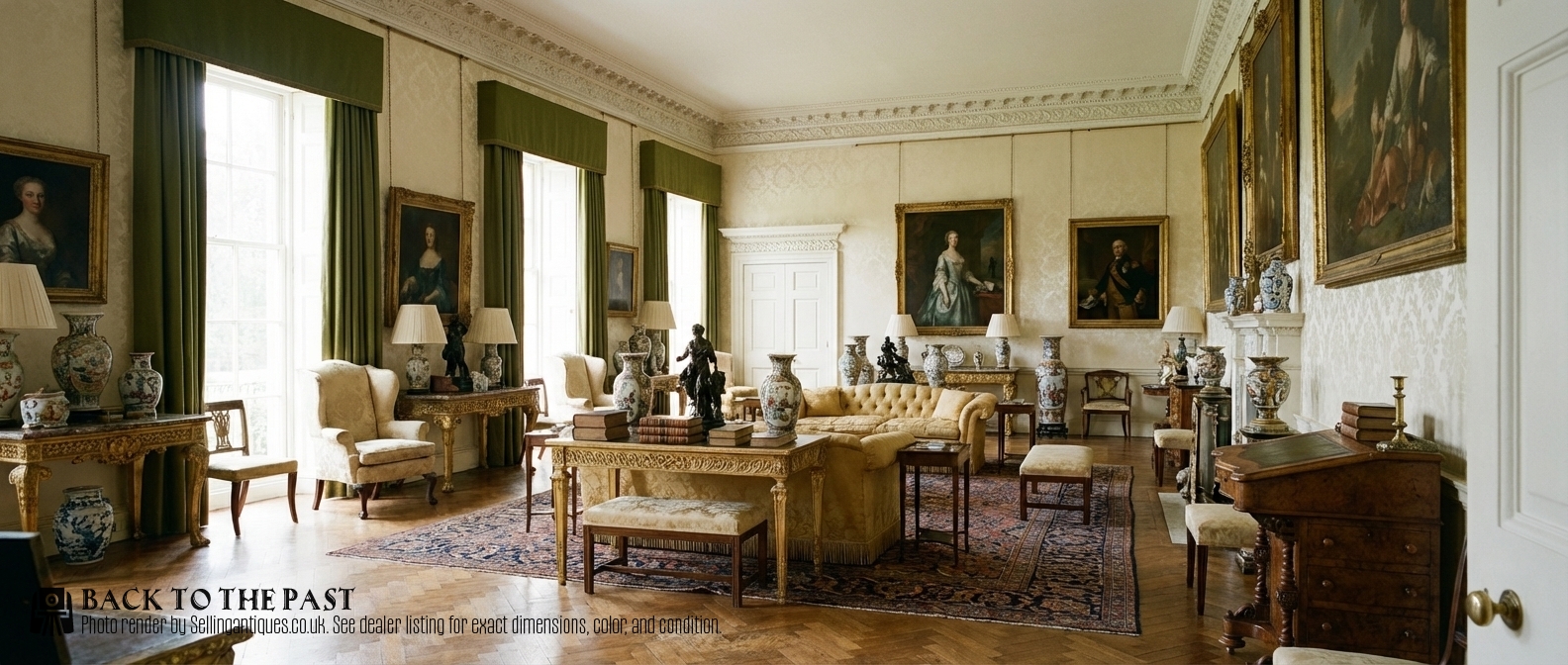
Traditional Slope Front Desk
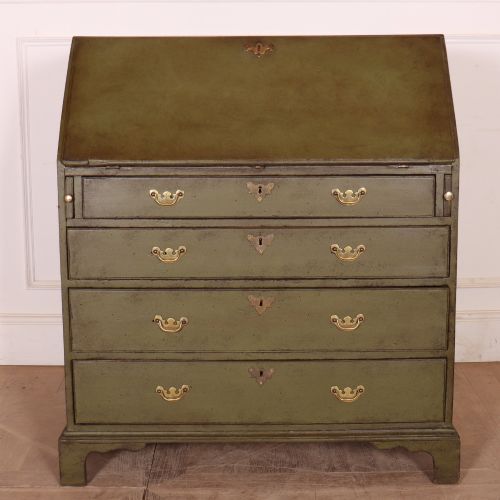
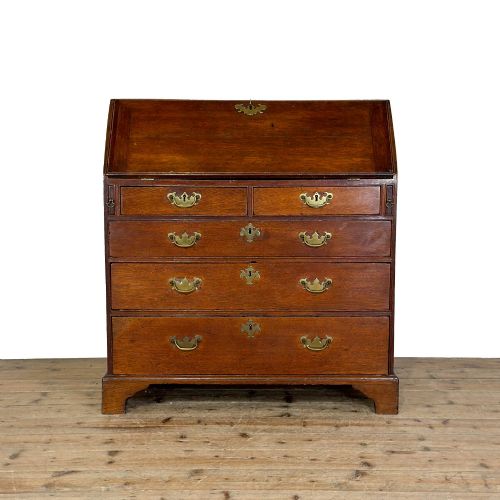
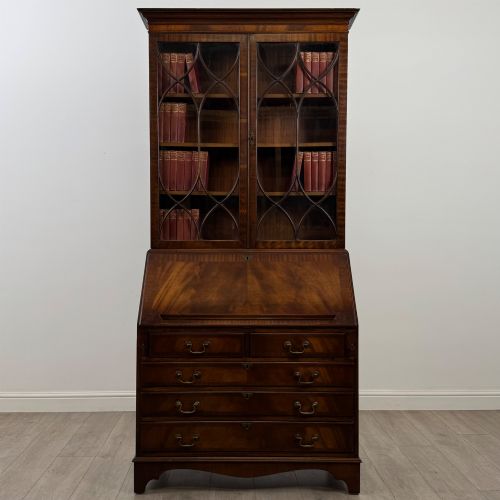
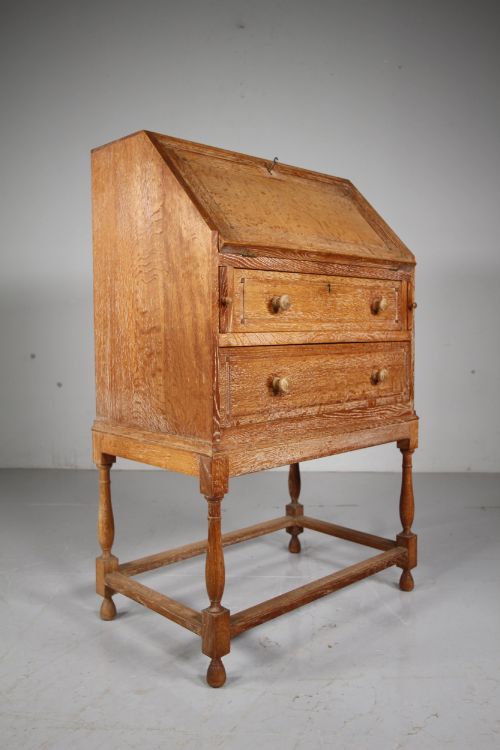
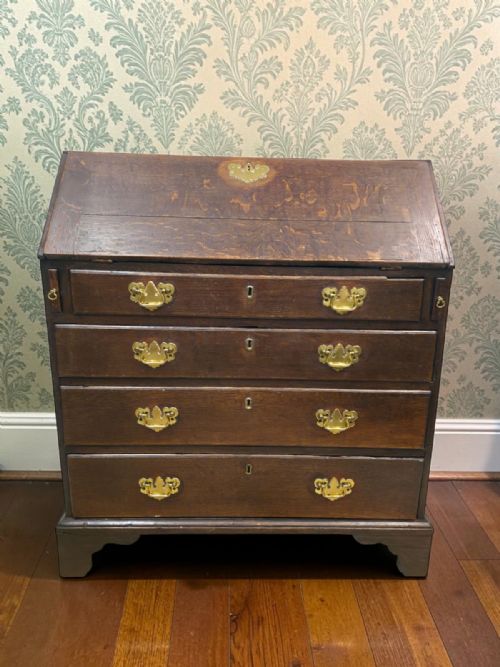
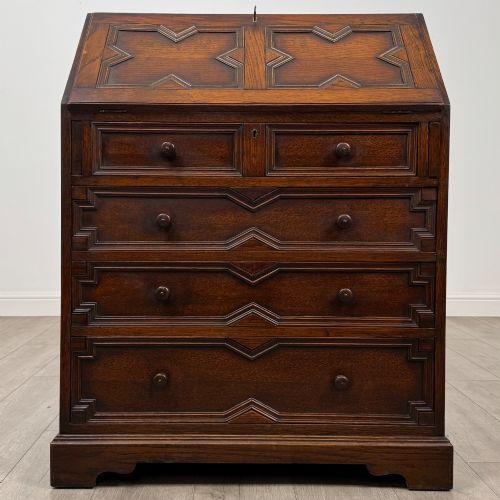
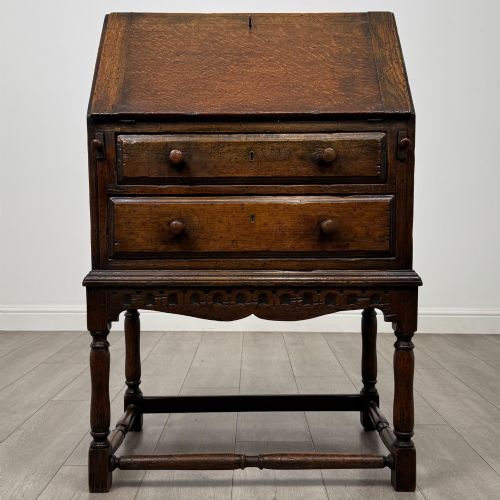
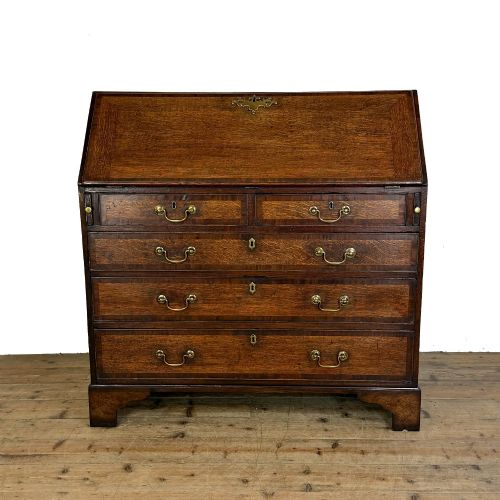
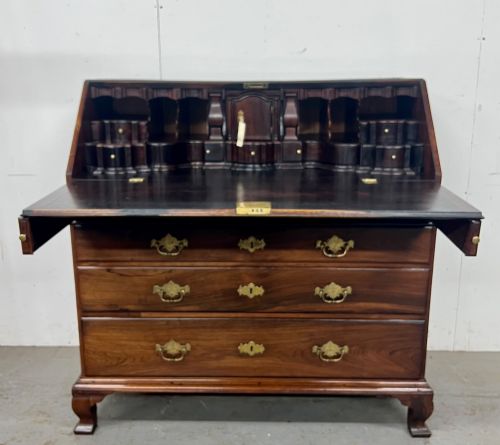
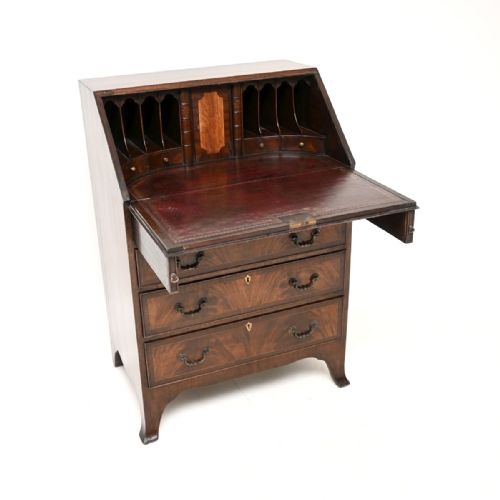
A traditional slope front desk operates as a dedicated writing station featuring an angled writing flap that drops down to reveal an inner arrangement of small compartments and drawers. These pieces appear most frequently in forms such as bureaux and davenports originating across the eighteenth, nineteenth, and early twentieth centuries. Buyers seeking this traditional slope front desk will encounter vernacular iterations alongside formal Georgian and Victorian examples.
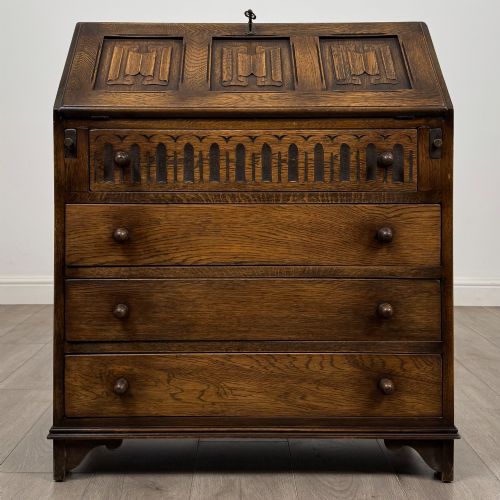
The selection ranges from robust oak constructions of the seventeenth and eighteenth centuries to refined walnut and mahogany models of the Georgian and Victorian eras. Revivals from the Edwardian period also feature prominently, adopting earlier Jacobean and Queen Anne motifs. This variety allows collectors to select pieces spanning simple country workshops to elaborate urban cabinet makers.
Materials and construction
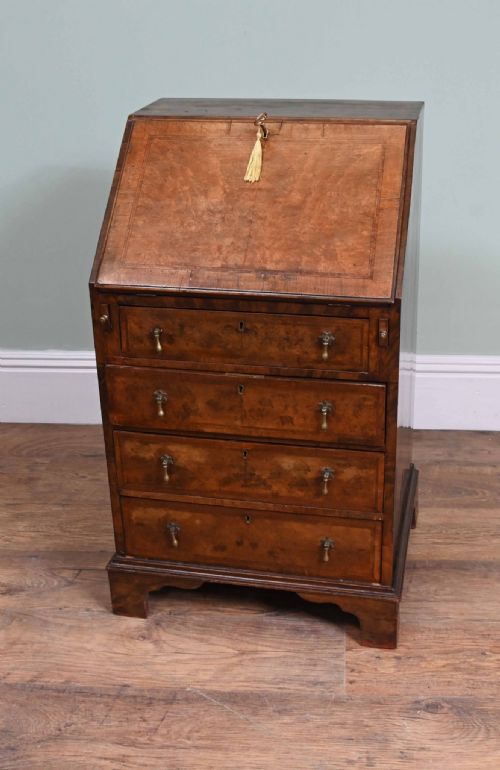
Cabinet makers utilised dense hardwoods including oak, mahogany, walnut, and rosewood, often applying burr veneers to internal and external surfaces for decorative grain patterns. Pine frequently served as a secondary wood for internal drawer linings and hidden compartments. Brass hardware such as escutcheons, handles, and hinges secured structural elements and fitted drawers.
Joinery methods relied on solid timber construction combined with careful veneering over stable carcases. Writing surfaces often incorporated inset leather panels bordered by blind tooling to provide a durable writing plane. Desks incorporated hinged fall fronts or sliding mechanisms supported by internal bearers or pull-out slides.
Listings demonstrate timber usage spanning solid oak, mahogany, walnut, rosewood, and pine across eighteenth-century to Edwardian periods.
Gradations of quality
Quality diverges between utilitarian vernacular items and sophisticated pieces displaying specialised timber selections like burr walnut, pollard oak, or solid Brazilian rosewood. Finer examples integrate intricate marquetry inlay, crossbanding, and meticulously fitted pigeonhole interiors behind the sloped flap. Secondary wood choice and the thickness of applied veneers similarly mark the distinction between standard production and top-tier workshop output.
Structural integrity depends upon the preservation of original hinges, drawer runners, and internal dividers within the writing compartment. Desks retaining original brass fittings, working locks with keys, and well-matched grain patterns command greater appreciation among collectors. Subtle variations in the configuration of interior stationery drawers demonstrate the ambition of the original maker.
Heals of London·Gillows
The Traditional Slope Front Desk Glossary
- Bureau
- A writing desk featuring a sloping lid that opens to form a writing surface above a chest of drawers. This form evolved significantly through the Georgian and Victorian periods.
- Davenport
- A compact form of small desk featuring a sloping top and drawers opening to the side. These units became particularly popular during the Victorian era.
- Fall front
- A hinged flap that drops from a vertical or angled position to create a horizontal writing surface. It conceals internal stationery compartments when closed.
- Secretaire
- A piece of furniture containing a writing drawer or fold-down writing compartment. It often incorporates disguised releases to access secret storage spaces.
- Marquetry
- Decorative veneer patterns formed by fitting together thin pieces of wood, shell, or ivory into wood panels. This technique enhances the visual richness of walnut surfaces.
- Linenfold
- A style of carved wooden panelling resembling folded linen cloth. This motif appears frequently on Edwardian revivals of earlier oak furniture.
Traditional Slope Front Desk: Frequently Asked Questions
How were slope front desks used?
These desks served as private workstations for correspondence, record-keeping, and the storage of writing implements. The lockable sloping lid protected confidential documents from casual view.
Internal compartments held paper, ink bottles, and pens. The enclosed design allowed owners to leave writing materials undisturbed while keeping rooms tidy.
How do I style a slope front desk?
Placing a slope front desk in a study, living room, or hallway creates a traditional focal point that combines surface display space with concealed storage. Keeping the writing flap closed conceals daily clutter while showcasing decorative wood grains.
Positioning a supportive wooden chair or a small stool in front allows the piece to function as an active writing desk. Surface areas on top accommodate small lamps or decorative objects.
How do I tell different periods apart?
Differentiating periods relies on observing timber choices, construction techniques, and stylistic ornament. Seventeenth and eighteenth-century examples frequently utilise solid vernacular oak with straightforward panel construction.
Later Georgian and Victorian pieces frequently employ mahogany, walnut, or rosewood veneers alongside more complex interior layouts. Edwardian items often incorporate revival styles such as Jacobean linenfold carving or Queen Anne walnut designs.