

Traditional Side Cabinet
A traditional side cabinet offers practical storage and period character, bringing timber craftsmanship and fitted drawers to a living space or bedroom.
Traditional Side Cabinet
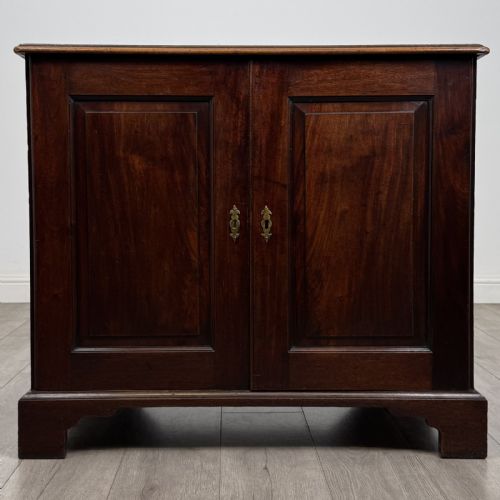
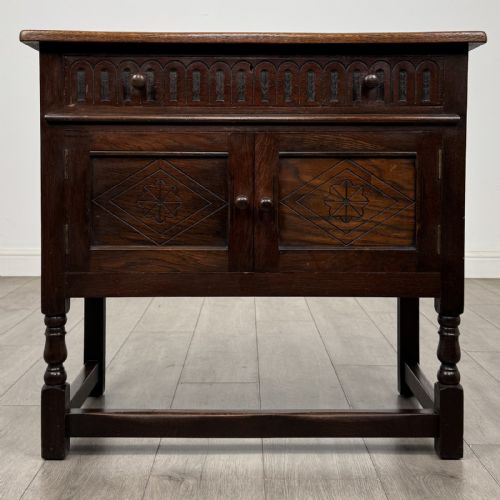
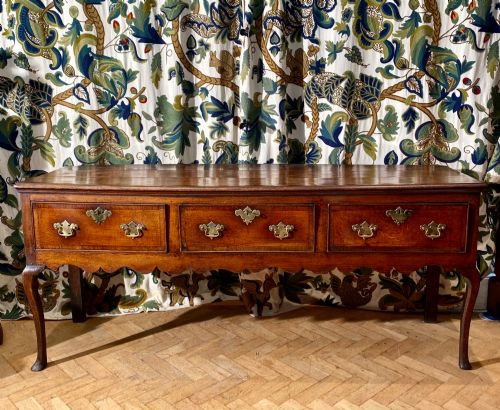
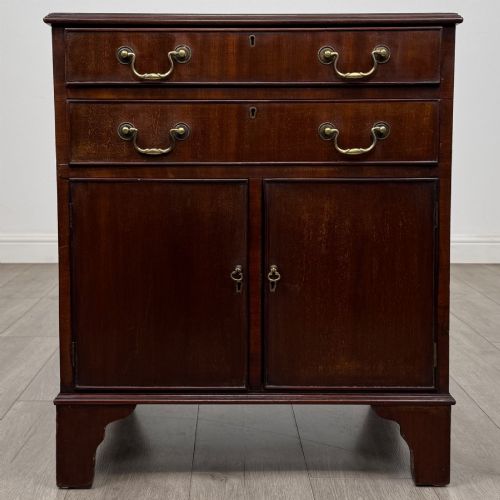
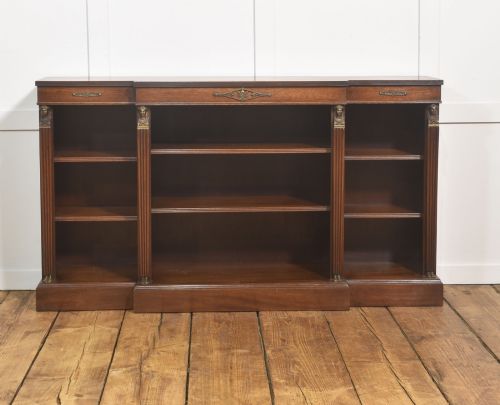
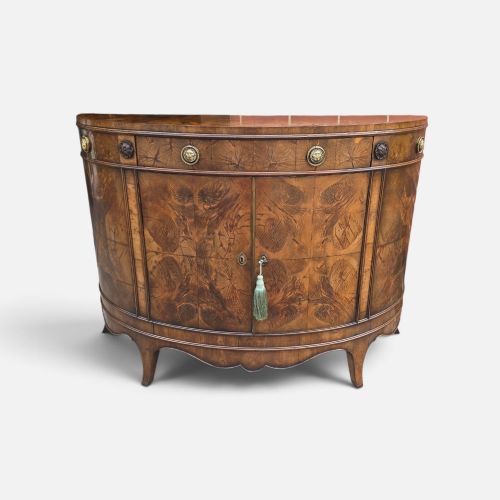
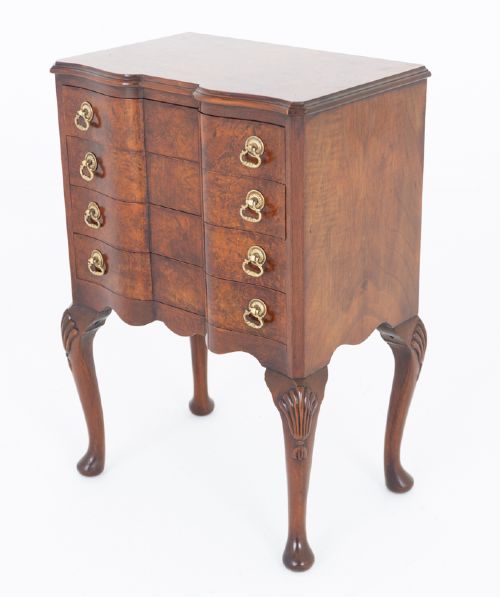
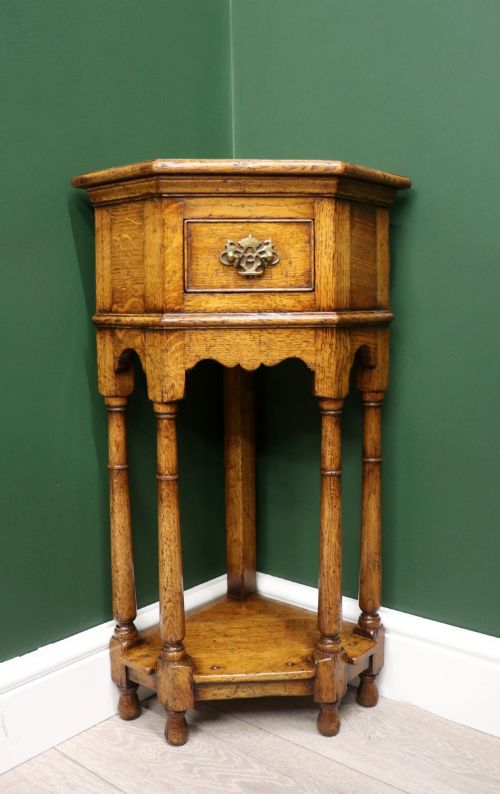
A traditional side cabinet provides concealed storage and surface display, taking forms such as bedside cupboards, compact chests, and small dressers. These pieces originate from periods spanning the eighteenth, nineteenth, and early twentieth centuries.
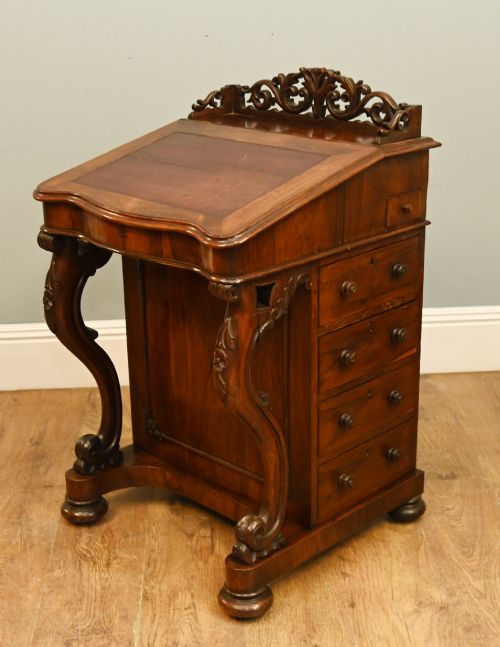
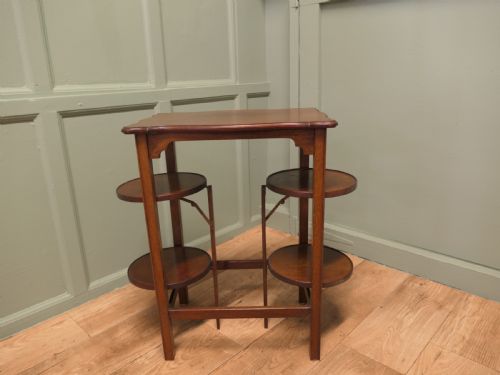
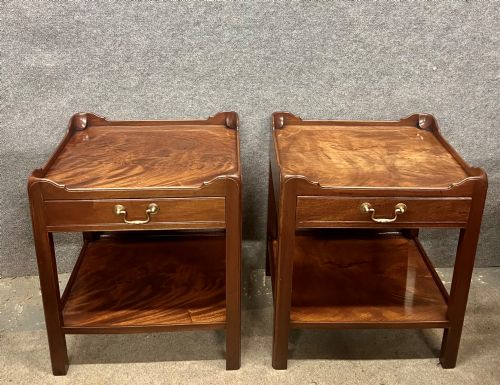
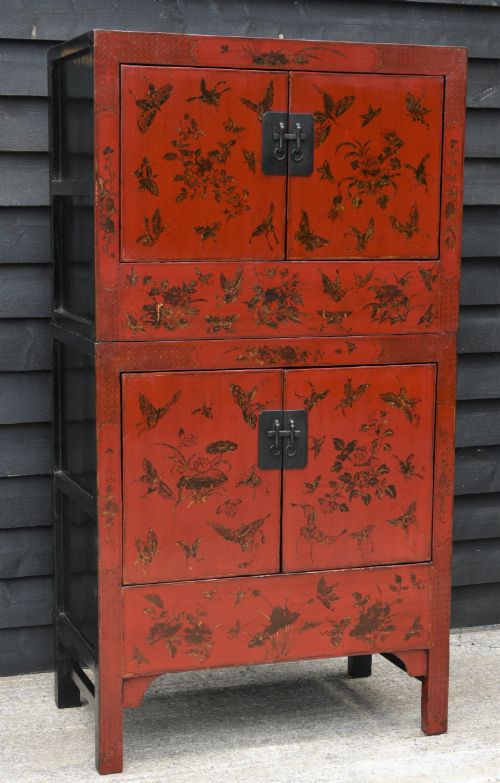
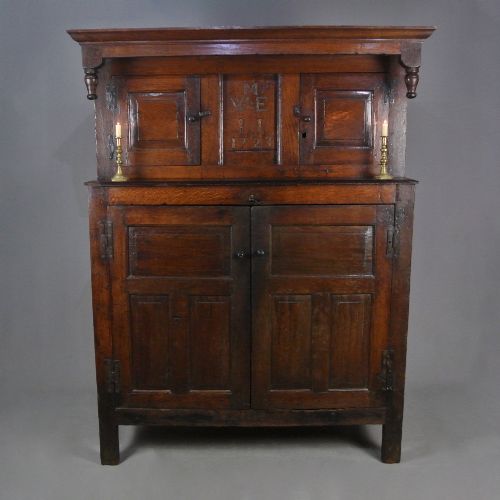
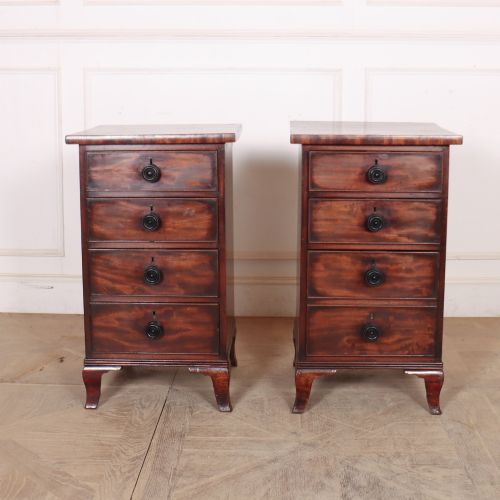
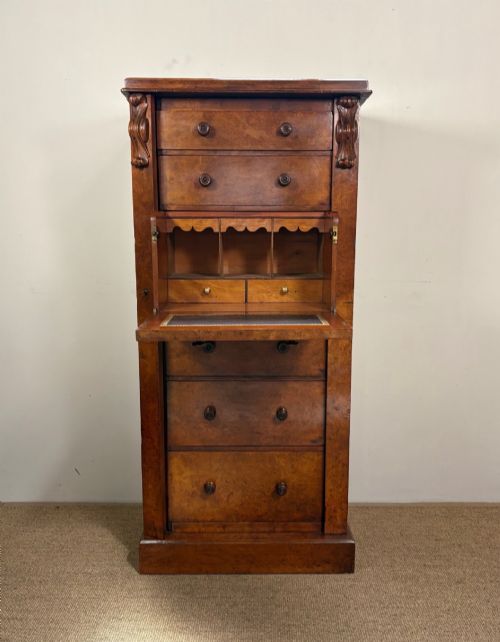
The selection here includes carved oak cupboards, mahogany bedside night tables, and burr walnut chests. Pieces range from substantial court cupboards to compact lamp tables and side cabinets.
Makers and regions represented include English oak workshops, Victorian cabinet makers, and international examples in red lacquer and elm. Buyers frequently encounter nineteenth-century mahogany and twentieth-century walnut versions among the listings.
How they were made
Cabinet makers utilised dense hardwoods such as mahogany, oak, and walnut, frequently selecting figured burr veneers for decorative surfaces. Joinery relied on traditional methods including dovetailing for drawers and mortise and tenon frames for structural rigidity.
Secondary timbers provided internal linings, while brass handles, hinges, and bracket feet added functional detail. Surface finishes involved hand-applied wax, polish, or painted lacquer over carved and turned wooden elements.
Periods represented span from the 18th century through the Victorian and Edwardian eras into the 1930s.
What varies in quality
The refinement of timber selection and the crispness of carved detail distinguish finer examples from simpler utility pieces. Figured grains, matched veneers, and well-proportioned mouldings reflect higher workshop standards.
Construction integrity, including the smoothness of drawer action and the survival of original brass hardware, separates well-preserved antiques from heavily restored or altered items.
The Traditional Side Cabinet Glossary
- Court cupboard
- A short, enclosed wooden cupboard used for storing food and utensils, often featuring carved panels and tiers.
- Dovetail
- A joint formed by interlocking wedge-shaped fingers, commonly used in drawer construction to ensure durable corners.
- Burr walnut
- A prized wood veneer taken from the growth excrescences on walnut trees, showing swirling, intricate grain patterns.
- Bracket foot
- A low furniture foot shaped like a bracket, supporting the corners of chests and cabinets.
- Demi lune
- A half-moon shape used for table and cabinet tops, popular in neoclassical furniture designs.
Traditional Side Cabinet: Frequently Asked Questions
What is a traditional side cabinet used for?
These cabinets serve as practical storage units in hallways, living rooms, and bedrooms, holding tableware, books, or bedside items while providing a surface for lamps and ornaments.
Their compact footprints allow them to fit into alcoves and smaller spaces where larger sideboards or wardrobes would overwhelm the room.
How do I date a wooden side cabinet?
Dating relies on examining the timber species, construction techniques like hand-cut dovetails, and stylistic markers such as bracket feet or turned legs. Secondary woods and hardware also provide clues to the period.
Comparing the decorative vocabulary, such as Jacobean carvings or Edwardian simplicity, helps narrow down the decade of manufacture.
Where should I place a side cabinet?
A side cabinet suits entryways for holding keys and post, living rooms for display and storage, or beside a bed for nightly essentials. Their varied heights and depths accommodate different room layouts.
Positioning them away from direct heat sources and strong sunlight protects the antique wood veneers and polished finishes.
How do I care for antique wood furniture?
Maintain antique timber by dusting regularly with a soft, dry cloth and applying natural beeswax periodically to nourish the surface. Avoid chemical sprays and excessive moisture.
Keeping the furniture in stable room conditions prevents the timber from drying out, cracking, or warping over time.