



Traditional Ship Art
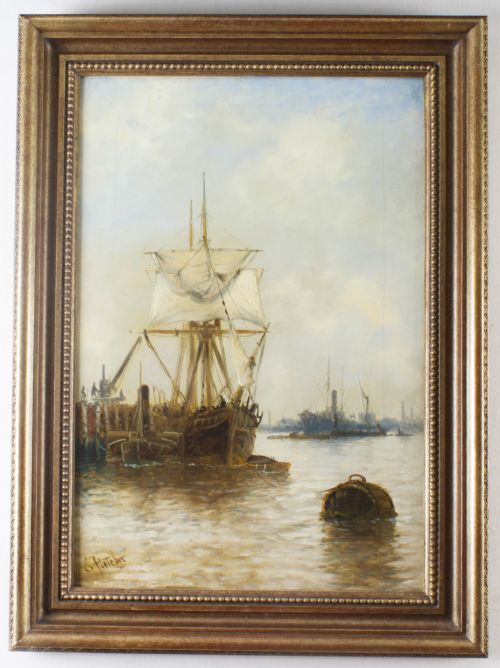
Traditional ship art comprises oil paintings, watercolours, and carved models recording vessels and coastlines from the eighteenth century onwards.
Traditional Ship Art
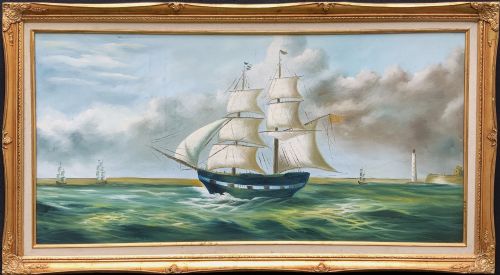
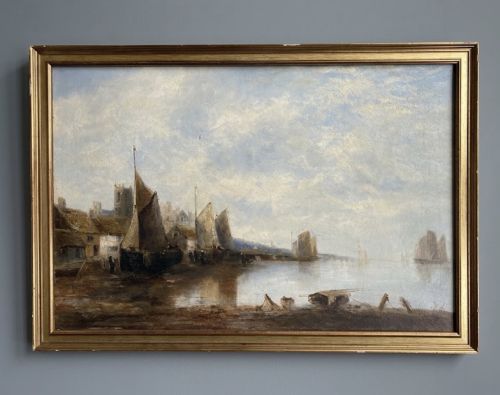
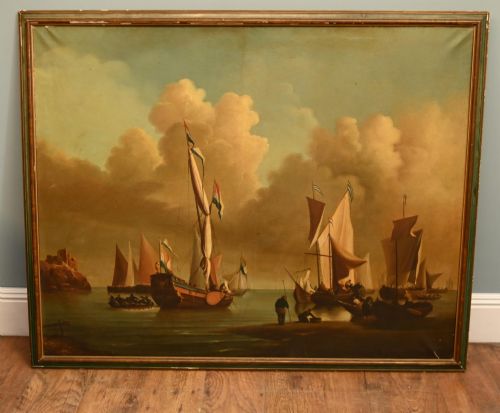
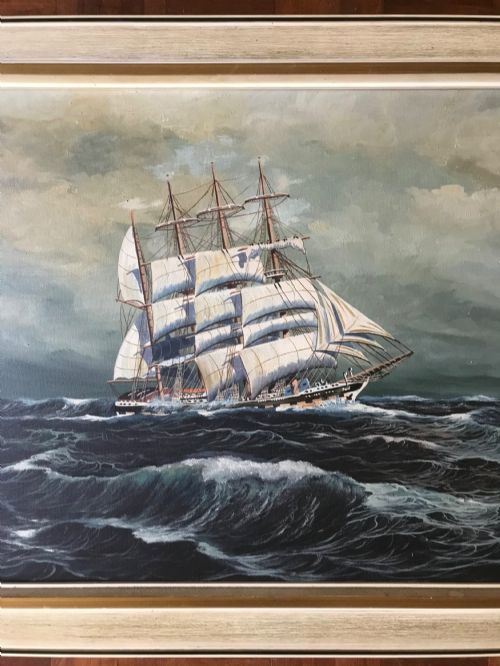
Traditional ship art brings together maritime oil paintings, watercolours, and carved models that record historic vessels, coastal scenes, and naval engagements. Buyers examining this category encounter works ranging from early eighteenth-century Dutch shipping scenes to nineteenth-century maritime watercolours and twentieth-century depictions of clippers.
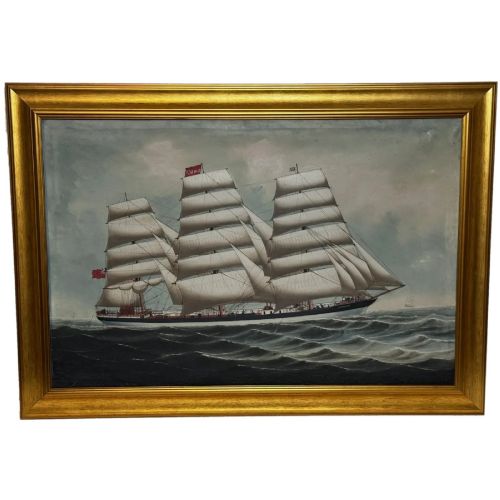
The most common pieces on this page are nineteenth-century oil paintings on canvas or board, alongside framed watercolours of coastal harbours and rivers. These works capture specific vessels, named ships like the Cutty Sark or the Barque Limbe, and general shipping under varied weather conditions.
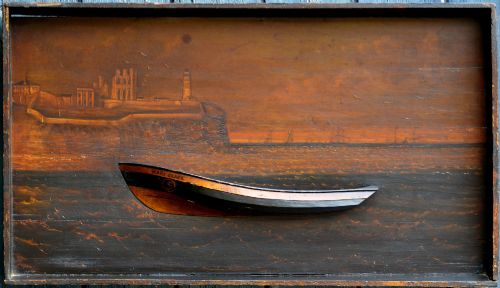
Objects extend beyond flat paintings to include carved half-model hulls and wooden ship's wheels sourced from coastal workshops. Together, these pieces reflect a sustained British and European engagement with the sea, trading routes, and naval history.
Materials and methods
Artists relied primarily on oil paint applied to canvas, wood panels, or board, building up coastal scenes and rolling seas with layered brushwork. Watercolours on paper appear frequently, often framed in gilt wood or hand-enamelled polychrome surrounds.
Makers of three-dimensional pieces utilised timber such as oak for ship's wheels and carved woods for painted half-model hulls. The combination of oil paint, canvas, and giltwood frames defines the physical substance of the maritime paintings seen here.
Traditional Ship Art Retail Price Guide 2026
Typical asking prices for traditional ship art among the pieces listed under this phrase on Sellingantiques today, from the lower quarter to the upper quarter. They describe what is for sale here now, not the wider market.
Listings feature oil paintings, watercolours, and wooden ship's wheels spanning the 18th, 19th, and 20th centuries.
Distinctions in quality
Quality rests upon the artist's command of maritime architecture, rigging detail, and atmospheric light. Superior canvases convey the weight of water and the correct rigging of a three-masted schooner or warship with precision.
Condition of the medium and the integrity of the original frame also separate works, as oil paintings with stable craquelure and watercolours retaining their pigment strength outrank faded or heavily restored examples.
Hans Harlander·Reginald Arthur Borstel·Thomas Bush Hardy·Hendrik Willebrord Jansen·Dion Pears·Marie-Edouard Adam·John Callow·Ebeneezer Colls·Hubert Thornley·John James Wilson·Edward Fletcher·Charles Martin Powell·James Hardy·Alfred Leyman
The Traditional Ship Art Glossary
- Seascape
- A painting depicting the sea, ships, or coastal views. These works focus on the movement of water and atmospheric conditions.
- Half-model
- A carved and painted representation of one side of a ship hull. Shipwrights used these to test vessel shapes.
- Giltwood
- Wood carved and coated with gold leaf or gold paint. This material forms the decorative frames common in maritime works.
- Watercolour
- Paint made with water-soluble pigments on paper. This medium was widely used for detailed coastal views and ship portraits.
Traditional Ship Art: Frequently Asked Questions
What subjects do these paintings show?
The artworks depict sailing ships, warships, clippers, and fishing vessels operating in harbours, rivers, and stormy seas. Many capture named vessels or specific coastal locations across Britain and Europe.
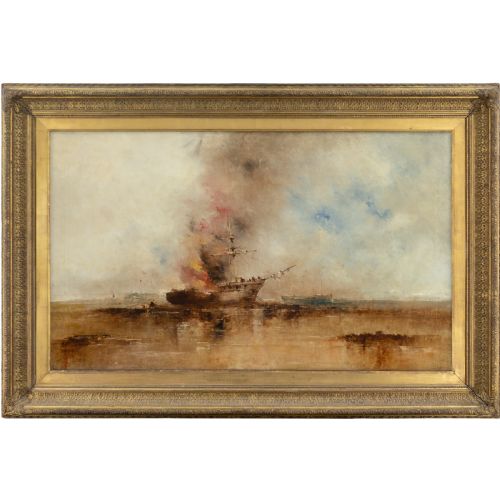
Scenes range from calm Dutch coastal waters to dramatic nineteenth-century naval battles and burning ships. Artists recorded both commercial shipping lanes and notable historical events.
How were ship's wheels used?
Wooden ship's wheels were mounted on vessels to control the rudder and steer the ship. Smaller surviving examples often retain original paint finishes from maritime workshops.
Today, these objects function as decorative wall pieces or interior items tied to nautical history.
How do I identify the period of a painting?
Dating relies on the rigging and design of the depicted vessels, clothing of any figures, and the style of the canvas or frame. Nineteenth-century works often feature detailed rigging and atmospheric Hudson River or Dutch-influenced realism.
Signatures, artist attributions, and framing materials also help narrow down the decade of creation.
Where should I hang maritime art?
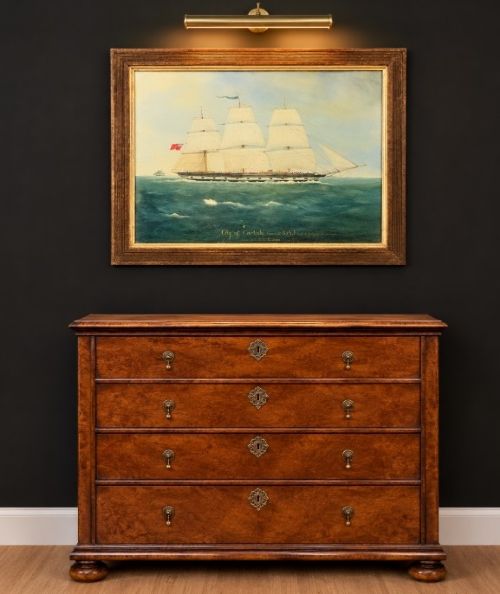
These paintings and watercolours suit studies, living rooms, and hallways where adequate wall space allows proper framing and lighting. Works executed in oil on canvas benefit from placement away from direct sunlight.
Smaller watercolours and framed half-models pair well with traditional interiors and wood-panelled spaces.