



Traditional Sheep Artwork
Traditional sheep artwork encompasses pastoral oil paintings and watercolours capturing rural life, herding scenes and highland landscapes from the nineteenth and early twentieth centuries.
Traditional Sheep Artwork
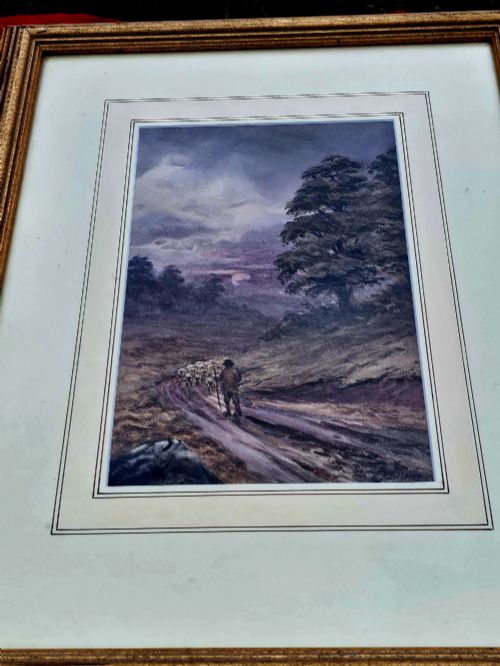
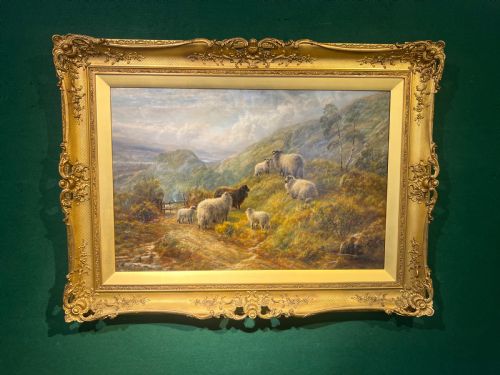
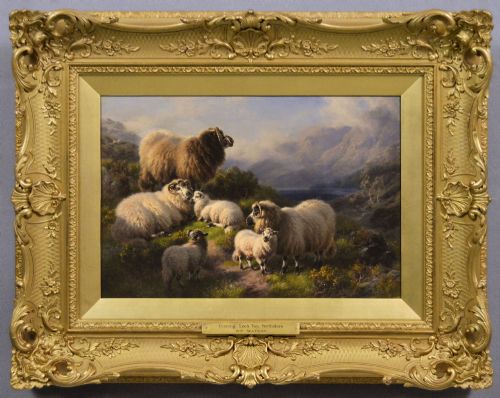
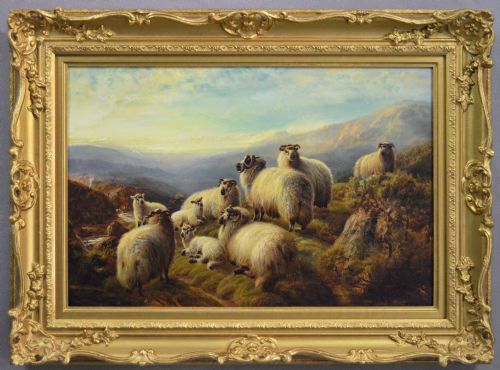
Traditional sheep artwork primarily comprises oil paintings and watercolours depicting pastoral scenes, farmland, and highland landscapes. These works focus on flocks grazing, droving routes across moorland, and sheltering livestock in rural settings.
Most examples originate from the Victorian and Edwardian periods, stretching from the mid-nineteenth century through to the mid-twentieth century. Pieces range from intimate watercolours on paper to large framed canvas works by established regional and British artists.
Materials and methods
Artists relied primarily on oil on canvas, wood panel, or watercolour on paper to capture rural scenes. Canvases and panels provided a sturdy base for detailed oil landscapes, while watercolours allowed for lighter atmospheric depictions.
Framing often involved traditional wooden or giltwood surrounds to protect the paper or canvas. Pigments were applied to render the natural tones of countryside pastures, coastal cliffs, and winter snow.
Several sheep appear to have spent a remarkable amount of time posing patiently on windy clifftops.
Factors of quality
Quality rests on the precision of the animal portraiture and the depth of the surrounding landscape. Skilled brushwork distinguishes lifelike fleece textures and natural animal postures from stiff or generic representations.
Compositional balance between the flock and the wider countryside setting defines the better examples. Strong provenance and a documented attribution to a recognised painter elevate an individual piece.
Tom Campbell·EJ Letheren·Robert Watson·William Watson Jnr·Henry Charles Fox·William Henry Mander·Thomas Sidney Cooper·William Sydney Cooper·Robert John Hammond·Willem Anton Alexander Knip·Eugene Joseph Verboeckhoven·Walter J Watson·Lorenzo Headley·Charles Jones·George Turner·Owen Bowen·Charles James Adams·Rowland Henry Hill·Edmund George Warren·Jessie Hall·Laurens Plas·Louis Marie Dominique Robbe·W Ramsey·Wycliffe Egginton
The Traditional Sheep Artwork Glossary
- Oil on Canvas
- Pigment suspended in drying oil applied to a woven fabric stretched across a wooden frame. This method allows for rich colour blending and textured brushwork.
- Watercolour Painting
- Pigments suspended in a water-soluble base applied to paper. It creates transparent washes that suit delicate landscape and atmospheric effects.
- Giltwood
- Wood carved and coated with a thin layer of gold leaf or gold-coloured metallic finish. It forms the decorative ornamental frames common in nineteenth-century framing.
- Pastoral
- A genre of art that idealises rural life and agricultural landscapes. These scenes typically feature shepherds, flocks, and open pastures.
Traditional Sheep Artwork: Frequently Asked Questions
What periods do these paintings date from?
These works primarily span the Victorian and Edwardian eras, with dates clustering through the nineteenth century and into the early decades of the twentieth century. Mid-century examples also appear.
Most pieces reflect the nineteenth-century realist and pastoral traditions prevalent across British and European art schools of the time.
How were these watercolours and oils framed?
Many pieces retain their period wooden or giltwood frames, which were designed to complement the tones of the landscape. Original framing adds context to the age of the artwork.
Alternative framing may be found on works that have been conserved or re-mounted over the decades since their creation.
What subjects feature alongside the sheep?
Flocks are frequently depicted with shepherds, drovers, or working dogs navigating country lanes, moors, and coastal cliffs. Other farm animals such as cattle and ponies occasionally share the pasture.
Seasonal details also shape the composition, ranging from spring apple blossom and autumn farmland to winter snow in highland settings.
Where were these pastoral scenes painted?
Locations span British rural landscapes including Scottish highlands, Welsh valleys, Kent marshes, and Dorset lanes. Continental European scenes by foreign artists are also represented.
Specific geographic titles often provide a precise record of the countryside that inspired the artist.