




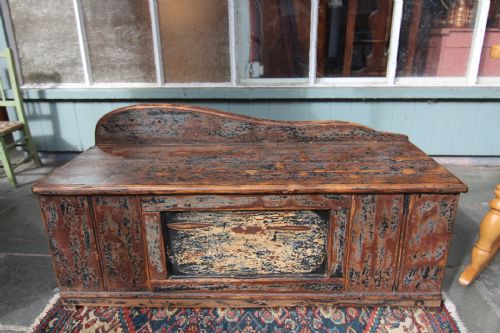
Traditional Settle
A traditional settle is a solid wooden bench with a high back and enclosed base, designed to block draughts in period rooms.
Traditional Settle
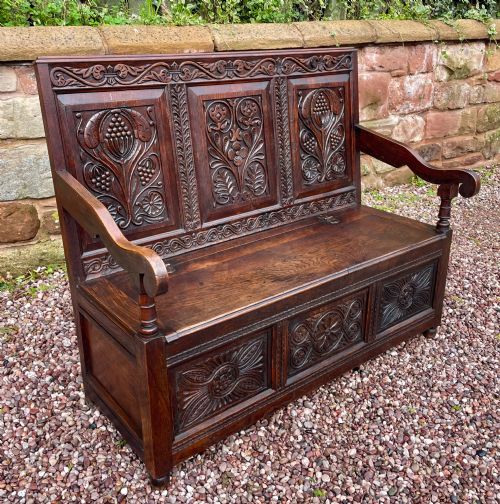
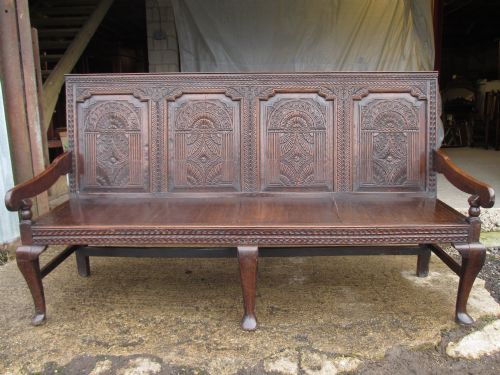
A traditional settle serves as a high-backed wooden bench, frequently found in hallways, kitchens and country public houses. These pieces originate across several centuries, spanning the Georgian, Victorian and Edwardian eras, alongside regional European examples.
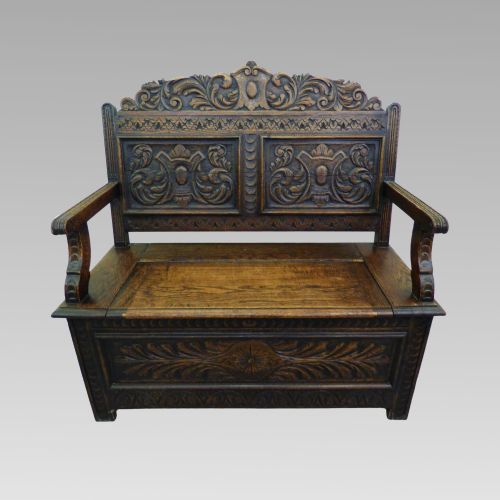
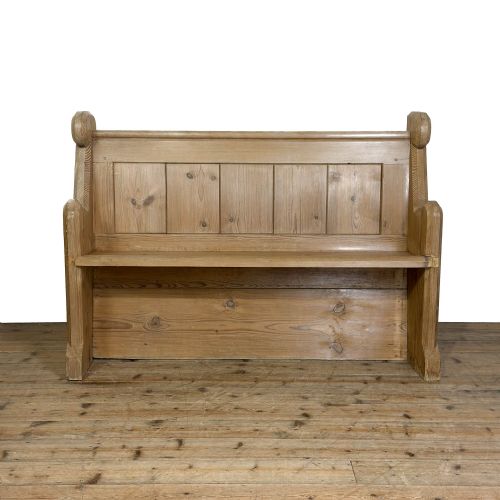
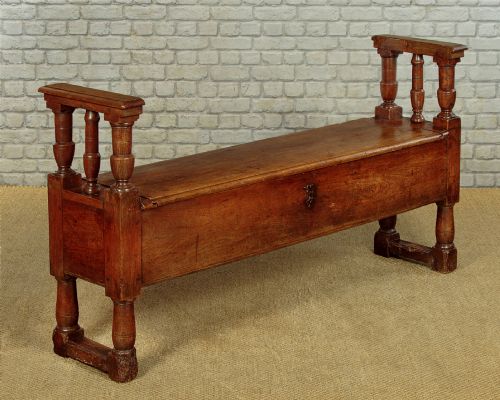
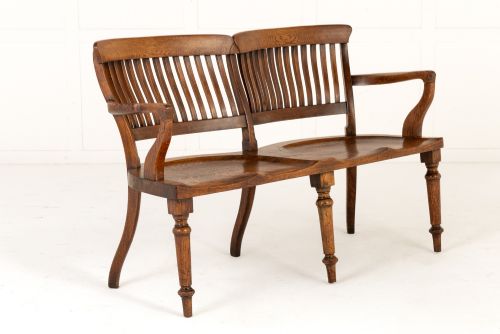
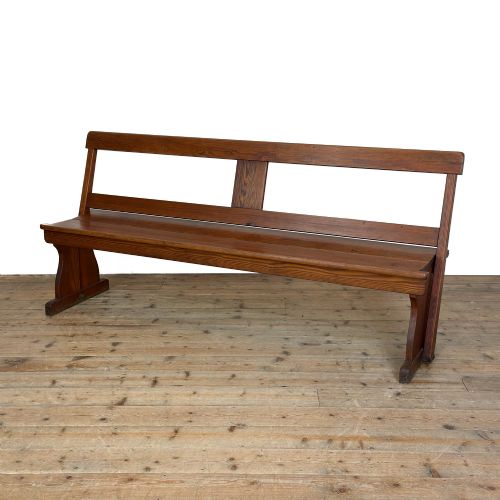
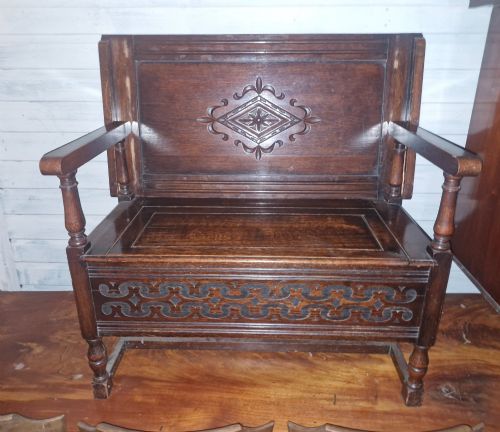
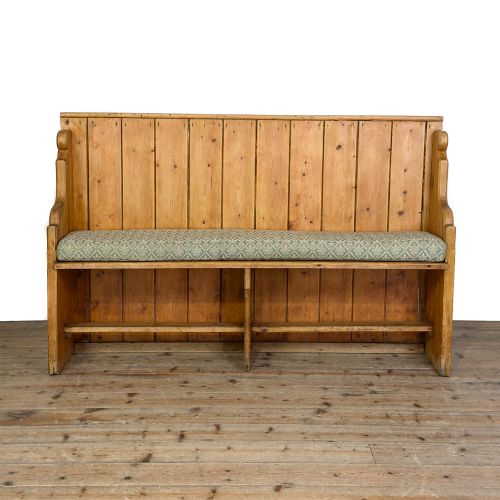
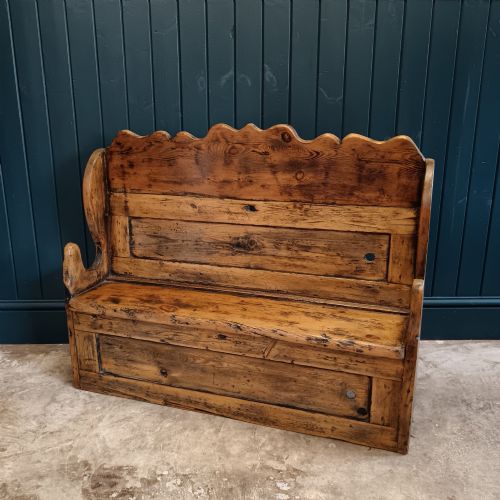
The form typically incorporates a high solid timber back, arms and a seat that often lifts to reveal storage space within a box base. Variants range from straight-backed wooden benches and chapel pews to barrel-backed designs built to keep fireside warmth contained.
Materials vary from durable local timbers such as oak, elm and pine, sometimes finished with painted surfaces or traditional wax polishes. Buyers encounter formats stretching from compact hallway seats to substantial multi-seater tavern furniture.
Materials and construction
Carpenters built these benches using solid native hardwoods and softwoods, predominantly oak, pine and elm, selected for structural strength. Construction methods relied on pegged mortise and tenon joints to withstand heavy daily use in domestic and commercial settings.
Box bases and panelled backs required sturdy joinery, utilising tongue and groove boarding for the seats and backs. Surface finishes include natural wax, applied over decades of handling, as well as historic layers of blue, grey and black paint.
Traditional Settle Retail Price Guide 2026
Typical asking prices for traditional settle among the pieces listed under this phrase on Sellingantiques today, from the lower quarter to the upper quarter. They describe what is for sale here now, not the wider market.
Some provincial tavern settles included hinged flip-over tops to double as makeshift tables for evening ale.
Assessing quality and proportion
The standard of a settle rests in the integrity of its timber, the depth of its patination and the balance of its proportions. Pieces retain more character when they display original board seats, unaltered back panels and honest signs of age rather than excessive modern restoration.
Subtleties in carving, such as floral motifs on the backrest or arms, separate standard utility furniture from finer vernacular pieces. The presence of original hardware, hinges on box seats and untouched surface finishes elevate the standing of an example.
The Traditional Settle Glossary
- Settle
- A wooden bench featuring a high back, arms and frequently a box base for storage. It provides seating while deflecting cold draughts in older properties.
- Box settle
- A variation incorporating a hinged seat above a compartment for storing household items or blankets. This form doubles as a chest and a seat.
- Lambing chair
- An enclosed wooden fireside seat with high wings designed to shield the occupant from wind. These items share lineage with traditional settles.
- Patina
- The surface sheen and colour developed by timber over years of handling, polishing and exposure to light. It indicates genuine age.
- Pew
- A long wooden bench traditionally used in churches or chapels, sharing simple communal seating construction with plain settles.
Traditional Settle: Frequently Asked Questions
What is a traditional settle used for?
These benches functioned historically as primary seating near open hearths, where high backs and solid sides kept out cold air. Today, people place them in hallways and kitchens for seating and storage.
Their enclosed bases offer practical storage space for shoes or boots, making them useful in modern boot rooms and corridors.
How do I tell an 18th century settle from a 19th century one?
Earlier 18th century examples frequently display pegged oak construction, heavy timber panels and deep patination earned through long use. Later 19th century pieces often utilise pine or elm, sometimes showing factory-turned elements or simpler box construction.
Examining the tool marks on the underside of the seat and the type of fixings used helps determine the age of the timber.
Where should I place a settle in my home?
A settle fits naturally in an entrance hallway as a spot to sit when removing footwear, or against a dining table as alternative seating. Their high backs also make them effective room dividers in open-plan spaces.
Ensure you measure the height and depth of the piece, as high backs and deep seats require adequate clearance in smaller rooms.
Are painted settles original?
Many regional European examples, particularly those from Hungary, feature historic painted surfaces in blue, grey or black over pine. These finishes often form an authentic part of the object's folk art tradition.
Buyers should inspect the paint layers for signs of natural wear and age that match the structural condition of the underlying wood.