

Traditional Settle Bench
A traditional settle bench brings centuries of heavy timber craft and high-backed fireside utility directly into a modern hallway or kitchen.
Traditional Settle Bench
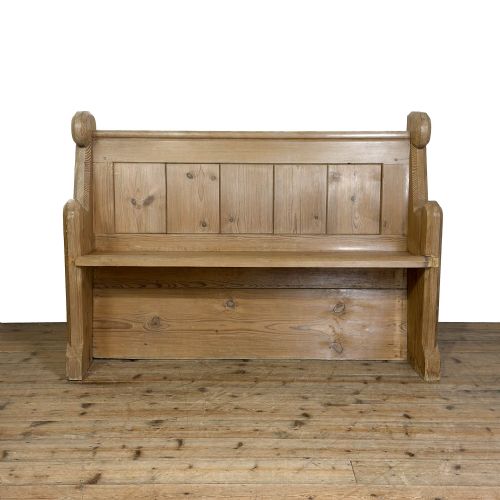
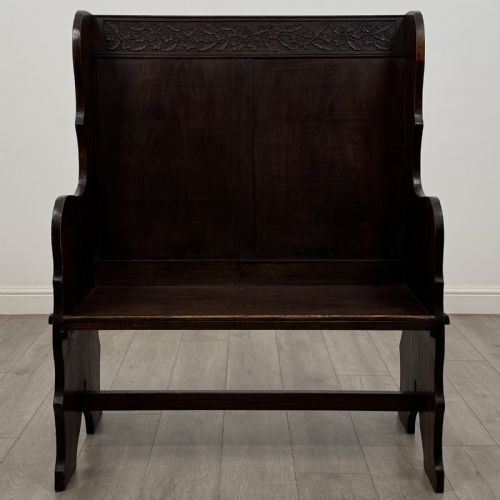
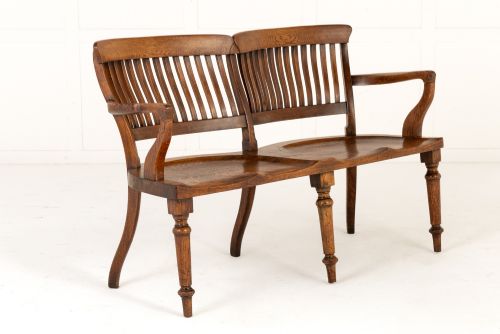
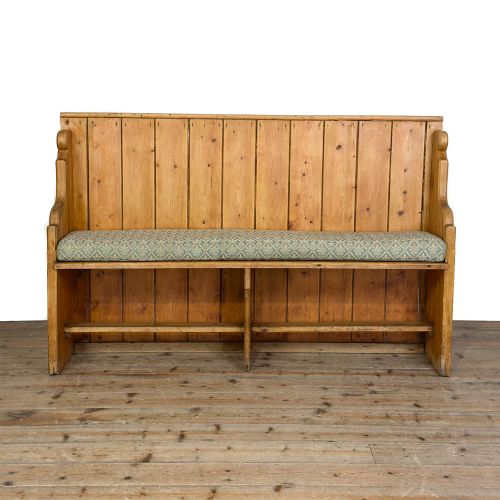
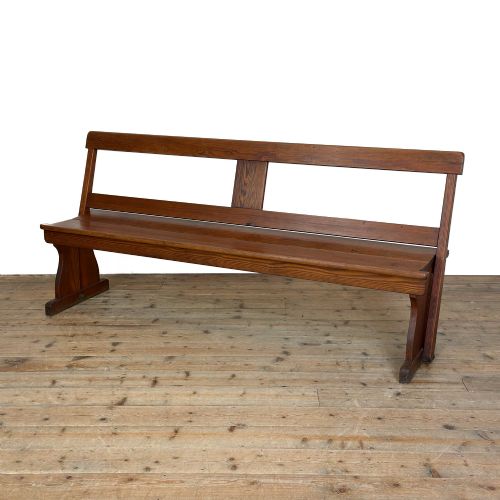
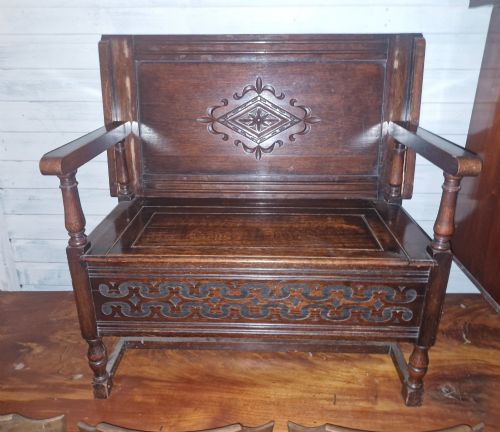
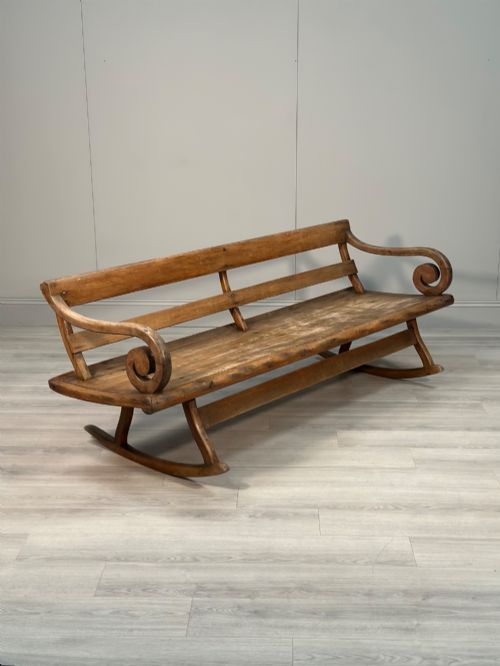
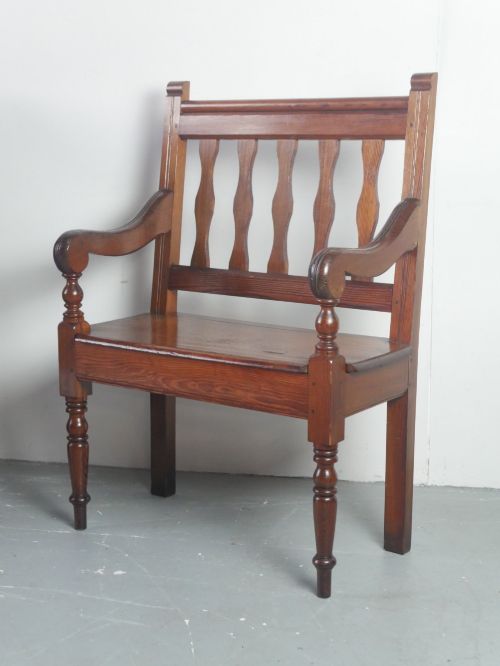
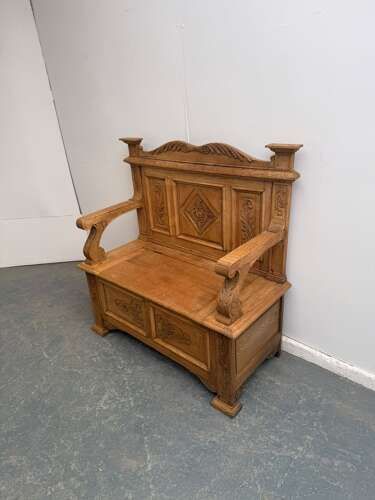
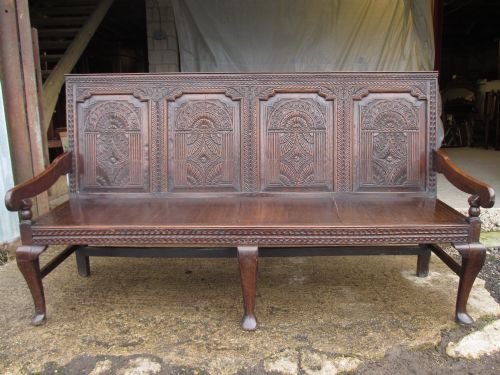
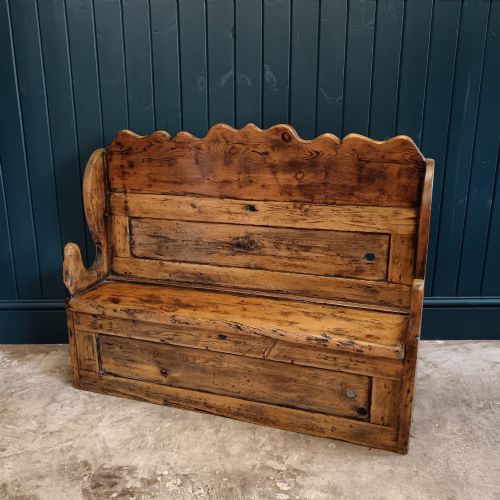
A traditional settle bench serves as a substantial seat with a high back designed to block draughts in older rooms. Most pieces appearing here span the eighteenth and nineteenth centuries, taking the form of oak, pine, or elm benches with solid board seats.
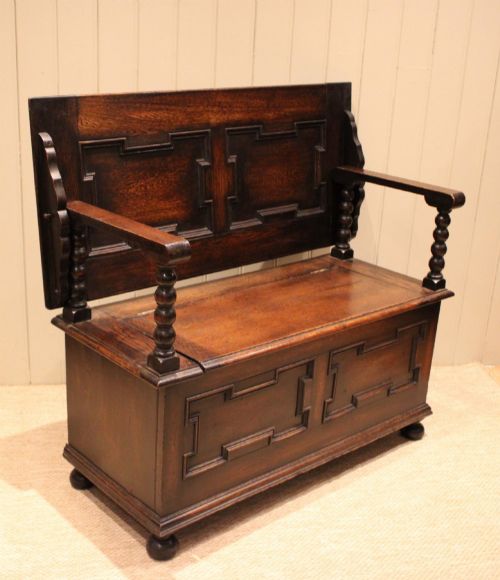
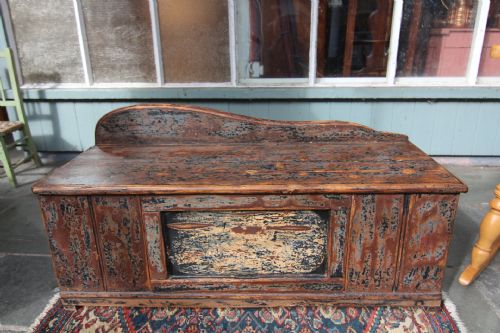
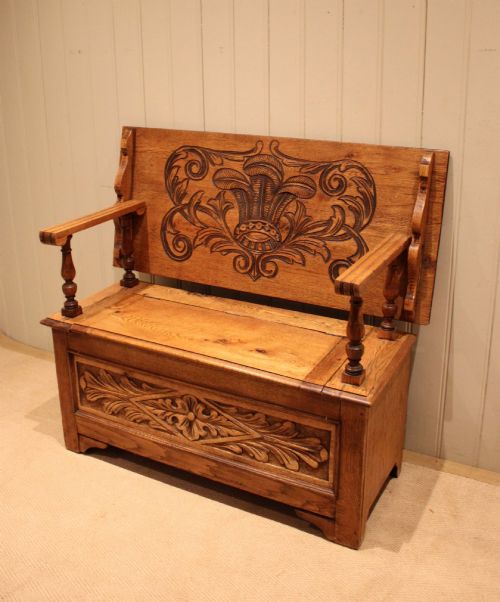
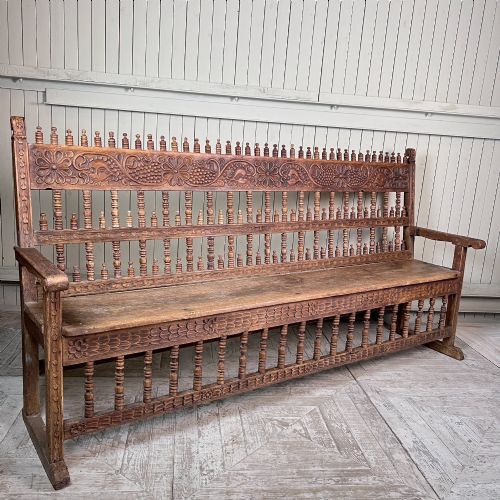
Buyers encounter numerous regional variations, from high-backed pub settles to chapel pews and painted Hungarian box seats. Forms range from straight-backed wooden benches to clever monk's benches with fold-over tops that transform into tables.
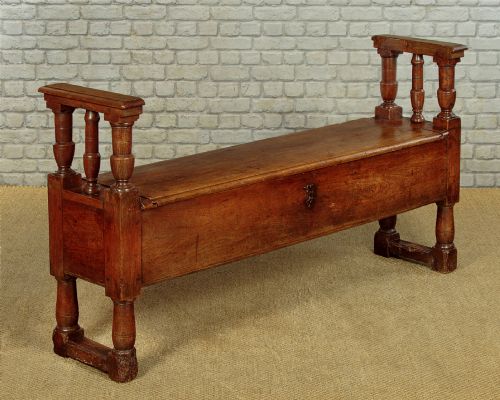
The objects function equally as hall seats, boot stores, and fireside benches, often incorporating lift-up lids for hidden storage. Their presence grounds an interior with honest, utilitarian country craftsmanship.
Distinguishing quality in older seating
Quality rests upon the integrity of the timber, the depth of the patination, and the retention of original structural elements like board seats and hinges. Untouched surfaces displaying honest wear outrank heavily restored timber with replaced panels.
Proportion and carving detail separate standard utility furniture from finer country pieces. Crisp hand-carving on oak back panels and intact original painted finishes elevate a piece beyond basic workshop output.
Traditional Settle Bench Retail Price Guide 2026
Typical asking prices for traditional settle bench among the pieces listed under this phrase on Sellingantiques today, from the lower quarter to the upper quarter. They describe what is for sale here now, not the wider market.
Flip-over chapel pews let Victorians switch instantly from solemn prayer to card games without changing seats.
The Traditional Settle Bench Glossary
- Settle
- A wooden bench with a high back, solid arms, and often a box base for storage. It was historically placed near the hearth to keep out cold draughts.
- Box settle
- A variant featuring a hinged seat that lifts to reveal a large storage compartment underneath. This design maximised utility in smaller domestic spaces.
- Monk's bench
- A versatile convertible seat featuring a solid back that folds down flat over the arms to form a table. It combines two essential pieces of furniture into a single compact footprint.
- Patina
- The surface sheen and colour developed over decades through handling, waxing, and ageing. A rich patina indicates genuine antiquity and careful maintenance.
- Pegged joint
- A traditional method of securing mortise and tenon joints using wooden pins rather than metal nails. This allows the timber to expand and contract naturally with seasonal humidity changes.
Traditional Settle Bench: Frequently Asked Questions
Where should I place a settle bench?
These pieces excel in hallways, boot rooms, and large kitchens where their high backs create a distinct seating zone. They also function well along large dining tables or against living room walls.
Ensure you measure the depth and height of the backrest before placement, as traditional settles were built for older rooms with generous proportions.
How do I care for waxed pine and oak?
Maintain the timber by applying a quality beeswax paste once or twice a year to nourish the wood and preserve the surface sheen. Avoid placing the bench near direct heat sources or strong sunlight to prevent splitting.
Dust regularly with a soft, dry cloth rather than using wet or silicone-based cleaners that can damage the historical finish.
How can I tell an eighteenth-century settle apart from a later revival piece?
Examine the construction marks, timber grain, and wear patterns around the seat and armrests for signs of genuine age. Eighteenth-century examples typically show hand-tool marks, pegged joints, and deep patination that modern replicas struggle to mimic accurately.
Look underneath the seat to inspect the secondary timbers and the hand-cut nature of the boards, which reveal the era of the workshop.