

Traditional Scroll Sofa
A traditional scroll sofa brings classic nineteenth-century elegance and deep comfort to a room.
Traditional Scroll Sofa
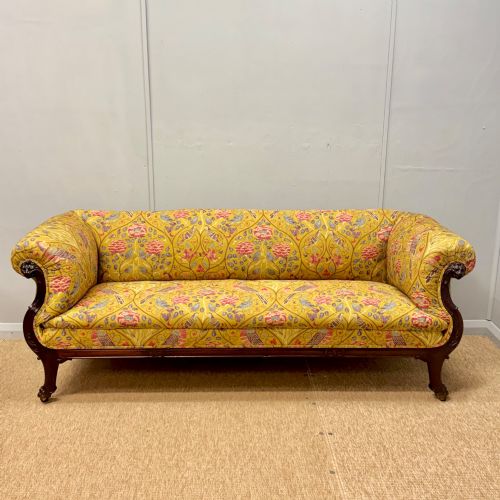
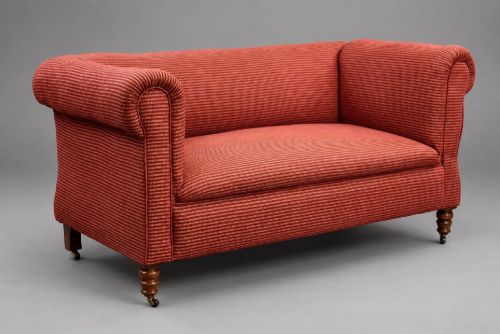
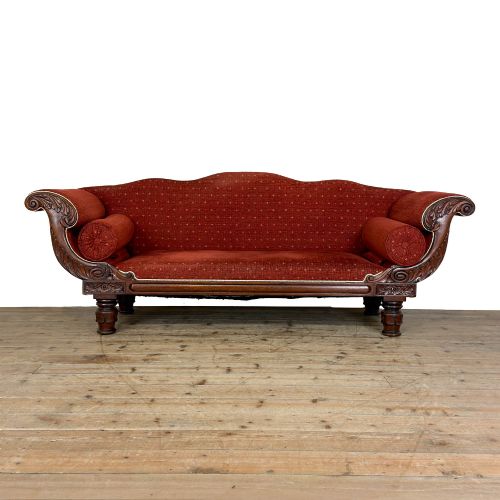
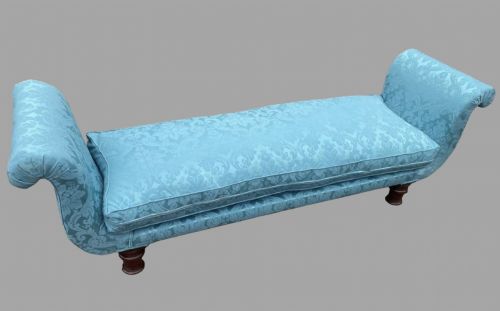
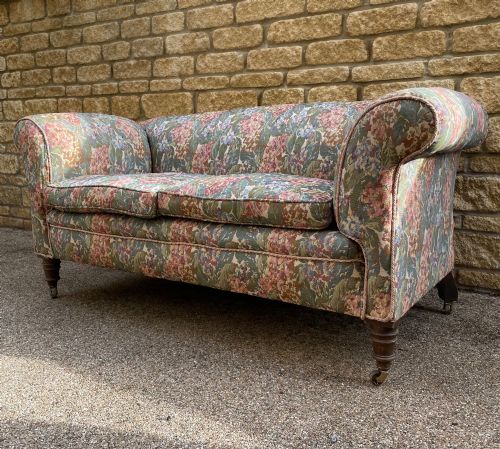
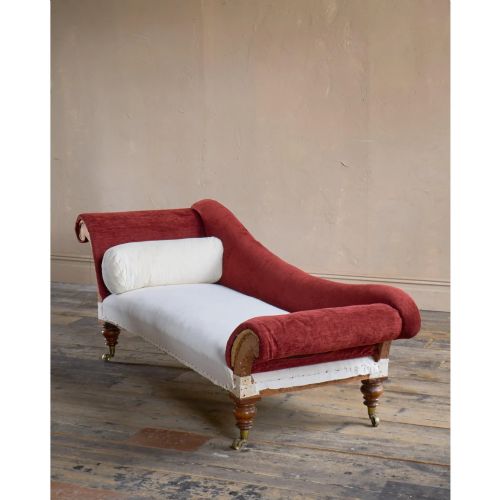
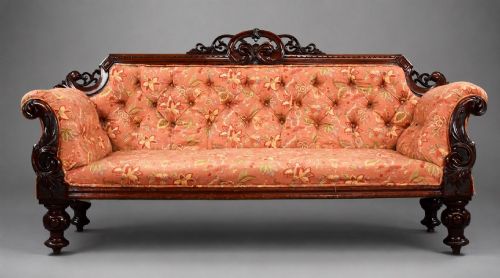
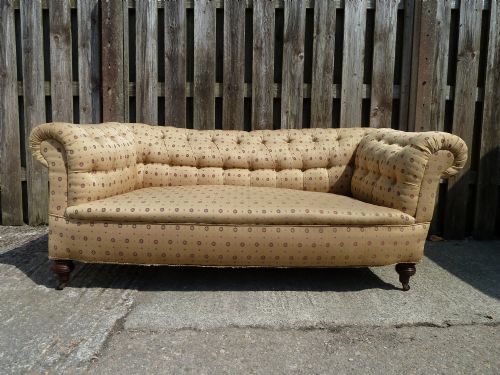
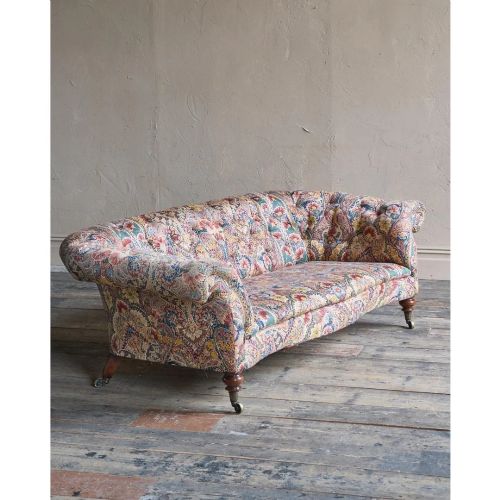
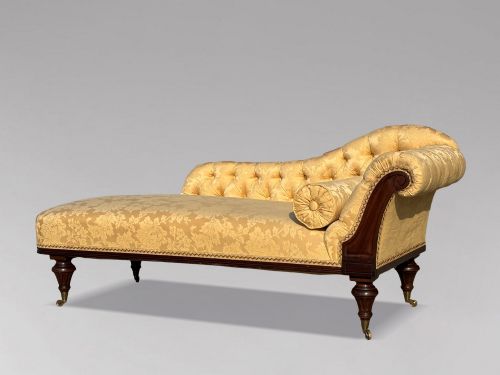
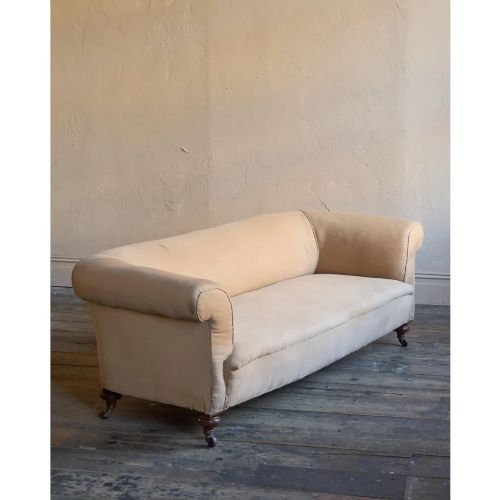
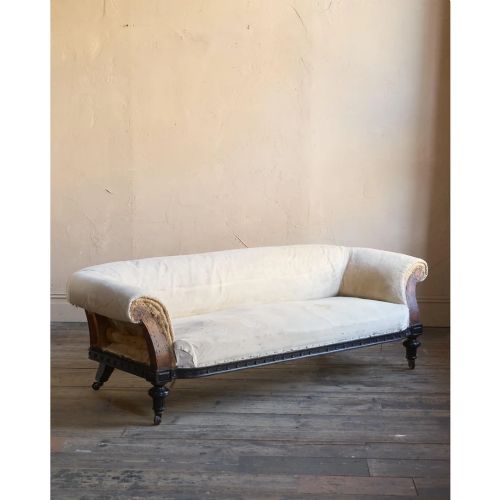
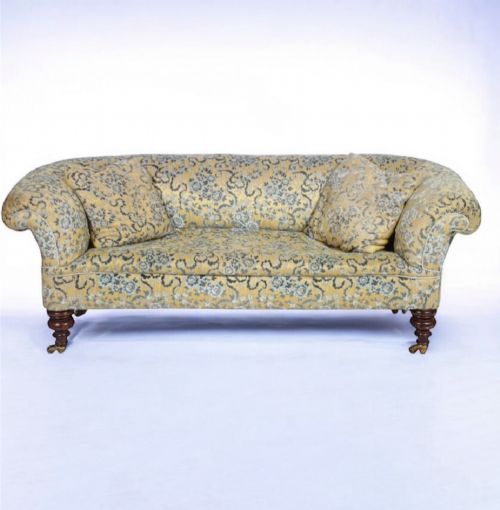
A traditional scroll sofa is defined by its characteristic rolled ends and substantial seating framework, appearing primarily across nineteenth-century periods such as the Regency, Victorian, and William IV eras. These pieces range from deep-seated Chesterfield designs to carved mahogany framed scroll-end sofas and elegant chaise longues.
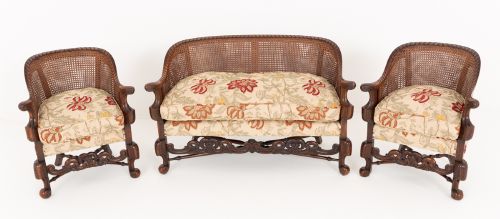
Buyers browsing this selection will most frequently encounter nineteenth-century walnut, mahogany, and rosewood pieces reflecting English country house and Victorian styles. The form encompasses two-seater settees, daybeds, and library sofas alongside grander upholstered seating suites.
Originating largely from British cabinet makers and Continental workshops, these sofas serve both formal drawing rooms and relaxed country house interiors. Their enduring appeal lies in the harmonious balance of structural timber frames and generous sprung upholstery.
Materials and Construction
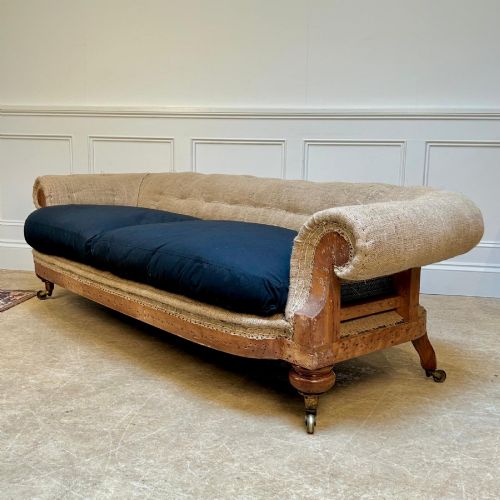
Frameworks rely on dense hardwoods including mahogany, walnut, rosewood, and ebony, chosen for their strength in supporting the characteristic curved scroll ends and turned legs. Brass fittings, castors, and structural mounts frequently appear on nineteenth-century pieces.
Upholstery relies on traditional stuffing materials enclosed in fabrics such as velvet, leather, and patterned upholstery fabric. Frames often incorporate hand-carved details, reeded mouldings, and exposed polished wood borders.
Traditional Scroll Sofa Retail Price Guide 2026
Typical asking prices for traditional scroll sofa among the pieces listed under this phrase on Sellingantiques today, from the lower quarter to the upper quarter. They describe what is for sale here now, not the wider market.
Materials recorded across the selection include mahogany, walnut, rosewood, ebony, brass, and traditional leather.
Assessing Quality and Execution
Quality rests in the integrity of the underlying hardwood frame and the sophistication of the timber grain, whether figured mahogany or rich walnut. Superior examples demonstrate crisp hand-carving along the scroll ends and rails rather than cast composition ornament.
The precision of the joinery and the grace of the proportions separate master cabinet work from standard production. Original finish and undisturbed timber patination further elevate the standing of a piece.
Miles and Edwards·Howard and Sons·Holland and Sons·Gillows
The Traditional Scroll Sofa Glossary
- Scroll end
- A rolled or curved arm termination reminiscent of a scroll, frequently seen on Regency and William IV sofas.
- Chesterfield sofa
- A deep-buttoned upholstered sofa with arms and back of the same height, originating in the nineteenth century.
- Chaise longue
- An upholstered couch in the form of a chair combined with a long seat, designed for reclining.
- William IV period
- A British design era spanning the 1830s characterised by robust classical revival forms and heavy mahogany timbers.
- Regency
- An early nineteenth-century style influenced by neoclassical motifs, incorporating sweeping lines and exotic wood veneers.
Traditional Scroll Sofa: Frequently Asked Questions
What is a traditional scroll sofa?
A traditional scroll sofa is a nineteenth-century seating form distinguished by its graceful, outward-curving arms and substantial timber frame. These pieces draw on Regency, Victorian, and William IV design traditions.
They combine structural woodwork in mahogany, walnut, or rosewood with deep, supportive upholstery designed for formal or domestic sitting rooms.
How do I identify a Regency scroll sofa?
Regency scroll sofas typically display neoclassical restraint, featuring sabre legs, brass mounts, and rich rosewood or mahogany veneers. Their scroll ends are often sharply defined and balanced.
Look for clean architectural lines and classical proportions that reflect the early nineteenth-century aesthetic.
Where were these sofas used originally?
These sofas originally furnished the drawing rooms, libraries, and country house reception rooms of the nineteenth-century elite. They served as both decorative centrepieces and comfortable places for daytime resting.
Their substantial scale suited high-ceilinged interiors and formal entertaining spaces.
How should I care for a Victorian upholstered sofa?
Care for a Victorian upholstered sofa by keeping it away from direct sunlight and maintaining stable room humidity to protect the delicate textiles and wood. Regular gentle dusting preserves the polished surfaces of walnut and mahogany frames.
Consult a specialist restorer for traditional upholstery maintenance to ensure the internal webbing and padding remain secure.