

Traditional Rural Scene Oil
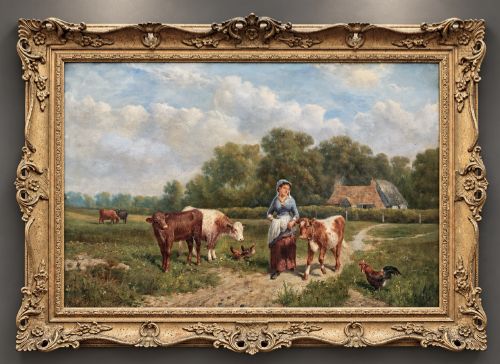
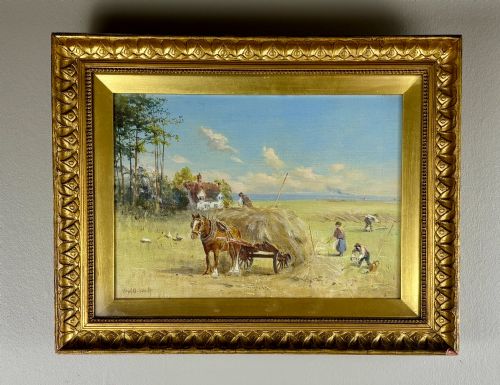
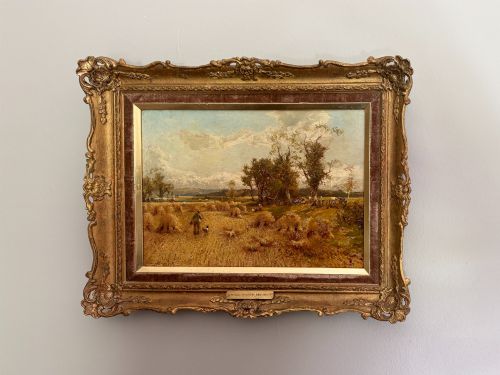
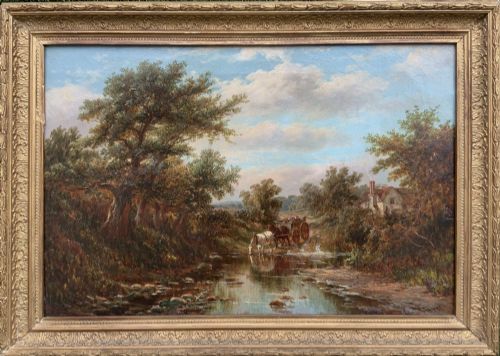
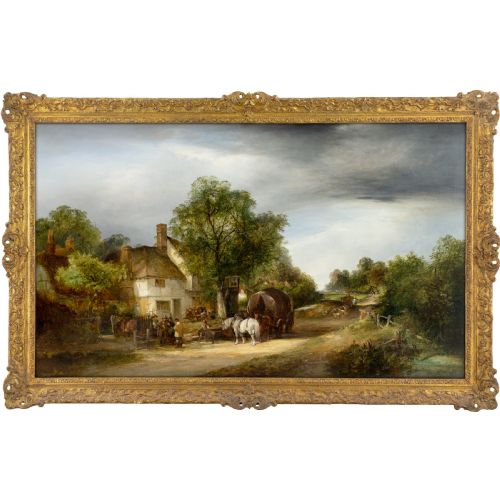
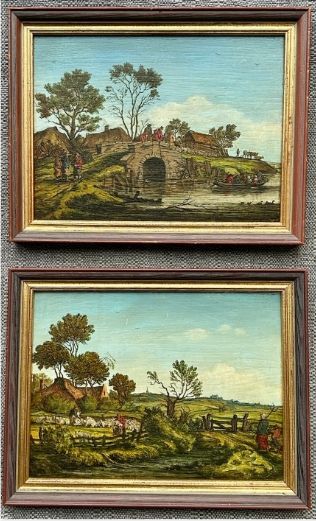
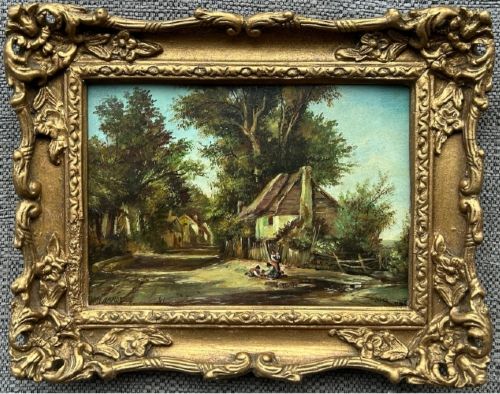
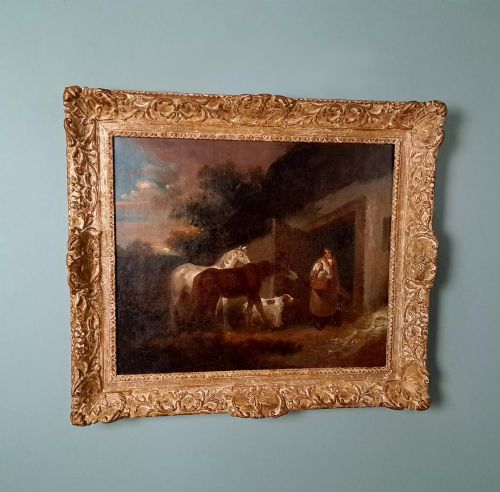
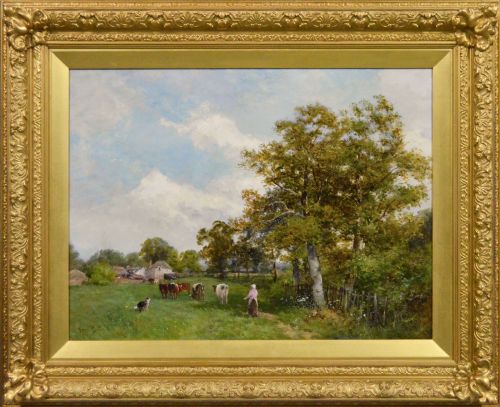
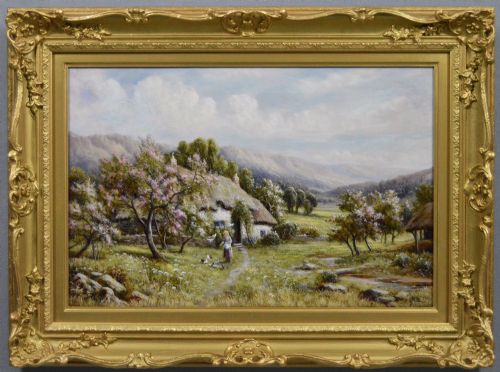
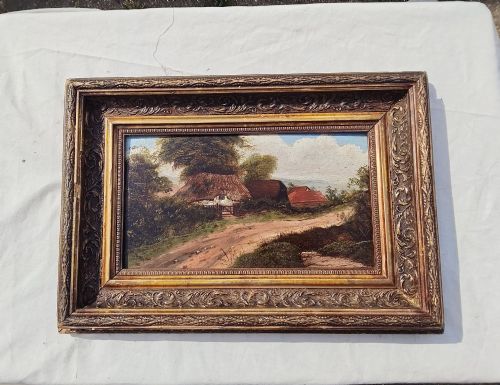
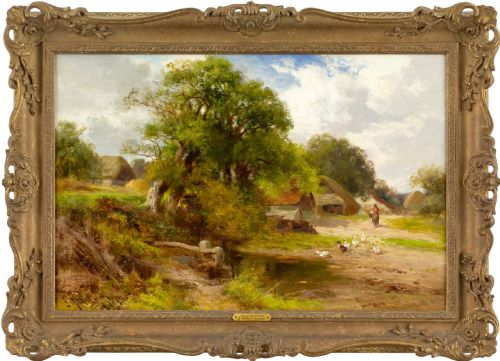
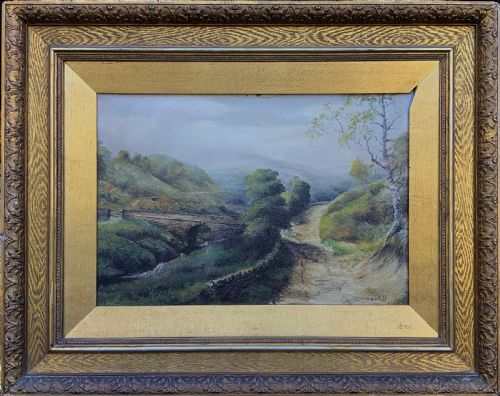
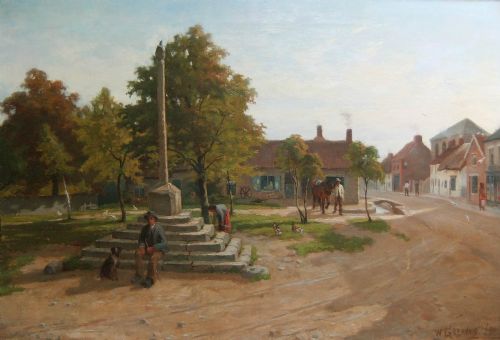
When you search for traditional rural scene oil, you meet nineteenth and early twentieth century canvases capturing farming life, cottages, and livestock.
Traditional Rural Scene Oil
A traditional rural scene oil depicts farming landscapes, cottages, rivers, and agricultural life across British and European countryside settings. These works span the nineteenth century into the twentieth century, recording quiet agricultural moments and pastoral views.
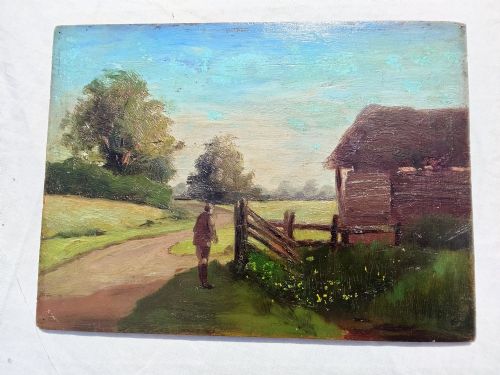
The most frequent examples found here utilise oil paint on canvas, panel, board, or card, often housed within period giltwood frames. Artists record specific regional locations, from Yorkshire and Sussex to Scottish crofts and Flemish landscapes.
Materials and Construction
Artists painted primarily with oil paint on stretched canvas, wood panels, or boards, occasionally utilising card supports. Canvases and panels received layers of pigment to build texture and depth across agricultural landscapes.
Many works retain their period gesso and gilt wood frames, which complement the traditional pastoral subjects. These frames provide structural support and historical context for the paintings.
Listings feature works from the nineteenth century, Victorian era, Edwardian period, and mid-twentieth century.
Assessing the Work
Quality rests in the handling of light, brushwork confidence, and the naturalistic depiction of animals, figures, and foliage. Stronger pieces display precise anatomical detail in horses, cattle, and sheep, alongside atmospheric skies.
The integration of the composition within its original gilt frame also influences the overall presentation. Finer works demonstrate a steady command of perspective and colour harmony across the rural view.
George Graham·William Howard Hardy·David Bates·Robert John Hammond·John Horace Hooper·William Greaves·Sydney Yates Johnson·Thomas Sidney Cooper·Herbert Royle·James Kyd·Henry John Yeend King·Samuel Joseph Clark·Henry John Boddington·M. C. Hider·Willem Anton Alexander Knip·Charles Vickers·Robert Finley McIntyre·Arthur Longley Vernon·Edward Brice Stanley Montefiore·James William Booth·John Frederick Herring Jnr
The Traditional Rural Scene Oil Glossary
- Oil on Canvas
- Pigment mixed with drying oil applied to stretched woven fabric. This serves as the primary support medium for most nineteenth-century pastoral paintings.
- Gilt Wood
- Carved timber treated with a gold leaf or metallic finish. These decorative frames surround many traditional rural scene oil works.
- Wood Panel
- A rigid flat wooden support used instead of canvas. Artists frequently utilised panels for smaller landscape studies.
- Pastoral
- A genre of art depicting country life and rural scenery. These compositions emphasise peaceful agricultural settings and farming communities.
- British Impressionism
- A painting style focusing on light and loose brushwork applied to domestic and rural subjects. Practitioners captured outdoor lighting effects in everyday countryside locations.
Traditional Rural Scene Oil: Frequently Asked Questions
What subjects appear in these paintings?
These works display agricultural life, including ploughing horses, cattle grazing, sheep folds, and harvest fields. Artists also record thatched cottages, rivers, and rural workers across British and European countryside settings.
Scenes range from quiet Sussex lanes and Yorkshire dales to Scottish crofts and Flemish landscapes, reflecting nineteenth and early twentieth century rural existence.
How do I date an oil painting?
Dating relies on stylistic markers, artist signatures, framing materials, and the type of support used. Canvas specifications and nineteenth-century stretcher designs offer further chronological clues.
Many listings provide specific creation years or active periods for the artists, helping place the artwork within Victorian or Edwardian eras.
Are these paintings signed by the artist?
Numerous pieces feature signatures, monograms, or inscriptions left by the painter, often noting the specific location depicted. Some works remain attributed to specific schools when signatures are indistinct or absent.
Dealer descriptions record visible signatures and historical attribution details associated with each specific canvas or panel.
How should I display an antique oil painting?
Position paintings away from direct sunlight and damp environments to protect the oil pigments and wooden supports. Maintaining stable room temperatures preserves both the canvas and the original giltwood frame.
Allow adequate wall space for the frame to complement the surrounding interior without crowding other artworks.