




Traditional Rose Oil Canvas
These traditional rose oil canvas works capture botanical subjects and landscapes in pigment, offering a classic focal point for a room.
Traditional Rose Oil Canvas
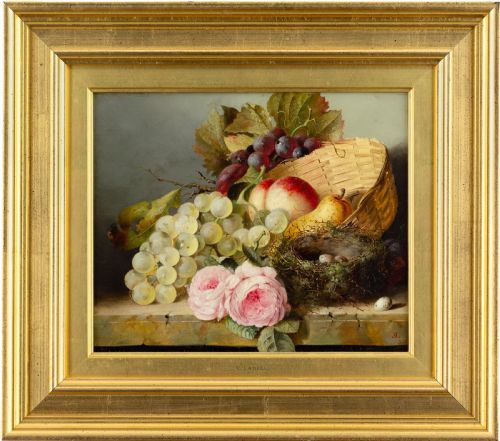
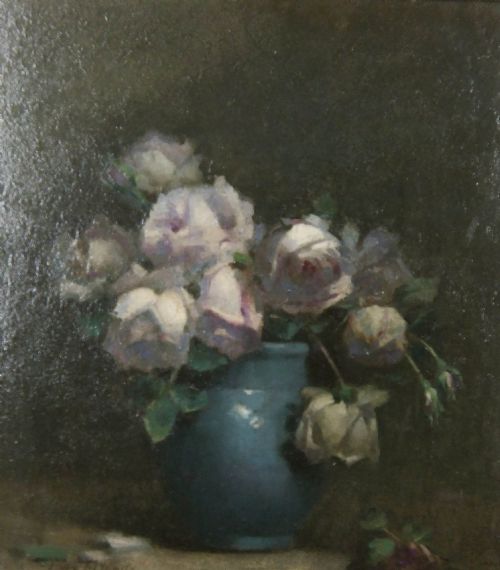
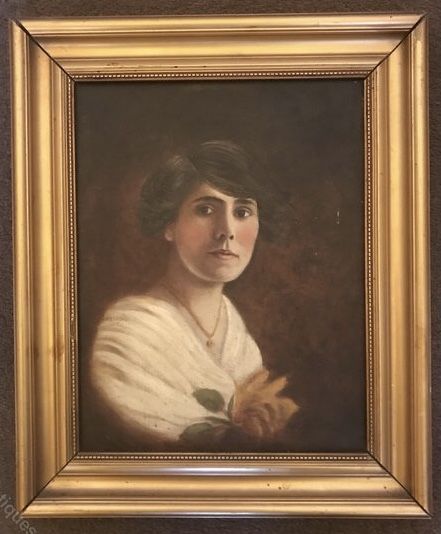
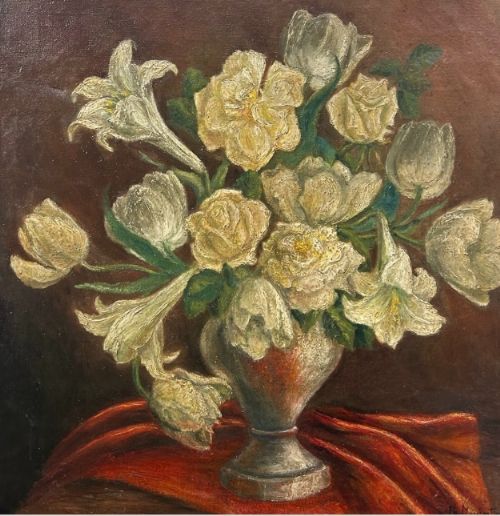
When you search for traditional rose oil canvas, you encounter painted depictions of floral subjects and landscapes rendered on woven fabric supports. These works span periods from the nineteenth century through the mid twentieth century, encompassing Victorian realisms and impressionist treatments.
The pieces you are most likely to meet on this page include still lifes featuring roses in vases or baskets, alongside occasional landscape scenes by named artists. They employ oil paint mediums applied to stretched canvas, often housed within wood and gilt frames.
How they were made
The physical construction of these works relies upon oil paint applied directly to a stretched canvas support. Artists build up layers of pigment to create depth within the petals of roses and the surrounding foliage.
Many of these paintings are preserved within wood frames, frequently enhanced with gesso and gilt finishes that complement the visual weight of the canvas. The combination of oil pigments and traditional framing methods defines the physical execution of the pieces.
Listings feature oil on canvas works spanning from the nineteenth century through the mid twentieth century, incorporating Victorian and impressionist styles.
What varies in quality
The primary distinction between pieces lies in the handling of the subject matter and the articulation of light and shadow across the petals. Works that demonstrate a subtle command of colour and texture tend to command greater attention.
Framing and material preservation also influence the overall standard. Original giltwood and gesso surrounds that complement the period of the canvas contribute to the integrity of the piece.
Edward Ladell·William Thomas Wood·Thomas Rose Miles·Owen Bowen·Jules Felix Ragot
The Traditional Rose Oil Canvas Glossary
- Oil paint
- A slow-drying medium composed of pigments suspended in a drying oil, typically linseed. This medium allows for smooth blending and rich tonal depth in floral subjects.
- Canvas
- A heavy woven fabric used as a surface support for oil paintings. It is typically stretched over a wooden frame before application of the pigment.
- Gesso
- A plaster-like mixture applied to wooden frames as a base for gilding or painting. It provides a smooth surface for decorative finishes.
- Giltwood
- Wood that has been treated with gold leaf or a gilt finish. This material is standard for period frames enclosing traditional canvases.
Traditional Rose Oil Canvas: Frequently Asked Questions
How do I hang a canvas safely?
Ensure the wall fixings match the weight of the frame and the canvas support. Secure the hanging wire or brackets firmly to the wooden stretcher or frame back.
Keep the piece away from direct sunlight and moisture to protect the oil paint and canvas over time.
How do I clean an oil painting?
Dust the surface gently with a soft, dry brush to remove loose particles. Avoid using water, liquid cleaners, or household products on the paint layer.
Professional conservation is recommended for any deeper cleaning or removal of accumulated surface grime.
What periods do these paintings cover?
The works span from the nineteenth century through the mid twentieth century. They include Victorian, Edwardian, and mid-century aesthetic approaches.
Stylistic shifts range from detailed realism to impressionist brushwork.
Are the frames original to the pieces?
Frames vary and may include period wood, gesso, and giltwood constructions that match the era of the canvas. Some pieces retain their original surrounds while others have been reframed later.
Examine the framing materials and construction details to assess the association with the painting.