





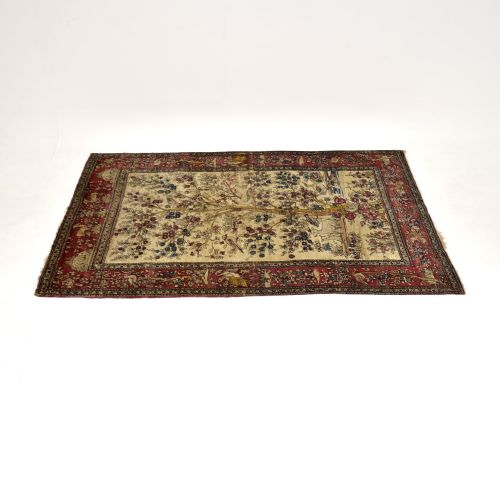

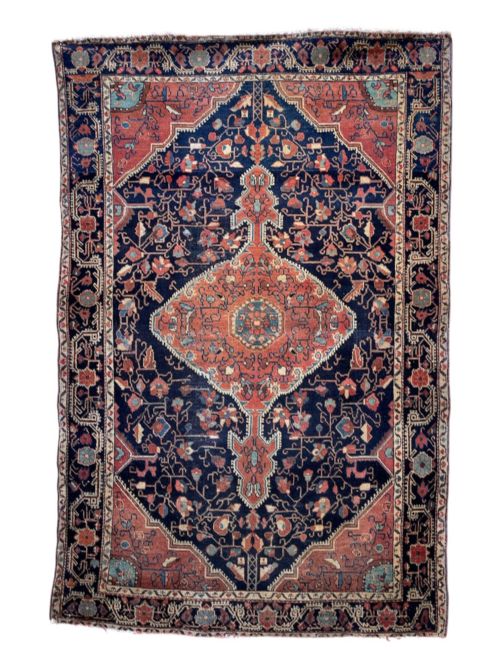
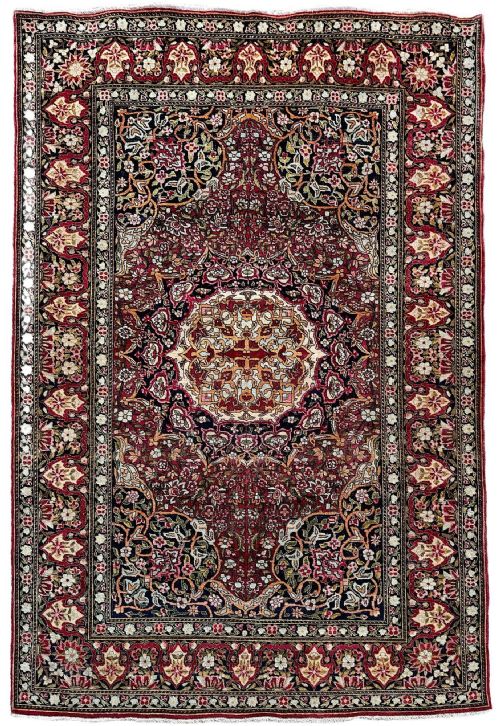
Traditional Red Wool Carpet
A traditional red wool carpet brings warmth and deep pattern to a room, drawing on decades or centuries of nomadic and village weaving traditions.
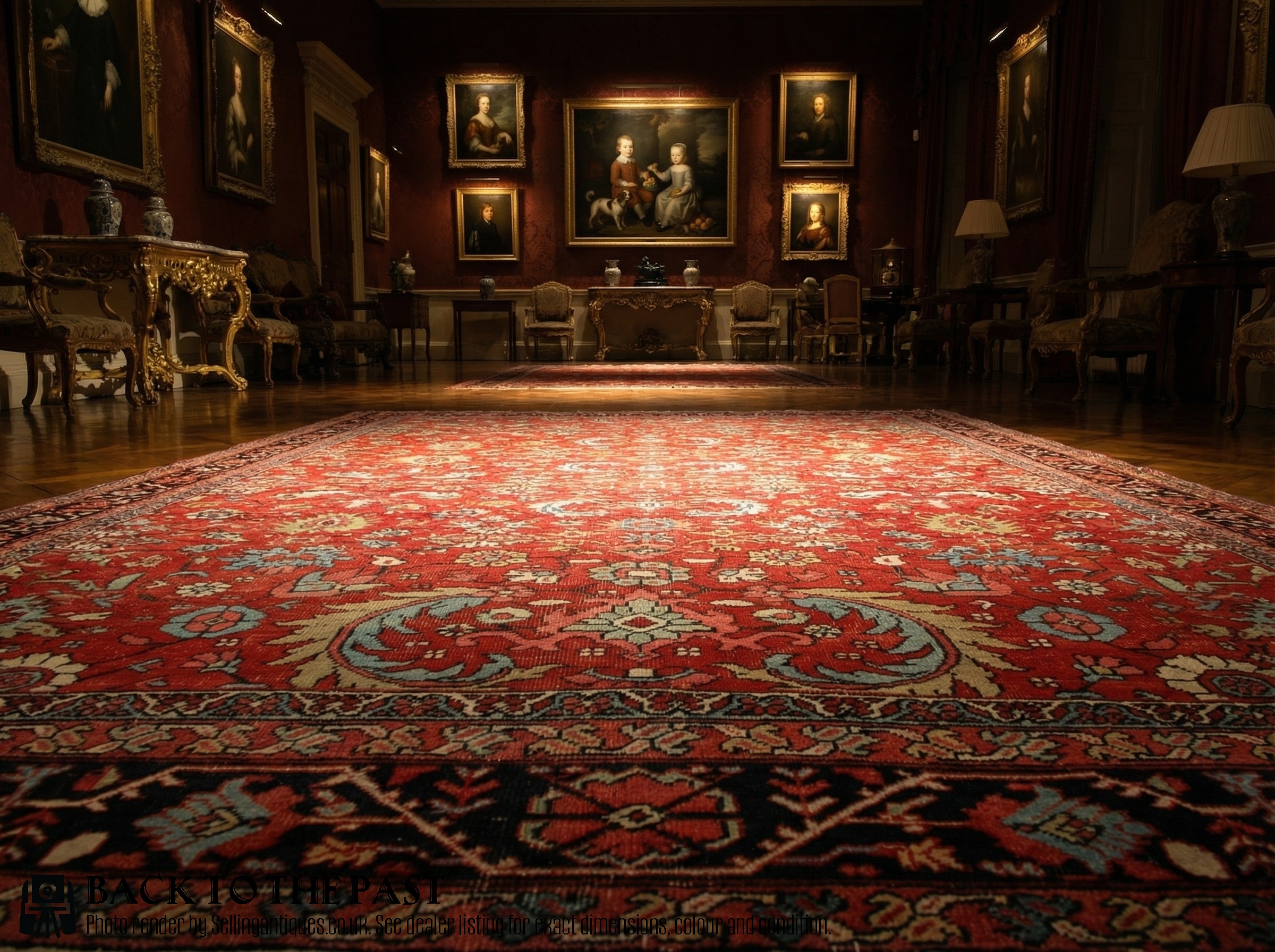
Traditional Red Wool Carpet
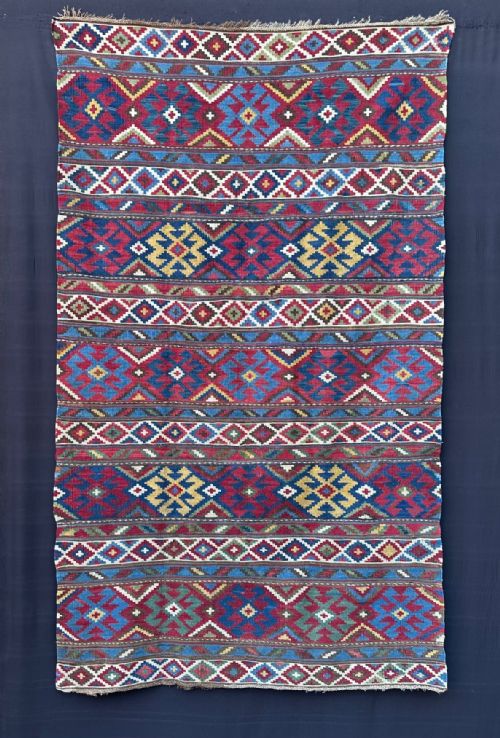
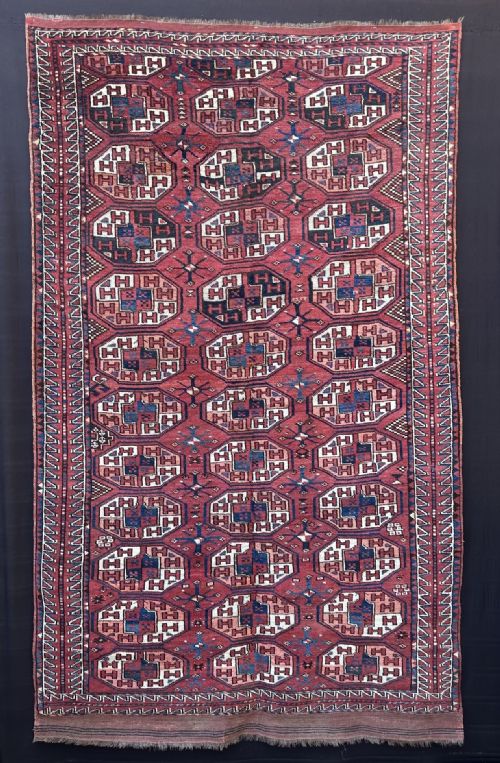
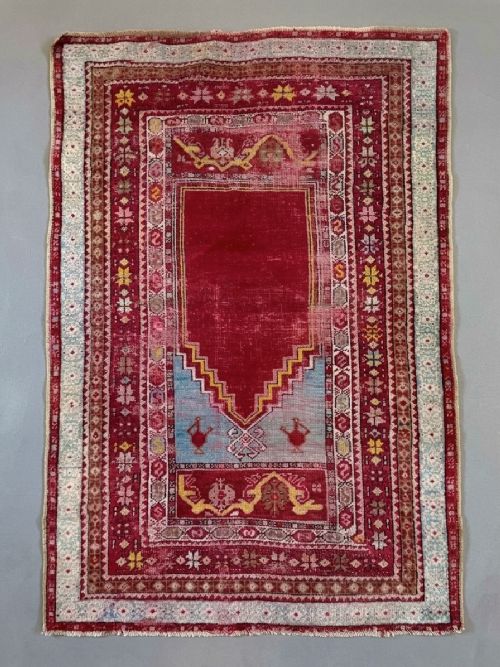
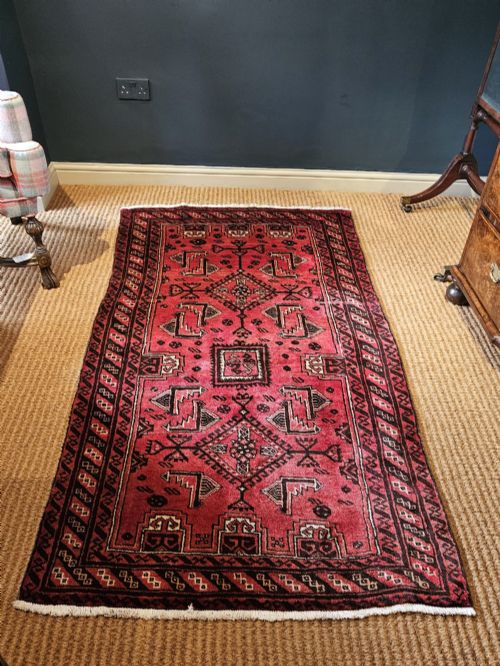
When searching for a traditional red wool carpet, buyers encounter hand-knotted room-sized carpets, runners, and smaller prayer rugs originating from Persia, the Caucasus, Anatolia, and Turkmenistan. These pieces span production from the late nineteenth century into the twentieth century, reflecting distinct regional designs and tribal aesthetics.
The most common examples on this page are Persian village and tribal carpets alongside Caucasian and Turkmen pieces. They typically display deep madder red grounds paired with contrasting wool details in indigo, ivory, and brown.
Makers ranged from village households and nomadic tribes working on portable upright looms to urban workshops in centres like Isfahan, Kashan, and Bidjar. Each region employed specific geometric or floral motifs that signal the origin of the weaving.
Materials and Technique
Weavers constructed these carpets predominantly using sheep wool for the pile, warp, and weft, occasionally incorporating cotton foundations or silk highlights. The wool utilised ranges from hand-spun local fleeces to finer commercial yarns, yielding varying pile heights and textures across different regions.
Dyers relied heavily on natural dyes to achieve the characteristic rich red tones, alongside plant and mineral extracts for secondary hues. Artisans tied individual knots by hand onto cotton or wool warp threads before securing the rows with sturdy wool wefts.
Listings span the late nineteenth century through to the 1930s, featuring wool, cotton, silk, and natural dyes across Persian, Caucasian, and Anatolian styles.
Assessing Quality
Quality in these carpets rests upon knot density, the precision of the tribal or floral drawing, and the stability of the materials. Finer urban rugs achieve intricate curves and detailed medallion layouts through tightly packed knots.
Village and nomadic pieces derive their appeal from the expressive freedom of the design, the depth and saturation of the red wool, and the integrity of the original wool borders.
The Traditional Red Wool Carpet Glossary
- Madder
- A natural dye derived from the root of the madder plant, producing the characteristic deep reds seen in traditional carpets. It creates rich, warm tones that age gracefully over time.
- Warp
- The stationary vertical threads stretched upon a loom before weaving begins. The pile knots are tied around these foundational threads.
- Weft
- The horizontal threads passed alternately over and under the warp threads to bind the knots in place. Tight wefting contributes to a rug's structural durability.
- Pile
- The upright cut or looped yarn surface of a carpet that forms the visible and tactile design. It is shorn to an even height after weaving.
Traditional Red Wool Carpet: Frequently Asked Questions
Where were these carpets made?
These carpets originate from regions across Persia, the Caucasus, Anatolia, and Turkmenistan. They represent both nomadic tribal workshops and established village weaving centres.
Production methods varied from isolated mountain communities to urban ateliers, each utilising distinct local wool sources and regional colour palettes.
How do I care for an old wool carpet?
Regular gentle vacuuming without a rotating brush helps prevent dust accumulation in the wool pile. Professional cleaning suited to antique textiles preserves the natural lanolin in the wool.
Keeping the carpet out of direct, harsh sunlight prevents the natural red dyes from fading unevenly over the years.
What is the difference between a village rug and a tribal rug?
Village rugs are typically woven by settled communities in fixed locations, often displaying structured geometric formats or recurring floral patterns. They reflect community traditions shared across households.
Tribal rugs come from nomadic or semi-nomadic groups whose designs are passed down orally. These pieces frequently feature spontaneous shifts in pattern and deeply personal tribal symbols.
How can I tell the age of a carpet?
Age is determined by examining the structure, materials, dye types, and regional weaving styles. Natural variations in hand-spun wool and early aniline dye usage help narrow down the period.
Edge finishes, wear patterns, and the complexity of the motifs also provide reliable clues to whether a piece dates to the nineteenth or early twentieth century.