





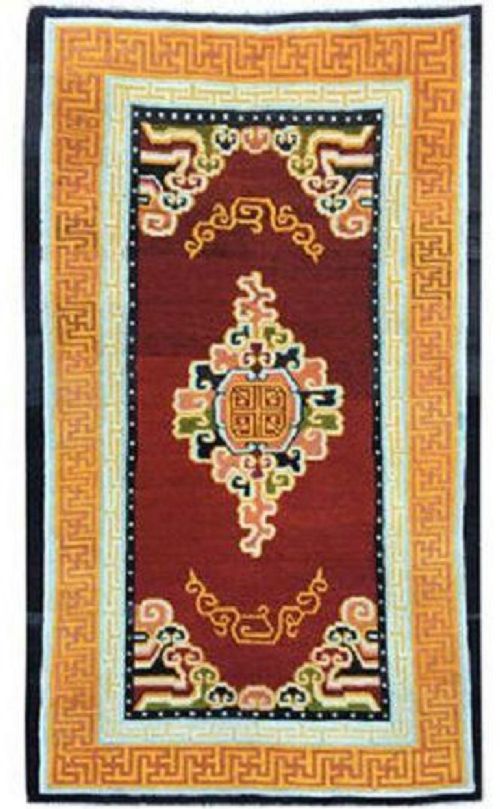
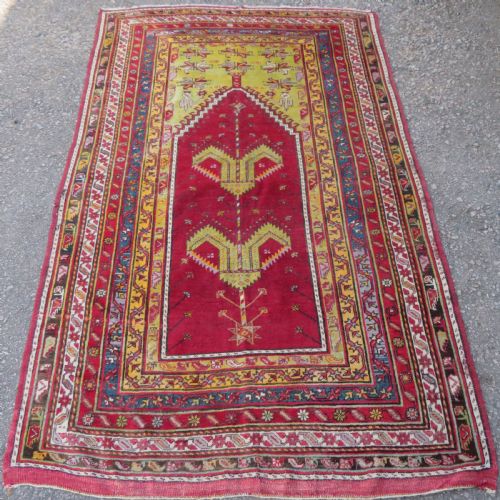
Traditional Red Runner
Traditional red runner floor coverings bring warmth and history to hallways, spanning Persian, Caucasian and Anatolian traditions from the nineteenth and twentieth centuries.
Traditional Red Runner
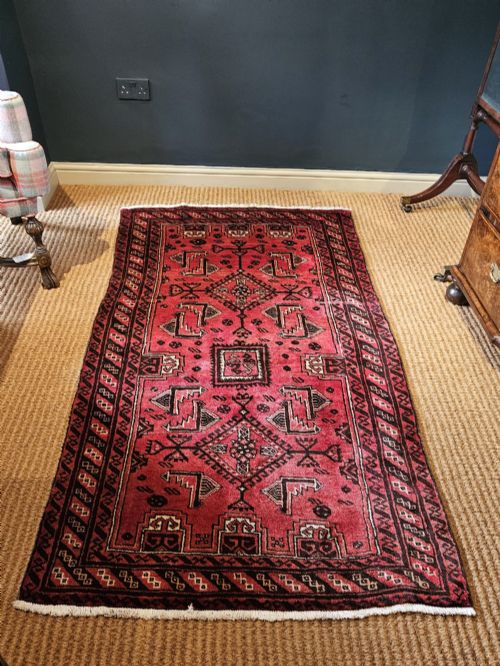
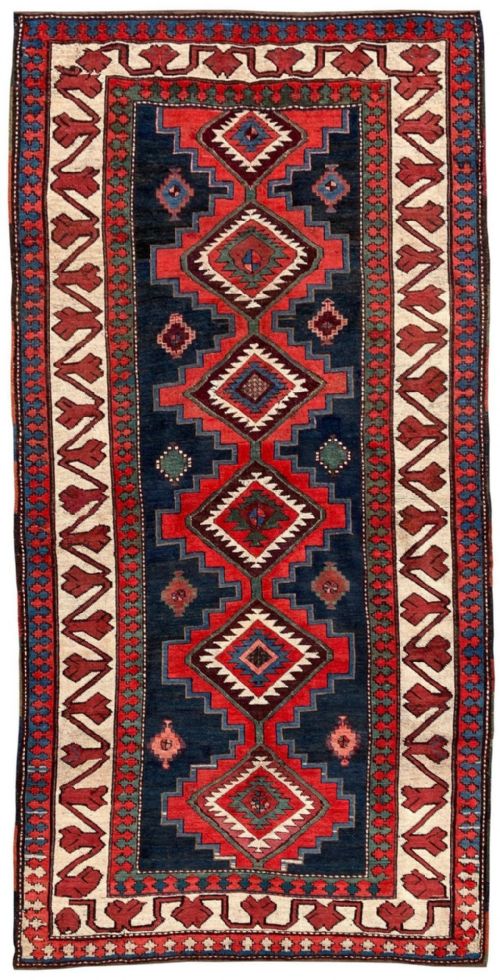
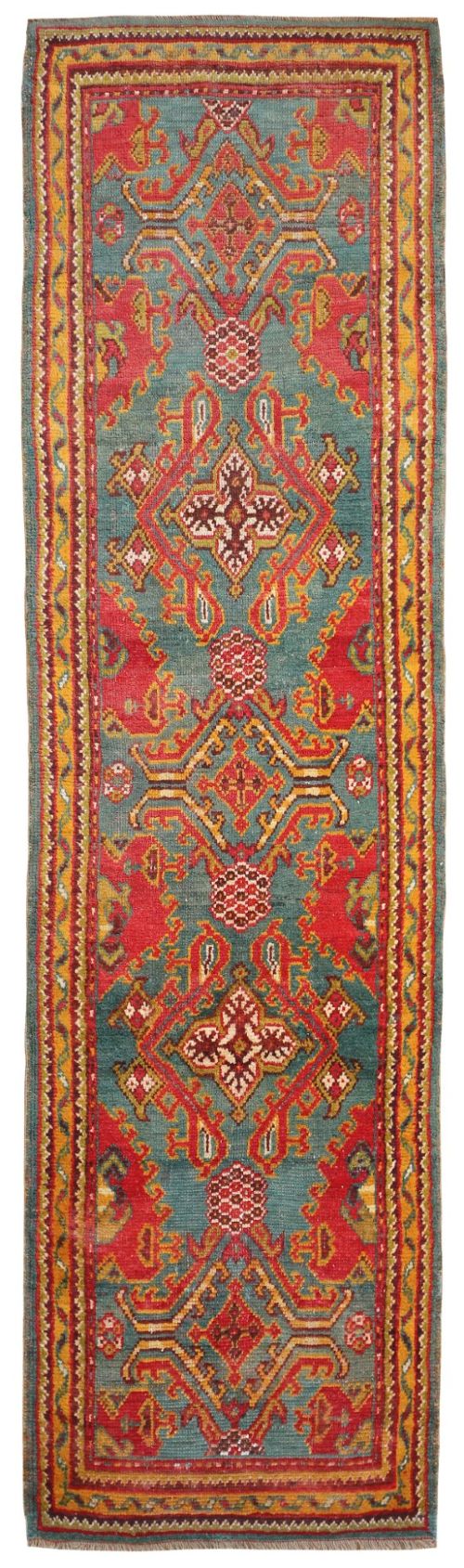
A traditional red runner takes the form of an elongated narrow carpet designed specifically for corridors, hallways and landings. These textiles emerge from diverse weaving centres across Persia, the Caucasus, Anatolia and Central Asia, incorporating tribal and village designs.
The pieces available on this page date primarily from the late nineteenth century through to the 1930s. Buyers encounter formats ranging from shorter village rugs to extensive hallway runners exceeding three metres in length.
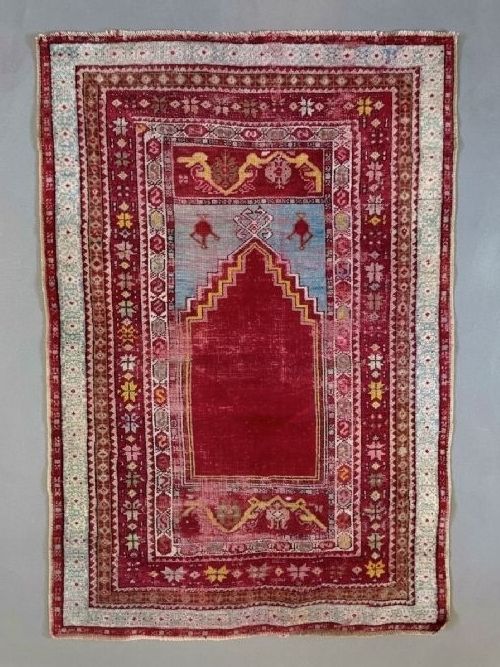
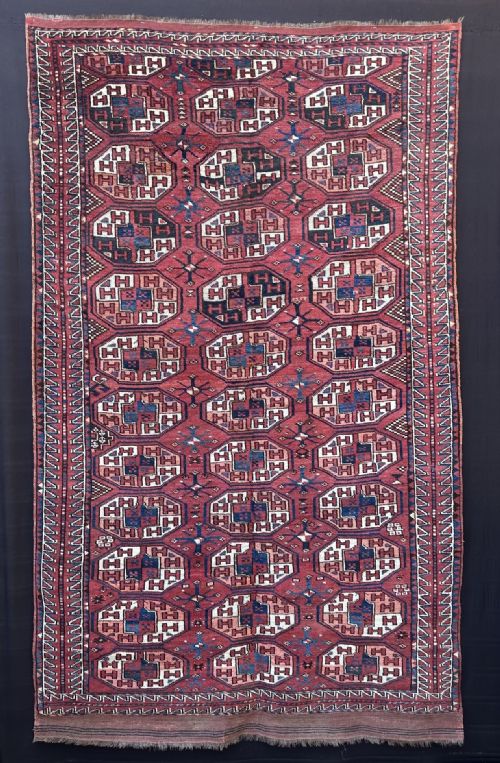
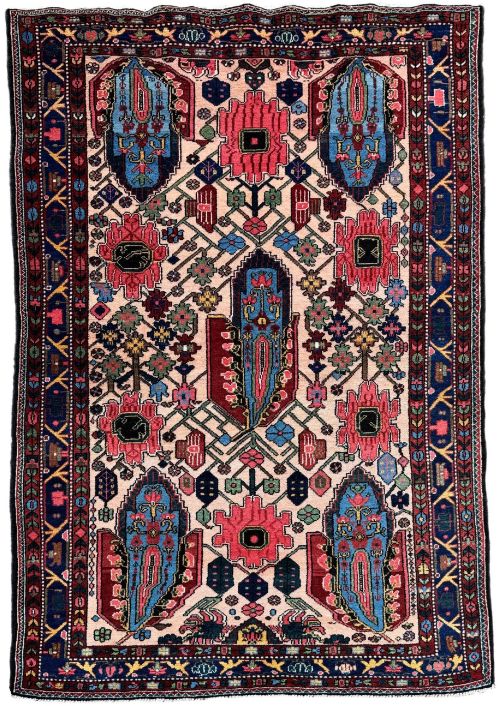
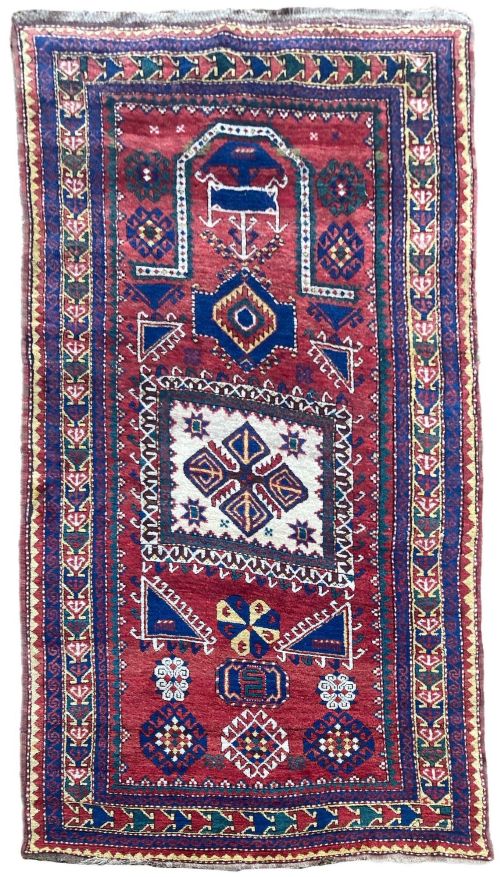
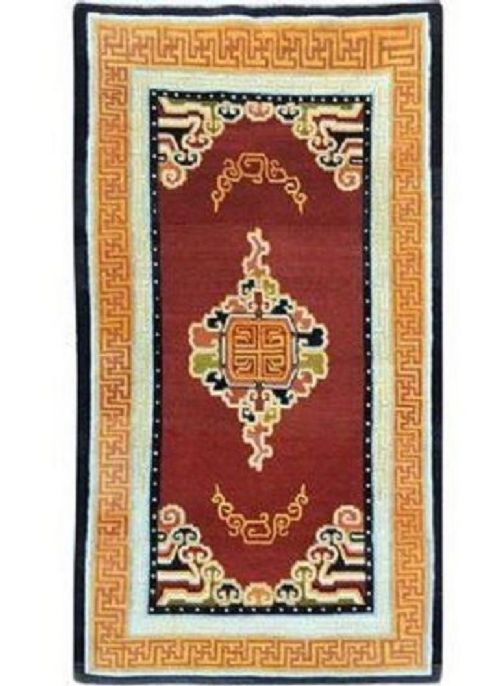
Makers utilised distinct regional patterns, including geometric medallions, all-over tribal motifs and prayer formats. The palette centres heavily on rich madder-dyed reds complemented by indigo and ivory accents.
Materials and construction methods
Weavers relied on wool and pure wool for the pile and foundation yarns, occasionally integrating cotton for structural warp and weft threads. Animal fibres provided the durability required for heavy traffic areas in homes.
Traditional workshops employed hand-knotting techniques alongside flatweave constructions depending on the regional origin. Natural dye sources yielded the characteristic deep red tones seen across Persian and Turkish examples.
Distinctions in quality and execution
Knot density and structural tightness dictate the fineness of a weave, separating everyday village utility pieces from workshop carpets produced with meticulous precision. Tighter foundations preserve intricate geometric and floral details over decades of use.
The depth and saturation of natural red dyes influence overall visual impact, with complex abrash tonal shifts indicating traditional dyeing methods. Preservation of original edge bindings and full pile length further distinguish superior examples from heavily worn specimens.
Kizyl Ayak Tribe·Baluch Tribe·Bakhtiar Rugs·Kazak Weavers·Kashgai Carpet
The Traditional Red Runner Glossary
- Runner
- A long, narrow carpet format traditionally used in corridors, hallways and staircases. These pieces balance length with restricted width to fit narrow architectural spaces.
- Abrash
- Natural variations in colour shading across a carpet caused by differences in dye batches or hand-spun wool. This subtle tonal shift indicates traditional dyeing processes.
- Kilim
- A flatweave textile produced without a pile by tightly interweaving warp and weft strands. These pieces offer a lighter weight structure compared to knotted carpets.
- Warp
- The vertical foundation threads stretched tightly on the loom before knotting begins. The visible fringe at either end of a rug consists of these extended warp threads.
Traditional Red Runner: Frequently Asked Questions
Where should I place a traditional red runner?
These narrow formats suit hallways, corridors and long landings where floor protection and visual warmth are required. Their elongated proportions guide movement through domestic spaces.
Ensure the dimensions match your floor area, allowing a border of exposed wood or tile on either side of the textile.
How do I care for an antique wool runner?
Vacuum gently using a suction-only attachment without rotating brush bars to protect delicate antique wool pile. Regular rotation distributes foot traffic evenly across the length of the piece.
Professional cleaning suited to historic textiles maintains the integrity of natural fibres and traditional dyestuffs.
What indicates the age of these runners?
Dating relies on wool preparation, natural dye palettes, structural wear patterns and traditional regional motifs. Nineteenth-century examples often display saturated madder reds and primitive tribal symbolism.
Twentieth-century pieces introduce wider stylistic variations and altered chemical dye formulations as trades evolved.
Are these runners suitable for heavy foot traffic?
Wool and pure wool construction provides natural resilience against regular household use in high-traffic corridors. Dense knotting absorbs pressure while maintaining structural stability over time.
Underlays prevent slipping and reduce friction between the rug backing and the floorboards beneath.