
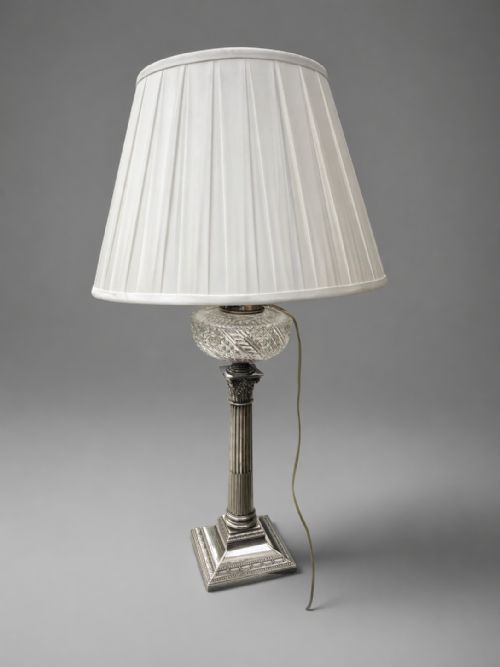
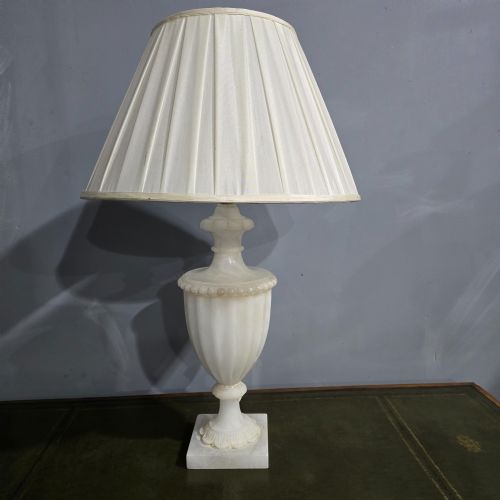


Traditional Pleated Shade Lamp
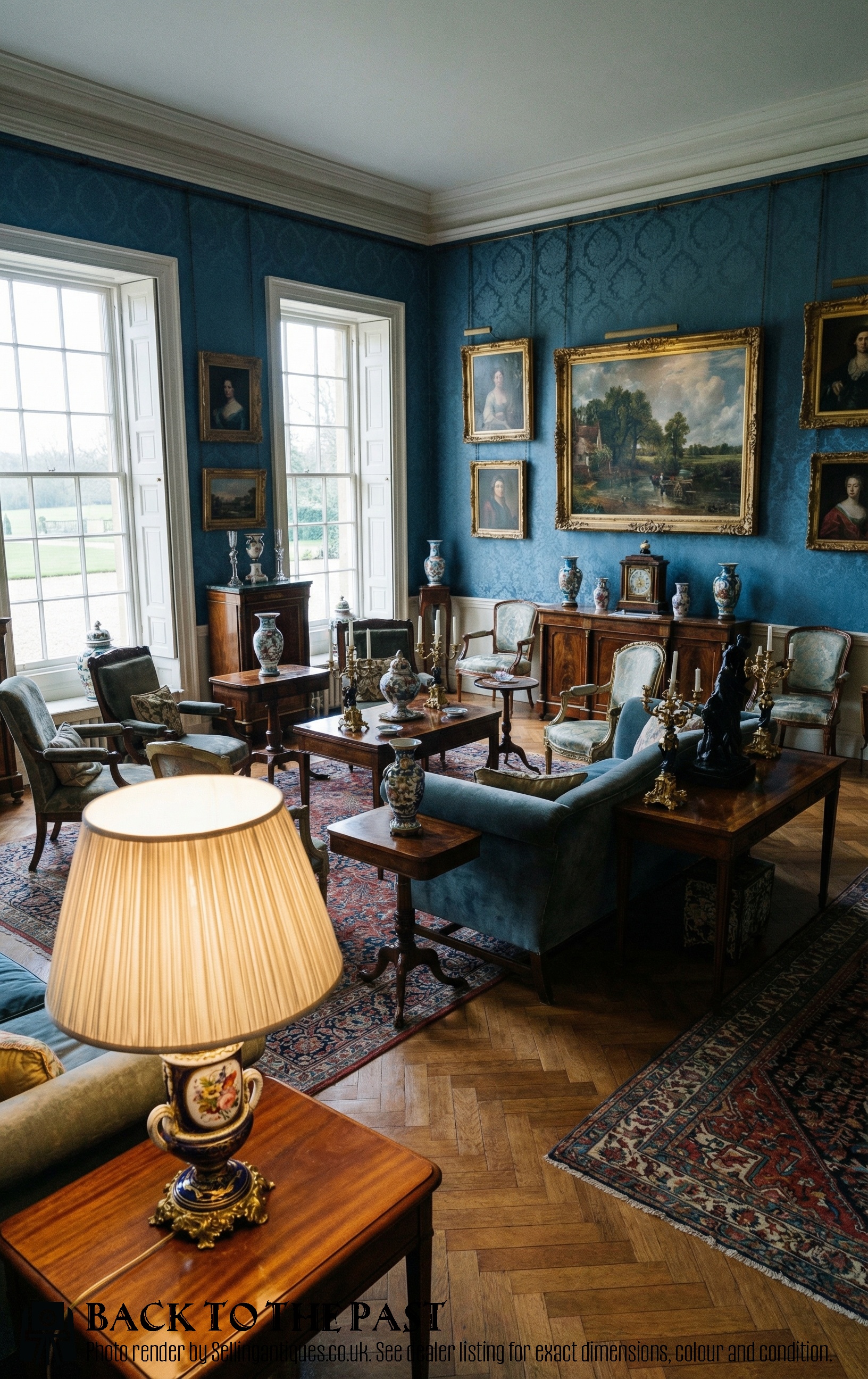
A traditional pleated shade lamp brings soft, diffused light and classical proportion to a room through fabric and form.
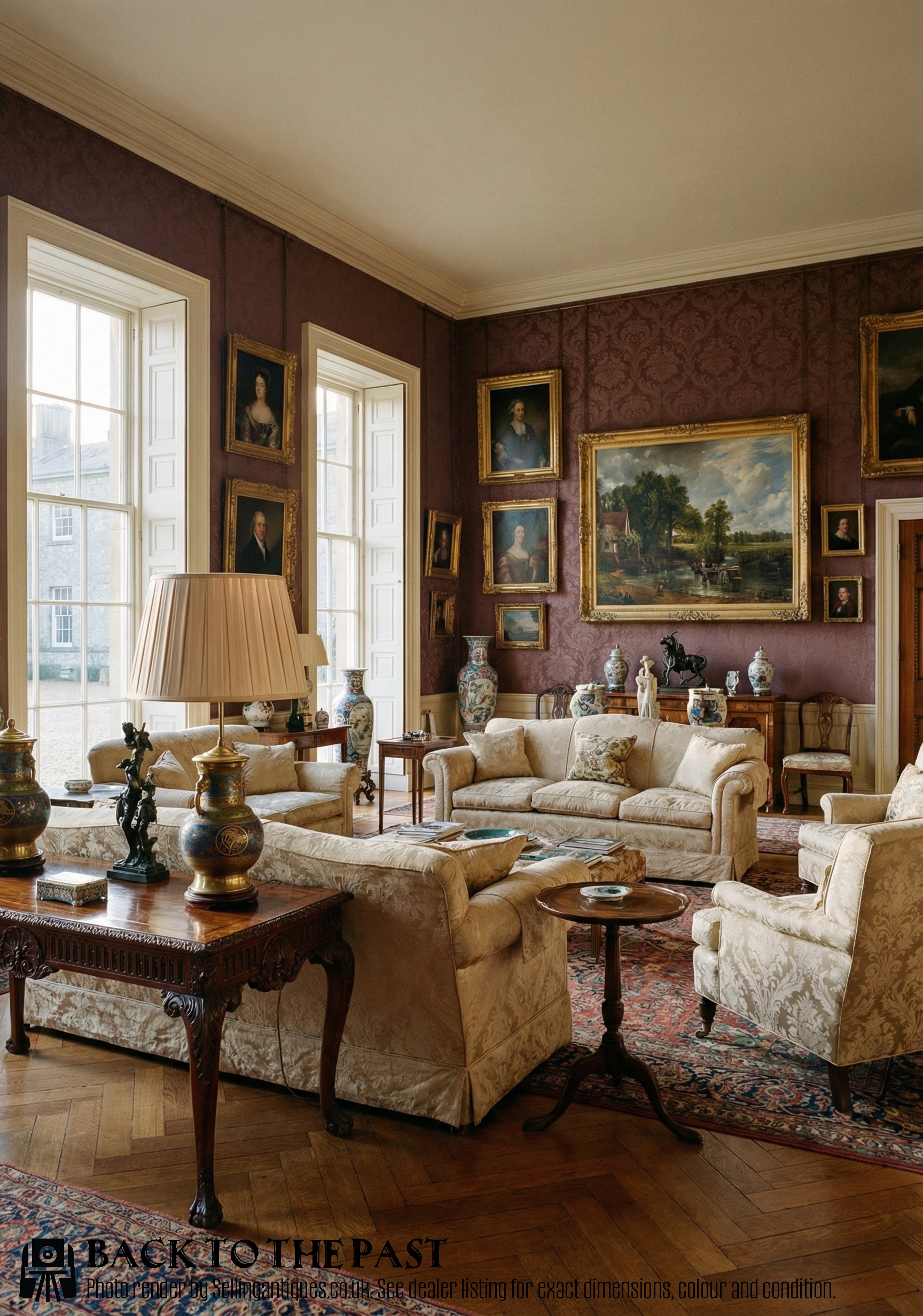
Traditional Pleated Shade Lamp
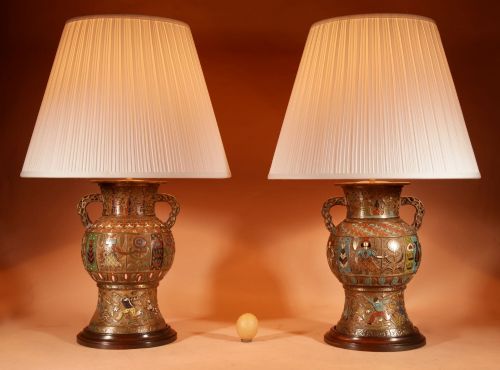
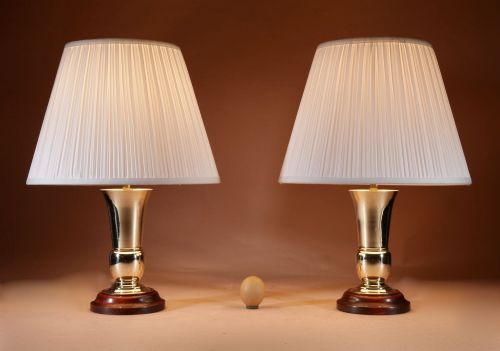
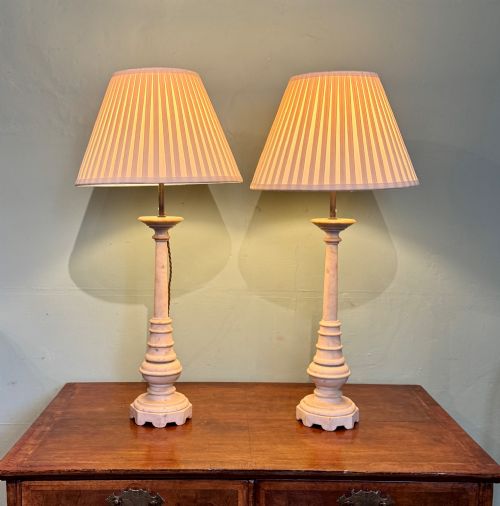
When searching for a traditional pleated shade lamp, buyers encounter lighting fixtures assembled from antique bases and classical columns. These pieces combine historic ceramic, metal, or carved wooden bodies with textured fabric diffusers.
The versions most commonly met on this page span the nineteenth and early twentieth centuries. They originate from British, continental European, and Asian workshops, often repurposing earlier vases or architectural elements into functional desk and table lighting.
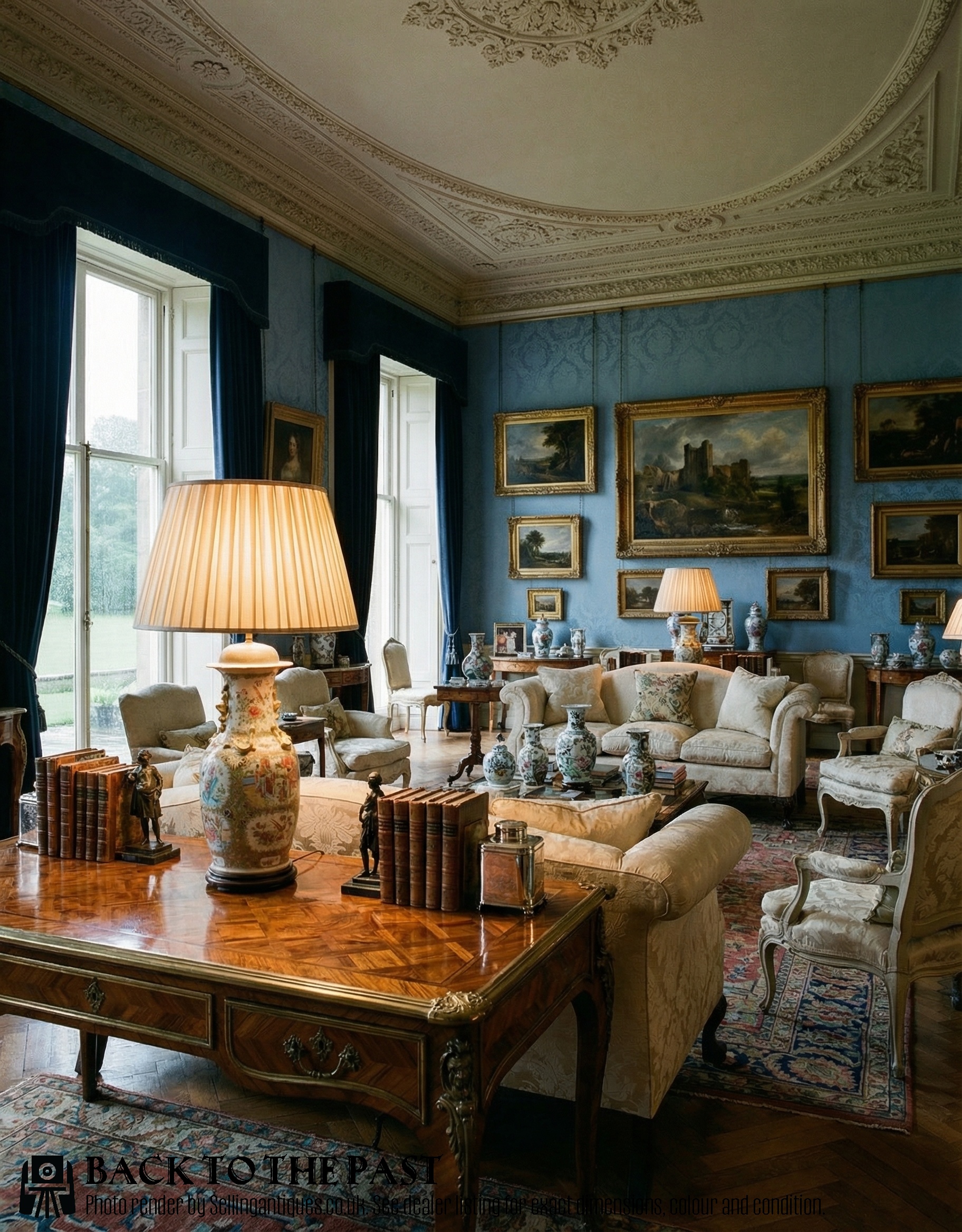
How they were made
Makers constructed these lighting pieces using cast brass, bronze, and silver plate alongside turned wood and carved alabaster. Ceramic bodies utilise porcelain and earthenware, incorporating hand-painted glazes, cloisonné enamel, and crackleware finishes.
Metal components undergo casting, chasing, and giltwood or ormolu finishing to achieve classical architectural details. Fabric shades pair with these rigid structures to soften illumination and balance heavy ceramic or metallic bases.
Traditional Pleated Shade Lamp Retail Price Guide 2026
Typical asking prices for traditional pleated shade lamp among the pieces listed under this phrase on Sellingantiques today, from the lower quarter to the upper quarter. They describe what is for sale here now, not the wider market.
What varies in quality
Quality rests upon the proportion between the supporting base and the shade, alongside the crispness of metal chasing and carving. Heavier materials like cast bronze and solid marble provide stability and indicate careful material selection.
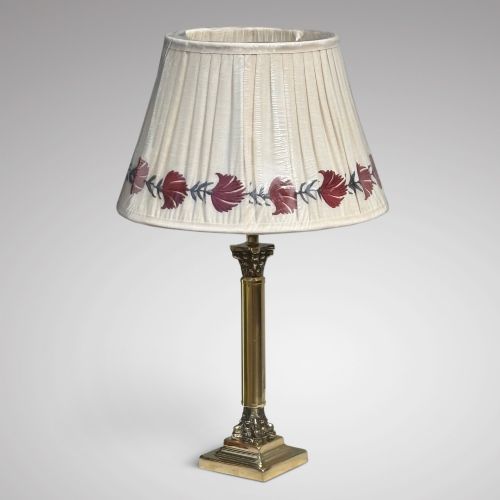
The integrity of the original body, whether a Chinese export vase or a Corinthian brass column, determines the standing of the piece. Fine hand-painted details and intact historic surfaces separate standard utility lighting from superior decorative examples.
The Traditional Pleated Shade Lamp Glossary
- Ormolu
- Gilded bronze utilised for decorative mounts and structural components on nineteenth-century lighting. This technique gives a rich gold-coloured surface finish.
- Corinthian column
- An architectural column style featuring ornate acanthus leaves on the capital, frequently adapted for metal table lamp bases. It provides a classical vertical rhythm.
- Cloisonne
- Enamelling work where metal wire creates small compartments on a vase or lamp base before coloured paste is applied. The surface is then fired and polished smooth.
- Famille rose
- A palette of Chinese ceramic glazes dominated by opaque pink enamel, seen on porcelain bodies converted into lamps. This style dates largely from the eighteenth and nineteenth centuries.
Traditional Pleated Shade Lamp: Frequently Asked Questions
How do I clean a fabric pleated shade?
Dust the pleats gently using a soft brush or a low-suction vacuum attachment to prevent dirt embedding in the fabric folds. Avoid using water or liquid cleaners unless recommended for the specific textile.
Keep shades away from direct heat sources and strong sunlight to prevent the fabric from becoming brittle or discoloured over time.
Are these lamps wired for modern sockets?
Most antique lamps are updated with modern wiring to meet current safety standards while retaining their historic exterior appearance. It remains wise to have a qualified electrician inspect older fixtures before regular use.
Rewiring preserves the structural integrity of the metal or ceramic body while ensuring the internal lamp holder matches contemporary bulb fittings.
How do I date a brass column lamp?
Examine the weight, casting seams, and patina of the metal to understand the manufacturing period. Finer nineteenth-century examples display sharp detailing on the capital and heavier brass bases.
Compare the construction methods of the internal threaded rod and baseplate with known manufacturing traits from Victorian or Edwardian periods.
Can I place these lamps on wooden furniture?
Ensure the base of the lamp sits evenly on a protected surface, utilising felt pads underneath heavy metal or ceramic plinths if necessary. This prevents scratching polished wood tables during placement and adjustment.
Consider the heat output of the bulb used within the shade to protect delicate table surfaces positioned directly underneath.