
Traditional Pine Trunk
A traditional pine trunk offers sturdy storage with character, taking forms from the Georgian, Victorian, and Regency periods.
Traditional Pine Trunk
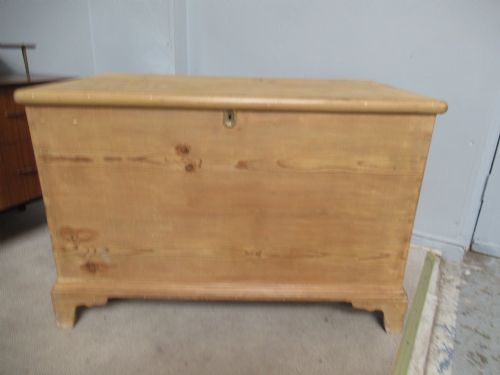
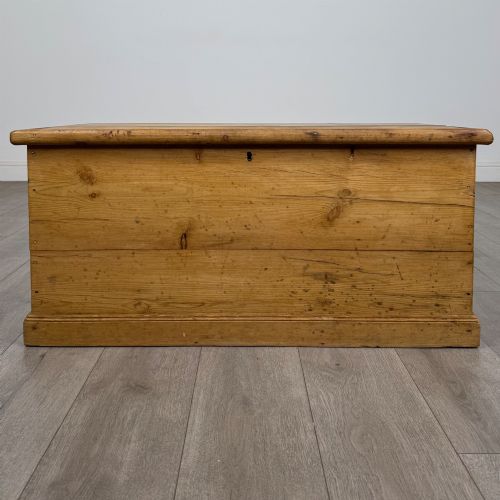
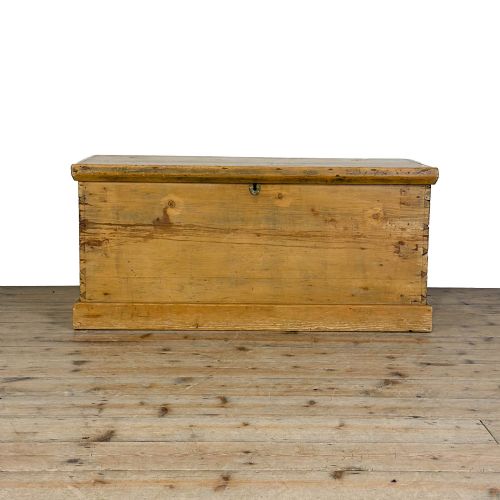
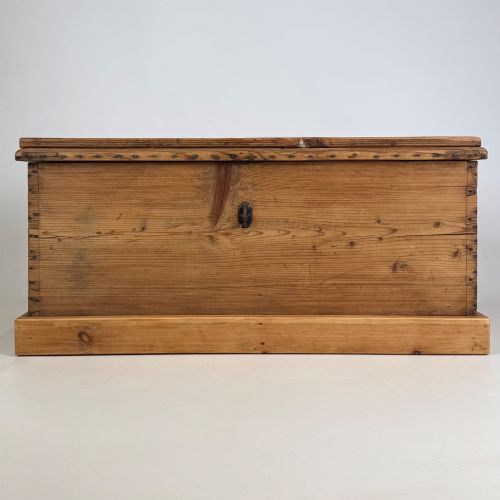
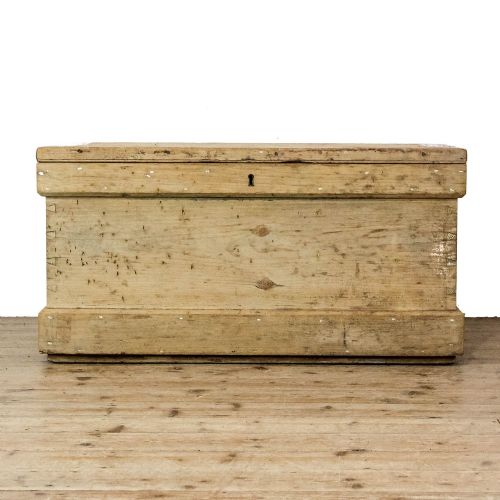
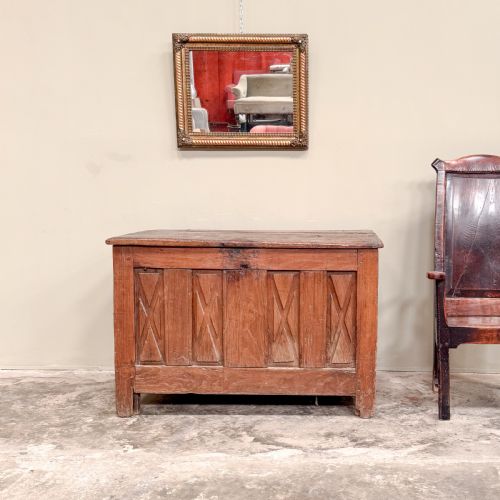
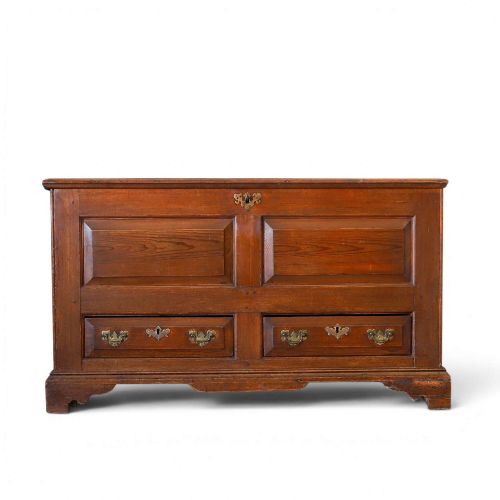
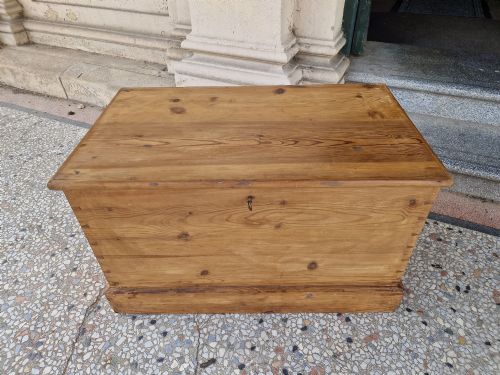
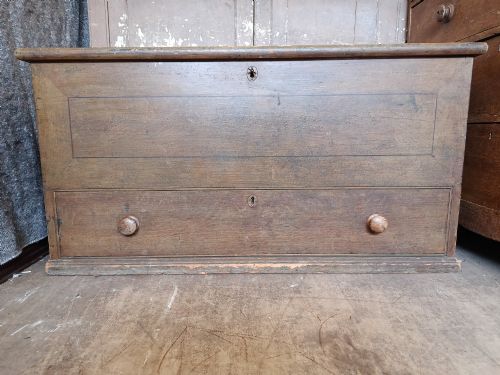
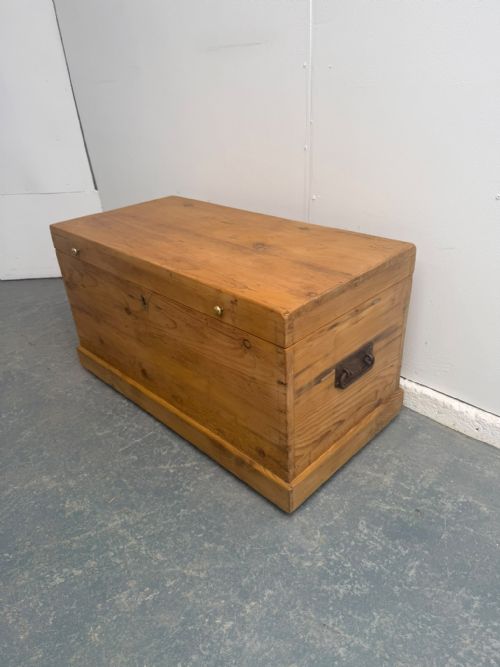
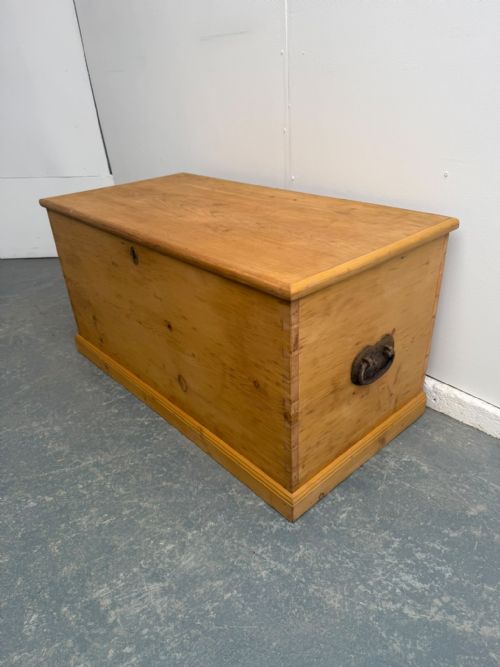
A traditional pine trunk serves as a practical storage chest or blanket box, appearing across Georgian, Regency, and Victorian periods. These pieces frequently manifest as mule chests with drawers, marriage chests, or simple lidded boxes.
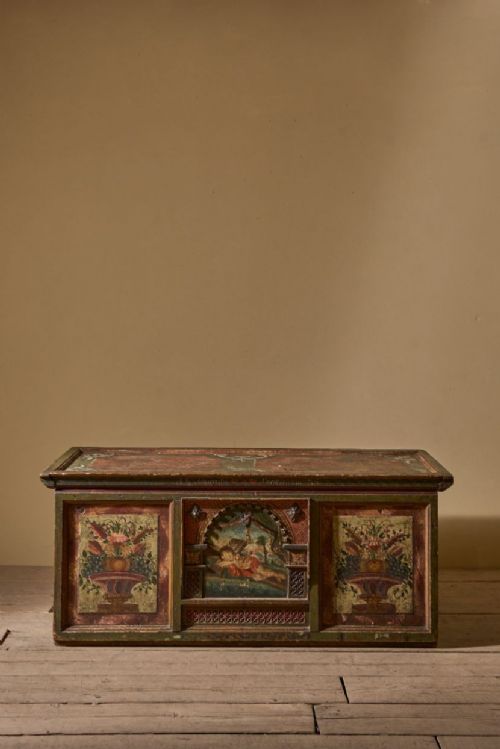
The selection ranges from British blanket boxes and Welsh chests to continental European examples from France, Spain, Hungary, and Scandinavia. Regional variations bring distinct regional forms, including shaped boxes on stands and floral painted surfaces.
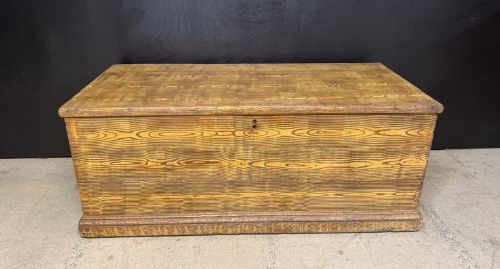
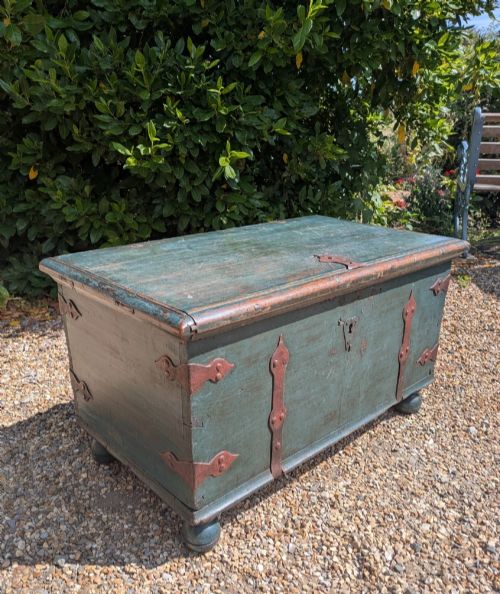
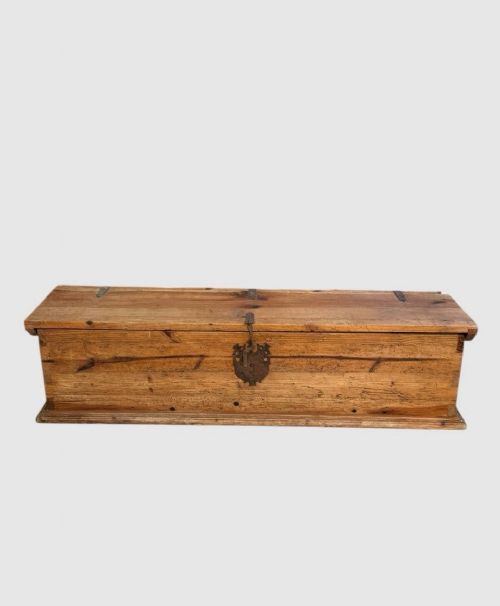
Plain waxed finishes sit alongside original painted decoration, scumble glaze, and hand-forged iron strapwork. Buyers encounter both robust tool chests and decorative domestic coffers designed for linen or household goods.
How they were made
Carpenters constructed these boxes primarily in pine and Oregon pine, occasionally incorporating oak or structural iron. Hand-forged iron strapwork and brass fittings reinforce lids, corners, and hinges for daily utility.
Surfaces receive either a simple wax finish to highlight the timber grain or layers of pigment and paint. Continental pieces from Sweden and Hungary often display hand-painted floral motifs and scumble glaze techniques directly onto the wood.
The inventory spans British, French, Spanish, Hungarian, and Scandinavian regional styles and forms.
What varies in quality
The integrity of the original surface finish separates standard examples from superior ones. Trunks retaining genuine early paintwork or untouched waxed patination hold greater distinction than stripped or modernly refinished surfaces.
Construction detail dictates the grade, seen in dovetail joints, hand-forged iron strapwork, and the inclusion of internal drawers. Regional decorative elements, such as Moorish style decoration or intricate Swedish shaped woodwork, elevate the execution.
The Traditional Pine Trunk Glossary
- Mule chest
- A storage chest featuring one or more drawers beneath the main lidded compartment. This form bridges the traditional coffer and the chest of drawers.
- Scumble
- A decorative painting technique where a translucent glaze is dragged or brushed over a base colour to simulate wood grain or texture. It appears frequently on nineteenth-century country pieces.
- Strapwork
- Metal bands or hinges applied across the exterior of a trunk to reinforce joints and corners. Hand-forged iron strapwork provides structural strength alongside visual contrast.
- Coffer
- A heavy wooden box traditionally used for storing valuables or textiles. These pieces often feature hinged lids and robust board construction.
- Marriage chest
- A celebratory trunk commissioned or decorated for a wedding, often bearing dates, initials, or floral painted motifs. Alpine and Scandinavian examples frequently showcase this tradition.
Traditional Pine Trunk: Frequently Asked Questions
What is a traditional pine trunk used for?
These boxes function as practical storage for blankets, linen, and household items while adding rustic character to modern rooms. Their sturdy lids allow them to double as occasional surface tables or bench seating.
Historically, they stored dowries, clothing, and tools in domestic and workshop settings across Europe and Britain.
How do I date an antique pine trunk?
Dating relies on construction methods, hardware style, and surface finish observed across Georgian, Regency, and Victorian examples. Hand-forged ironwork and early dovetailing point to eighteenth and early nineteenth-century origins.
Paint pigments, decorative motifs, and regional cabinet-making traits further clarify the period of production.
Are painted pine trunks original?
Many continental European and Scandinavian pieces retain their original folk art pigments, floral decorations, and scumble glazes from the eighteenth and nineteenth centuries. Careful inspection reveals how paint ages alongside the underlying timber.
British examples more commonly display waxed pine surfaces, though painted marriage chests do occur.
How should I care for a waxed pine trunk?
Maintenance requires occasional application of traditional beeswax to nourish the timber and preserve the historic patination. Direct sunlight and sudden temperature changes should be avoided to prevent wood movement.
Interior spaces benefit from gentle dusting without harsh chemical polishes.