



Traditional Pine Bedroom Cupboard
These traditional pine bedroom cupboard options offer utilitarian storage and rural charm, spanning Georgian, Victorian and early twentieth-century periods in solid timber.
Traditional Pine Bedroom Cupboard
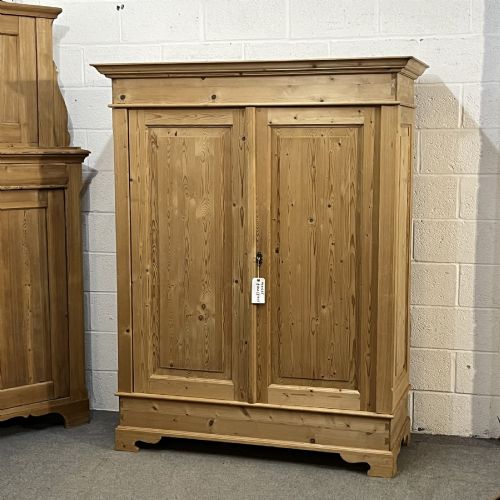
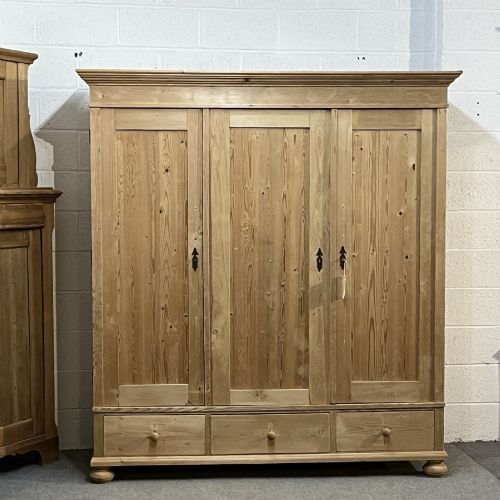
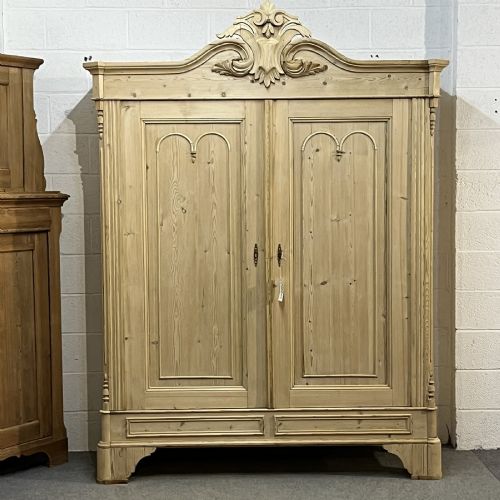
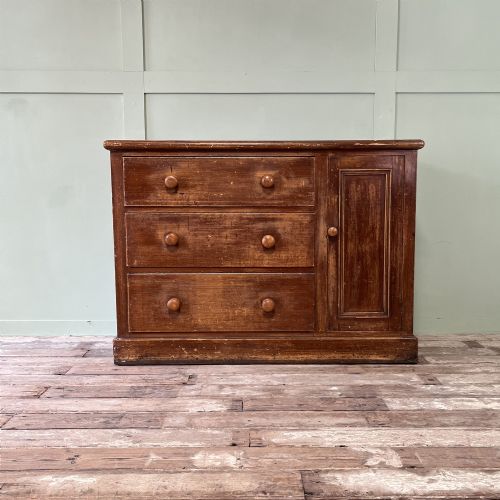
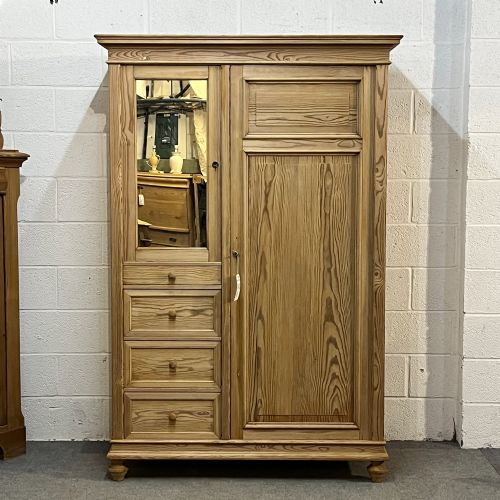
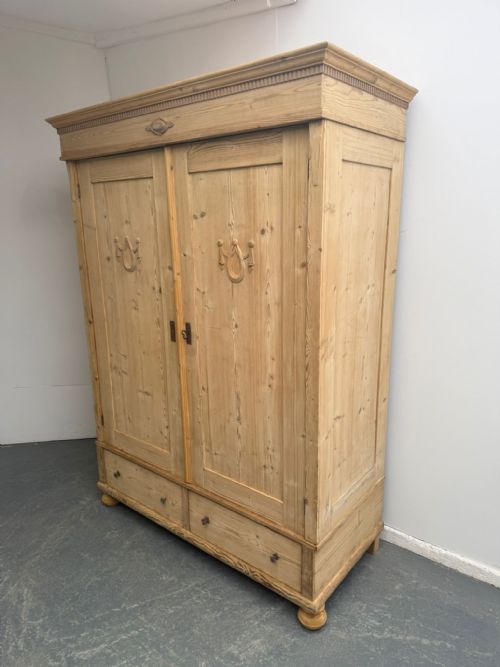
A traditional pine bedroom cupboard typically takes the form of a wardrobe, compactum, linen press or housekeeper cupboard built to serve domestic storage needs in various rooms. These pieces originate across the Georgian, Victorian, and early twentieth-century periods, reflecting the enduring utility of softwood furniture in British homes.
Buyers browsing this selection encounter numerous knockdown wardrobes with two doors, alongside smaller cupboards and multi-piece configurations. The inventory leans heavily towards Victorian and Georgian country pieces, alongside examples from the nineteen-tens, twenties and thirties.
Distinctions in quality and execution
The sophistication of the joinery and the original integrity of the timber distinguish superior examples from standard utility pieces. Proportion matters significantly, particularly in how lower drawers integrate with the main cupboard or wardrobe structure.
Subtle details such as panel thickness, original hardware survival, and the quality of the timber grain elevate specific pieces. The presence of knockdown engineering executed with precision carpentry marks a higher grade of construction.
Traditional Pine Bedroom Cupboard Retail Price Guide 2026
Typical asking prices for traditional pine bedroom cupboard among the pieces listed under this phrase on Sellingantiques today, from the lower quarter to the upper quarter. They describe what is for sale here now, not the wider market.
The Traditional Pine Bedroom Cupboard Glossary
- Knockdown wardrobe
- A large wardrobe designed to dismantle into manageable sections using internal bolts or pegs. This ingenious construction allowed bulky furniture to move easily between rooms and floors.
- Linen press
- A tall cupboard featuring sliding trays or shelves in the upper section and multiple drawers below. Originally built for storing household linens flat to prevent creases.
- Compactum
- A fitted wardrobe combining hanging space, shelving and drawers within a single carcass. This versatile piece maximises storage efficiency in smaller bedroom footprints.
- Stripped pine
- Timber that has been chemically or mechanically cleared of later paint layers to reveal the natural grain underneath. This finish became popular for achieving a rustic aesthetic.
Traditional Pine Bedroom Cupboard: Frequently Asked Questions
How do I assemble a knockdown wardrobe?
Knockdown wardrobes dismantle into flat sections of sides, top, base and doors that slot or bolt together. Most rely on internal wooden pegs, metal brackets or threaded bolts to secure the frame without permanent glue.
Having two people for assembly ensures the heavy pine panels align correctly before tightening any structural fixings.
What is the difference between a linen press and a wardrobe?
A wardrobe provides vertical hanging space for garments on rails or coat hooks inside the main doors. A linen press dedicates its upper interior to horizontal sliding trays or fixed shelves for folded textiles.
Both forms typically include external drawers at the base, but their primary internal configuration dictates their original domestic purpose.
Should I wax or paint my pine cupboard?
Many traditional pieces survive in bare stripped pine or retain traces of older paint finishes ready for custom treatment. Waxing nourishes the softwood and deepens the natural amber tone of ageing pine over decades of use.
Applying a painted finish follows a long historical precedent of country house furniture where utilitarian softwood received protective coats of colour.
How do I date a antique pine cupboard?
Dating relies on construction clues such as dovetail joint precision, backboard thickness, and the presence of handmade versus machine-cut nails. Georgian pieces often display finer proportions and hand-planed surfaces.
Victorian and early twentieth-century examples tend to feature heavier cornices, standardised ironmongery, and sometimes mirrored doors on compactum models.