
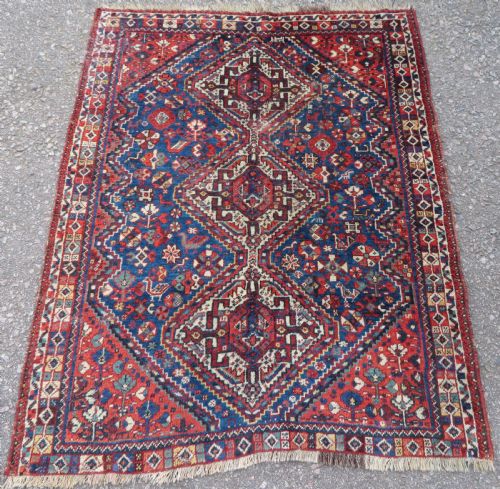
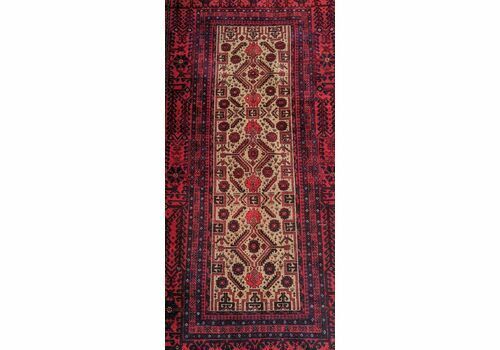
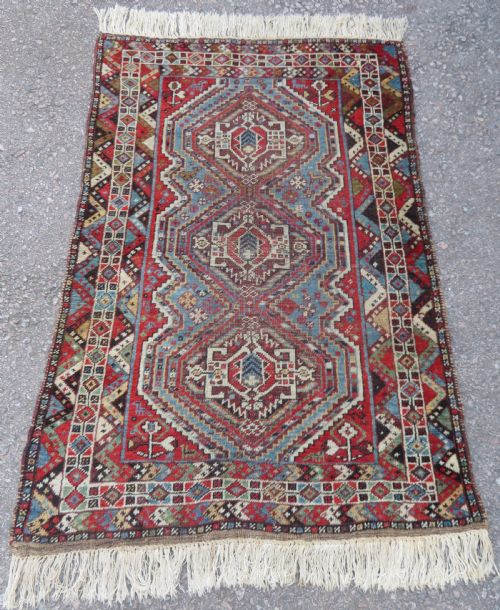
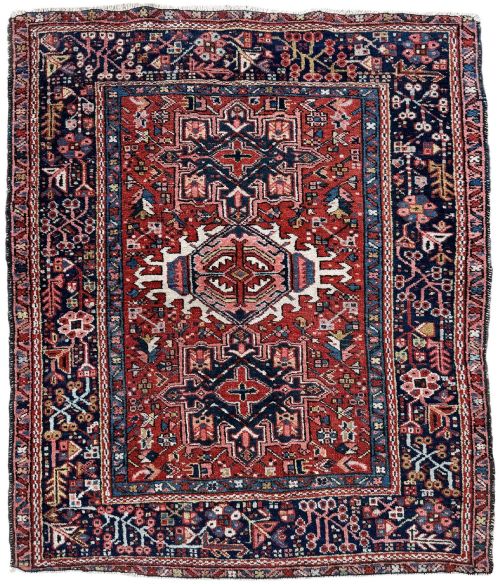
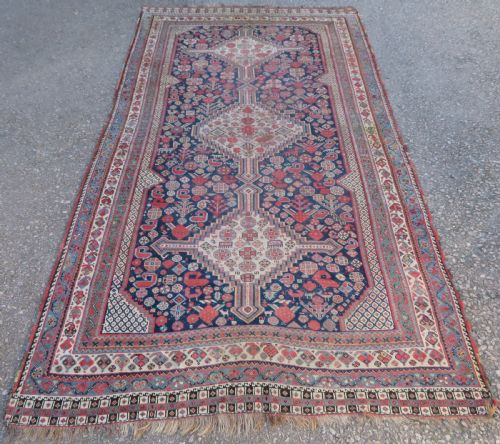
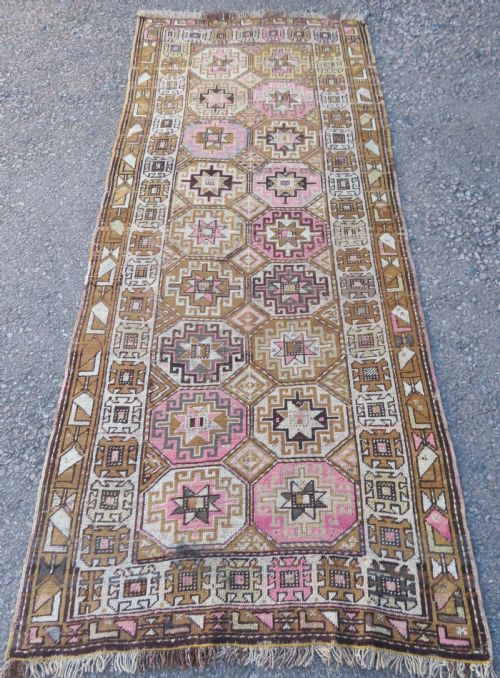
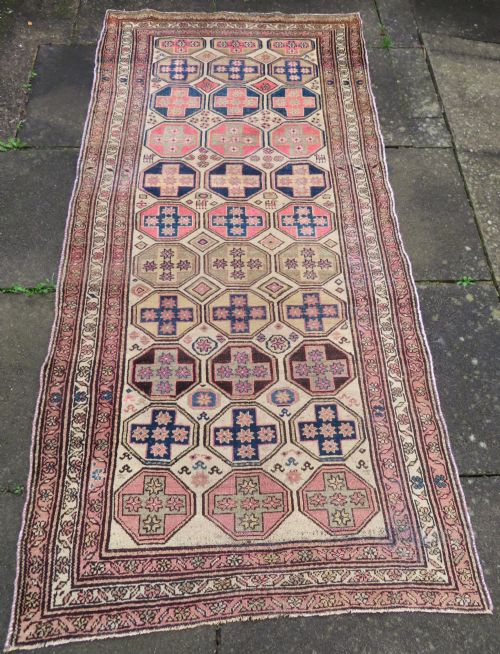


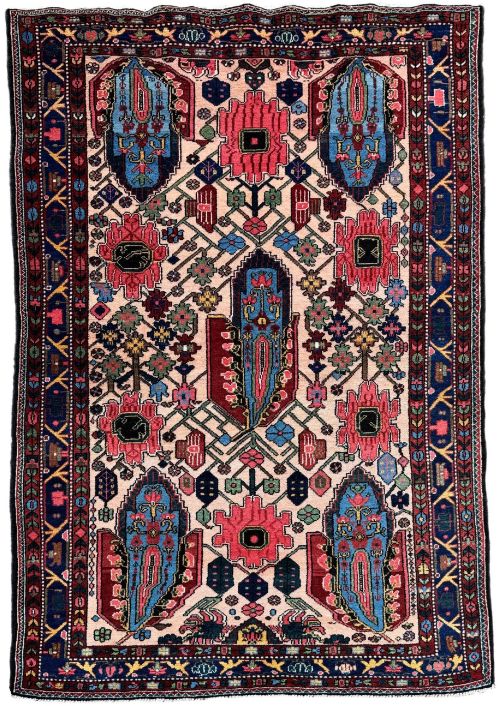
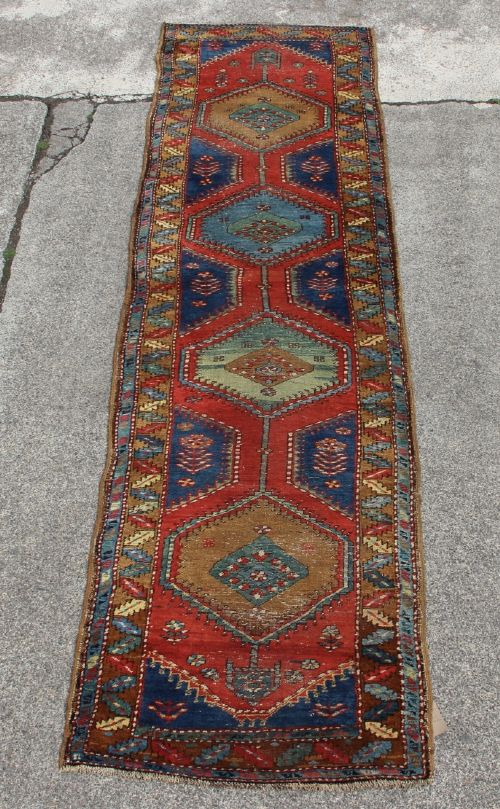

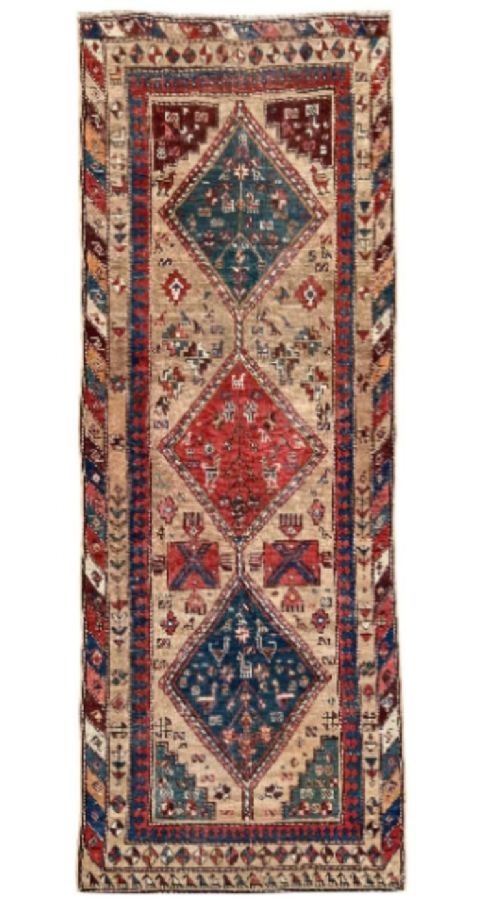
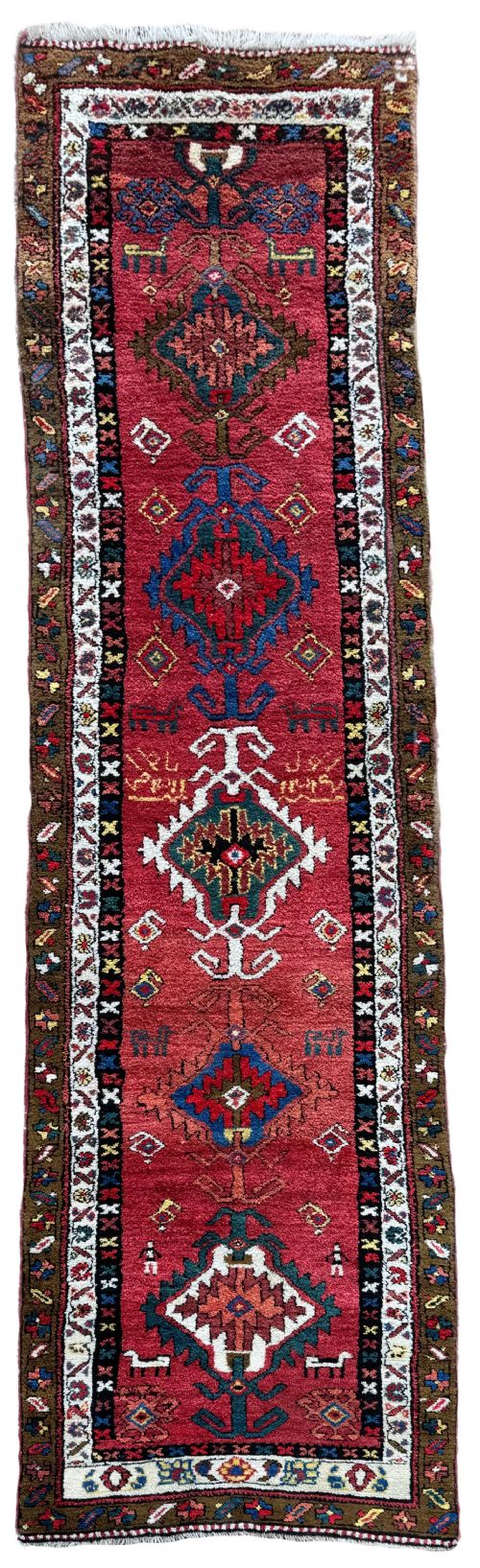
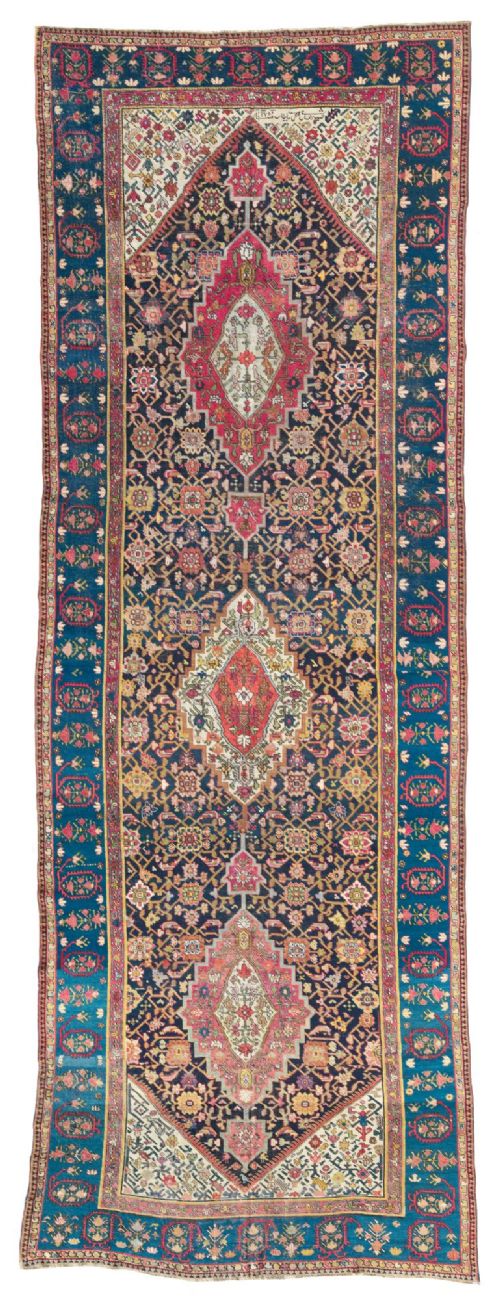
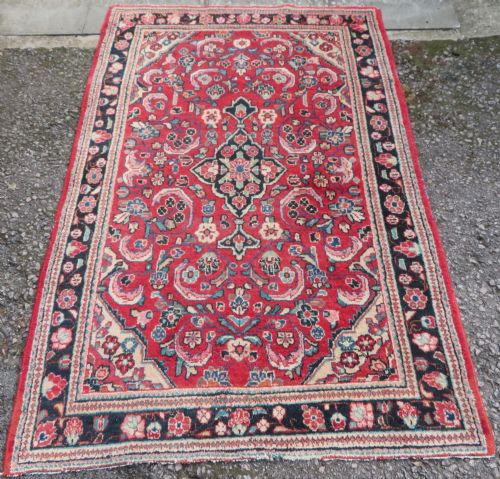
Traditional Persian Runner Carpet
These long woven floor coverings bring distinct geometry and rich heritage into narrow spaces, providing durability and warmth along corridors.
Traditional Persian Runner Carpet
A traditional persian runner carpet spans narrow domestic areas such as hallways, corridors and landings, fulfilling a practical requirement for floor protection in high-traffic zones. These elongated formats originate from weaving traditions across various regions and tribal confederacies.
The selection here encompasses pieces dating from the nineteenth century through to the mid-twentieth century. Forms include specific village and tribal productions alongside city workshop carpets adapted to runner dimensions.
Buyers encounter distinct regional aesthetics ranging from geometric tribal patterns to curvilinear medallion designs. Materials span standard wool to hand-spun variations, camel hair and silk.
Materials and construction
Weavers constructed these textiles primarily using wool pile knotted onto cotton or wool foundation warps and wefts. Pure wool and hand-spun wool provide resilience for long floor runners subjected to constant foot traffic.
Natural dyes impart the colour palette found across these pieces, yielding complex tones that age with character. Selected examples incorporate silk or camel hair to introduce texture and alternative tactile qualities.
One exceptional hallway runner extends to thirty-two feet in length, accommodating even the grandest architectural proportions.
Gradations in quality
Knot density and precision of execution dictate the refinement of the weave. Tighter knots allow for sharper definition within intricate medallion and lattice motifs.
The consistency of natural dye application and the quality of the initial fleece determine longevity and visual depth. Finer grades display superior wool preparation and structural integrity across the foundation.
Saroukh Mahal·Bakhtiar·Heriz·Bidjar·Tabriz
The Traditional Persian Runner Carpet Glossary
- Runner
- An elongated carpet format designed specifically for corridors, hallways and stairs.
- Pile
- The upright yarn surface of a carpet formed by individual knots tied to the foundation.
- Warp
- The vertical foundation threads stretched lengthwise on the loom before knotting begins.
- Weft
- The horizontal threads passed across the warp threads between rows of knots to secure the structure.
- Natural Dyes
- Colourants derived from plant, insect and mineral sources rather than synthetic chemical compounds.
Traditional Persian Runner Carpet: Frequently Asked Questions
Where do these long runners work best?
These narrow formats suit hallways, corridors and long landings where floor protection and visual warmth are required.
They bridge connecting spaces while withstanding continuous foot traffic.
How do I identify a tribal runner?
Tribal pieces display geometric motifs, stylized animals and repeating lattice designs rooted in nomadic weaving traditions.
Designs are typically drawn from memory rather than precise preparatory cartoons.
What materials make up the pile?
The pile consists predominantly of wool, including hand-spun variations that yield varied surface textures.
Selected finer pieces incorporate silk or camel hair for alternate visual weight.
How do I care for an old runner?
Routine gentle vacuuming without a beater bar removes surface dust and protects the wool pile.
Using an appropriate underlay prevents slippage and reduces friction against hard flooring.