




Traditional Hand Woven Runner
A traditional hand woven runner brings linear warmth to a hallway, offering durable wool and intricate regional patterns gathered from nineteenth and early twentieth century looms.
Traditional Hand Woven Runner
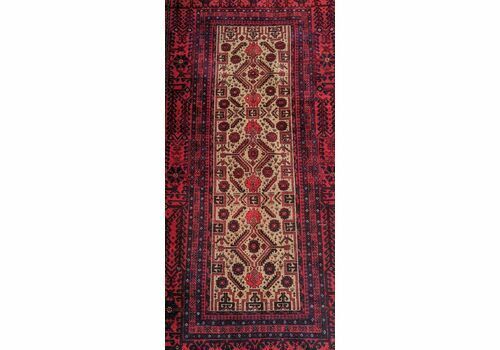
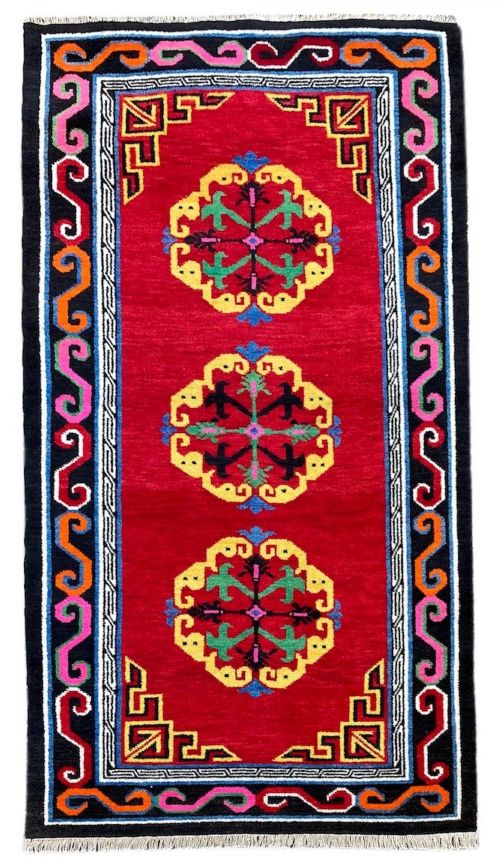
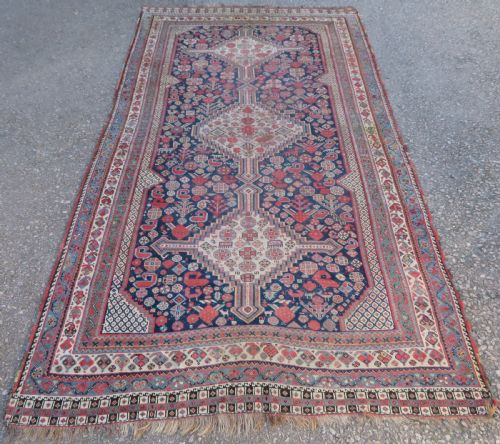
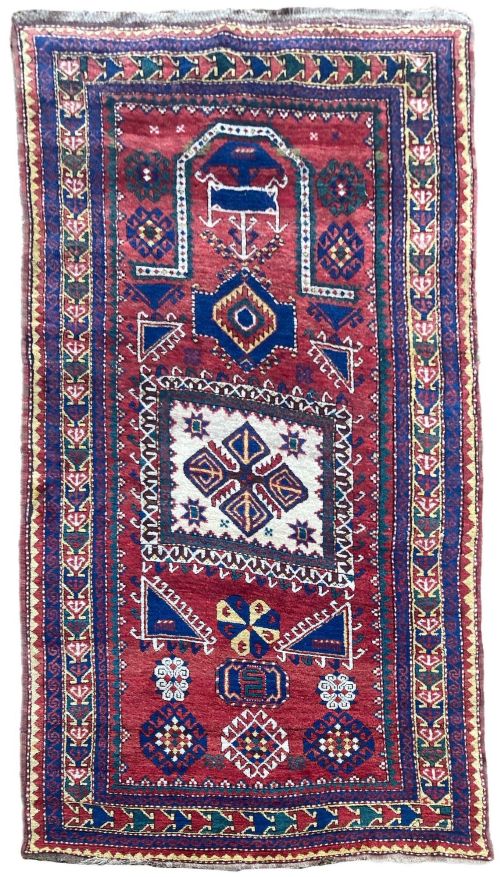
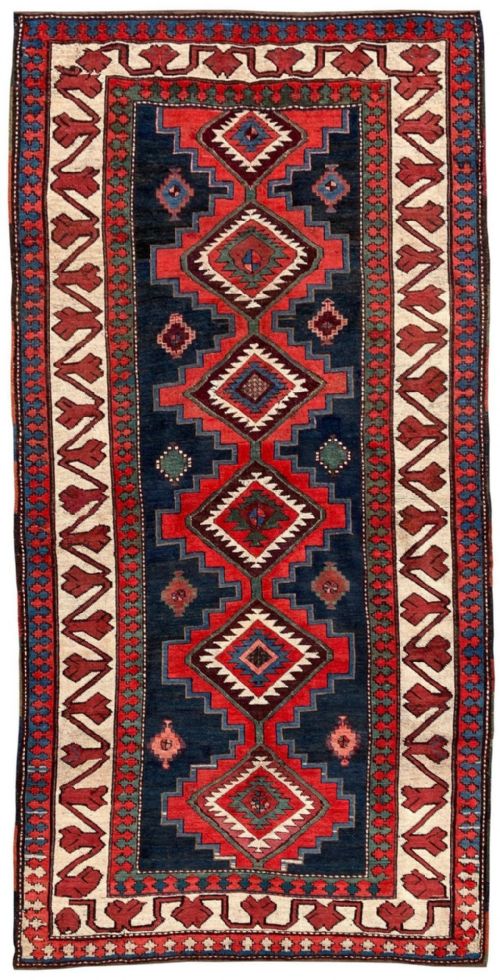
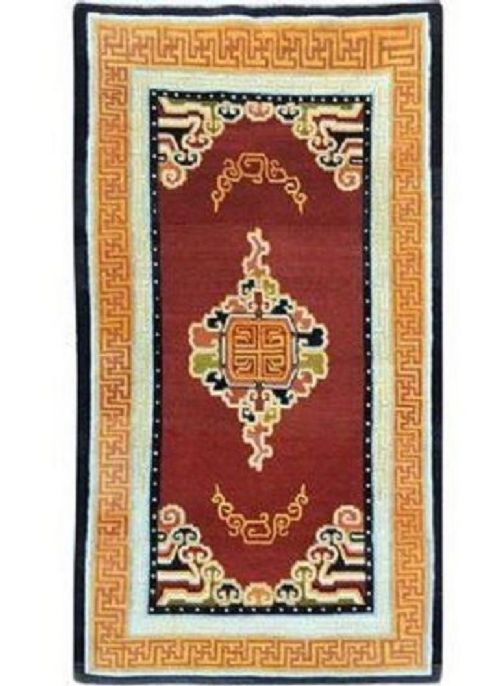
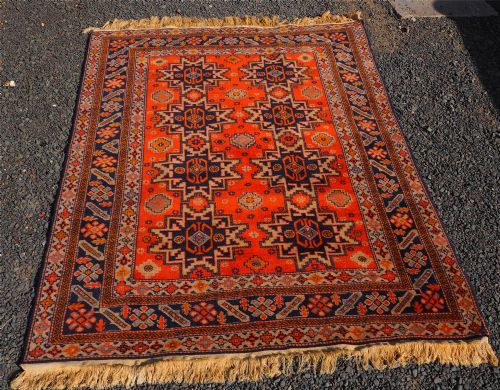
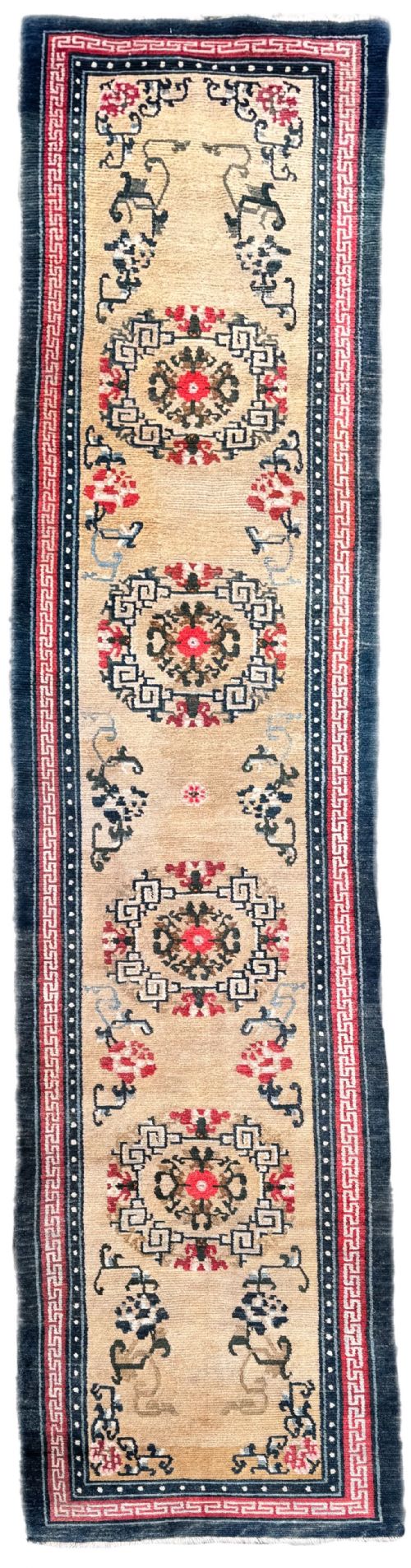
A traditional hand woven runner provides a narrow, elongated format designed for corridors, staircases, and hallways. These floor coverings emerge from diverse weaving traditions across Persia, the Caucasus, Tibet, and China, dating from the mid-nineteenth century through the nineteen-thirties.
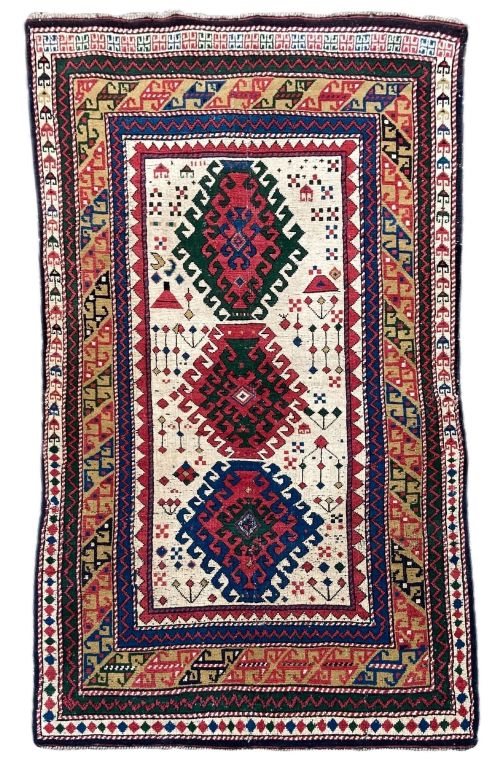
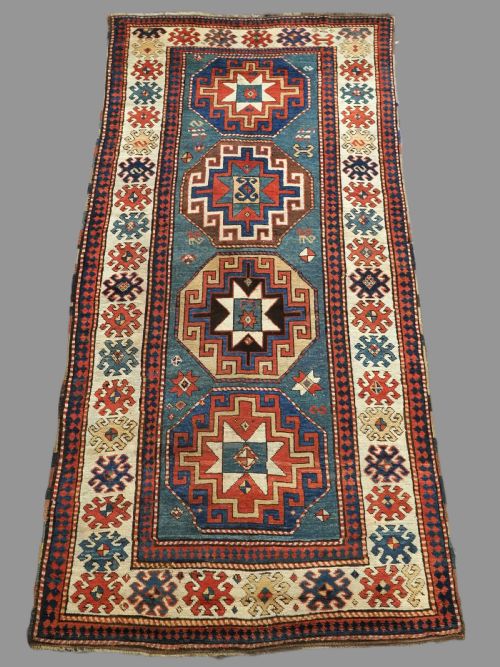
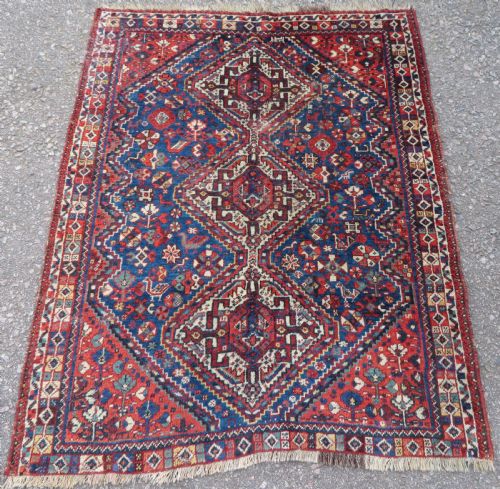
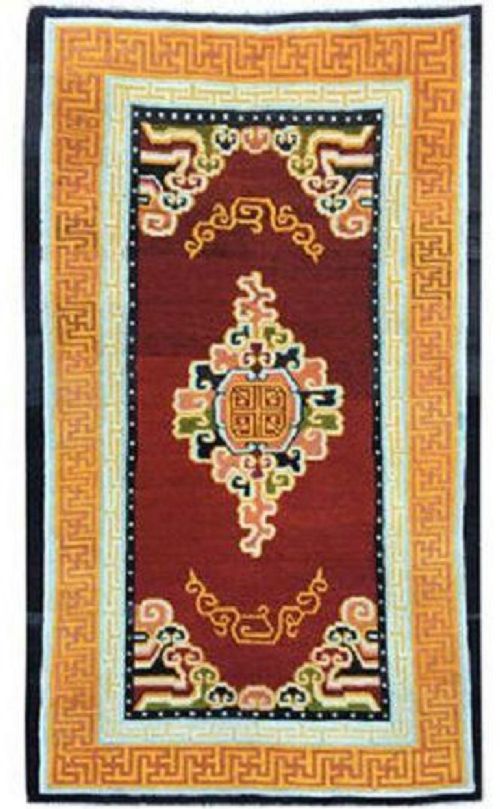
The inventory on this page spans specific village and tribal styles, including Kurdish, Kazak, Tibetan, and Khamseh pieces. Buyers encounter various formats from long hallway runners to compact area rugs and full carpets, reflecting distinct regional aesthetics and weaving practises.
Materials and construction
These textiles rely primarily on wool, cotton, and silk, often utilising hand-spun wool for foundations and pile. Natural dyes impart the characteristic depth of colour found across these historical carpets and runners.
Weavers construct each piece by hand-knotting fibre onto vertical looms, incorporating traditional motifs such as boteh designs, animal figures, and geometric medallions. The density of the knotting and the quality of the prepared yarn dictate the physical weight and drape of the finished runner.
Listings span periods from the mid-nineteenth century through the nineteen-thirties, featuring wool, cotton, and silk materials.
Distinctions in quality
Quality rests upon the fineness of the knotting and the integrity of the materials, where hand-spun wool and stable natural dyes demonstrate superior craftsmanship. Tighter knot counts allow for sharper geometric or figurative detail across tribal and village designs.
Structural preservation and evenly maintained pile define the higher tiers of surviving runners. Pieces retaining crisp selvedges and original ends show greater fidelity to their period of origin.
The Traditional Hand Woven Runner Glossary
- Boteh
- A stylised almond or pear-shaped motif representing a floral shoot or cypress tree. This ancient Persian symbol appears frequently across traditional woven carpets.
- Knot count
- The number of individual knots per square unit of a rug. Higher density often correlates with intricate design rendering and durability.
- Selvedge
- The reinforced edge of a rug running parallel to the warp threads. Secure finishing prevents fraying along the lateral borders.
- Natural dye
- Colourants derived from plant, insect, or mineral sources rather than synthetic chemistry. These dyes yield rich patinas that age gracefully over decades.
- Warp
- The vertical foundation threads stretched lengthwise on a loom before weaving begins. Weft threads pass horizontally through these structural cords.
Traditional Hand Woven Runner: Frequently Asked Questions
Where should I place a traditional hand woven runner?
These narrow textiles suit hallways, corridors, and long entryways where floor space is constrained. Their elongated proportions guide movement through a home while protecting timber or stone flooring.
Position them away from constant moisture to preserve the historical wool and cotton foundations. Proper placement highlights the linear pattern without overwhelming the surrounding room architecture.
How do I identify the origin of a runner?
Regional identity appears through specific colour palettes, geometric or floral motifs, and structural weaving habits. Caucasian pieces often display bold polygons, while Persian village rugs show intricate all-over botanical layouts.
Examining the edge finishes and wool preparation helps distinguish between Tibetan work and traditional Persian or Kurdish workshops. Local weaving centres historically utilised distinct knotting techniques.
Are these runners suitable for heavy foot traffic?
Many historical rugs utilise dense hand-spun wool and sturdy cotton foundations built for daily domestic use. Village and tribal weaves from the nineteenth and early twentieth centuries tolerate moderate walking when paired with a quality underlay.
Gentle maintenance ensures the pile remains stable over time. Heavy traffic areas benefit from runners with robust knot density and intact selvedges.
How do natural dyes age on antique rugs?
Natural dyes mellow gradually when exposed to light, developing a harmonious patina across the wool pile. Plant and insect colorants interact with the fibres to create subtle tonal variations over generations.
This softening of primary hues distinguishes historical pieces from modern chemical dye work. The colours remain rich while acquiring a gentle warmth characteristic of aged textiles.