



Traditional Pedestal Table
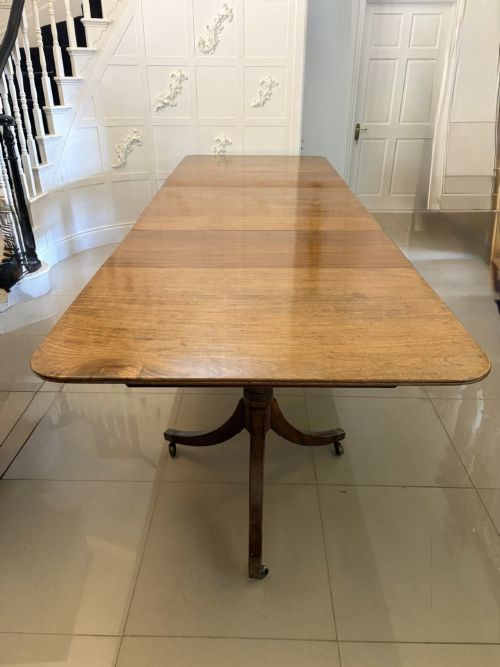
A traditional pedestal table supports its weight on a central column, offering steady footing and generous legroom for dining or writing.
Traditional Pedestal Table
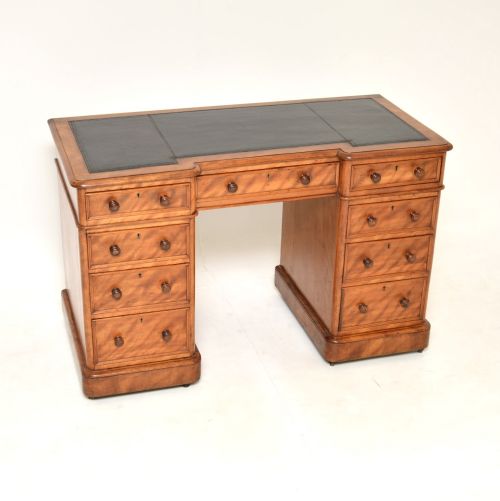
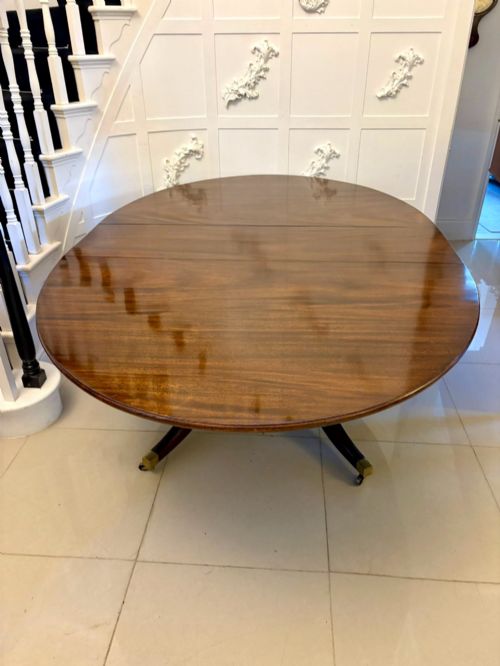
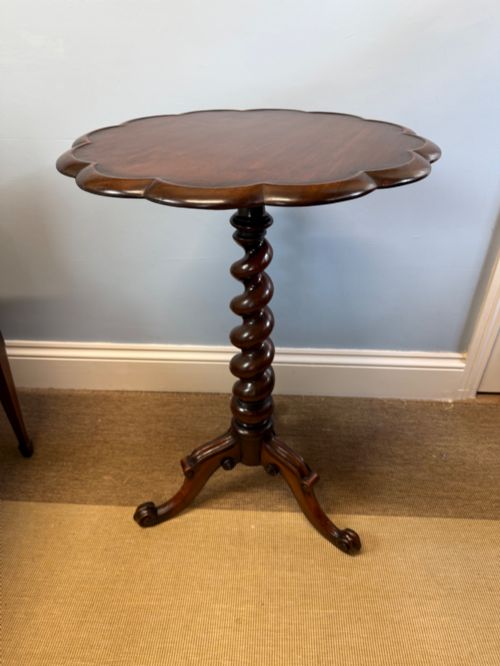
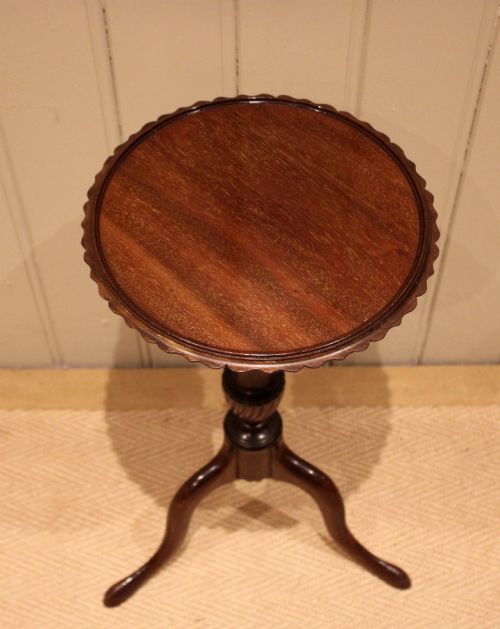
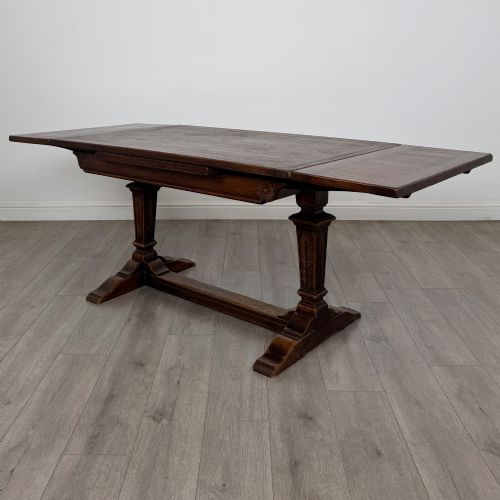
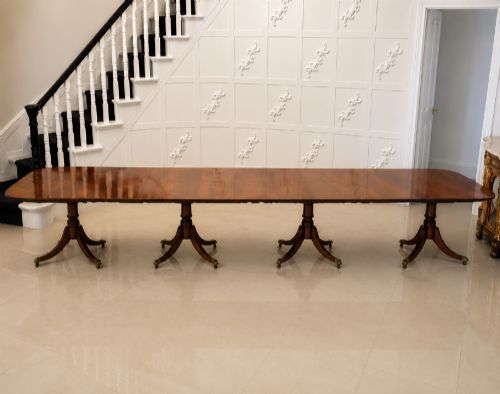
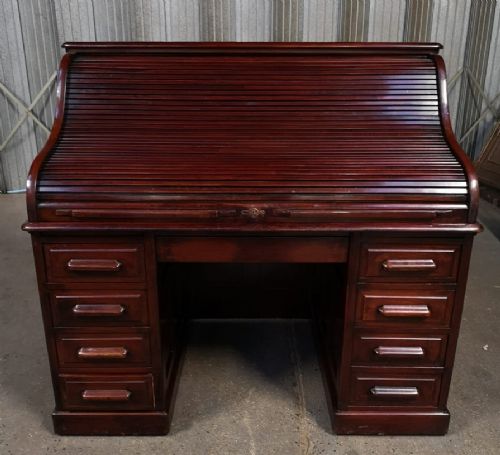
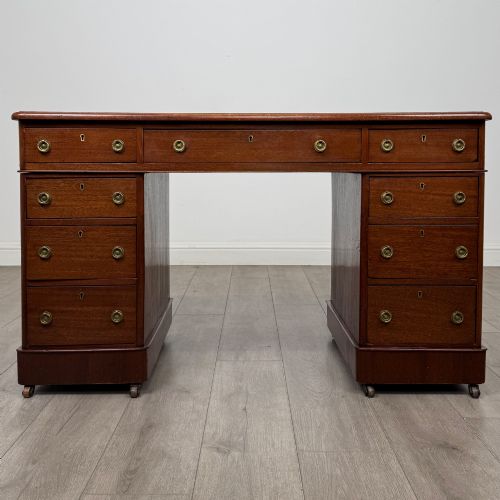
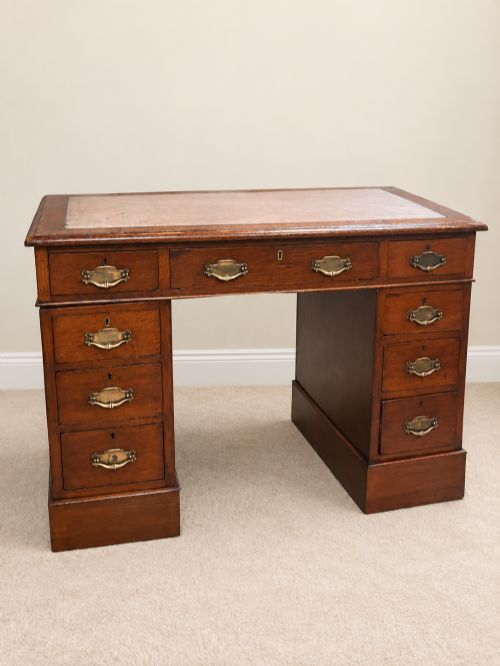
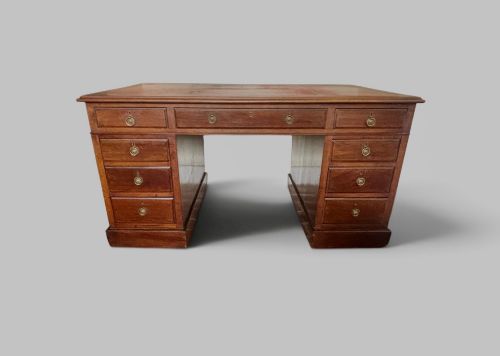
A traditional pedestal table appears in various forms across this selection, ranging from small wine tables and tripod tables to large dining tables and pedestal desks. These pieces span multiple periods, including the eighteenth century, nineteenth century, Victorian, and Edwardian eras, alongside later twentieth-century examples.
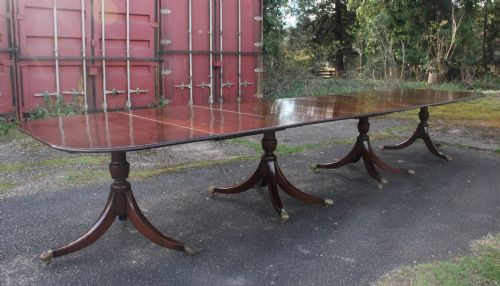
Dining versions often employ multiple pillars and extending leaves to accommodate large gatherings. Meanwhile, smaller examples serve as occasional, side, or wine tables, frequently resting on tripod bases with shaped rims.
Materials and construction
Cabinet makers constructed these pieces primarily using hardwoods such as mahogany, oak, and walnut, occasionally incorporating burr walnut and flame mahogany veneers for enhanced grain patterns. Brass hardware and leather inserts appear on desk surfaces, while carved details such as linenfold panels and tripod legs demonstrate traditional joinery techniques.
Extending dining tables utilise multiple pillars and removable leaves supported by robust framing. Smaller wine tables and tripod tables balance stability with portability through central columns fixed to three-legged bases.
Distinguishing quality
Quality rests in the selection of timbers, the crispness of carved details, and the stability of the central pillar construction. Tables built with dense mahogany, figured walnut, or quarter-sawn oak display superior grain continuity across tops and pedestals.
The precision of the extending mechanisms in multi-pillar dining tables and the tightness of the joinery in desks dictate how well a piece handles daily use. Finer examples maintain smooth operation in their drawers and leaves while preserving their original timber patination.
Trollope & Sons
The Traditional Pedestal Table Glossary
- Pedestal table
- A table supported by a central column or pillar rather than four corner legs. This design maximises legroom around the perimeter.
- Tripod table
- A small occasional or wine table supported by a central pillar resting on three feet. These pieces often feature detachable tops or tilting mechanisms.
- Draw leaf dining table
- A table equipped with self-contained extension leaves that pull out from beneath the main top. This allows the surface area to expand without removing separate leaves.
- Partners desk
- A large pedestal desk designed with drawers and cupboards on both sides, allowing two people to sit opposite each other. These often feature inset leather writing surfaces.
- Flame mahogany veneer
- A sliced timber veneer displaying a flickering flame-like grain pattern. Cabinet makers applied this to prominent surfaces such as table tops and drawer fronts.
Traditional Pedestal Table: Frequently Asked Questions
How do I choose the right pedestal dining table size?
Consider the number of pillars and leaves required to seat your guests comfortably. Multi-pillar tables distribute weight evenly and support extending leaves for larger gatherings.
Measure your room to ensure adequate clearance around the table when fully extended. Pedestal designs offer greater flexibility for chair placement than standard four-leg tables.
What is the difference between a wine table and an occasional table?
Wine tables are traditionally small, highly portable tripod tables designed to hold a single glass or bottle. Occasional tables serve a broader range of domestic uses.
Both utilise central pedestals, but wine tables often feature smaller tops and occasionally tilting mechanisms.
How should I care for a leather-topped pedestal desk?
Wipe the leather surface gently with a dry or slightly damp cloth to remove dust. Avoid using harsh chemical cleaners that strip natural oils.
Periodically nourish the leather and surrounding wood with appropriate conservation waxes. Keep the desk away from direct heat sources and strong sunlight to prevent drying and cracking.
How do I identify an Edwardian pedestal table?
Edwardian pieces often reflect earlier Georgian and Regency design revivals using lighter proportions. Look for refined mahogany or oak construction alongside restrained decorative carving.
Examine the secondary timbers inside drawers and the fastening hardware for period consistency. Dates around nineteen hundred to nineteen ten typically indicate Edwardian production.