

Traditional Patterned Wool Carpet
These traditional patterned wool carpet pieces bring historic nomadic designs and room-anchoring warmth to a floor through durable woven construction.
Traditional Patterned Wool Carpet
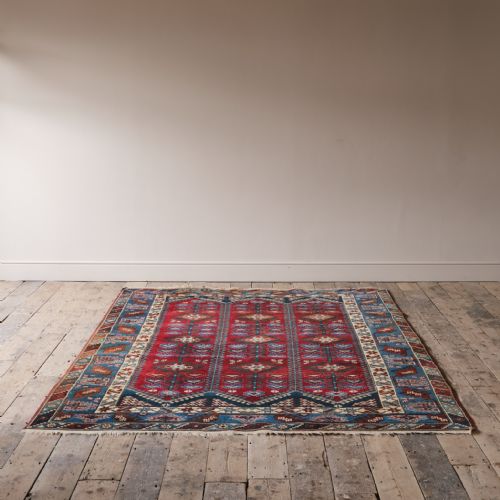
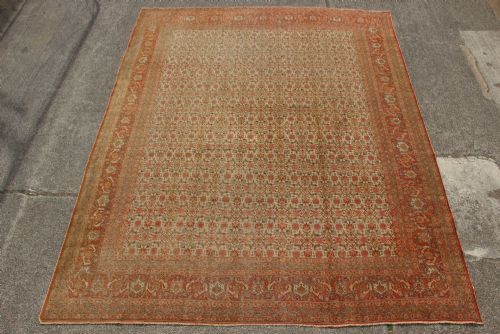
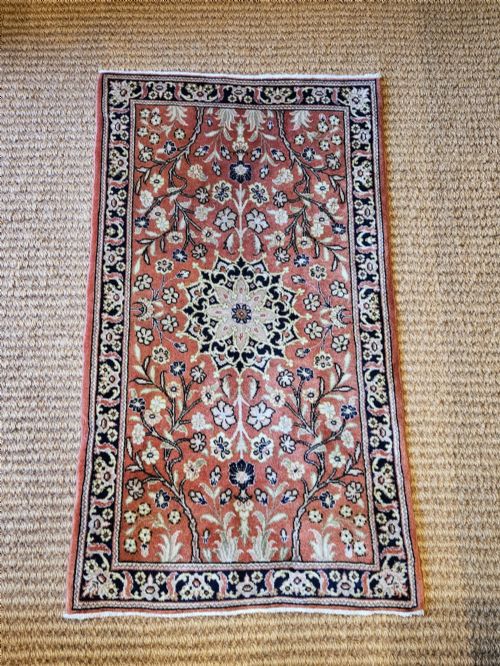
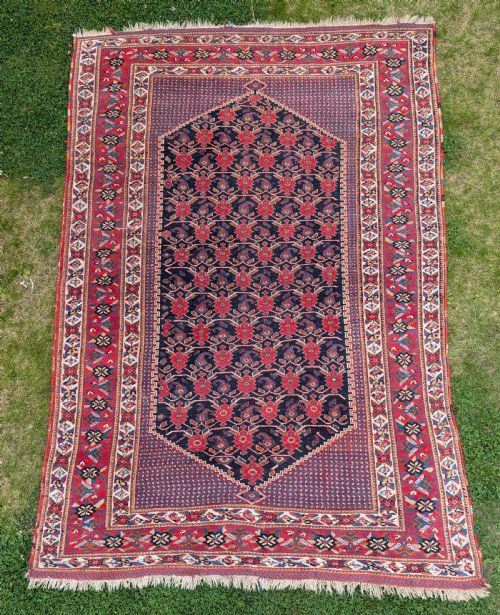
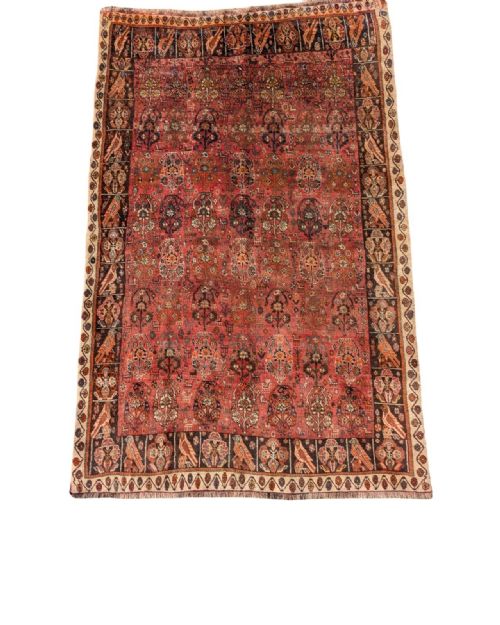
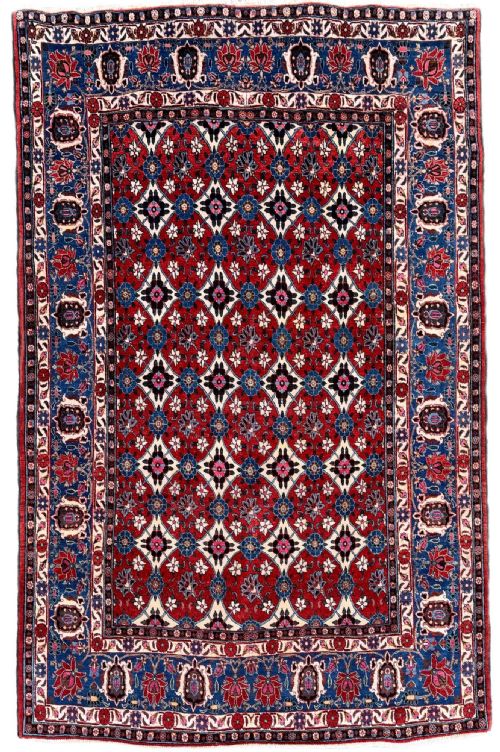
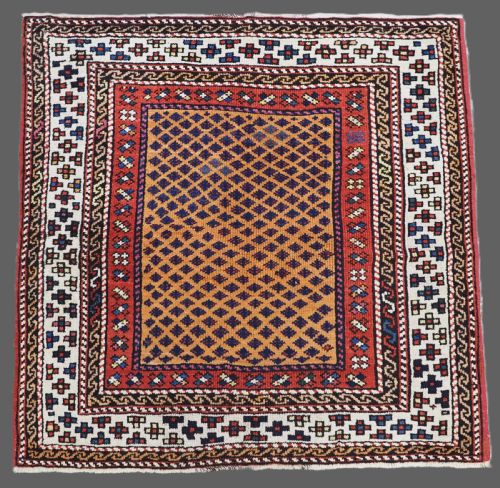
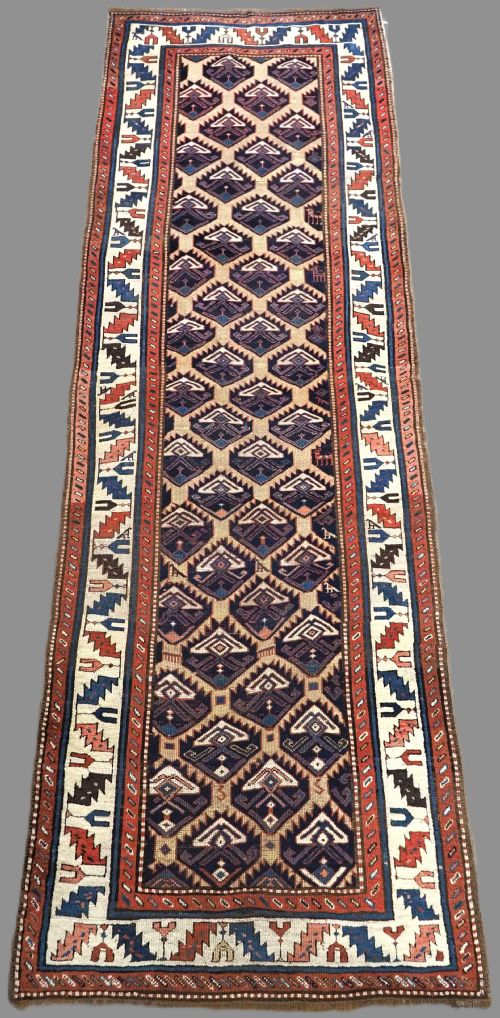
A traditional patterned wool carpet covers historic woven floor coverings originating mainly from Persia, the Caucasus, Turkey, and Central Asia. When you search for this phrase, you encounter room-sized carpets, smaller hearth rugs, and long hallway runners dating from the mid-nineteenth century up to the 1930s. The designs span tribal village patterns, geometric Caucasian lattice work, and intricate Persian town styles.
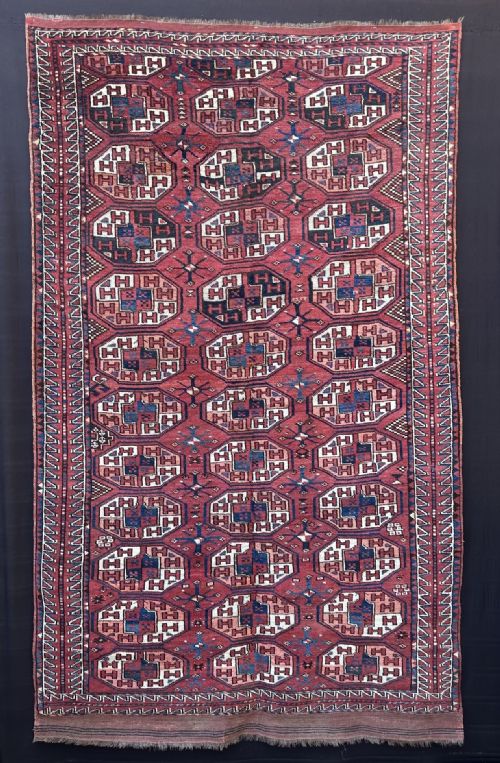
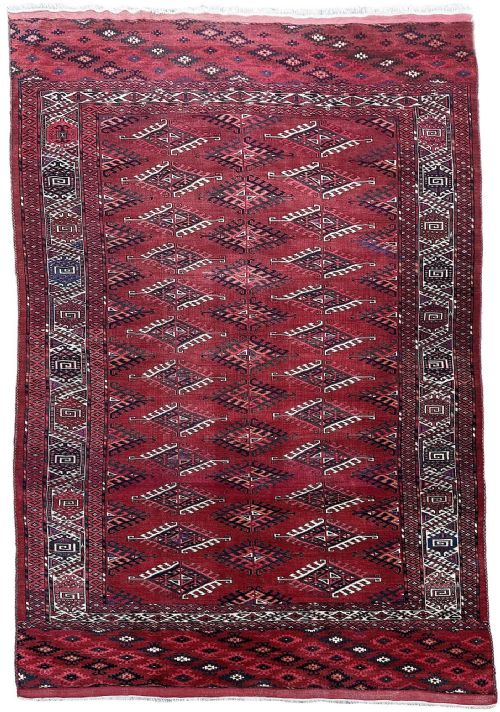
The pieces you meet most frequently on this page include antique Persian room carpets, runner rugs suited for narrow spaces, and tribal weaves from nomadic groups such as the Turkmen, Afshar, and Kashgai. These floor coverings served practical functions in tents and homes while displaying distinct regional motifs passed down through generations of weavers.
How they were made
The foundational structure relies heavily on sheep's wool, sometimes hand-spun, combined with cotton foundations and occasional highlights of silk. Weavers knotted the pile by hand onto warp and weft threads, creating dense structures designed to withstand decades of foot traffic.
Natural dyes provide the underlying palette, yielding rich tones of indigo, madder red, and olive green that soften gracefully over time. These organic colourants interact with the wool fibres to produce subtle variations across the surface of each rug.
Some nineteenth-century Turkmen wedding rugs were woven as dowry pieces, carrying protective tribal motifs intended to ward off bad fortune in nomadic camps.
What varies in quality
The fineness of the knotting and the complexity of the design determine the calibre of the weaving. Denser knots allow for sharper geometric precision and more intricate floral curves within medallions and lattice work.
The depth of colour achieved through natural dye use distinguishes exceptional examples from standard production. Superior wool selection ensures the pile retains its resilience and tactile appeal after prolonged use.
The Traditional Patterned Wool Carpet Glossary
- Runner
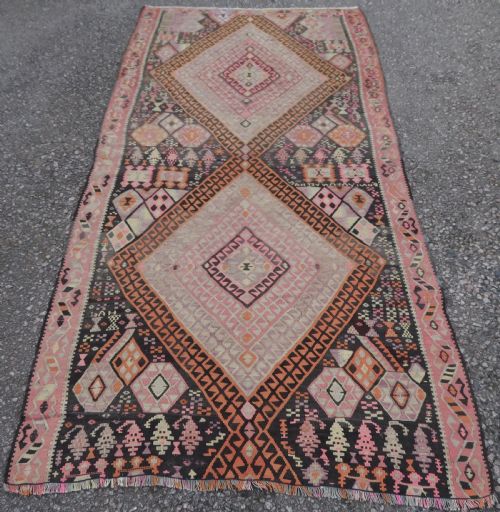
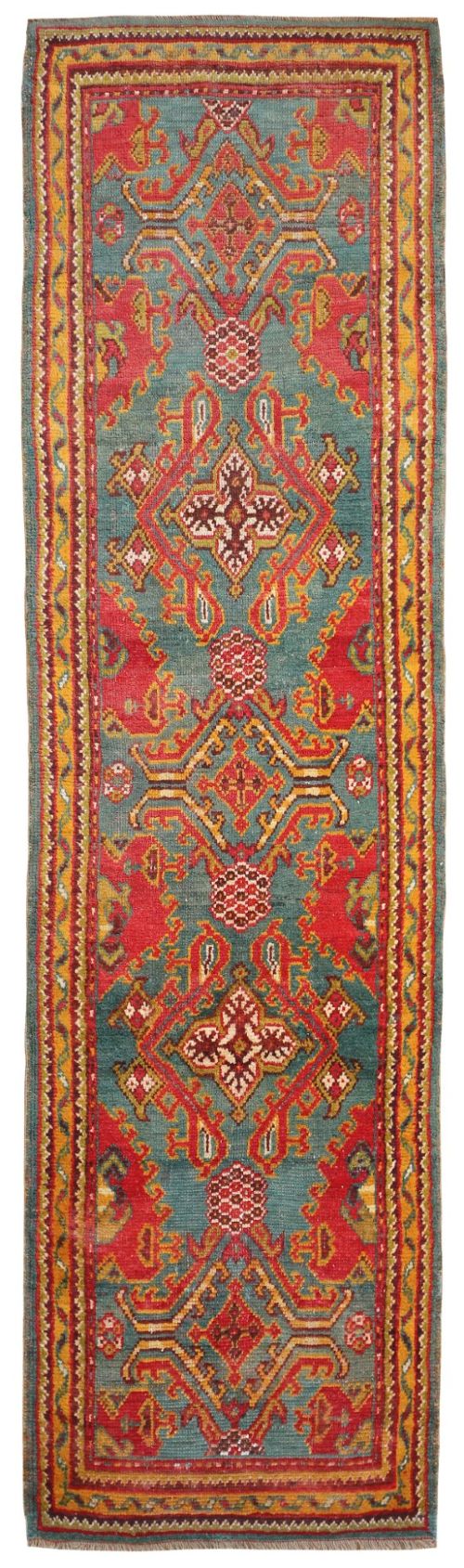
- A long, narrow carpet format specifically proportioned for corridors, hallways, and staircases. These pieces often feature repeating medallions or continuous geometric borders.
- Kilim
- A flat-woven carpet or rug made without a pile by tightly interweaving warp and weft strands. This technique produces a lightweight, reversible textile with sharp geometric patterns.
- Boteh
- A traditional teardrop or almond-shaped motif with a curved upper end, frequently seen in Persian carpet designs. This ancient symbol represents a floral spray, cypress tree, or flame.
- Warp
- The vertical threads stretched tightly on the loom that form the structural skeleton of the carpet. The exposed ends of these threads often emerge as fringing at either end of the rug.
- Weft
- The horizontal threads passed back and forth across the warp threads to bind the knots in place. Together with the warp, they form the foundation grid visible on the reverse of the textile.
Traditional Patterned Wool Carpet: Frequently Asked Questions
Where should I place a runner rug?
These narrow formats suit hallways, corridors, and narrow entryways where floor protection is needed without obstructing doors. They also function effectively alongside kitchen islands or beside beds.
Ensure you measure your passage carefully and leave equal margins of bare flooring visible around the edges for a balanced look.
How do I care for an antique wool carpet?
Vacuum gently using a suction-only attachment without a rotating beater bar to protect the hand-knotted pile. Avoid aggressive shaking or beating, which can weaken the historical foundation threads.
Rotate the rug periodically to ensure even wear patterns from sunlight exposure and foot traffic across the room. Professional cleaning by specialists in antique textiles is recommended when deep maintenance becomes necessary.
What is the difference between tribal and city carpets?
Tribal rugs feature geometric motifs, asymmetrical layouts, and symbols originating from nomadic groups working from memory and local tradition. These pieces often display vibrant colouring and a heavier, rustic handle.
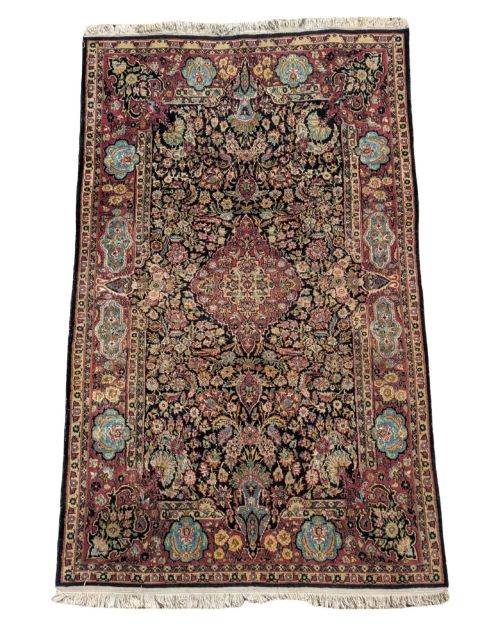
City carpets involve urban workshops where master weavers execute precise floral curves, balanced medallions, and intricate symmetrical border arrangements using detailed cartoon guides.
How can I tell the age of a traditional wool carpet?
Dating relies on examining the materials, dye types, structural wear, and stylistic traits characteristic of specific periods from the nineteenth century onward. Hand-spun wool and specific natural dye palettes often point toward earlier nineteenth-century production.
Structural details like wool quality and regional weaving structures help narrow down the decade of manufacture when compared against documented examples.