


Traditional Pastoral Canvas Art
Traditional pastoral canvas art brings rural landscapes and farm animals into the home through oil paintings from the eighteenth, nineteenth, and early twentieth centuries.
Traditional Pastoral Canvas Art
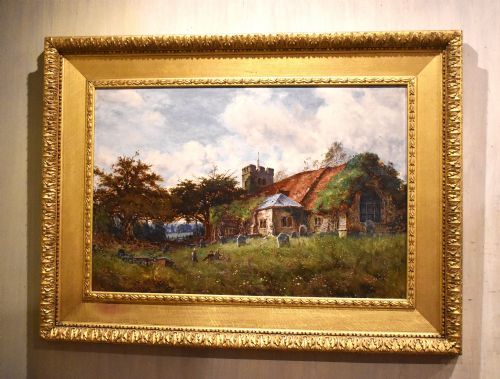
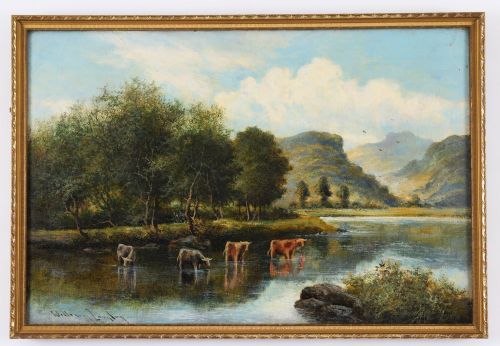
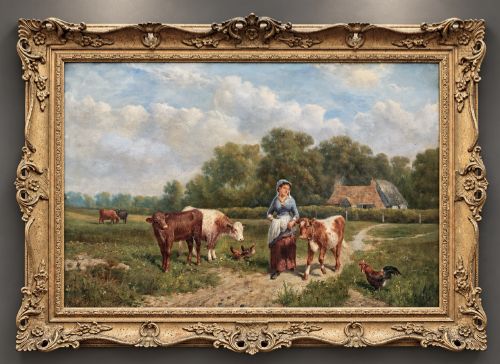
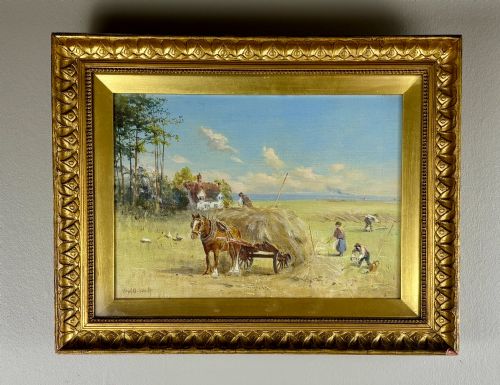
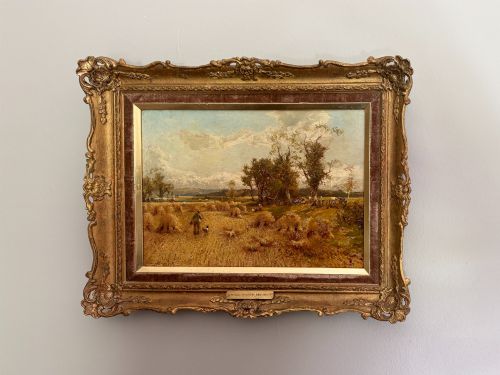
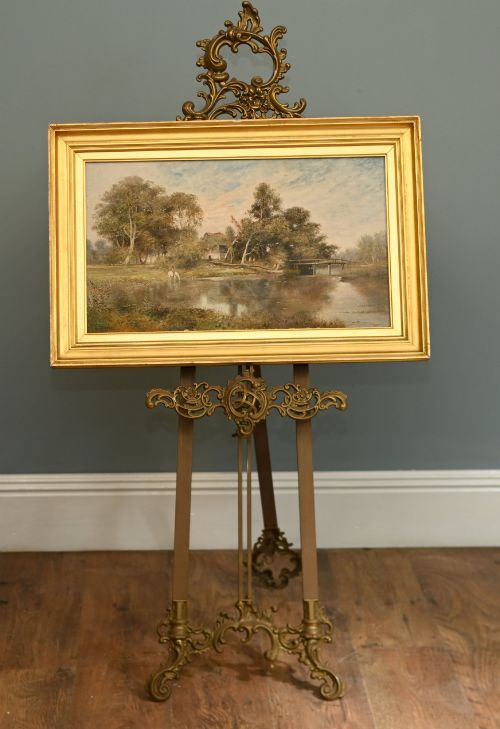
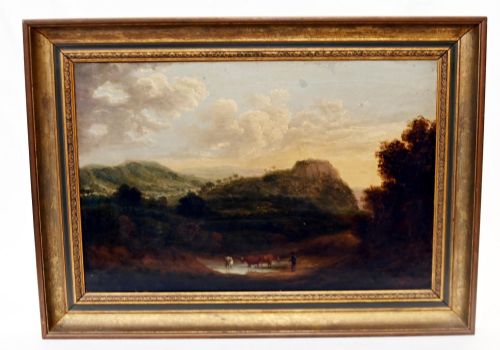
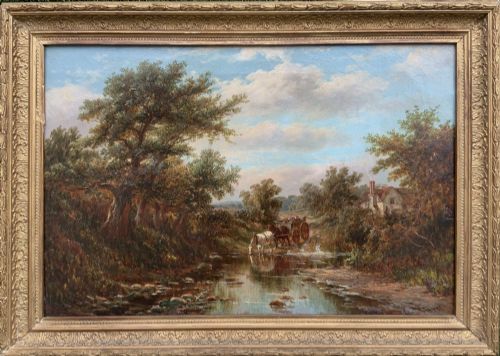
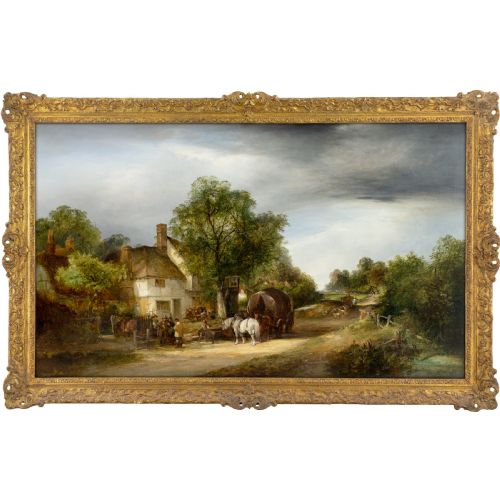
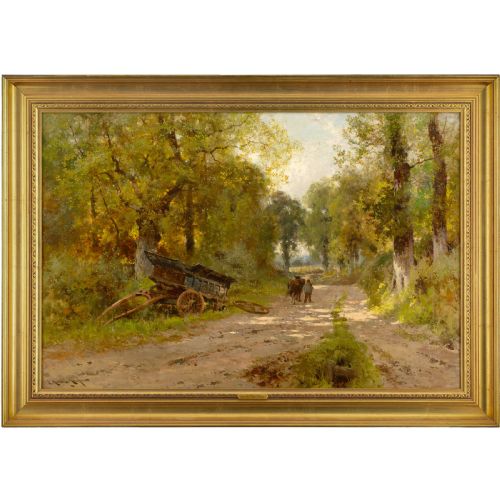
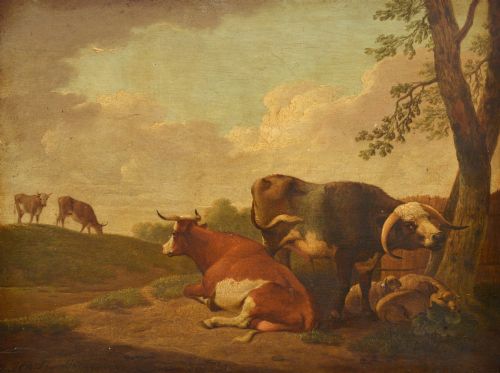
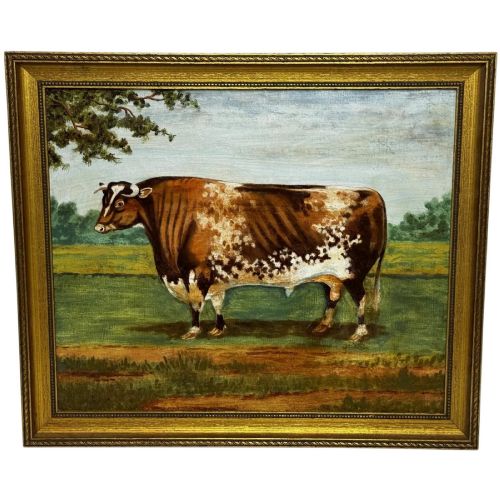
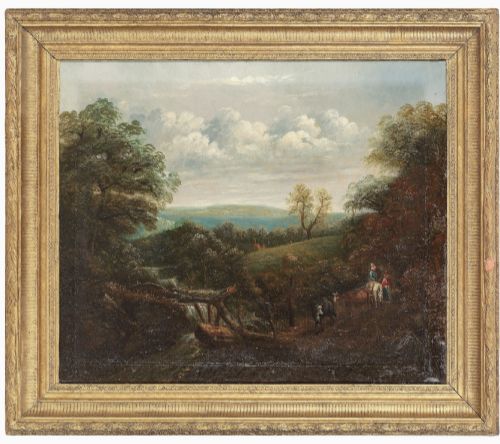
Traditional pastoral canvas art presents rural scenes, countryside paths, and river landscapes populated by cattle, sheep, and farm workers. These oil paintings depict agricultural life, river banks, and herds resting under willow trees or in woodland clearings.
The versions most frequently met on this page date from the Victorian and Edwardian eras, alongside pieces from the eighteenth century. British schools dominate the selection, showing rural England, Scotland, Wales, and continental European settings.
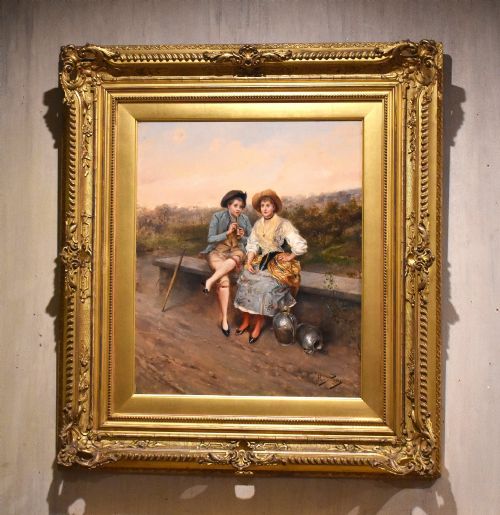
Works on this page range from intimate cabinet paintings to large framed canvases. Subjects often include milkmaids, shepherds with flocks, and prize-winning livestock rendered in realistic detail.
Materials and construction methods
These works utilise oil paint applied to woven canvas supports, which are stretched over wooden frames to provide a stable surface for detailed brushwork. Artists layered pigments to capture light on water, the texture of wool, and foliage in woodland settings.
Many paintings retain their original giltwood and gesso frames, which use moulded plaster details finished in gold leaf to complement the pastoral subject matter. Wood panels or stretchers support the canvas structures behind the painted surface.
Listings feature oil paintings on canvas spanning the eighteenth to the twentieth centuries, with a strong emphasis on Victorian and Edwardian British landscape art.
Factors determining artistic quality
Quality rests upon the artist's ability to render animal anatomy, human figures, and atmospheric light convincingly within a landscape. Superior examples display careful observation in the depiction of cattle textures, water reflections, and natural weather conditions.
The handling of the oil paint itself distinguishes the finest canvases, showing confident brushwork and tonal balance rather than stiff or formulaic composition. Original period frames appropriate to the date of the canvas also contribute to the integrity of the piece.
Thomas Sidney Cooper·William Watson Jnr·John Horace Hooper·Sidney Richard Percy·Henry H Parker
The Traditional Pastoral Canvas Art Glossary
- Oil on Canvas
- Pigments bound in drying oils applied directly to a woven fabric support. This combination allows for rich blending and varied surface textures.
- Giltwood
- Wood carved and finished with a thin layer of gold leaf or metallic powder. This material frequently frames nineteenth-century landscape paintings.
- Gesso
- A paint mixture consisting of a binder mixed with chalk, gypsum, or pigment. It prepares wooden frames and panels before gilding or painting.
- Pastoral
- A genre of art depicting rural life, shepherds, and agricultural scenes in an idealized or realistic manner. These works emphasise harmony between humans, animals, and nature.
- Realism
- An artistic movement focusing on everyday subjects and scenes accurately without idealization. Victorian examples often capture working farms and livestock with precise anatomy.
Traditional Pastoral Canvas Art: Frequently Asked Questions
What subjects appear in pastoral art?
These paintings portray rural scenes, including cattle at river banks, sheep resting in highland valleys, and figures harvesting crops. Agricultural life and livestock form the core subjects.
Artists also recorded specific regional landscapes across Britain and Europe, often featuring cottages, pathways, and watermills.
How do I care for an oil painting on canvas?
Keep canvases away from direct sunlight, high humidity, and rapid temperature changes that can cause the paint layer to crack. Dust the surface gently with a soft, dry brush without applying pressure.
Avoid using water or liquid cleaners on the canvas or the giltwood frame. Professional conservators should handle any deep cleaning or repairs.
How can I date a pastoral oil painting?
Examine the canvas weave, stretcher construction, and the style of the giltwood frame for period clues. Victorian and Edwardian works often feature specific framing styles and artist signatures.
Biographies of listed painters provide precise working dates to help narrow down the creation period. Subject attire and agricultural tools also offer chronological context.
Where were these landscape paintings displayed?
Nineteenth-century collectors hung these framed oil paintings in domestic drawing rooms and parlours to bring outdoor rural views inside. Country houses and town residences alike favoured pastoral subjects.
Many works were also exhibited at major British institutions and art academies before entering private collections.