
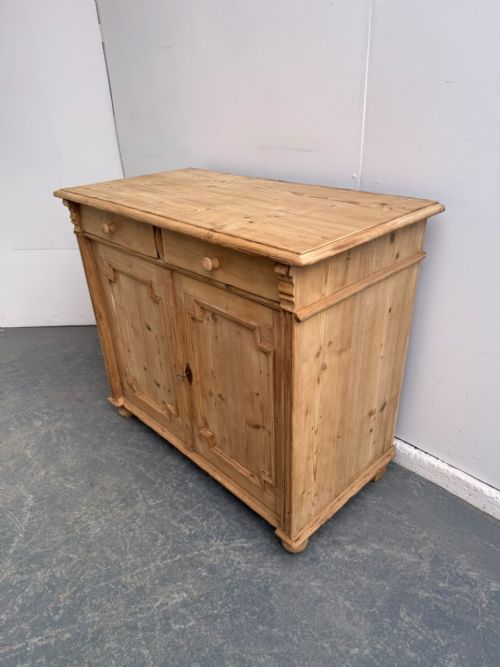
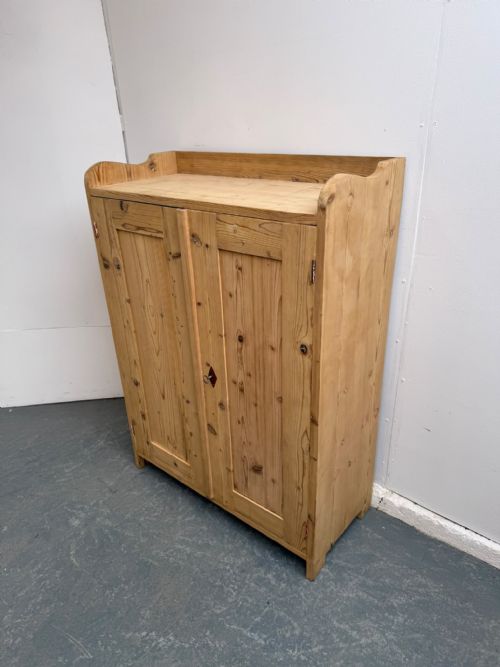
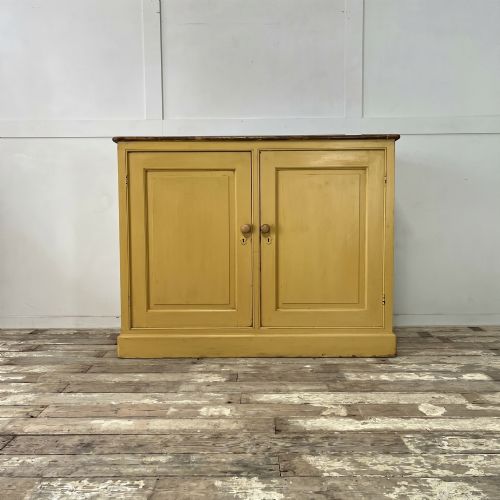
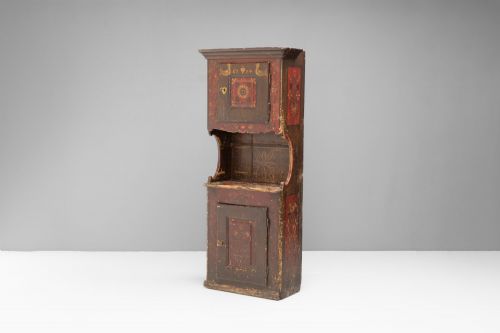
Traditional Painted Pine Dresser
A traditional painted pine dresser brings honest utility and vernacular character to a room, offering practical storage through open shelves, cupboards and drawers.

Traditional Painted Pine Dresser
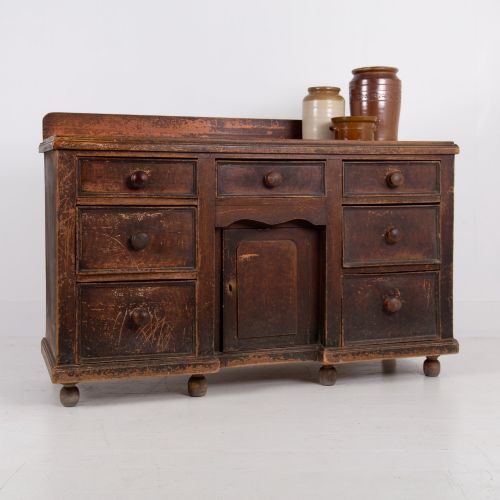
A traditional painted pine dresser is a utilitarian storage item built from softwood, typically featuring a combination of lower cupboards or drawers and upper display shelving. These pieces originate from various regional traditions, including English country, Scottish, French and Scandinavian workshops, reflecting local domestic needs.
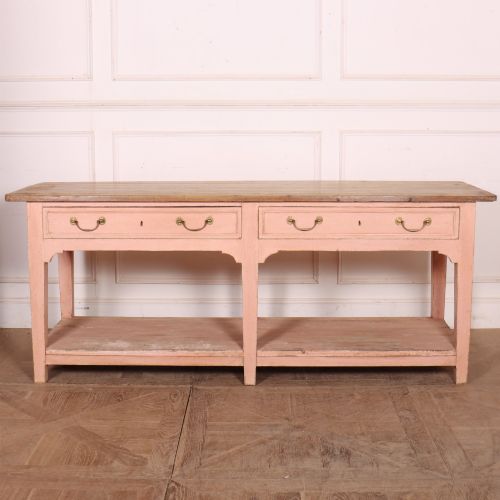
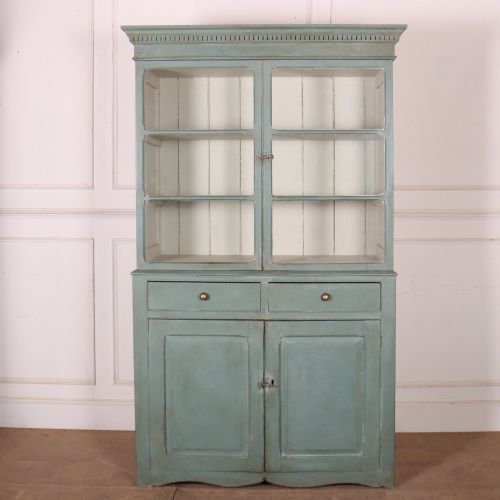
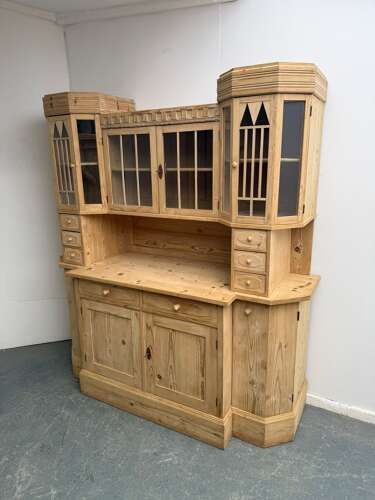
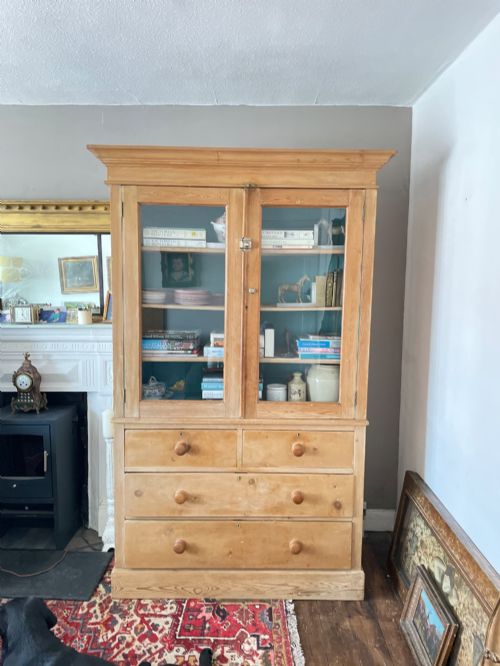
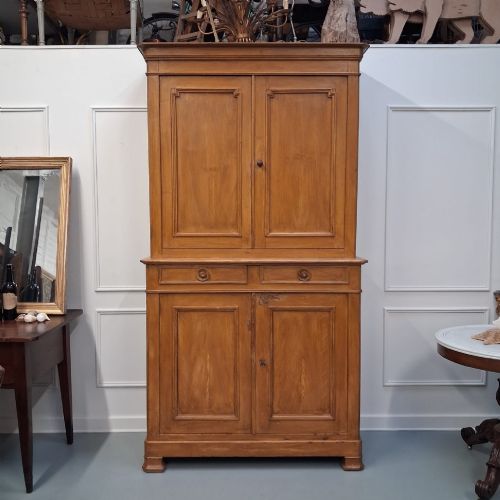
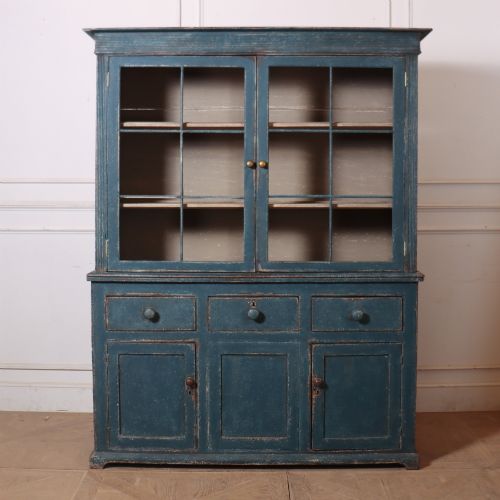
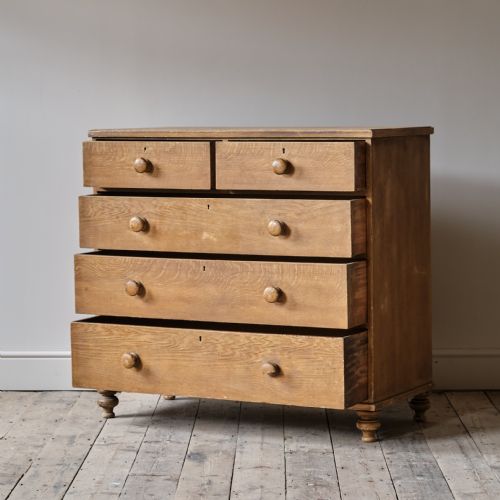
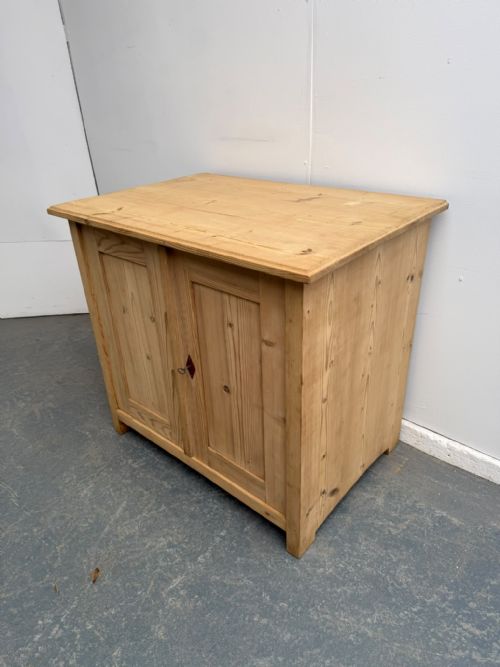
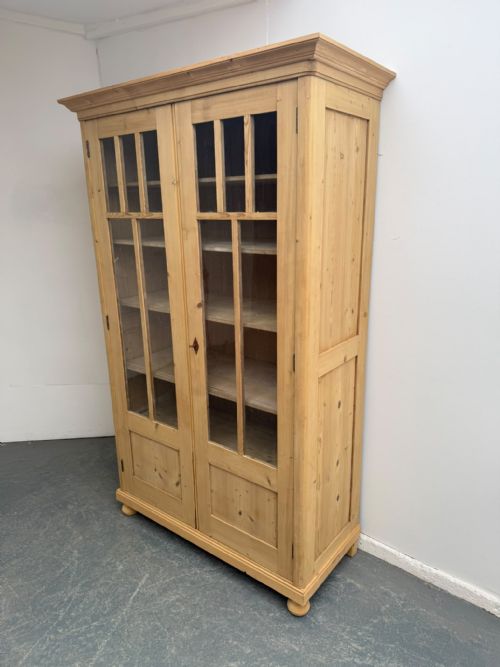
The versions most commonly met on this page span the eighteenth, nineteenth and early twentieth centuries. They appear as full two-piece kitchen dressers, open potboard dresser bases, glazed cabinets and housekeeper cupboards.
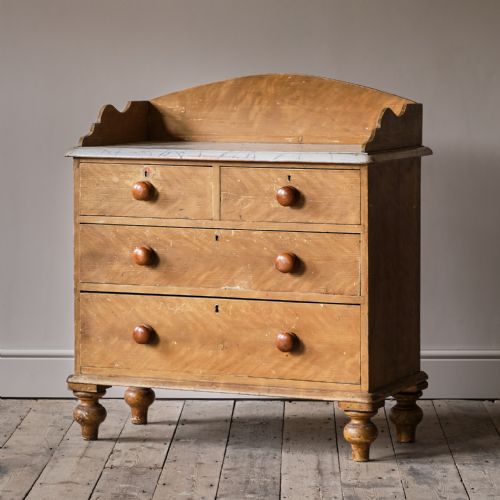
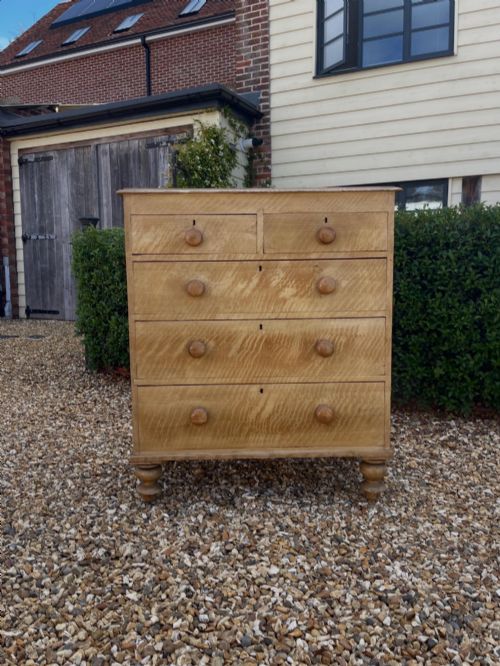
Surface treatments vary widely between original historic paint finishes, scumble glazes and later decorative layers applied over plain wood. The underlying timber is invariably pine, often selected for local joinery due to its availability and workability.
How they were made
Makers constructed these carcases using solid pine boards, joining them with traditional methods such as dovetails for drawers and mortise and tenon joints for frames. Iron and brass hardware, including hinges, knobs and handles, secured the doors and drawers while adding functional metal accents.
Surfaces received protective and decorative coatings of paint, sometimes layered over decades of domestic use. Scumble finishes were also utilised to imitate more expensive hardwoods or to create patterned textures on the pine boards.
Materials recorded across the inventory include solid pine, original paint, scumble glaze, brass, iron and glass.
What varies in quality
The distinction between ordinary and superior pieces rests on the integrity of the original construction and the survival of an untouched painted surface. Pieces retaining their early or original paint layer hold greater authenticity than those stripped or repeatedly repainted.
Proportion and regional vernacular detailing separate standard utilitarian items from finer country examples. A well-balanced cornice, well-proportioned drawer hierarchy and sturdy potboard or base construction indicate superior cabinet-making within local traditions.
The Traditional Painted Pine Dresser Glossary
- Potboard
- A lower open shelf built into the base of a dresser, historically used for storing pots and pans. It sits just above the floor, supported by sturdy stiles or legs.
- Scumble
- A decorative painting technique where a translucent glaze is dragged or brushed over a base coat to create mottled or wood-grained effects. It was frequently applied to pine furniture in the nineteenth century.
- Housekeeper cupboard
- A large freestanding storage cabinet with multiple doors and internal shelving or drawers, used in larger homes for linen and provisions. These pieces often feature panelled doors and robust pine construction.
- Dog kennel dresser
- A specific dresser base featuring a central arched or open recess flanked by banks of drawers or cupboards. The open middle section traditionally accommodated a family dog or served as low storage.
- Breakfront
- A cabinet or dresser design where the central section projects forward from the flanking sides. This architectural arrangement adds depth and visual complexity to larger country furniture pieces.
Traditional Painted Pine Dresser: Frequently Asked Questions
What is a traditional painted pine dresser?
A traditional painted pine dresser is a functional storage unit consisting of a lower cabinet or base, often paired with upper display shelves or a glazed cabinet. They were built in regional workshops across Britain and Europe during the eighteenth and nineteenth centuries.
These items served domestic storage needs in kitchens, sculleries and dining rooms. Their surfaces are typically finished in historic paint, scumble or natural wax over pine timber.
How do I clean a painted pine dresser?
Cleaning requires a soft, dry cloth to remove dust from mouldings, shelves and corners. Avoid harsh chemical cleaners that can soften or strip historic paint layers.
For stubborn marks on painted surfaces, use a slightly damp cloth with mild soap, drying the area immediately. Waxed pine sections can be maintained with traditional beeswax applied sparingly.
Where were these dressers made?
These pieces originate from various regional traditions including English, Scottish, French and Scandinavian rural workshops. Local cabinet makers utilised readily available softwood to construct furniture tailored to domestic requirements.
Regional styles often exhibit distinct architectural traits, such as potboard bases in English pieces or enclosed lower cupboards in Scottish and continental examples.
How do I date a pine dresser?
Dating relies on examining construction methods, nail types, drawer dovetails and overall proportions. Hand-cut dovetails and hand- forged iron hardware generally indicate eighteenth or early nineteenth-century origins.
Paint analysis also provides clues, as original surface treatments, scumble glazes and early layers reflect the working period of the piece. Later Victorian examples often display machine-sawn timber elements and standardised hardware.