
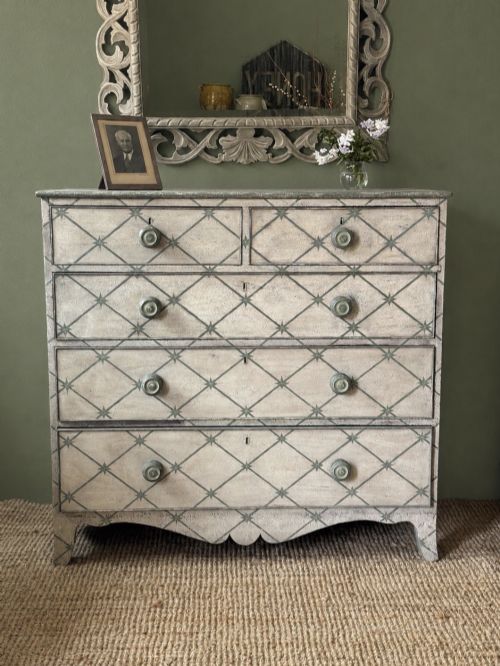
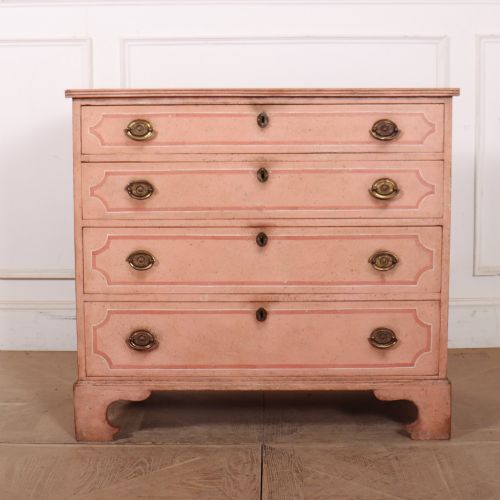


Hand Painted Pine Commode
These hand painted pine commode pieces bring rustic charm and practical storage to a room through traditional folk art decoration.

Hand Painted Pine Commode
A hand painted pine commode search uncovers practical storage items, primarily chests of drawers alongside cupboards and occasional seating forms. These pieces span periods from the eighteenth century through to the early twentieth century.
The regional origins and styles vary widely, encompassing English country pieces alongside Continental folk art, Scandinavian country work, and Gustavian designs. Buyers frequently encounter nineteenth century examples finished in original paint or scumbled surfaces.
Makers and workshops ranged from British provincial joiners to Swedish factories such as Gemla Fabrikers, reflecting diverse domestic and continental traditions. Most survivors function as chest of drawers formats with multiple storage tiers.
Construction and surface finishes
Makers utilised softwoods and pine for the main carcass and drawer structures, often applying decorative paint finishes directly to the wood. Techniques included scumbling, where a translucent glaze is manipulated over a base coat to imitate finer timbers like birch.
Surfaces frequently display original hand painted decoration or folk art motifs applied by regional artisans. Hardware details commonly incorporate brass fittings to complement the painted wooden bodies.
A child's high chair occasionally joins the lineup of heavy chests, proving that even toddlers needed folk art style.
Judging the standard of decoration and survival
The integrity of the original paint surface distinguishes superior examples from heavily restored or later decorated pieces. Surviving brushwork that retains its early character and undisturbed patina holds greater merit among collectors.
Structural joinery in the pine framework and drawer construction indicates the competence of the original maker. Pieces preserving untouched regional characteristics or documented factory origins demonstrate stronger design cohesion.
Gemla Fabrikers
The Hand Painted Pine Commode Glossary
- Scumbled
- A decorative paint technique where a translucent top layer is worked over a lighter ground to simulate graining or texture. This finish appears frequently on nineteenth century pine furniture.
- Folk art
- Artistic work produced from an indigenous culture or peasant tradition, often featuring stylized painted motifs. Continental and Scandinavian examples frequently showcase these regional designs.
- Gustavian
- The Swedish interpretation of neoclassical style, characterised by lighter painted finishes and restrained ornamentation. Pieces from this tradition often utilise pale tones on pine timbers.
- Commode
- A movable piece of furniture containing drawers or compartments, functioning primarily as a chest of drawers. The term covers various storage forms across different European traditions.
- Softwood
- Timber from gymnosperm trees such as pine, used extensively for country furniture construction due to its accessibility. It provides a receptive base for hand painted decoration.
Hand Painted Pine Commode: Frequently Asked Questions
What is a hand painted pine commode?
These items are wooden storage chests and cupboards constructed from softwoods and finished with decorative painted surfaces. They serve as functional drawer units that bring traditional folk art aesthetics into living spaces.
Most examples date from the eighteenth to the early twentieth century, originating from British, Scandinavian, and continental workshops. Their primary purpose remains domestic storage combined with decorative regional character.
How do I identify original paint?
Original painted surfaces show natural wear, stable craquelure, and integration with the underlying pine timber that modern repainting cannot replicate. Examining the edges and protected areas reveals the historical layering of the pigments.
Unrestored pieces often display consistent fading and patination acquired through decades of domestic use. Expert inspection looks for harmonious ageing across both the hardware and the painted decoration.
Where were these pieces made?
Production centres spanned across England, Sweden, Holland, and Hungary, each region developing distinct folk art traditions and cabinetmaking habits. Swedish and continental pieces often lean toward Gustavian or rural folk styles.
English country workshops produced more utilitarian chests alongside decorative provincial pieces. Local timber availability determined the use of pine and softwood for these domestic furnishings.
How do I care for painted pine?
Protect the painted surfaces from direct sunlight and sharp fluctuations in room humidity to prevent paint flaking and timber movement. Maintain a stable indoor climate to preserve the original finish.
Dust the surface gently with a dry, soft cloth and avoid chemical cleaning agents that might dissolve historical paint layers. Professional conservation advice helps address any structural instability in the pine.