




Traditional Painted Kitchen Server
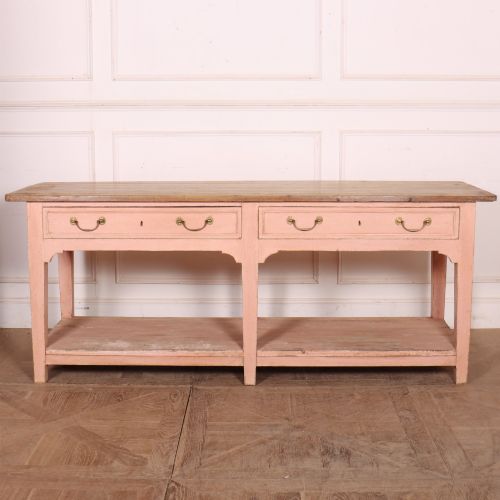
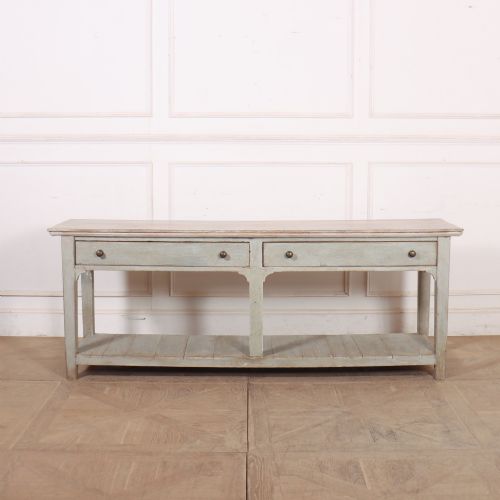
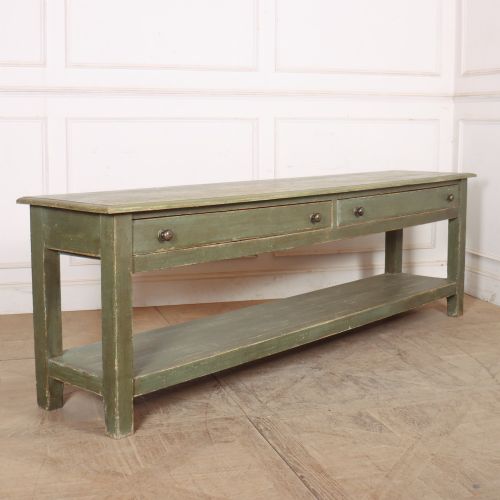
A traditional painted kitchen server is a sturdy utilitarian base built to handle daily domestic work.
Traditional Painted Kitchen Server
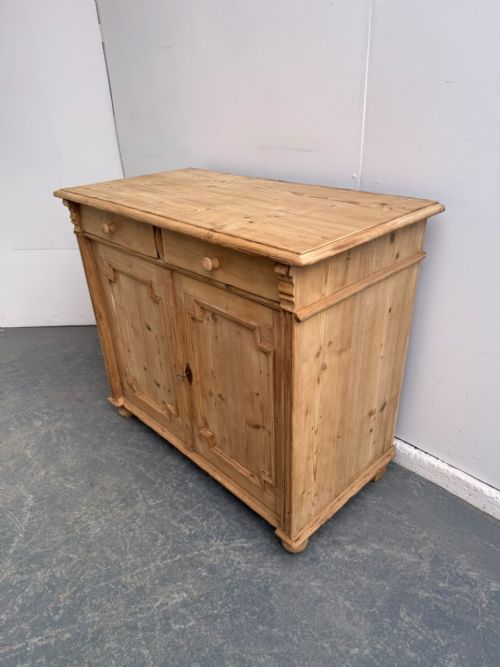
When you search for a traditional painted kitchen server, you encounter robust storage pieces designed for domestic utility. The examples found here span the eighteenth century, the nineteenth century, and around eighteen ninety, reflecting prolonged functional use in domestic settings. These items include dresser bases, serving tables, and prep tables rather than upper shelving sections.
How they were made
Makers utilised solid timbers such as pine and oak to construct these robust kitchen items, often incorporating lower potboards for heavy storage. Construction methods prioritised utility and durability, using straightforward joinery suited to heavy daily work in country houses and farmhouses.
Surfaces were frequently finished with paint or left as painted wood and timber, sometimes complemented by brass or metal hardware. These finishes protect the underlying wood while displaying the patina accumulated through decades of kitchen use.
Traces of flour and old batter tucked into drawer corners remind you these servers lived through serious pastry work.
What varies in quality
The standard of a traditional painted kitchen server depends largely on the integrity of its timbers and the character of its surface finish. Pieces constructed from dense pine or oak with well-maintained potboards and drawers show greater structural resilience than those with excessive wear.
Proportion and scale also distinguish individual pieces, from narrow servers to monumental country house dresser bases. The depth of the accumulated paint layers and the preservation of original structural elements define the character of each piece.
The Traditional Painted Kitchen Server Glossary
- Potboard
- A low open shelf beneath a dresser base traditionally used for storing pots and pans. This lower tier provides structural stability to the legs.
- Dresser Base
- A low freestanding cabinet or sideboard featuring drawers and cupboards without upper shelving. These items served as primary workspace and storage in traditional kitchens.
- Prep Table
- A sturdy utilitarian table designed for food preparation and general kitchen tasks. They often feature robust wooden tops and unpretentious framing.
- Georgian
- A period spanning the eighteenth century characterised by classical proportions and practical forms. Furniture from this era focuses on functional domestic utility.
Traditional Painted Kitchen Server: Frequently Asked Questions
What is a traditional painted kitchen server?
A traditional painted kitchen server is a heavy wooden base used for food preparation and storage in domestic kitchens. These pieces typically feature drawers, cupboards, and sometimes an open lower shelf.
They originate from periods spanning the eighteenth and nineteenth centuries, reflecting the functional needs of English country houses and farmhouses. Their painted surfaces and robust construction suited them for daily utilitarian tasks.
How were these servers used?
These pieces served as workspace for preparing meals and as storage cabinets for heavy kitchen utensils and crockery. The flat top provided a sturdy surface for chopping and kneading.
The lower potboards and drawers kept essential pots and dry goods within reach. They were workhorses in the domestic spaces of country houses and farms.
How do I live with one?
Living with a traditional painted kitchen server involves embracing its robust character and utility in a modern kitchen or dining space. Their durable wooden surfaces and painted finishes integrate well into everyday environments.
They function effectively as sideboards, prep islands, or serving tables. Regular dusting and gentle care preserve the historic paint and timber.
How can I tell periods apart?
Distinguishing periods relies on observing construction details, timber selection, and stylistic cues present in the piece. Eighteenth-century examples often display simpler, heavier joinery associated with Georgian country furniture.
Nineteenth-century items may incorporate stylistic elements from Gothic Revival or Victorian country traditions. Examining the build and hardware helps place the piece within its historical context.