




Traditional Ottoman
A traditional ottoman brings quiet history into a room, offering low seating or a surface built to hold years of daily living.
Traditional Ottoman
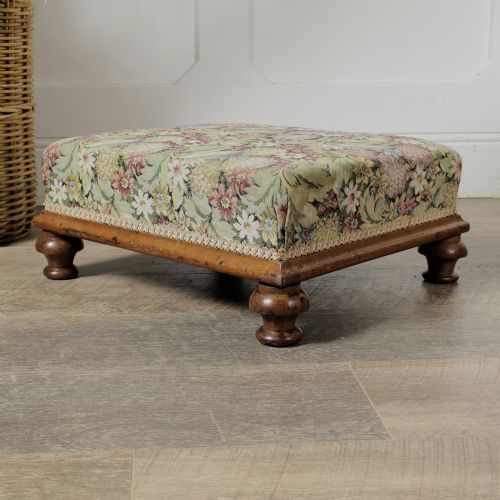
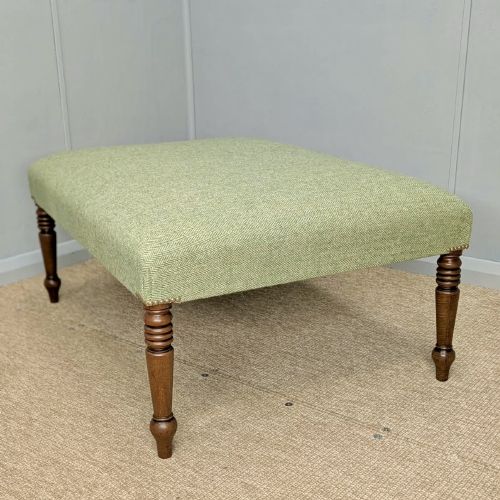
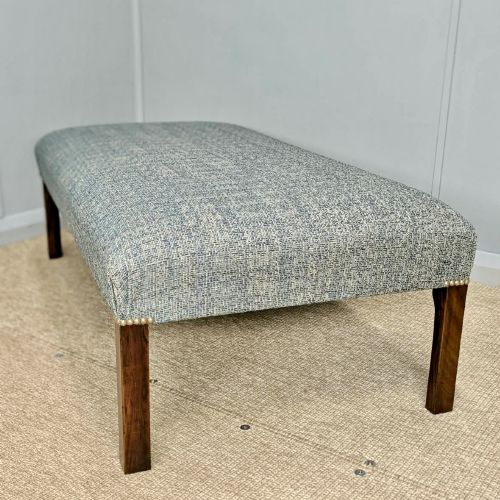
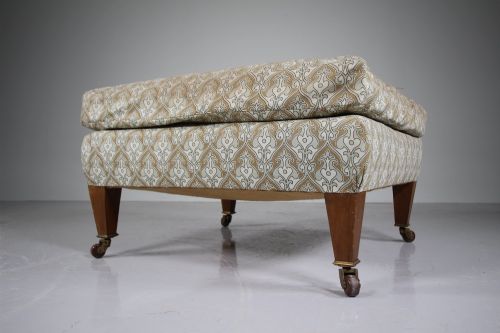
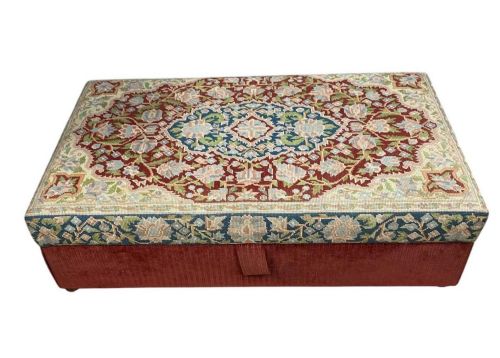
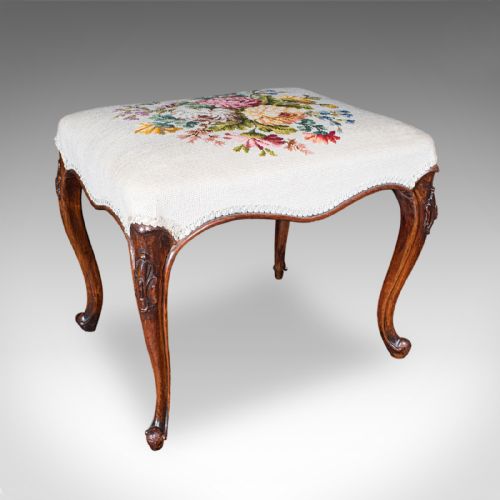
When you search for traditional ottoman, you encounter a varied group of low seating, footstools, and storage chests spanning several centuries. The selection ranges from buttoned leather footstools to upholstered mahogany frames and woven carpets originating from different stylistic traditions.
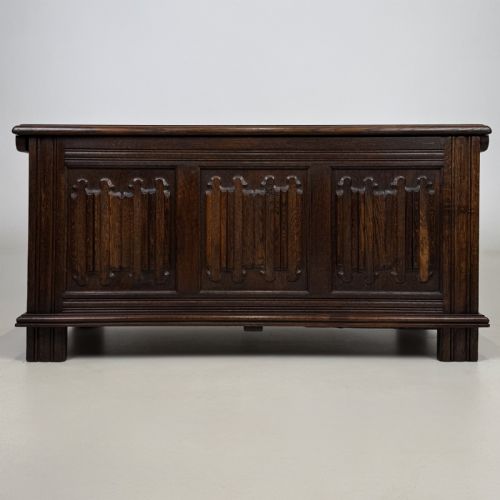
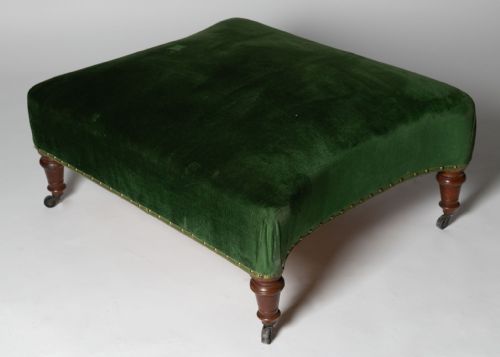
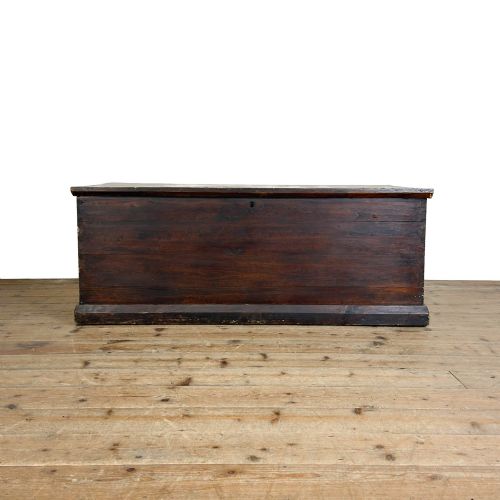
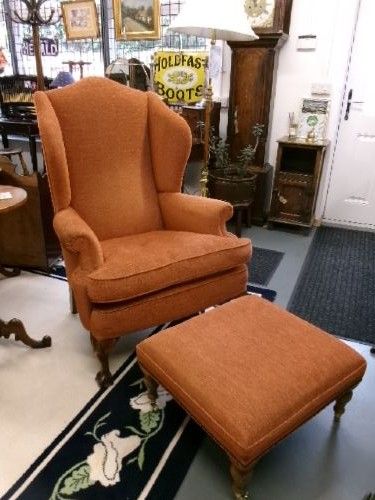
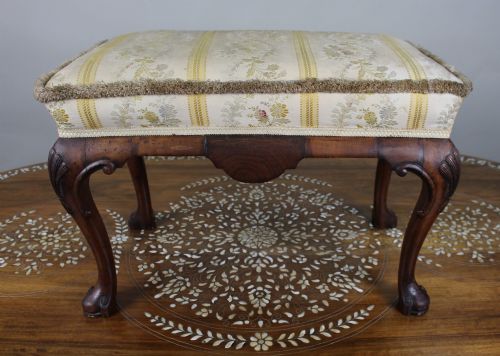
Footstools and ottomans form the core of this grouping, often featuring turned wooden legs, brass castors, and wool or linen upholstery. Alongside these seats, pine blanket boxes and low storage trunks appear frequently under the wider umbrella of the search phrase.
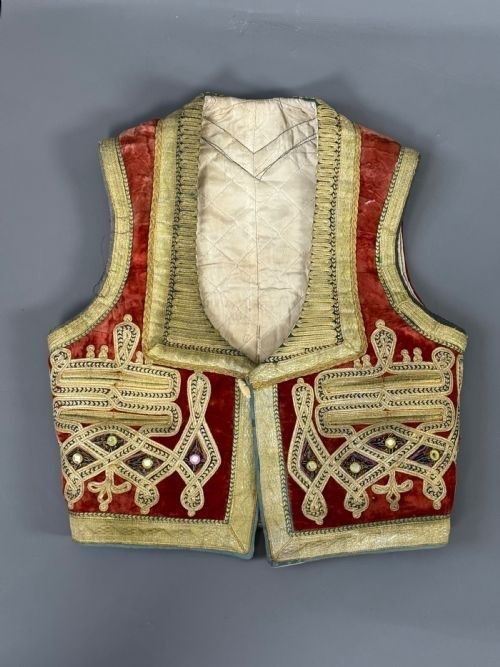
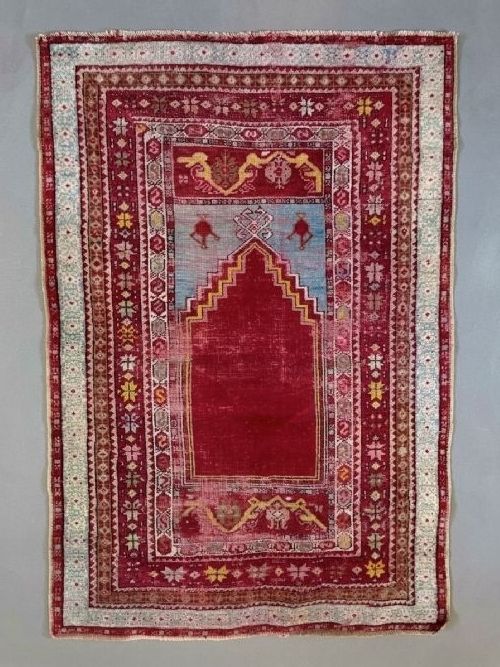
The objects also encompass regional textiles and decorative metalwork, including Anatolian prayer rugs and brass ewers. Pieces span the Victorian era, the nineteenth century, and early decades of the twentieth century, reflecting both English country house tastes and broader global influences.
Materials and construction methods
Makers utilised solid timbers such as mahogany, walnut, oak, and pine to build the structural frames and storage boxes. Joinery methods often included hand-cut dovetails for trunks and sturdy mortise and tenon joints for seating frames.
Upholstered surfaces relied on natural fillings, deep buttoning, and traditional covers of leather, wool, cotton, and needlepoint fabric. Metal elements like brass castors and bronze finials provided both functional mobility and decorative detail.
Traditional Ottoman Retail Price Guide 2026
Typical asking prices for traditional ottoman among the pieces listed under this phrase on Sellingantiques today, from the lower quarter to the upper quarter. They describe what is for sale here now, not the wider market.
A brass ewer bearing a crescent moon finial waits quietly among the footstools, holding centuries of distant ritual in thirty-two centimetres.
Quality variations across pieces
The standard of timber selection and joinery sets individual items apart, with dense hardwoods and precise framing indicating superior workshop origins. Pine storage trunks show variation in the thickness of the boards and the integrity of their corner joints.
Upholstery execution and fabric retention dictate the finish of seating pieces. Hand-dyed leather, tight buttoning, and the survival of original needlepoint or kilim coverings demonstrate higher execution levels than later replacement textiles.
Howard And Sons
The Traditional Ottoman Glossary
- Buttoned leather
- Upholstery secured with deep indentations held by buttons, creating a padded and patterned surface. This technique often appears on nineteenth-century footstools and armchairs.
- Castor
- A small wheel fitted to the base of furniture legs to allow smooth movement across floors. Brass mounts frequently accompany these wheels on heavy Victorian pieces.
- Kilim
- A flat-woven carpet or rug produced without a pile, using traditional slit-weave techniques. These textiles occasionally cover nineteenth-century footstools.
- Blanket box
- A large rectangular storage chest traditionally used for linens and blankets. They are commonly constructed from stained or stripped pine.
- Prayer rug
- A small carpet featuring a mihrab design, traditionally used for individual prayer. Examples in the listings originate from nineteenth-century Anatolian and Turkish traditions.
Traditional Ottoman: Frequently Asked Questions
How were traditional ottomans used originally?
These pieces served multiple domestic functions, acting as footrests before armchairs, impromptu seating, or low coffee tables in drawing rooms. Storage variants kept household linens and blankets close at hand.
Textiles and metal items fulfilled both decorative and ritual roles within domestic spaces, reflecting the varied origins of the items gathered under this heading.
What woods appear most often in these frames?
Mahogany and walnut dominate the finer seating frames and tables, providing durable structures for carving and polished finishes. Oak also appears in earlier and more robust stool designs.
Pine is the primary material for blanket boxes and storage trunks, chosen for its utility and strength in everyday household service.
How do I identify a Victorian footstool?
Victorian examples frequently combine turned wooden legs with heavy wool, needlepoint, or buttoned leather upholstery. The presence of brass castors is also characteristic of this period's seating.
Construction details and timber ageing help confirm the nineteenth-century origins of these pieces, distinguishing them from later revival items.
Can I use an antique carpet as a rug?
Ushak and Anatolian carpets function well as floor coverings when their pile and weave retain sufficient strength. Large room-size examples anchor traditional interiors effectively.
Careful placement away from heavy foot traffic helps preserve older woven wool surfaces while maintaining their visual impact in a room.