






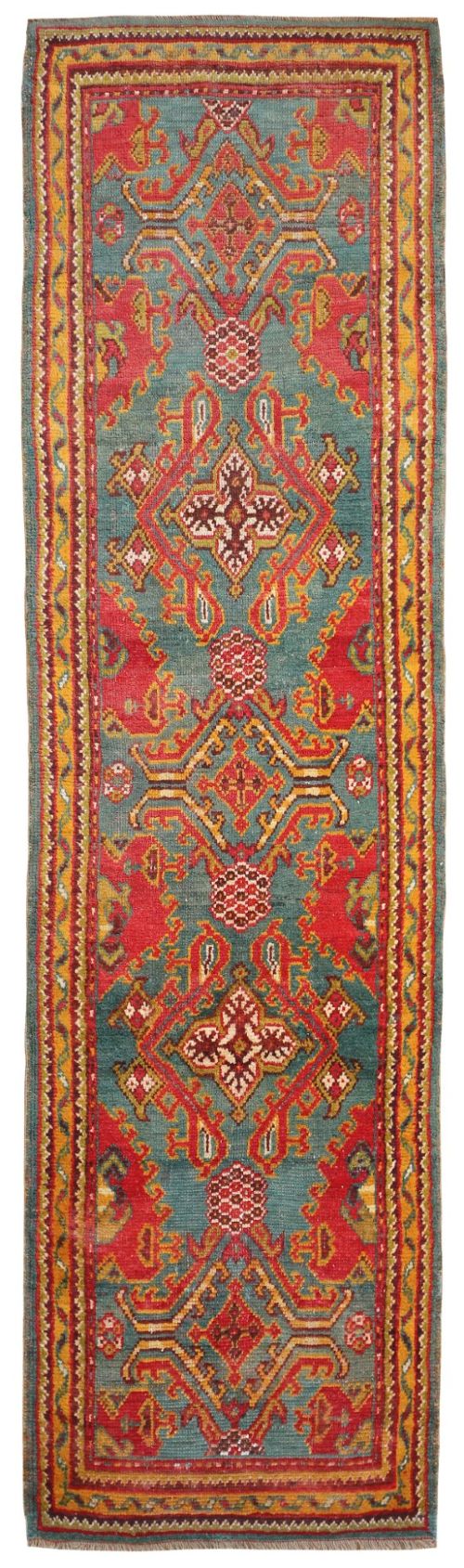
Traditional Oriental Runner
These traditional oriental runner examples bring centuries of weaving heritage into narrow hallways, rendered in wool and camel hair across Persian, Caucasian and Turkish workshops.
Traditional Oriental Runner
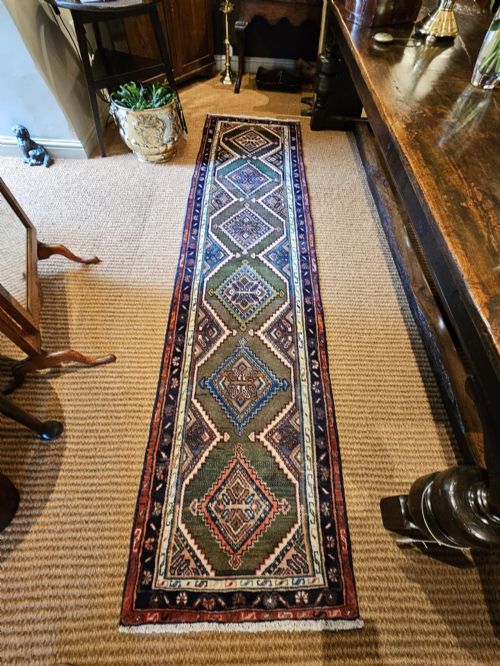
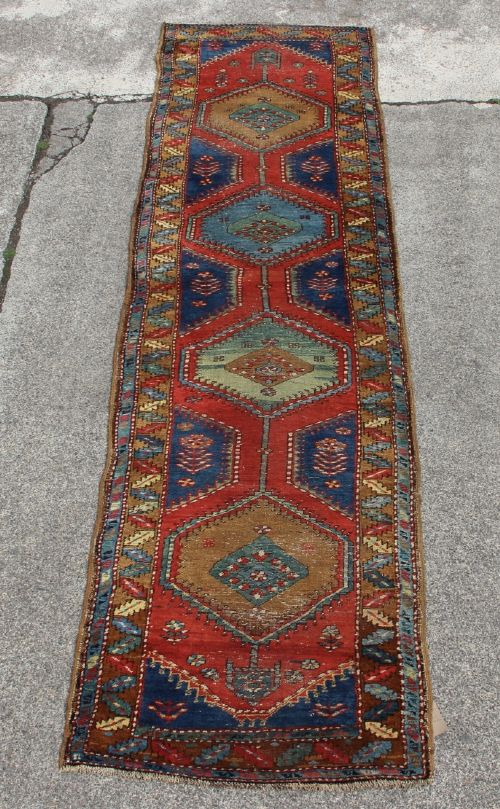
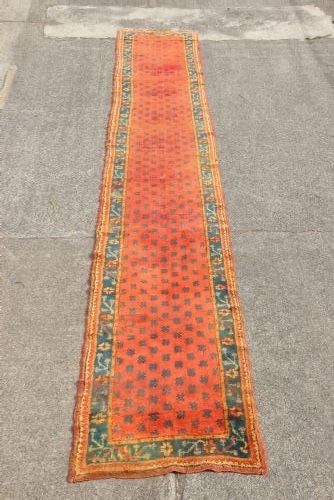
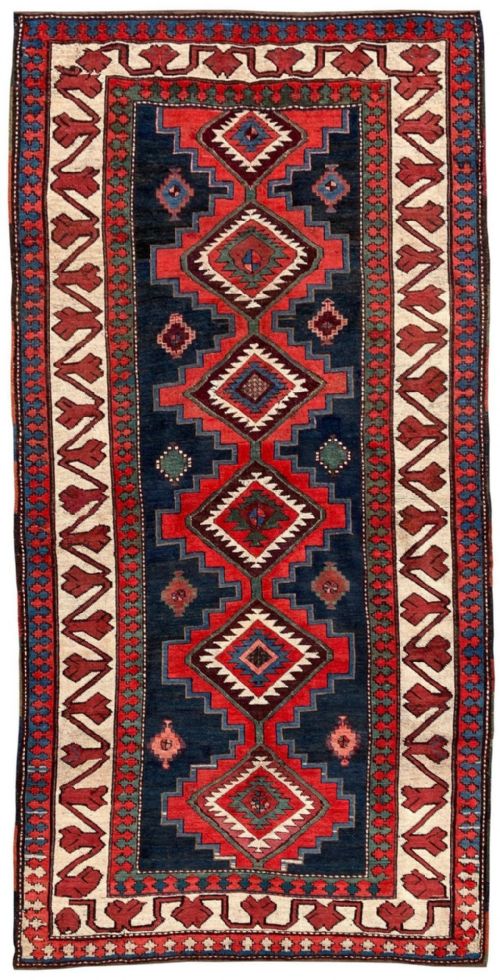
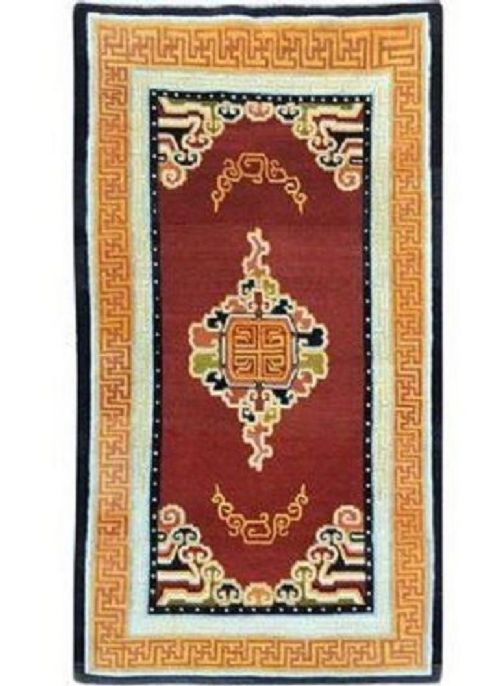
A traditional oriental runner serves a functional path in a hallway or narrow space, woven in elongated rectangular proportions. These pieces originate from Persian, Caucasian, Turkish, Turkmen, and Tibetan weaving traditions, spanning periods from the mid-nineteenth century through to the vintage era of the 1930s.
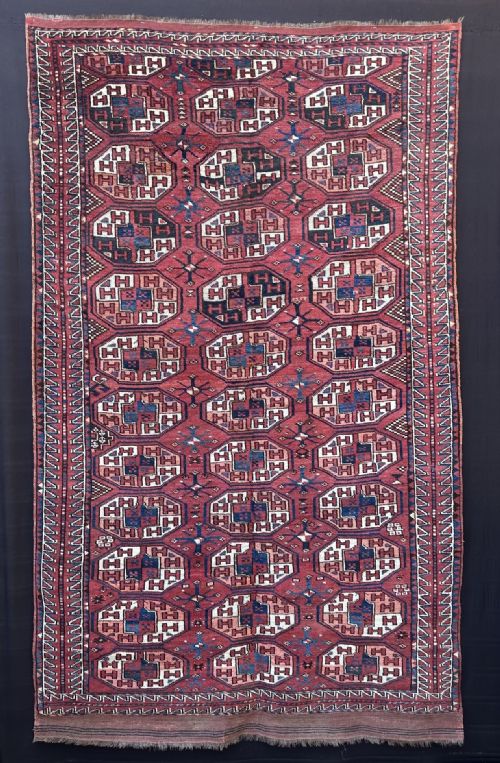
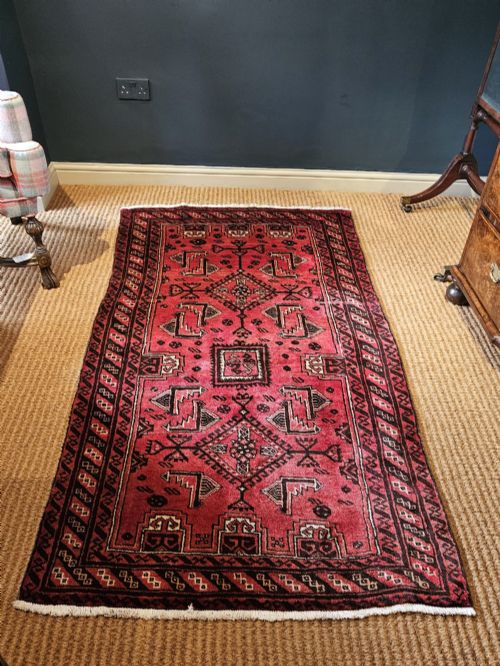
Buyers encounter regional forms such as Kurdish, Heriz, Hamadan, and Oushak runners alongside Caucasian Kazak and Gendje examples. These textiles display geometric medallions, lattice patterns, and repeating motifs influenced by tribal and village workshops across Central Asia and the Near East.
Materials and construction methods
Weavers utilised natural sheep wool, pure wool, silk, cotton, and occasional camel hair for the pile and foundation threads. These fibres were hand-spun and dyed using natural colourants derived from plants and minerals, producing the mellow tones visible in older specimens.
The construction relies on hand-knotting techniques or flatweave methods like kilim, secured on cotton or wool warp and weft foundations. Nomadic and village makers built these durable carpets to withstand heavy foot traffic while maintaining pliable handling.
Traditional Oriental Runner Retail Price Guide 2026
Typical asking prices for traditional oriental runner among the pieces listed under this phrase on Sellingantiques today, from the lower quarter to the upper quarter. They describe what is for sale here now, not the wider market.
Listings feature wool, cotton, silk, and camel hair across eight distinct decades from the 1850s to the 1930s.
Distinctions in quality
Quality rests upon knot density, the precision of the geometric or floral layout, and the integrity of the foundation materials. Finer specimens exhibit tight, uniform knotting that allows complex medallion work and sharp border details to remain legible on the floor.
The choice and depth of natural dyes dictate visual depth, as vegetable colours mellow harmoniously over decades. Pieces retaining balanced proportions in long, narrow formats demonstrate superior planning by the original weaver.
The Traditional Oriental Runner Glossary
- Runner
- A long, narrow carpet designed specifically for hallways, corridors, and stairs. These formats balance the dimensions of domestic transit spaces.
- Warp
- The vertical foundation threads stretched lengthwise on a loom before knotting begins. The fringe typically forms from these extended ends.
- Weft
- The horizontal threads passed alternately over and under warp threads to lock the knots in place. This structure gives the carpet its lateral stability.
- Gul
- A repeating medallion or octagonal motif frequently found in Turkmen and Baluch tribal weaving. Each design often signifies a specific clan or lineage.
- Mihrab
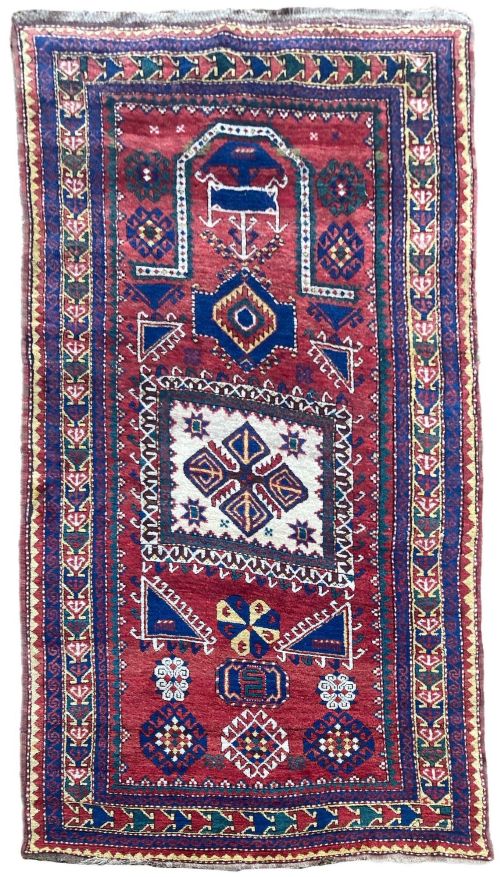
- An arched design element representing a prayer niche, commonly centred in rugs intended for devotional use. This architectural motif points toward Mecca.
Traditional Oriental Runner: Frequently Asked Questions
How do I place a runner in a narrow hallway?
Measure the corridor length and width carefully, leaving exposed timber or stone flooring around the perimeter of the carpet. This approach protects high-traffic circulation routes while framing the textile properly.
Secure the runner with a suitable underlay to prevent slipping on hard surfaces and to cushion the wool pile against floorboards.
How do I care for antique wool runners?
Vacuum the carpet gently using suction attachment without a rotating brush bar to protect the hand-knotted pile and historic wool fibres. Lift and shake smaller pieces outdoors rather than beating them.
Address spills immediately by blotting with a clean cloth, avoiding harsh chemical cleaners that can damage natural vegetable dyes. Professional cleaning should occur infrequently by specialists familiar with antique textiles.
How do I distinguish Persian from Caucasian runners?
Persian pieces generally utilise softer floral curves, curvilinear vines, and medallion formats originating from workshops in Heriz, Hamadan, or Saroukh. The wool and knotting tend toward supple, dense structures.
Caucasian examples favour bold, rectilinear geometry, hooked polygons, and strong primary colours typical of Kazak and Gendje regions. The designs reflect robust tribal traditions with stark colour contrasts.
What periods do these runners cover?
The listings span from the mid-nineteenth century through the Edwardian period and into the 1930s vintage era. Pieces from the 1850s to the 1880s represent nineteenth-century village output.
Items dated from 1900 to 1930 capture late imperial and early twentieth-century production across Turkey, Persia, the Caucasus, and Tibet.