

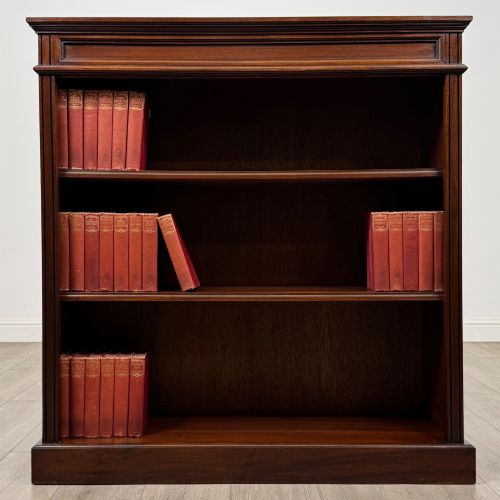
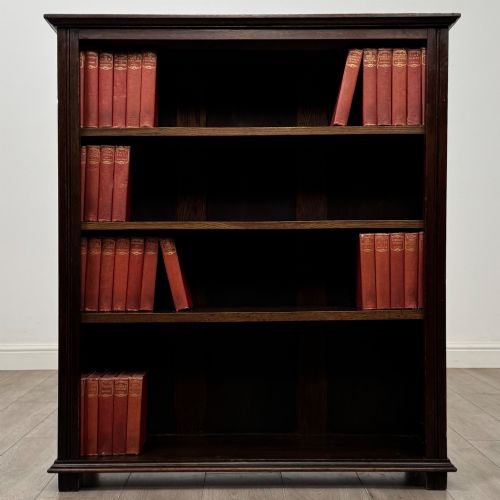
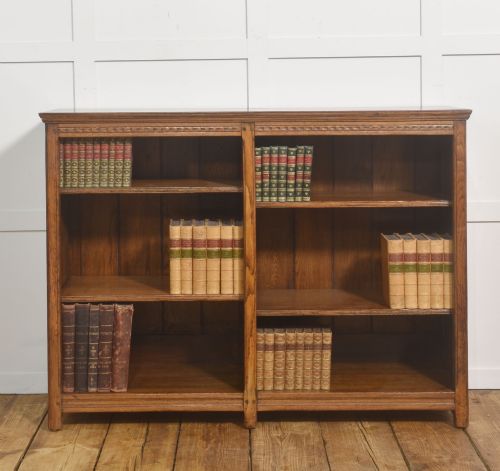
Traditional Open Shelving
Traditional open shelving offers honest, accessible storage, bringing period character and practical display space directly to any room.
Traditional Open Shelving
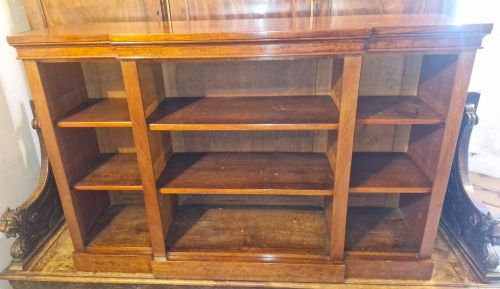
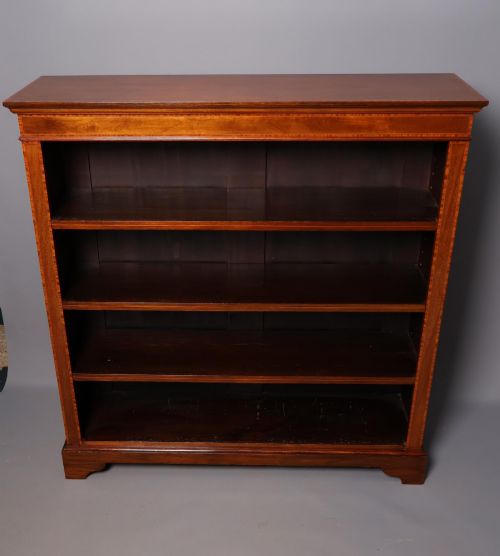
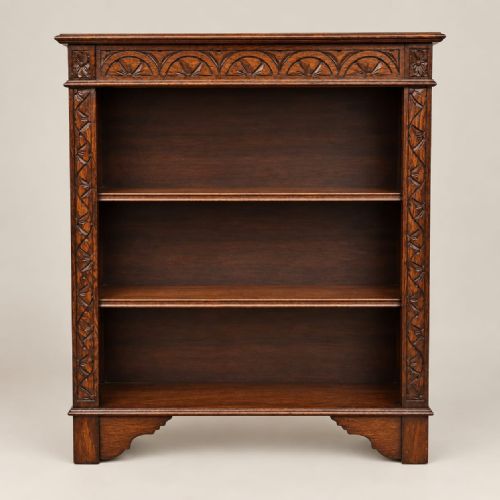
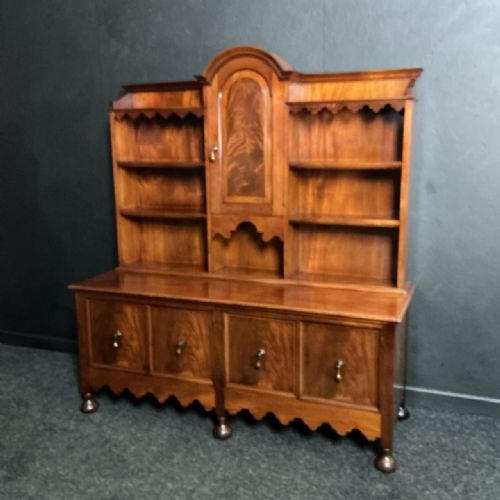
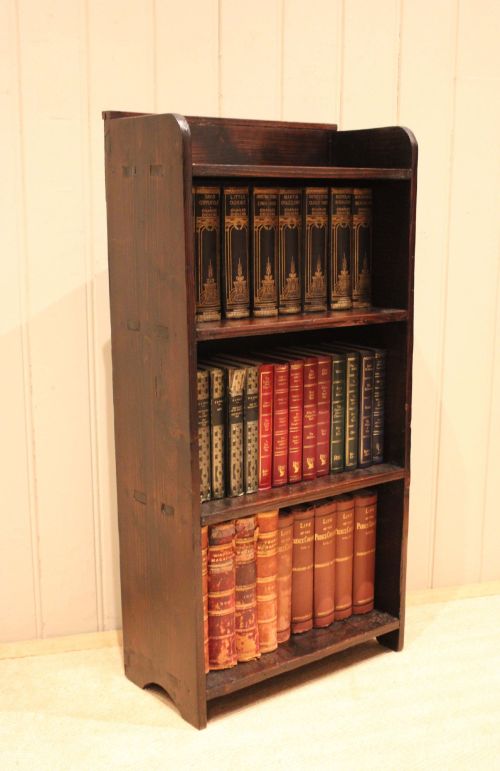
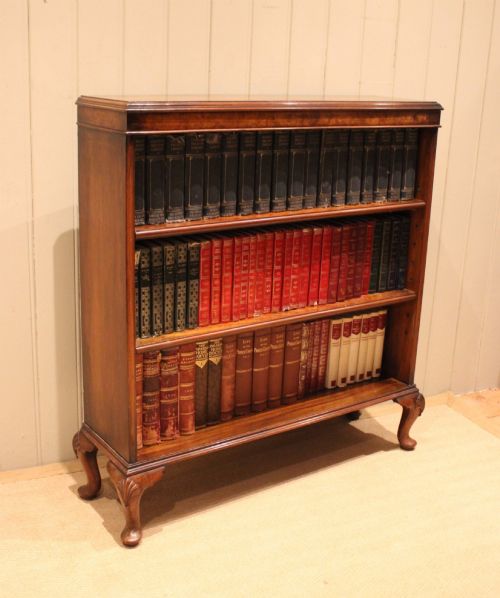
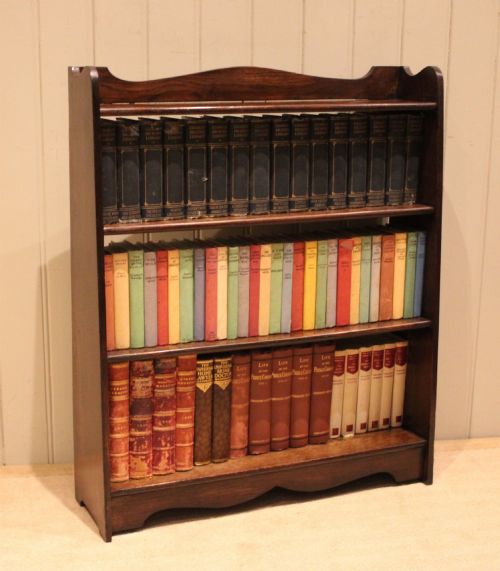
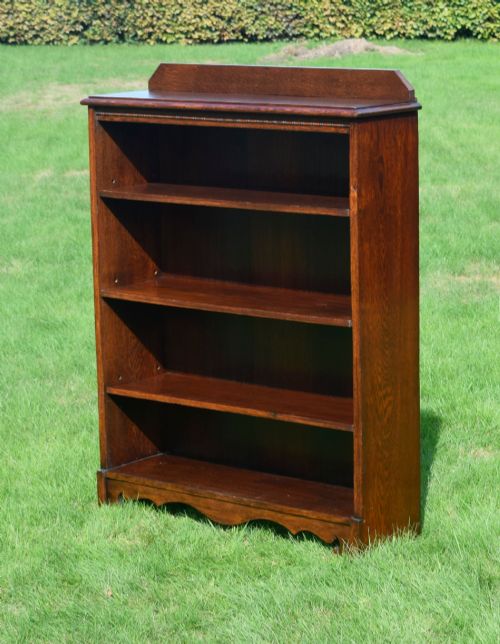
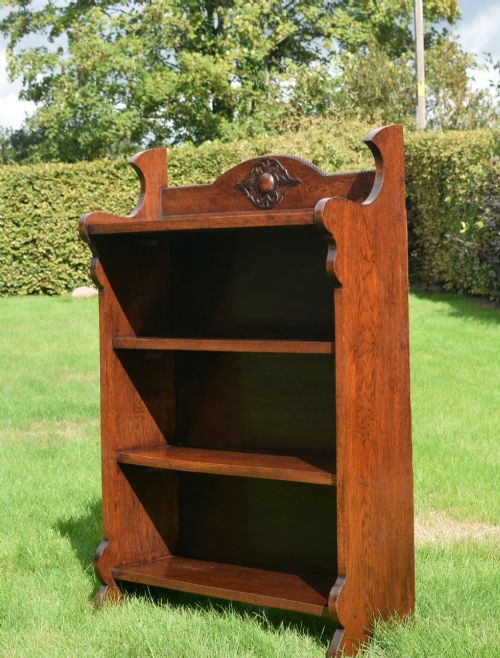
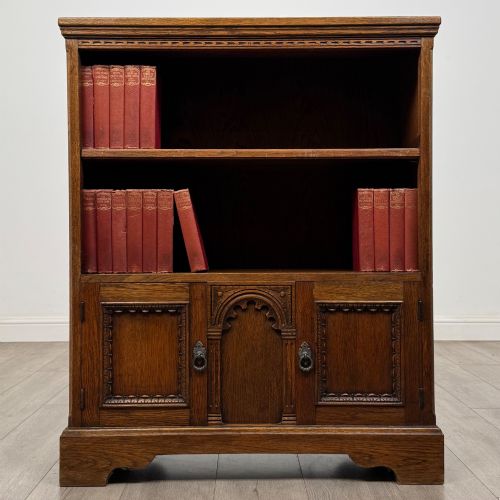
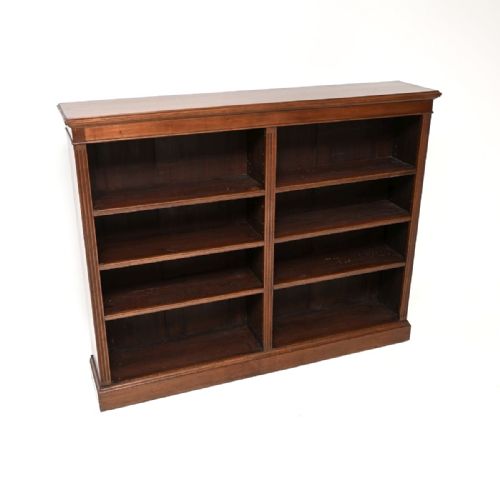
Traditional open shelving encompasses bookcases, dressers, and open library units designed to display volumes and wares without doors. When searching for traditional open shelving, buyers encounter numerous variations spanning the nineteenth and twentieth centuries.
Oak and mahogany dominate the offerings, appearing across Victorian, Edwardian, and Regency pieces. These items range from compact rustic pine bookcases to large library pieces and Welsh dressers in golden oak.
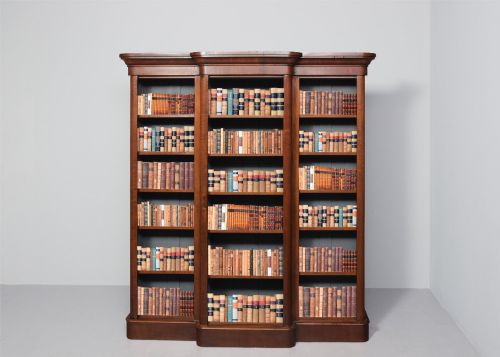
The Edwardian era and the nineteenth century provide the majority of these items, showing simple rustic country forms alongside refined Regency style breakfronts and waterfall designs.
How they were made
Cabinet makers built these pieces primarily from solid hardwoods and softwoods, utilising oak, mahogany, walnut, and pine. Timber selection defined the weight and presence of each bookcase or dresser, from dark oak with beaded edges to burr walnut.
Construction methods focused on utility and display, incorporating adjustable shelves to accommodate varying book sizes. Details such as angled tiers, stepped profiles, and brass accents appeared across different stylistic revivals.
Some nineteenth century bookcases come with brass fittings that allowed owners to adjust shelf heights without losing their patience.
What varies in quality
The grade of timber and the ambition of the design separate standard utility pieces from finer examples. Selection of figured woods like burr walnut or rich mahogany elevates a piece above everyday pine or standard oak.
The Traditional Open Shelving Glossary
- Open Bookcase
- A piece of furniture designed specifically for holding books without enclosing doors on the front. These range from small rustic units to large library bookcases.
- Welsh Dresser
- A traditional kitchen or dining room furniture form featuring lower cupboards or drawers surmounted by open plate racks or shelving. Examples appear in nineteenth century and Edwardian oak.
- Waterfall Bookcase
- A tiered shelving unit where each successive shelf steps back from the one below it, creating a cascading profile. This style appears in Regency and later revival pieces.
- Breakfront
- A large cabinet or bookcase where the central section projects forward from the side sections. This architectural arrangement adds depth and formal presence to larger library pieces.
- Adjustable Shelves
- Shelving supported by mechanisms that allow the height between shelves to be altered. This practical feature appears in nineteenth century and Edwardian mahogany and oak bookcases.
Traditional Open Shelving: Frequently Asked Questions
How do I style open shelving?
Balance books of varying sizes with decorative objects, ceramics, and framed prints to create visual weight and rhythm across the shelves. Allow some empty space between groupings to maintain an uncluttered appearance.
Mix vertical book stacks with horizontal piles to add depth and break up repetitive vertical lines. Natural wood tones provide a warm backdrop that suits both traditional and contemporary interiors.
Are these shelves adjustable?
Many period bookcases feature adjustable shelves supported by wooden ratchets, brass studs, or shelf tracks. This allows you to alter shelf heights for different volumes.
Not all antique open shelving includes this feature, as simpler rustic pine and oak pieces often have fixed shelves nailed or screwed into place.
What woods are most common?
Oak and mahogany appear most frequently across these pieces, reflecting the primary cabinet timbers of the nineteenth and early twentieth centuries. Walnut, burr walnut, and rosewood also feature in more decorative examples.
Pine serves as the primary material for rustic country pieces and utility dressers. Golden oak and dark oak dominate Edwardian and Victorian listings.
How do I identify an Edwardian bookcase?
Edwardian bookcases often combine lighter oak constructions with simplified revival styles typical of the early twentieth century. They frequently feature adjustable shelving and smaller proportions suitable for domestic homes.
Look for honest construction methods and practical sizing that distinguish these pieces from heavier Victorian library furniture.
What is a Welsh dresser?
A Welsh dresser combines a base section of drawers and cupboards with open shelving mounted above for displaying tableware. Examples from the nineteenth and Edwardian periods are constructed primarily in oak.
These versatile pieces served practical storage and display functions in traditional country kitchens and dining rooms.