

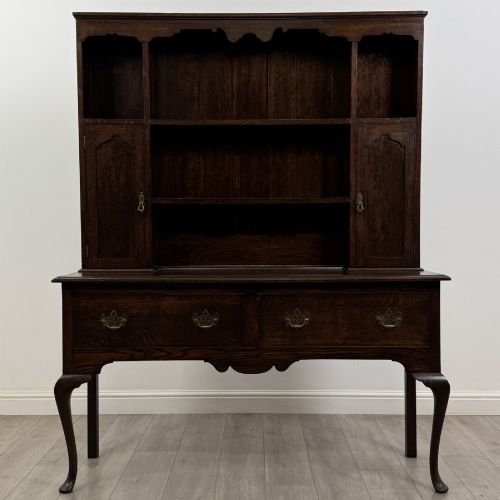
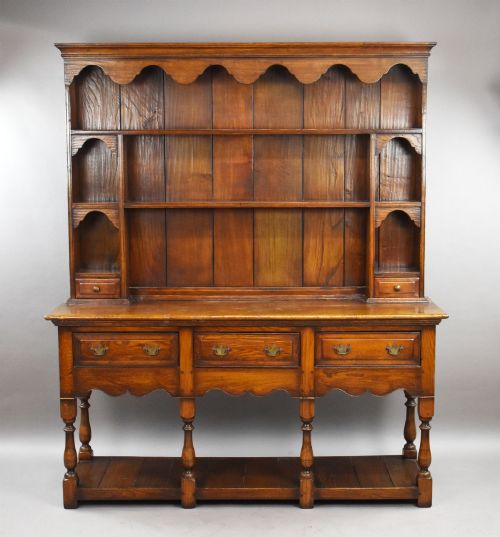
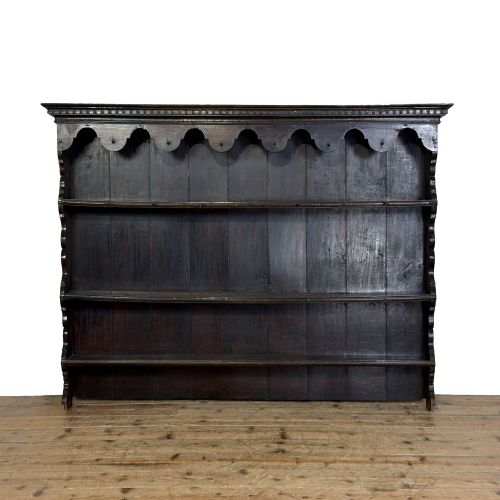
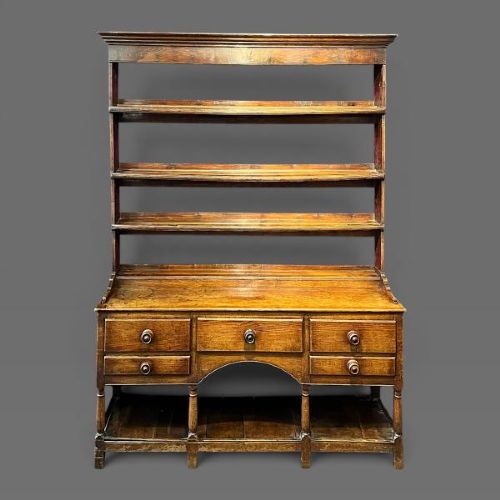
Traditional Open Rack Dresser
A traditional open rack dresser brings honest utility and timeless display space to a kitchen or dining room.
Traditional Open Rack Dresser
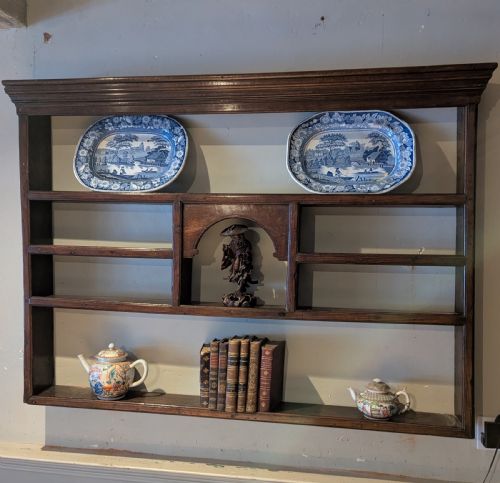
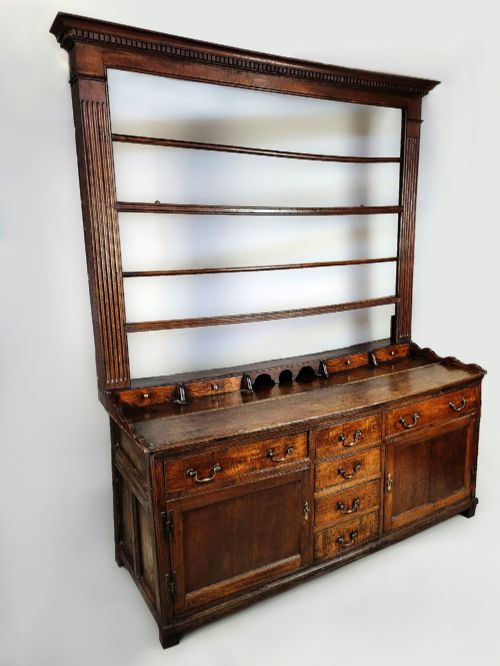
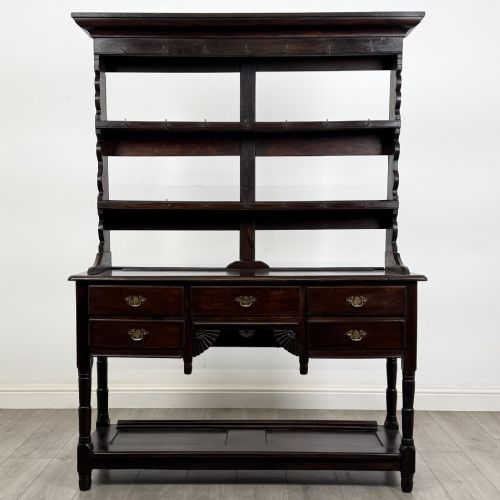
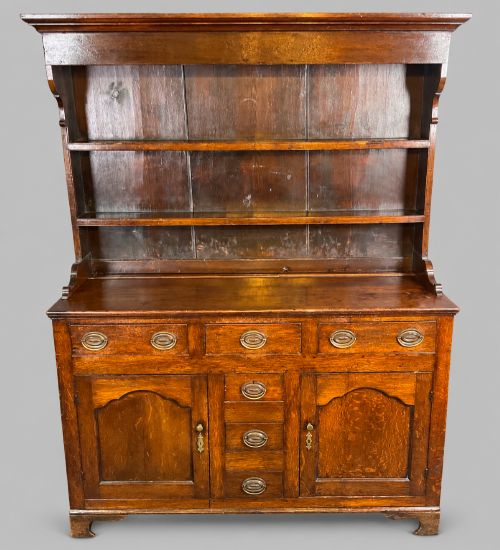
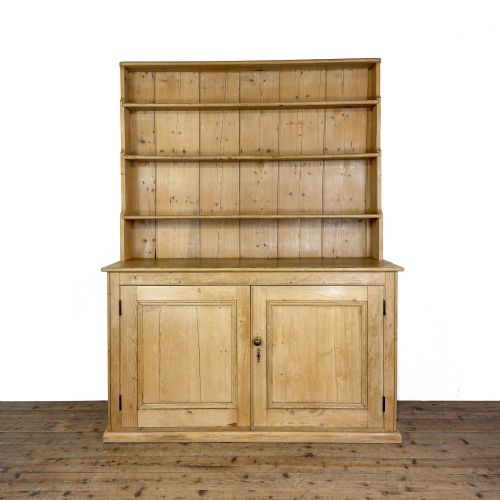
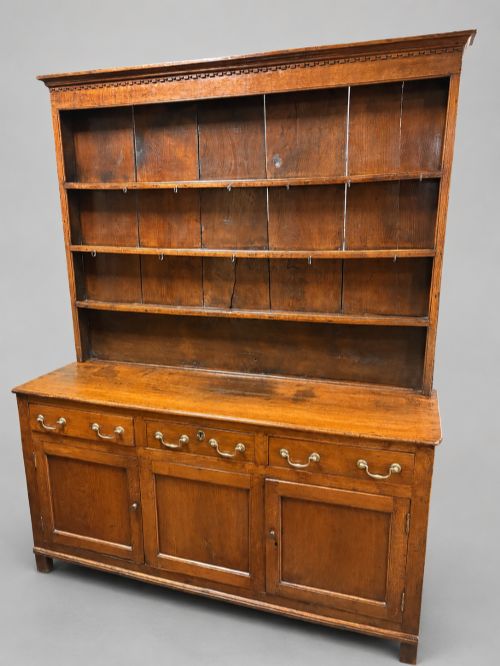
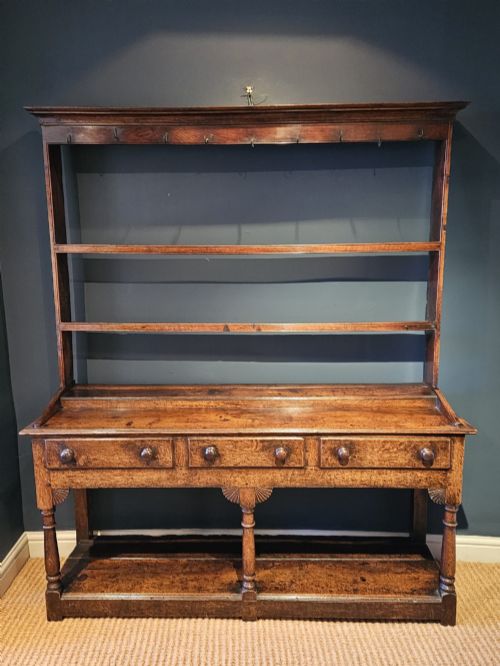
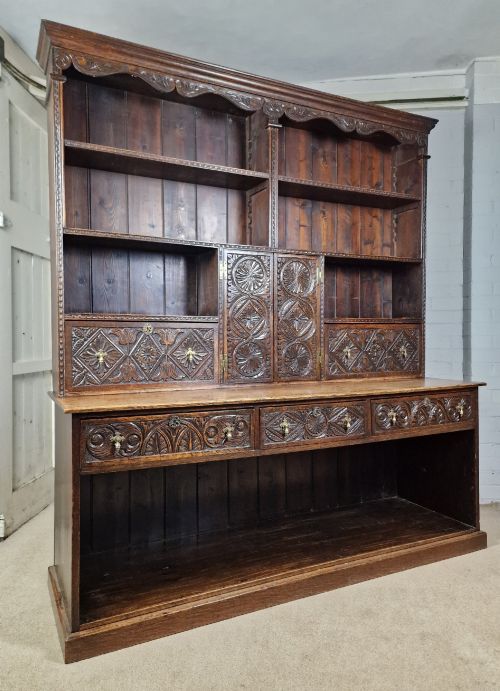
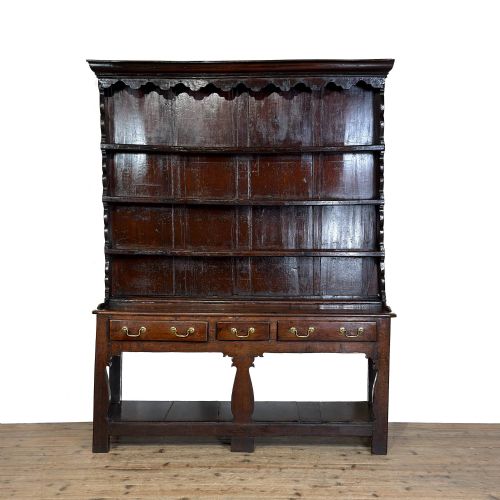
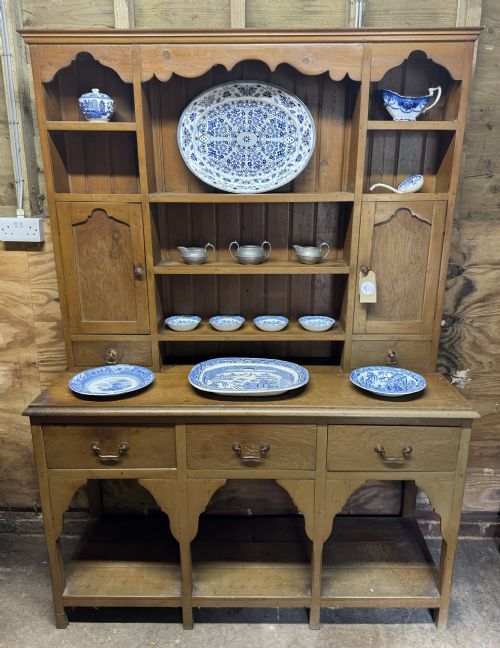
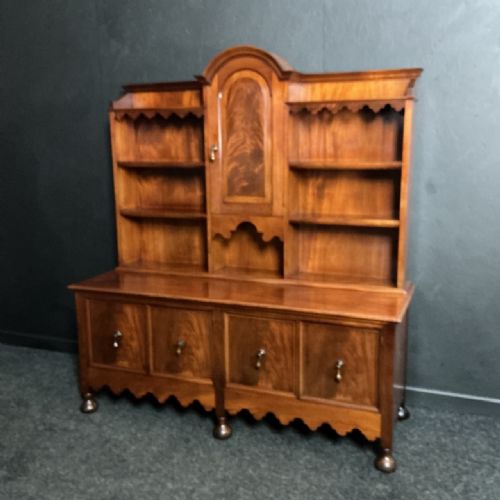
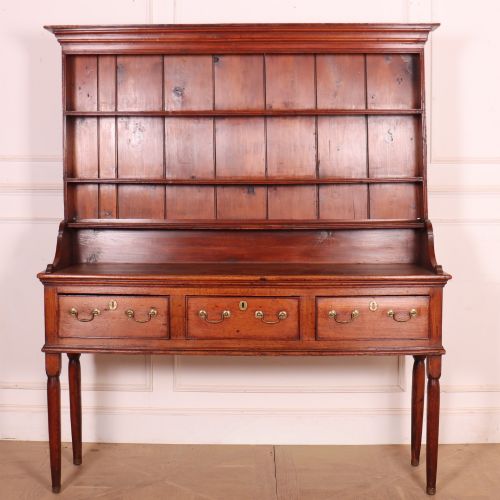
A traditional open rack dresser combines a lower base of drawers and cupboards with an upper set of open shelves designed for displaying plates and crockery. Buyers seeking this form will find robust pieces originating from regional English and Welsh traditions, dating from the eighteenth century through to the early twentieth century.
The most common examples on this page are constructed from native oak or pine, reflecting the domestic vernacular of country houses and farmhouses. These pieces range from large kitchen dressers with pot boards to smaller proportions intended for cottage interiors.
How they were made
Makers utilised solid timbers such as oak, pine, and occasionally mahogany, building the lower carcass with sturdy pegged joints and panelled doors. The upper plate racks were constructed with open backboards and fixed shelves, sometimes incorporating shaped friezes or tongue and groove boarding.
Surface finishes vary from polished honey oak and flame mahogany to original painted or stripped pine patinas. Iron and brass hardware, including period drawer pulls and handles, complete the construction of these functional storage items.
Traditional Open Rack Dresser Retail Price Guide 2026
Typical asking prices for traditional open rack dresser among the pieces listed under this phrase on Sellingantiques today, from the lower quarter to the upper quarter. They describe what is for sale here now, not the wider market.
Listings feature traditional open rack dressers spanning the Georgian, Victorian, and Edwardian periods, constructed primarily in oak and pine.
What varies in quality
Quality in a traditional open rack dresser rests upon the integrity of the timber and the retention of original structural elements, such as pot boards and plate racks. Pieces that retain their original surface patinas and period hardware command greater interest than those with heavily altered components.
Proportion and regional character also dictate distinction, with smaller scales and specific vernacular details like cabriole legs or regional mouldings marking out the finer examples from standard workshop production.
The Traditional Open Rack Dresser Glossary
- Pot board
- A low slatted or solid lower shelf positioned between the legs of a dresser base, traditionally used for storing pots and pans. This feature is particularly characteristic of eighteenth-century Welsh and English country pieces.
- Plate rack
- The upper superstructure attached to a dresser base, featuring open shelves with plate grooves to display ceramic tableware upright. Surviving with an original rack intact is a key attribute for collectors.
- Vernacular
- Domestic furniture built by regional craftsmen to local traditions rather than following formal metropolitan design books. These pieces prioritise functional utility and local timber selection.
- Patina
- The surface sheen and colour acquired by wood and paint over decades of use and waxing. Original patinas show depth and age without modern refinishing.
Traditional Open Rack Dresser: Frequently Asked Questions
What is a traditional open rack dresser used for?
These dressers serve as dual-purpose furniture for both storage and display in domestic spaces. The lower cupboards and drawers hold tableware, linen, and kitchen provisions.
The upper open shelves provide space to exhibit ceramic plates, platters, and decorative objects within daily view.
How do I date an oak dresser?
Dating relies on observing construction methods, timber choice, and hardware styles across the piece. Eighteenth-century examples often feature pegged tenon joints, hand-carved details, and native oak with deep patination.
Later Victorian and Edwardian pieces introduce softer pine timbers, machine-cut elements, and different styles of drawer construction.
Are these dressers all from Wales?
While many prominent examples originate from Welsh workshops and carry distinct regional characteristics, the listings include pieces from various English regions as well.
West Country and general English vernacular dressers share similar utilitarian roots while displaying local timber preferences and mouldings.
How should I care for an antique pine dresser?
Keep the wood nourished by applying natural beeswax periodically to maintain the surface finish and prevent the timber from drying out. Avoid placing antique pine furniture near direct heat sources or strong sunlight.
Dust the open plate racks gently with a soft cloth to protect the original patina and any historic painted surfaces.