
Traditional Oil Portrait Framed
A traditional oil portrait framed brings centuries of character into a room, offering the enduring presence of nobility, officers, artists, and gentlefolk.
Traditional Oil Portrait Framed
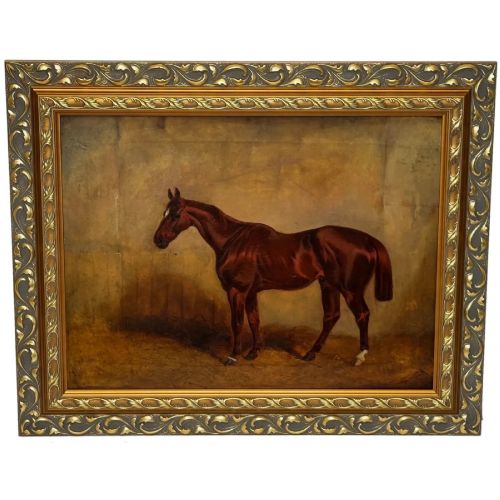
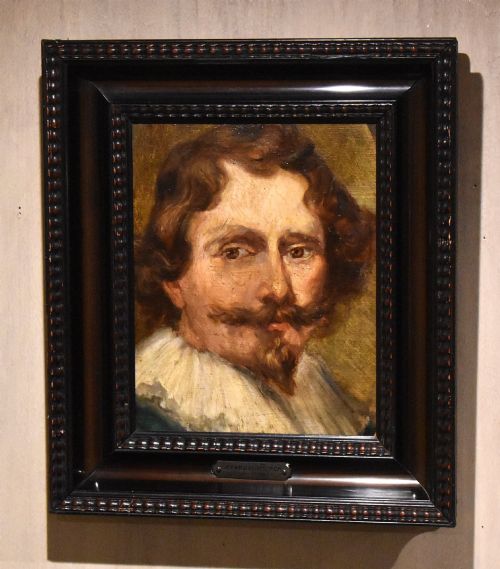
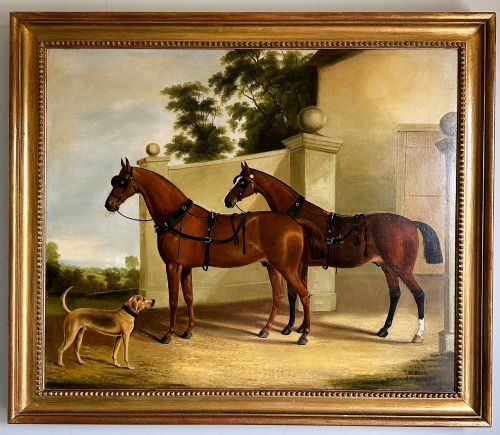
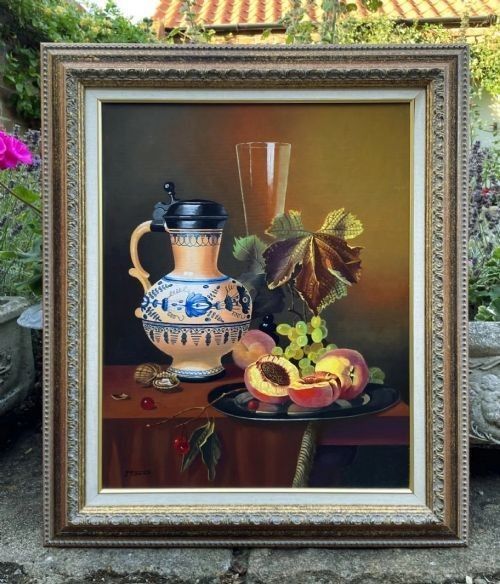
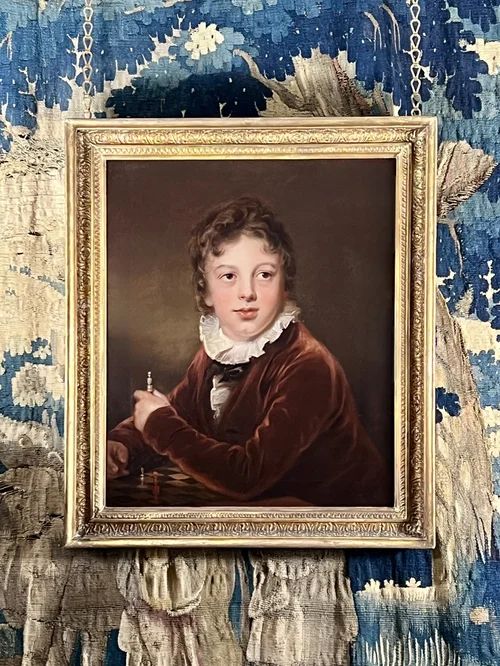
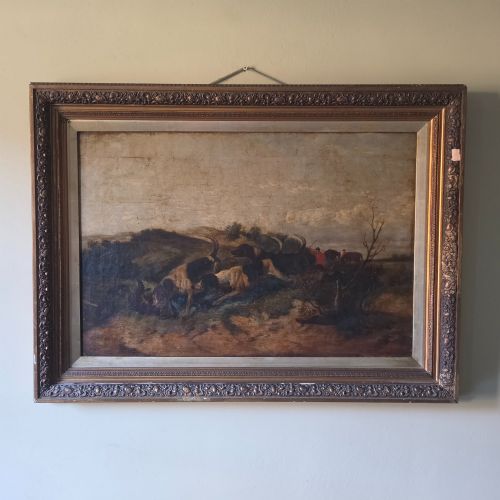
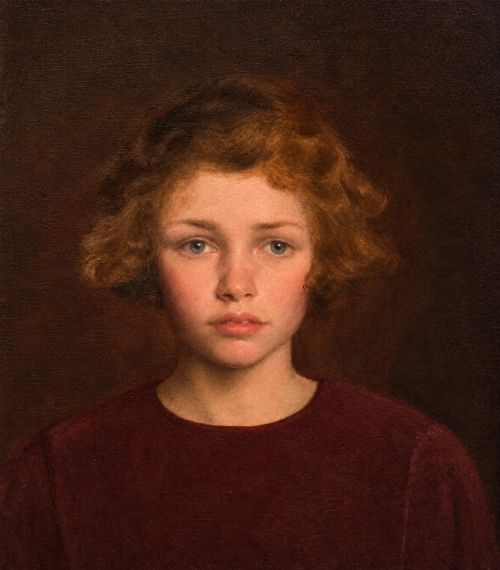
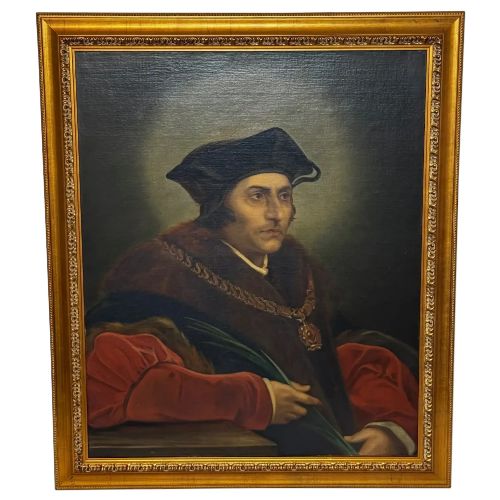
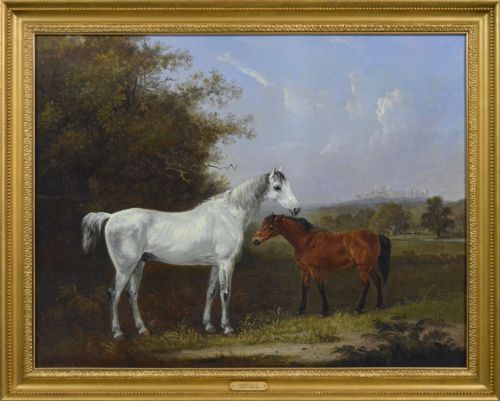
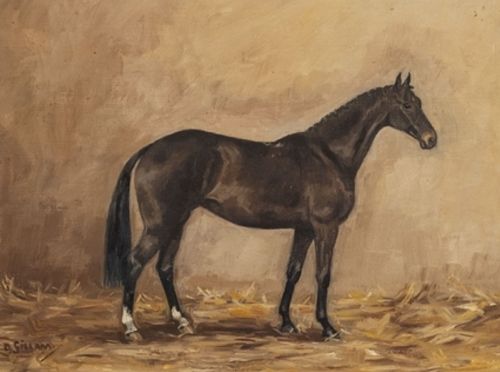
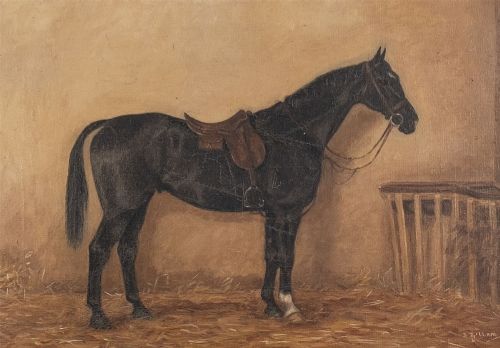
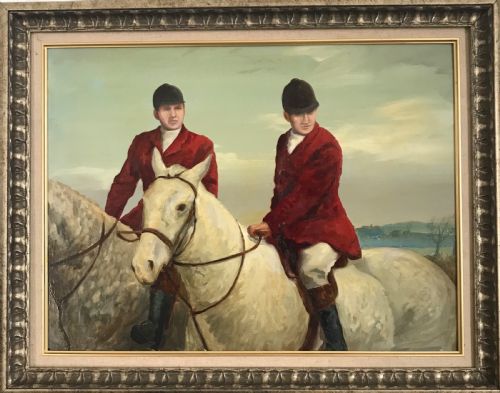
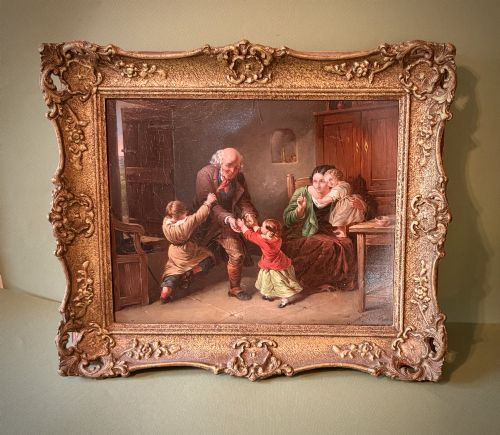
A traditional oil portrait framed represents likenesses executed in oil paint upon canvas, panel, or board, preserved in period surrounds. These works range from seventeenth-century nobility studies to nineteenth-century sporting and domestic subjects.
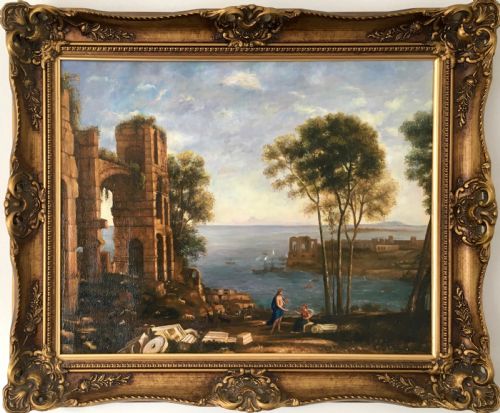
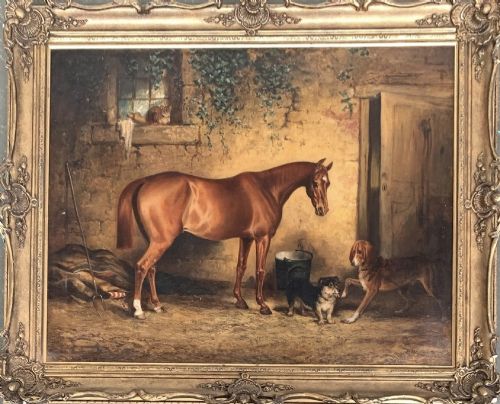
The selections span distinct eras including the Georgian, Victorian, and Edwardian periods. Pieces frequently depict named individuals, military figures, children, and animals, alongside interpretations after earlier masters.
Buyers encounter subjects rendered by regional British schools as well as continental European workshops. The framing ranges from heavy nineteenth-century giltwood to simpler period mouldings that complement the canvas.
How They Were Made
Artists applied oil paint to stretched canvas, wood panels, or boards, building up layers of pigment to achieve depth and luminosity in skin tones and garments. The medium allowed for subtle blending and rich tonal variations that endure across centuries.
Surrounds were constructed from wood, then finished with gesso and gold leaf or giltwood to create ornate architectural profiles. These heavy frames protected the perimeter of the canvas while adding visual weight to the artwork.
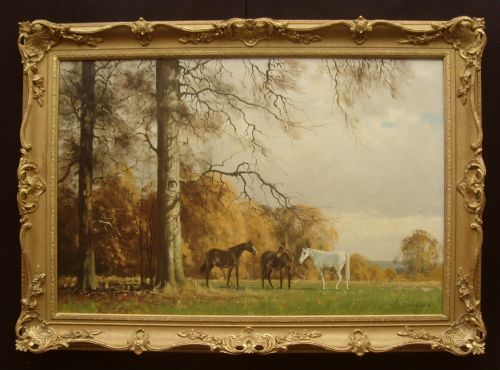
Subjects range from human sitters and sporting animals to marine battles and still life arrangements of fruit.
What Varies in Quality
The originality and condition of the accompanying giltwood or gesso frame significantly influence the standing of a piece. Frames bearing their original gold leaf finish and period construction match the historical importance of the canvas within.
George Willison·William Oliver·Albert Clark·Howard Helmick
The Traditional Oil Portrait Framed Glossary
- Oil on Canvas
- Pigments bound in a drying oil, typically linseed, applied to a woven textile support. This combination offers flexibility and longevity.
- Giltwood
- Timber carved and coated with gold leaf or metallic powder over a prepared surface. It provides the reflective border typical of period picture frames.
- Gesso
- A plaster mixture applied to wood frames to create a smooth surface for gilding. It allows craftsmen to mould intricate relief patterns.
- Equine Portrait
- An artwork dedicated to horses, frequently commissioned for prized studs or race winners. These pieces record the anatomy and prestige of specific animals.
- Attributed
- A designation used when a work shows the style of a specific hand but lacks absolute documentation. It indicates strong stylistic links to a known maker.
Traditional Oil Portrait Framed: Frequently Asked Questions
How do I date a traditional oil portrait framed?
Dating relies on the costume, hairstyle, and framing techniques visible in the work. Examination of the stretcher bars, canvas weave, and pigments provides further clues to the period of creation.
Secondary evidence such as old inscriptions, labels, or stamps on the reverse often confirm the sitter, artist, or framing date.
Are these paintings cleaned or restored?
Many antique canvases have undergone conservation to remove darkened varnish, stabilise flaking pigment, or repair minor tears. Professional cleaning reveals the original palette intended by the artist.
Unrestored works retain their historical patina, though discoloured varnish can obscure fine details and tonal shifts within the composition.
How should I hang a framed oil portrait?
These works require secure wall fixings matched to the substantial weight of timber stretchers and heavy giltwood frames. Professional picture hooks screwed directly into wall studs provide the necessary support.
Placement should avoid direct sunlight and rapid temperature fluctuations from radiators, which can crack oil paint and warp wooden panels.
What does after a master mean?
This label indicates that the composition is a later copy or study of a well-known painting by an established artist. Such works were often painted for study purposes or to replicate famous portraits for private collections.
Quality in these pieces depends entirely on the skill of the later hand rather than the fame of the original creator.