



Traditional Oil Paint Artwork
Traditional oil paint artwork brings centuries of portraiture and landscape into a room through rich pigment on canvas and panel.
Traditional Oil Paint Artwork
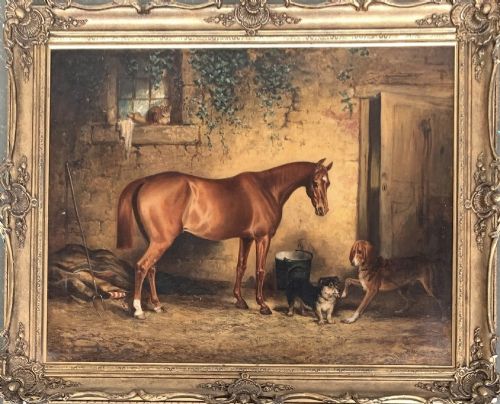
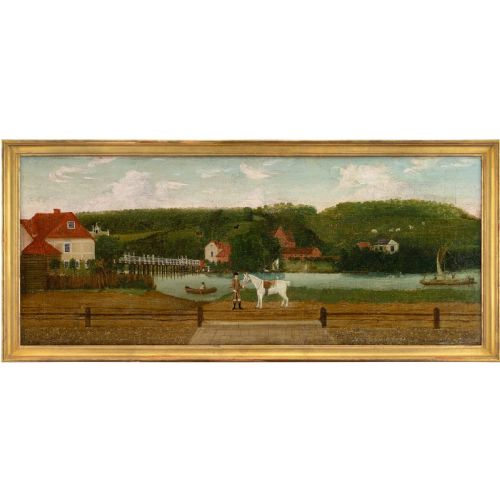
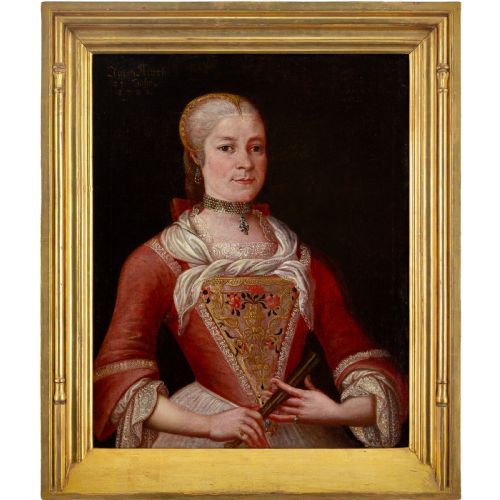
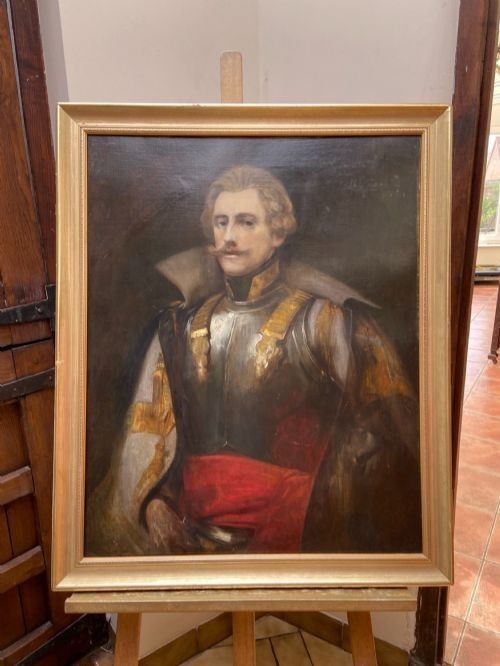
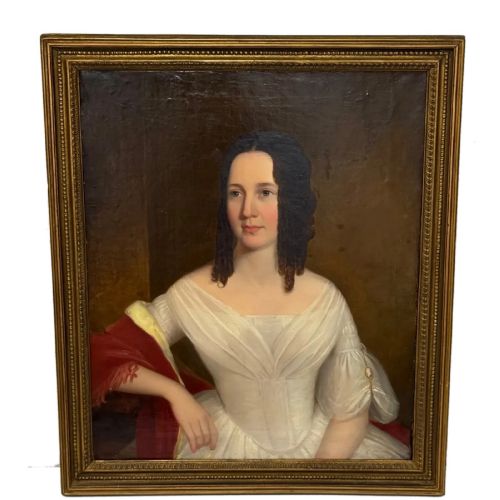
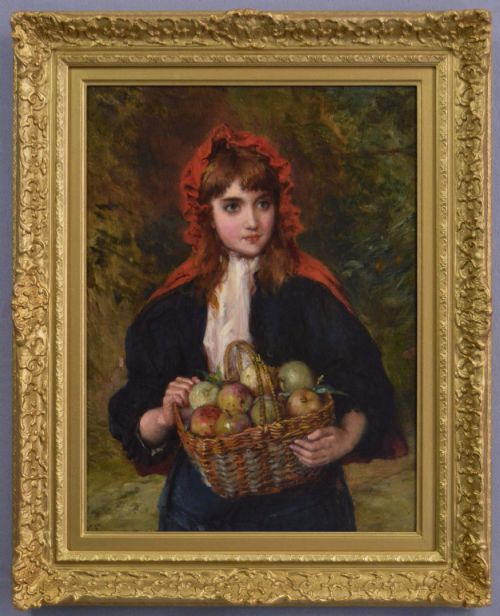
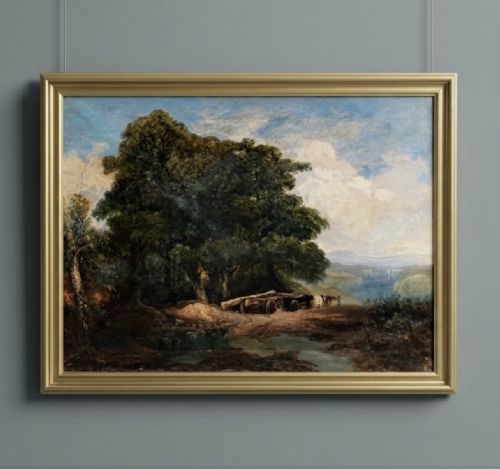
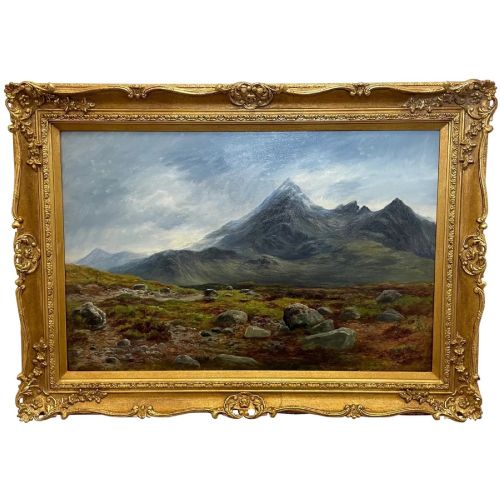
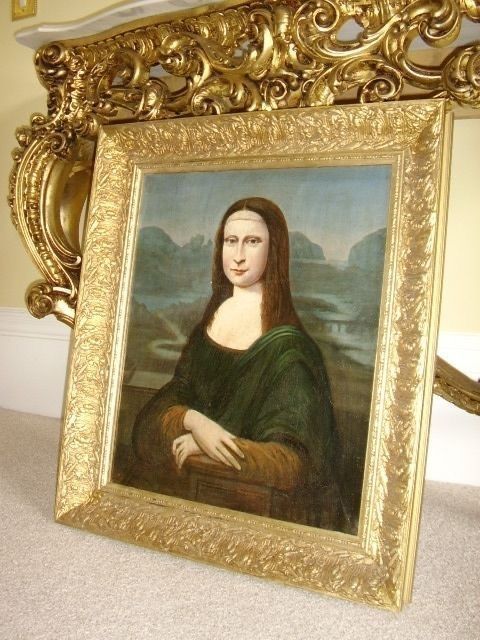
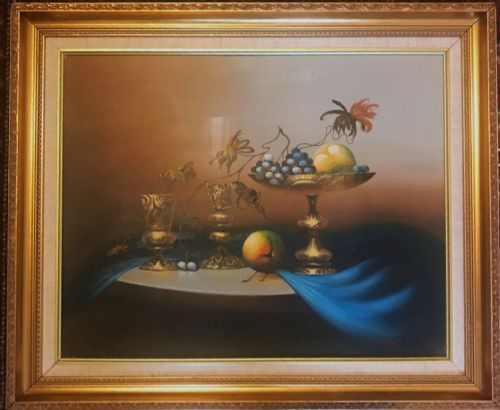
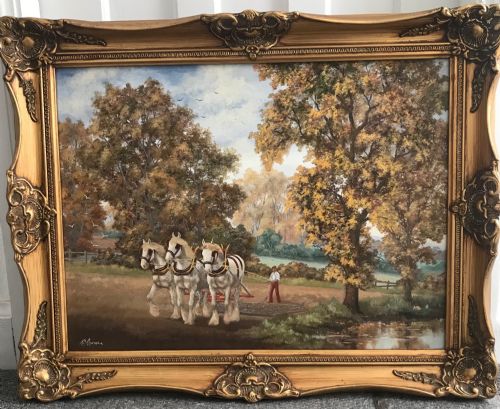
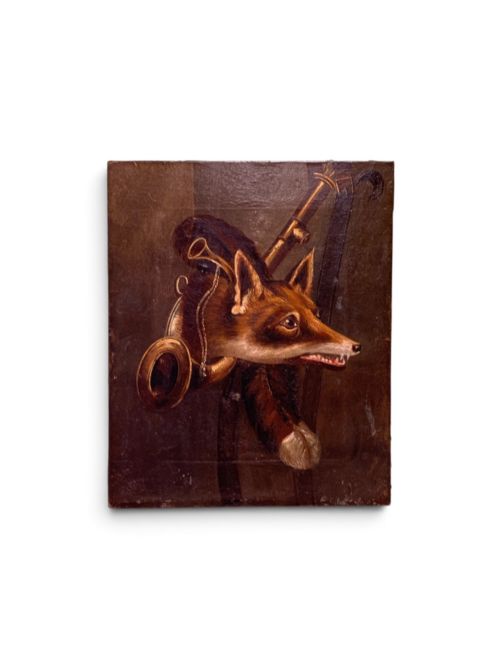
Traditional oil paint artwork encompasses historical paintings executed on canvas, wood panels, and board, spanning periods from the seventeenth century through the mid-twentieth century. Buyers encounter portraits, floral still lifes, and rural landscapes created by various British, French, and Dutch schools.
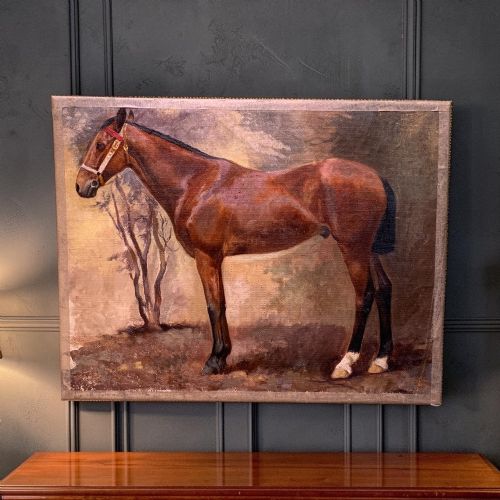
The selections on this page feature predominantly nineteenth-century and early twentieth-century pieces, alongside select works from the eighteenth and seventeenth centuries. Subjects range from equine studies and marine scenes to classical portraiture and pastoral views.
Works appear in both framed and unframed formats, frequently retaining period gilt gesso or gilt wood frames. Canvas supports dominate the inventory, though wood panels and board substrates also appear across regional British and European schools.
Distinctions in quality
Quality rests upon the handling of light and anatomical proportion within the painted subject, distinguishing accomplished portraiture and landscape from simpler decorative efforts. Finer works display confident brushwork and subtle tonal gradations that create convincing depth.
The integrity of the original canvas support and the preservation of the pigment layer dictate the overall standard of a piece. Original period frames executed in gilt wood or gesso also elevate the standing of the artwork.
Several canvases record everyday Victorian life through unusual subjects, including racing pigeons and prized shorthorn bulls.
William Oliver·Richard Sebastian Bond·William Beattie-Brown·Tom Campbell·George Willison
The Traditional Oil Paint Artwork Glossary
- Oil on Canvas
- A painting technique where oil-based pigments are applied to a woven fabric stretched across a wooden wooden stretcher. This combination provides a flexible and durable surface that has remained standard for centuries.
- Gilt Wood
- Timber framing coated with a thin layer of gold leaf or metallic powder. It provides an ornate border that reflects light and complements the warm tones of traditional oil paintings.
- Wood Panel
- A solid wooden support used as a rigid alternative to stretched canvas. Painters frequently utilised oak, mahogany, or other dense timbers for smaller or earlier works.
- Still Life
- An artwork depicting inanimate subject matter, typically commonplace objects such as flowers, fruit, or game. These compositions allowed artists to demonstrate mastery over texture, light, and shadow.
- Classical Realism
- An artistic style focused on accurate, lifelike representation of the visual world without excessive romantic idealisation. It demands rigorous draughtsmanship and careful observation of natural light.
Traditional Oil Paint Artwork: Frequently Asked Questions
Are these paintings supplied with frames?
Many pieces retain their original or period-appropriate gilt wood and gesso frames, which are noted in the individual descriptions. Some artworks are sold unframed or mounted in later replacement surrounds.
Checking the listing details confirms whether the specific frame is contemporary to the artwork. Period frames often show age-related wear that adds to their historical character.
How do I identify the age of a canvas?
Dating relies on examining the type of canvas weave, the stretcher construction, and the composition of the pigments used. Nail types, maker stamps on the canvas reverse, and stylistic markers provide further chronological evidence.
Craquelure patterns in the oil paint surface also offer clues regarding age, as older mediums develop fine networks of cracks over centuries. Professional inspection can corroborate these physical indicators.
Where should I hang an oil painting?
Artworks require placement away from direct sunlight, high humidity, and rapid temperature fluctuations to prevent the canvas and paint from degrading. Interior walls with stable ambient conditions suit these pieces best.
Securing the painting with appropriate wall fixings ensures the weight of the canvas and heavy wood frame is properly supported. Proper placement preserves the structural integrity of both the artwork and its mount.