
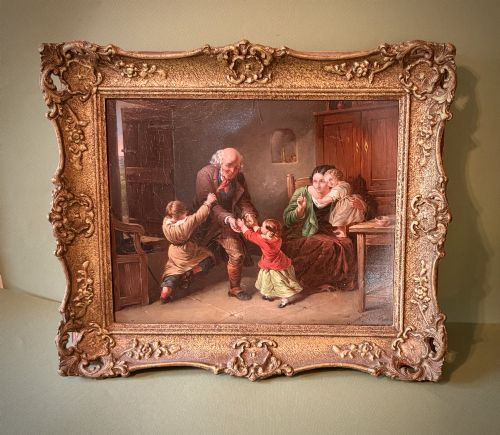
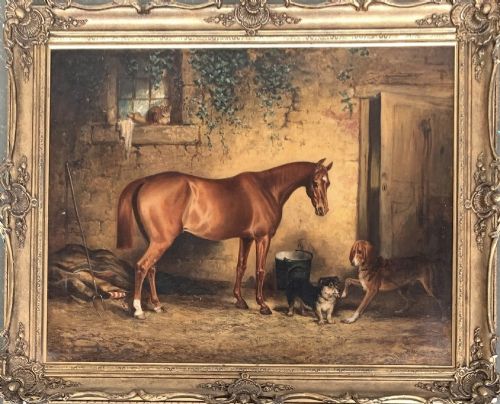
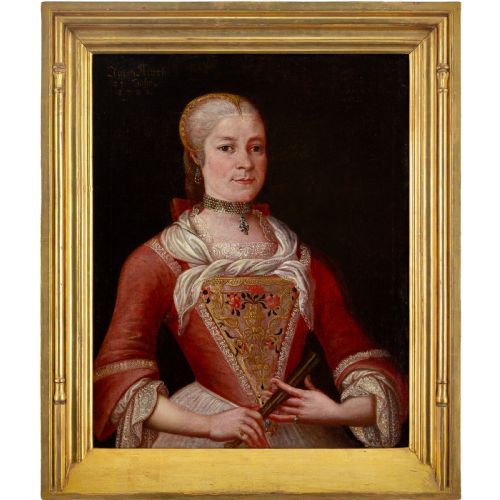

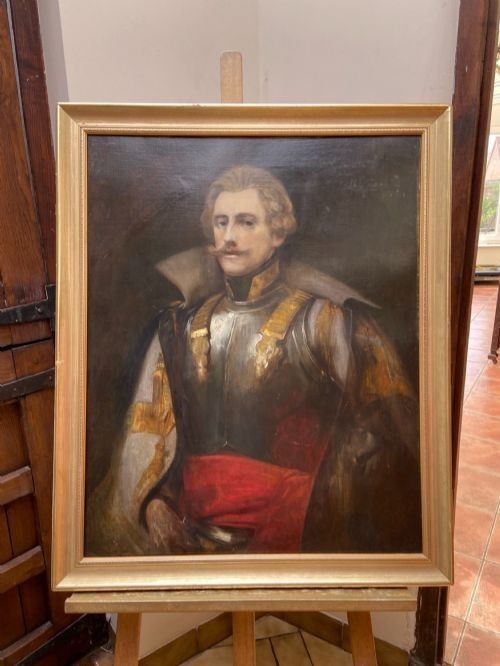


Traditional Oil Artwork Framed
When you search for traditional oil artwork framed, you are looking at centuries of painted canvases housed in wood and gilt surrounds.
Traditional Oil Artwork Framed
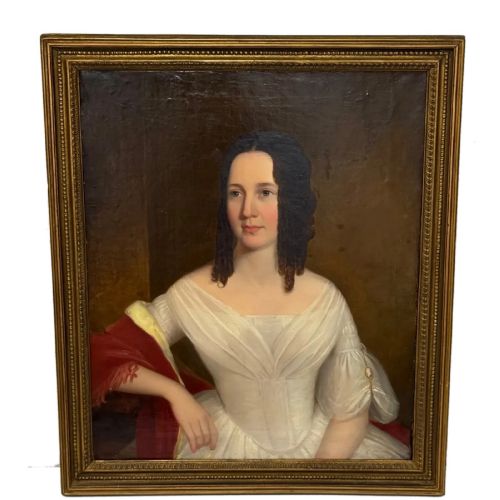
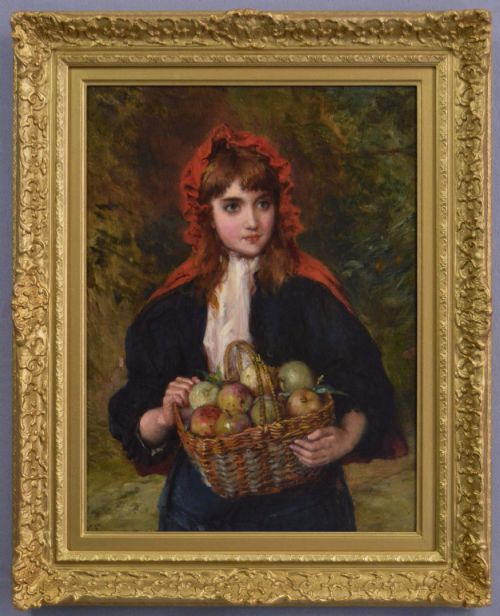
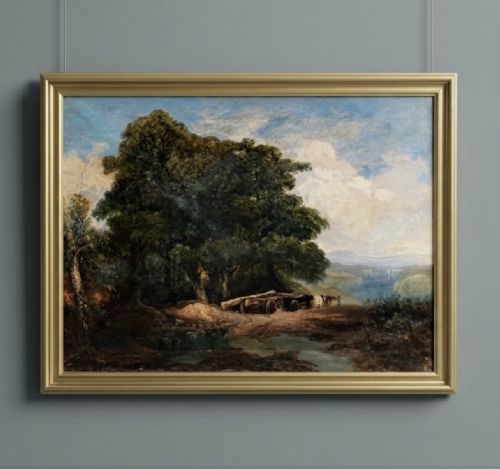
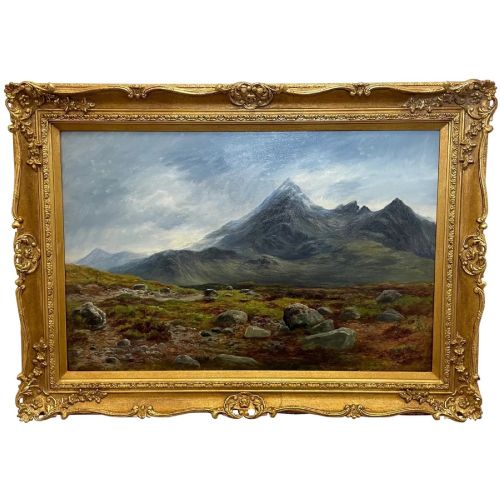
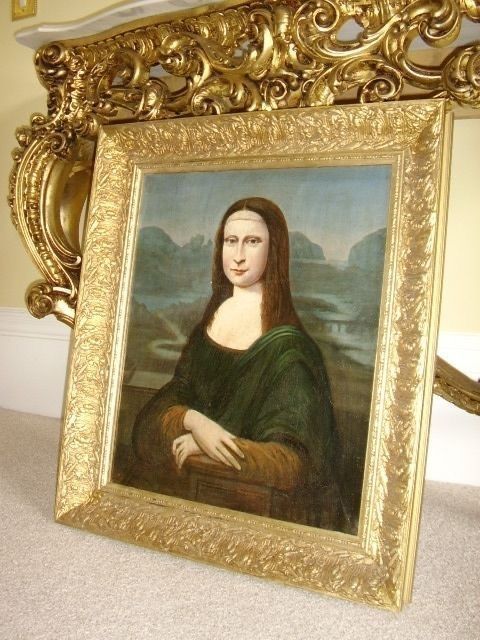
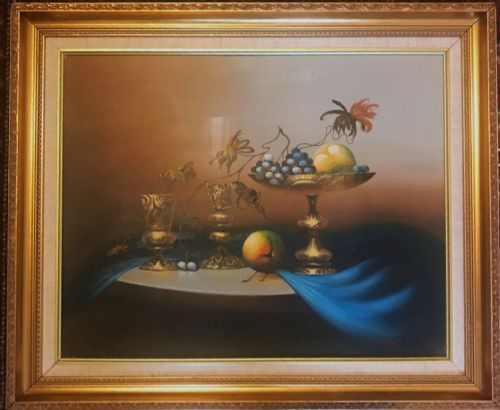
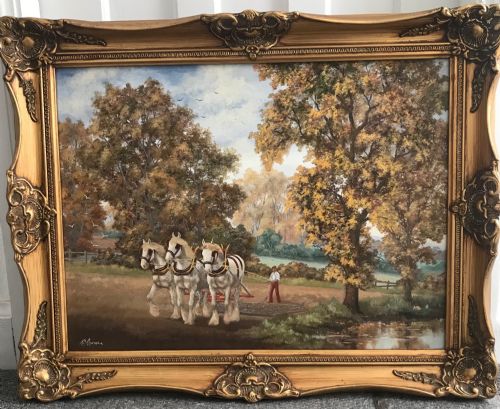
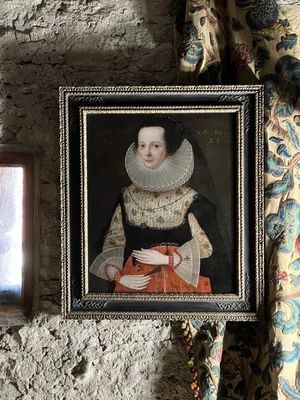
Traditional oil artwork framed pieces encompass painted portraits, landscapes, seascapes, and still lifes created using oil paint on canvas, board, or wood panels. Buyers seeking these works encounter pieces originating from the 17th century through to the mid 20th century, capturing various British, French, Flemish, and Dutch styles.
The physical presentation relies heavily on period surrounds, particularly wood and gilt gesso frames that complement the painted subject matter. These items range from intimate floral studies and animal portraits to monumental landscapes and historical portraits created by named artists or regional schools.
How they were made
The physical construction of traditional oil artwork framed pieces involves applying oil paint pigments onto stretched canvas, wood panels, or timber boards. Artists utilised traditional brushes to layer oil mediums, achieving depth and texture within portraits, landscapes, and still life compositions.
Surrounding enclosures are constructed from wood, frequently finished with gilt, gesso, or carved details to house and protect the painted surface. These frames are built specifically to scale, matching the proportions of the canvas or wood panel they enclose.
A prized shorthorn bull shares the gallery with stern noblewomen and tranquil pastoral sheep.
What varies in quality
The tier of a traditional oil artwork framed piece rests on the fidelity of the brushwork and the expressive capability shown in the subject, whether human, animal, or landscape. Masterly handling of light, shadow, and proportion distinguishes accomplished studio works from standard decorative productions.
The integrity and craftsmanship of the accompanying wood and gilt frame further influence the standing of the piece. Original or period-appropriate frames exhibiting skilled carving and gilding elevate the complete artwork above those with later or lesser surrounds.
William Oliver·Richard Sebastian Bond·William Beattie-Brown·Jozsef Molnar·William H Myers·William Howard Hardy·GEORGE WILLISON·John Horace Hooper·William McAlpine·Reginald Arthur Borstel·William Joseph Shayer Senior·Sir Joshua Reynolds·Alfred Fontville de Breanski Jr·Edward Mills·George Houston·Thomas Barker of Bath·Thomas W Lascelles
The Traditional Oil Artwork Framed Glossary
- Oil on Canvas
- A painting technique where oil paint is applied to a woven fabric support stretched across a wooden frame. This combination allows for rich colour blending and textured brushwork.
- Giltwood
- Timber that has been coated with a thin layer of gold leaf or gold paint. It frequently appears on ornate picture frames from the 18th and 19th centuries.
- Wood Panel
- A solid wooden board utilised as a rigid painting surface before stretched canvas became dominant. Artists often painted directly onto prepared timber panels during earlier centuries.
- Still Life
- An artwork depicting inanimate subject matter, such as fruit, flowers, or household objects. These compositions focus on arrangements of everyday items.
- Gesso
- A plaster-like mixture applied to wood or canvas as a base before painting or gilding. On frames, it provides a smooth surface for moulding intricate decorative details.
Traditional Oil Artwork Framed: Frequently Asked Questions
How do I hang a heavy framed oil painting?
These works require secure wall fixings distributed evenly across the timber frame or stretcher bars, ideally anchored directly into wall studs. Professional picture hooks matched to the weight of the canvas and wood surround ensure safe display.
Positioning the artwork away from direct sunlight and damp environments protects both the oil pigments and the wooden frame from environmental degradation over time.
Are these paintings original or reproductions?
The listings consist of original hand-painted works created directly by artists using oil paints on canvas, board, or wood panels. Each piece represents a unique physical creation from its respective period.
Some works may depict historical subjects or copy earlier compositions, but the physical application of paint remains an original studio creation.
How do I identify the period of the frame?
Frame construction techniques, wood types, and the composition of the gesso or gilding offer clear indicators of age. Period frames often feature hand-carved wooden mouldings and genuine gold leaf applied over traditional gesso grounds.
Matching the style and materials of the frame to the era of the canvas helps confirm whether the surround is original to the artwork.