


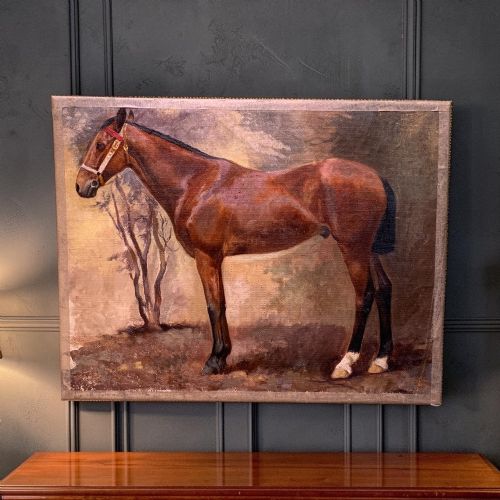

Traditional Oil Art
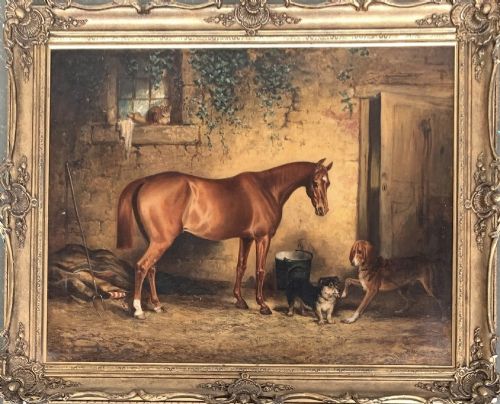
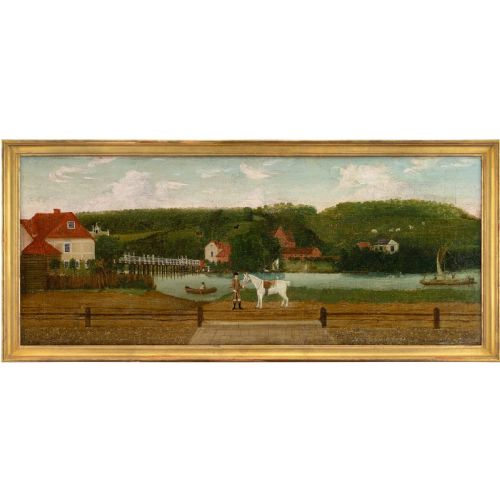
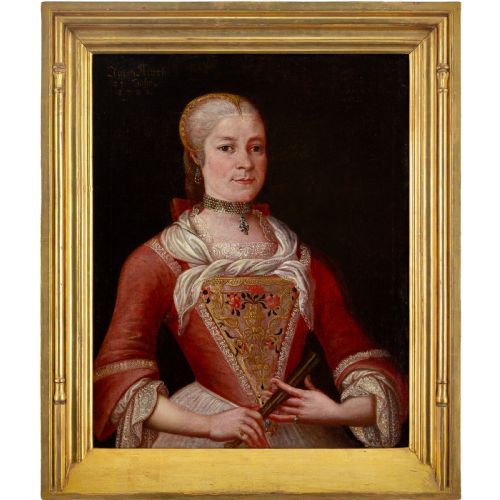
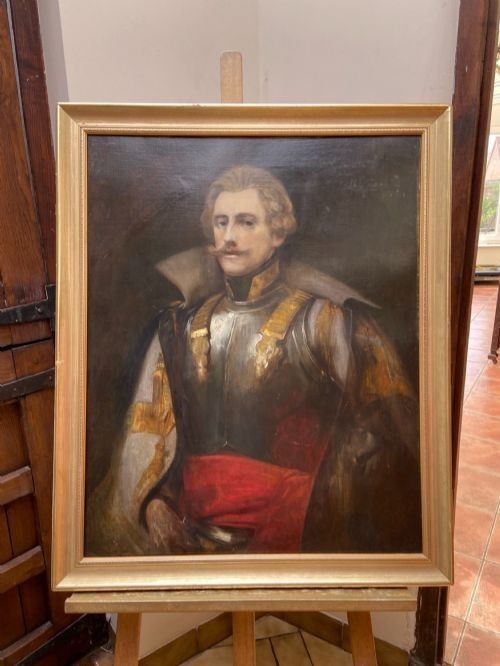
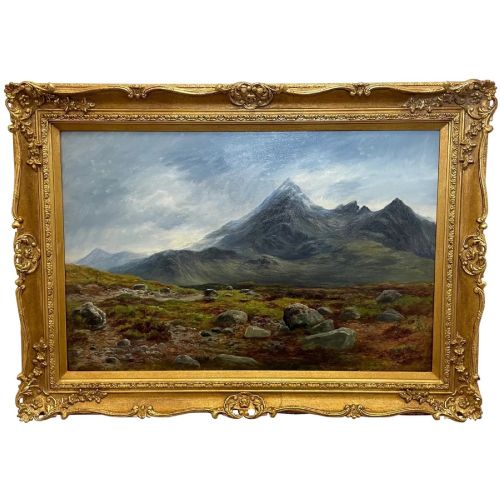
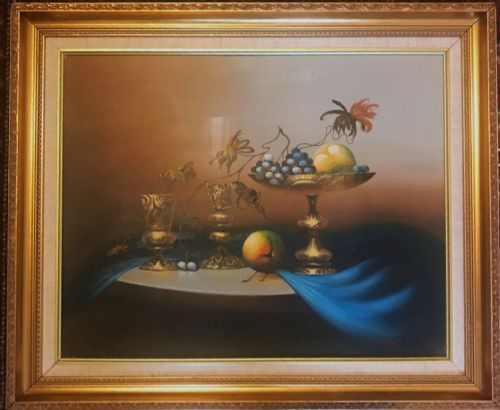
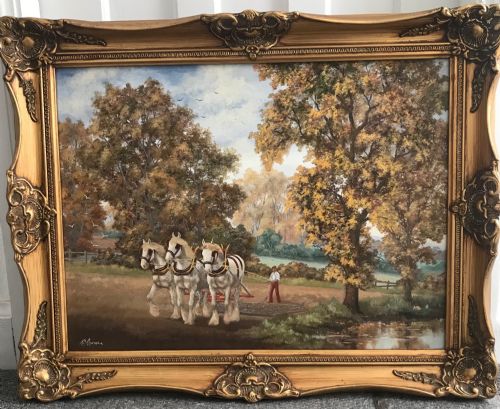
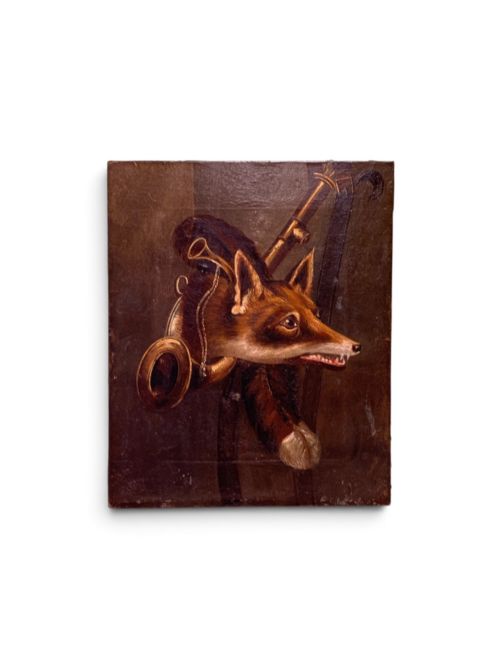
Traditional oil art encompasses centuries of painted canvases and wood panels depicting portraits, landscapes, and still lifes.
Traditional Oil Art
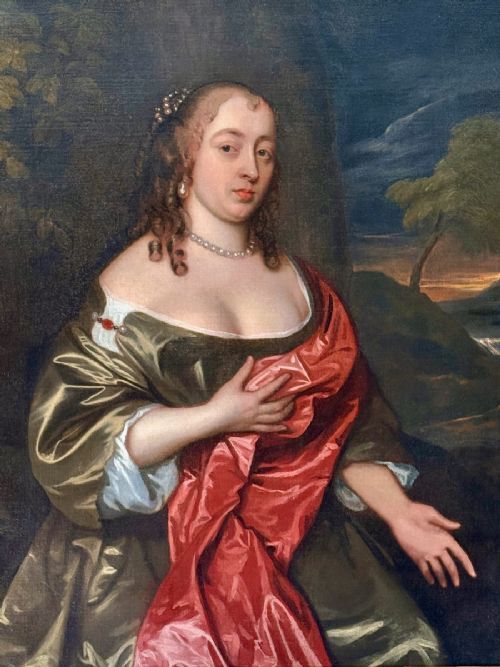
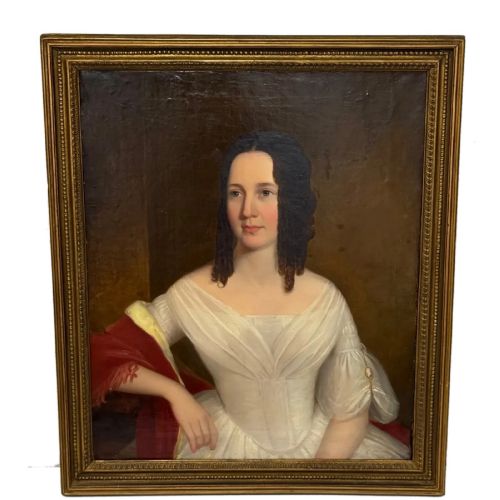
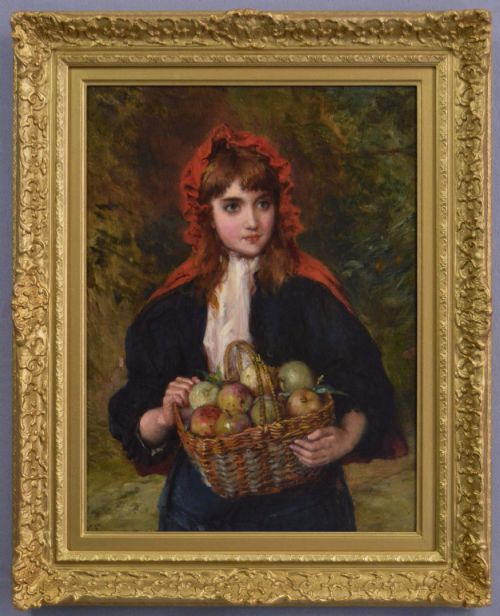
Traditional oil art comprises painted works executed in oil paint upon supports such as canvas, wood panel, and board. These pieces span from the seventeenth century through the mid-twentieth century, encompassing British, Flemish, and Dutch schools.
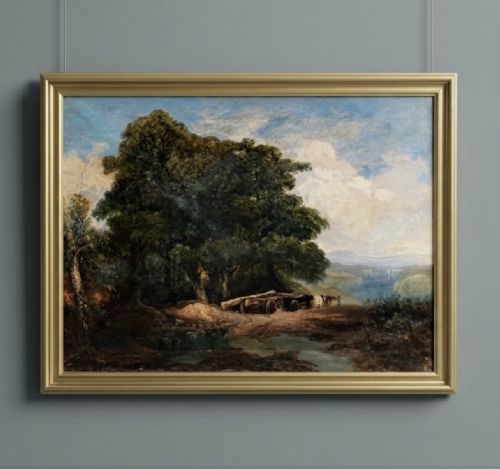
The subjects found within this category range widely from formal portraits and equine studies to pastoral landscapes, marine scenes, and floral still lifes. Buyers frequently encounter nineteenth-century landscape paintings and historical portraiture on this page.
How they were made
Artists built these works using oil paint applied to stretched canvas or prepared wood panels, sometimes employing board supports for smaller compositions. Brushwork varied from tight, precise realism to looser, expressive application depending on the period and regional school.
Many works are housed within their original or period frames constructed from wood and embellished with gilt, gold leaf, or moulded gesso. These frames often match the age and aesthetic of the painting they enclose.
Listings feature works spanning from the 18th century to the mid 20th century, utilising oil paint on canvas and wood panel.
What varies in quality
Quality in traditional oil art rests upon the skill of the draughtsmanship, the nuance of colour mixing, and the expressive handling of light and shadow across the subject. Masterful anatomy in portraiture or atmospheric depth in landscape painting separates superior works from basic decorative output.
The preservation of the paint surface and the originality of the mounting frame also influence the standing of a piece. Works retaining their untouched historic canvas and period gilt wood frames hold greater integrity.
John Hayls·William Oliver·Richard Sebastian Bond·William Beattie Brown·Jozsef Molnar·William H Myers·George Graham·Tom Campbell·William Howard Hardy·George Willison·John Horace Hooper·William McAlpine·Reginald Arthur Borstel·William Joseph Shayer·Hendrik Willem Schweickhardt·Alfred Fontville de Breanski
The Traditional Oil Art Glossary
- Oil on Canvas
- A traditional painting medium where oil-based pigments are applied to a woven fabric support stretched across a wooden frame. This combination allows for rich blending and textured impasto work.
- Gilt Wood
- Timber framing coated with a thin layer of gold leaf or metallic powder. It frequently surrounds antique paintings to provide an ornate decorative border.
- Wood Panel
- A rigid flat wooden support used instead of canvas for painting. Panels were favoured by many early and continental artists for their stability.
- Still Life
- An artwork depicting inanimate subject matter, typically commonplace objects such as fruit, flowers, or game. These compositions allow artists to focus heavily on texture, light, and arrangement.
- Impasto
- A technique where paint is laid on an area of the surface in thick layers, standing visibly out from the canvas. It adds tactile dimension to elements like clothing folds or flower petals.
Traditional Oil Art: Frequently Asked Questions
How do I date a traditional oil painting?
Dating relies upon stylistic cues in the subject's clothing, the construction of the canvas stretcher, and the composition of the frame. Signatures, dates, and labels on the reverse also provide direct historical markers.
Material analysis of the wood panel or canvas weave further helps narrow down the period of execution.
Where should I hang an oil painting?
Oil art should be displayed away from direct sunlight and strong heat sources to prevent the canvas from warping and the pigments from fading. Stable room temperatures protect both the paint layer and the wooden support.
Ensure the wall is structurally sound to support heavier works, particularly those set within large gilt wood frames.
How do I care for antique oil art?
Dust the surface gently using a soft, dry brush without applying pressure to the paint layer. Avoid using liquid cleaners, water, or chemical solvents on the canvas.
Professional conservation should be sought if the paint develops cracking or if the varnish yellows significantly over time.
What is the difference between canvas and panel paintings?
Canvas paintings utilise a flexible woven fabric stretched over a wooden frame, which absorbs environmental fluctuations through slight movement. Panel paintings use rigid wood supports that offer a completely flat, stable surface for fine detail work.
Both supports have been utilised across different centuries depending on regional traditions and artist preference.