






Traditional Oil Art Print
These traditional oil art print pieces bring historic canvases and reproduction oileographs into domestic rooms with the rich texture of painted oil.
Traditional Oil Art Print
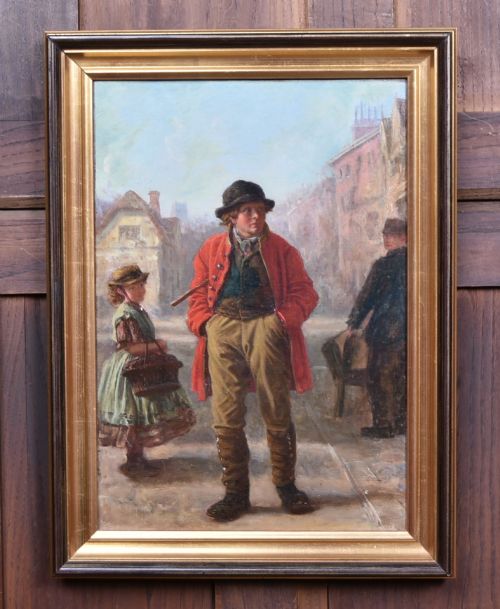
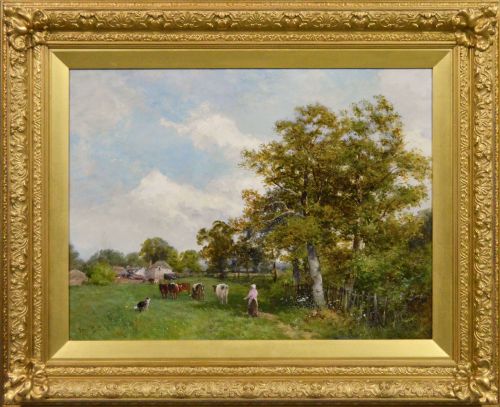
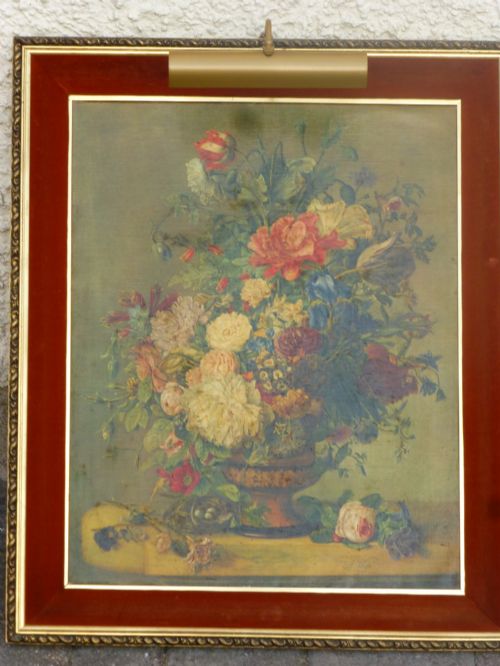
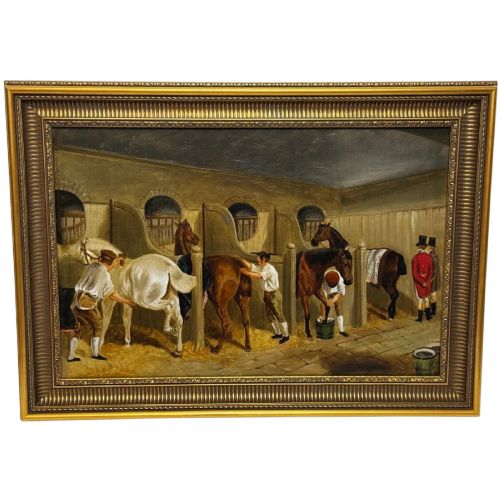
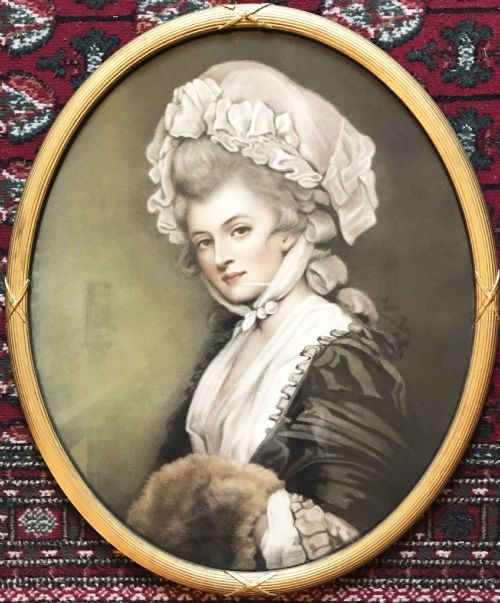
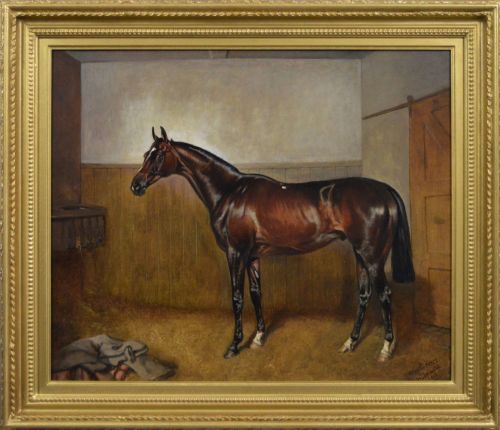
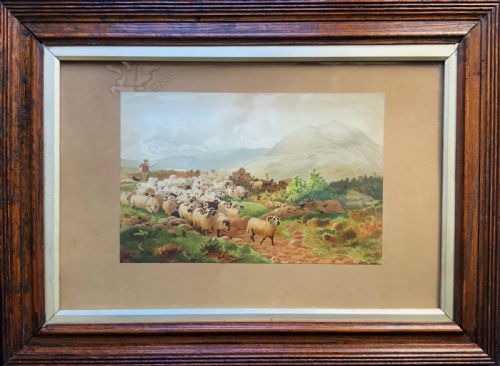
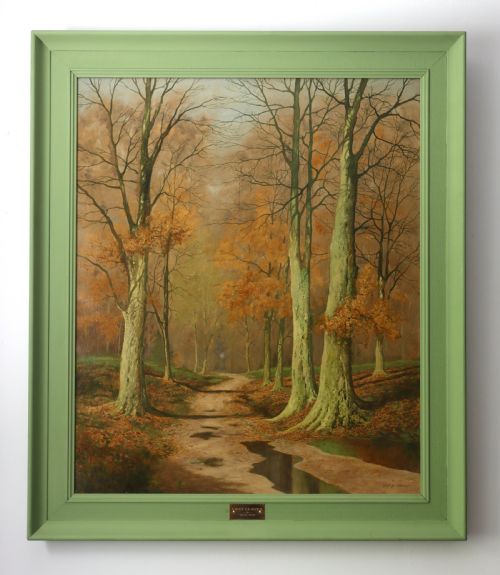
When you search for traditional oil art print, you encounter a mix of genuine nineteenth and twentieth-century oil paintings on canvas alongside later portrait prints and embellished oileographs. The selection spans pastoral landscapes, equestrian portraits, and still life scenes housed within wooden and gilt frames.
Most pieces date from the Victorian period and the nineteenth century, capturing subjects from rural countryside scenes to detailed animal studies and historical figures. These artworks utilise traditional materials such as oil paint, canvas, gesso, and giltwood to establish their period character.
How they were made
Artists built these works using oil paint applied to woven canvas stretched over wooden frames, often recording layered pigments to create depth in landscapes and portraits. Some later examples incorporate printed bases that receive supplementary hand finishing or varnish layers.
Frames rely on carved wood and gesso, frequently finished with gold leaf or gilt to frame the canvas securely. Glass covers certain oval portrait prints to protect the paper surface beneath from atmospheric damage.
Traditional Oil Art Print Retail Price Guide 2026
Typical asking prices for traditional oil art print among the pieces listed under this phrase on Sellingantiques today, from the lower quarter to the upper quarter. They describe what is for sale here now, not the wider market.
Listings feature works spanning from the seventeenth century through to the 1960s, executed primarily in oil paint on canvas within wooden and giltwood frames.
What varies in quality
The standard of an individual piece rests upon the precision of the brushwork and the structural integrity of the canvas and frame. Skilled handling of oil paint produces nuanced light effects and accurate anatomical detail in animal and human subjects.
Original nineteenth-century oil paintings on canvas demonstrate superior material depth compared to mechanical oileographs or portrait prints. The quality of the surrounding giltwood frame also indicates the original investment placed in the artwork.
Erskine Nicol·David Bates·John Alfred Wheeler·Hendricus Joseph Dillens·William Adolph Bouguereau·Alfred Wheeler·Isaac Cullin·Samuel Sidley·Henry Birtles·William Mellor·George Lance·Frank Moss Bennett
The Traditional Oil Art Print Glossary
- Oil on Canvas
- A painting execution where pigment suspended in drying oil is applied to a stretched woven fabric support. This combination allows for rich blending of colour and enduring surface flexibility.
- Giltwood
- Wood carved and coated with a thin layer of gold leaf or metallic powder. This technique provides traditional frames with a luminous reflective border.
- Gesso
- A paint mixture consisting of a neutral binder mixed with chalk, gypsum, or pigment. It serves as a smooth preparation layer on wooden frames before gilding.
- Oileograph
- A mechanical reproduction printed to mimic the appearance and texture of an oil painting. Some examples receive additional hand brushing to simulate canvas brush marks.
- Genre Realism
- An artistic style depicting scenes from everyday life with factual accuracy. Works in this category focus on ordinary people engaged in common activities.
Traditional Oil Art Print: Frequently Asked Questions
What is a traditional oil art print?
These items encompass original nineteenth-century oil paintings on canvas alongside printed portrait oileographs styled after classical works. They combine historic subject matter with traditional framing materials like giltwood.
Buyers select them to introduce period atmosphere and painted texture into residential interiors without relying on modern reproductions.
How do I date a traditional oil art print?
Dating relies on examining the canvas stretchers, the composition style, and the construction methods of the surrounding wooden frame. Nineteenth-century pieces typically show heavier canvas weave and period specific pigments.
Comparing the signature or subject matter against known active periods of artists listed on the canvas helps confirm the exact decade of creation.
Where should I hang these artworks?
These framed canvases and prints suit reception rooms, studies, and hallways where traditional architectural details predominate. Their ornate giltwood and wooden frames anchor them effectively above mantelpieces or along panelled walls.
Protecting the canvas from direct sunlight and excessive humidity preserves the oil paint and underlying gesso framework over decades.
Are these pieces hand painted?
The selection includes both original hand painted oil works on canvas and mechanical oileograph prints produced during the twentieth century. Original works display visible brush texture and layered pigment application.
Printed oileographs reproduce the visual effect of brushwork, sometimes featuring light surface embellishment to mimic genuine painted depth.