
Traditional Oak Wooden Stool
These traditional oak wooden stool selections bring solid timber seating into a room, offering sturdy utility and honest craftsmanship.
Traditional Oak Wooden Stool
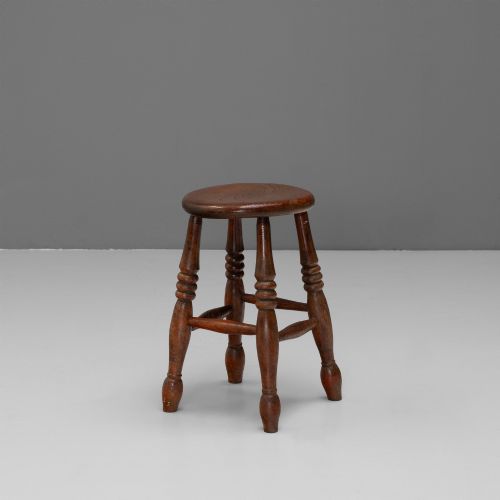
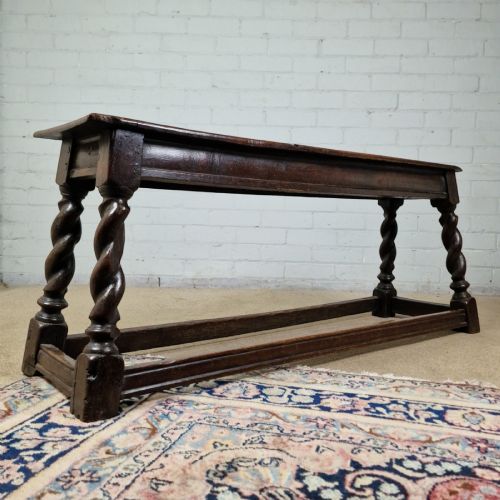
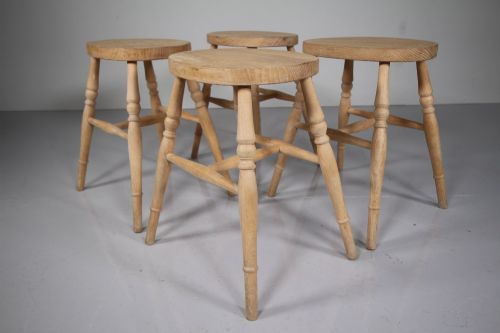
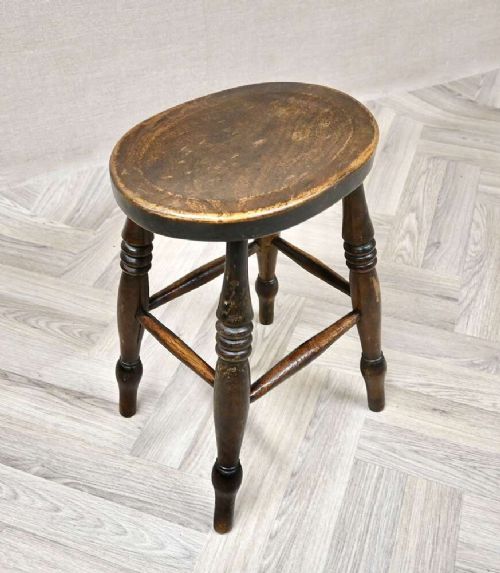
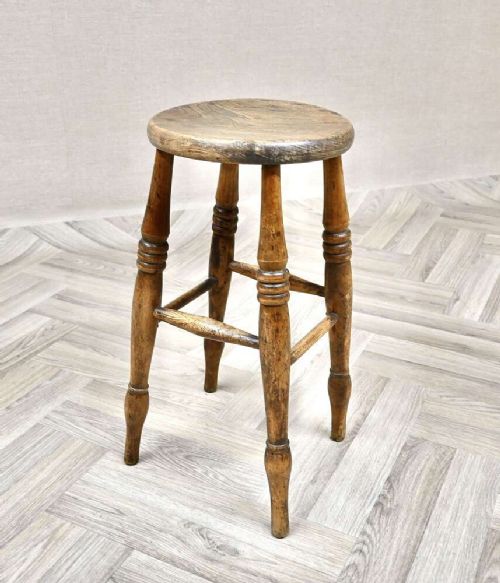
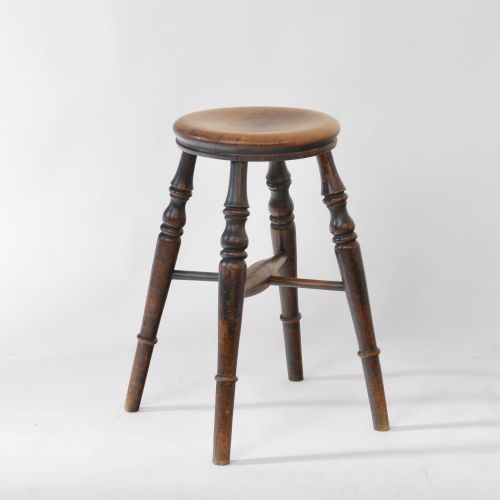
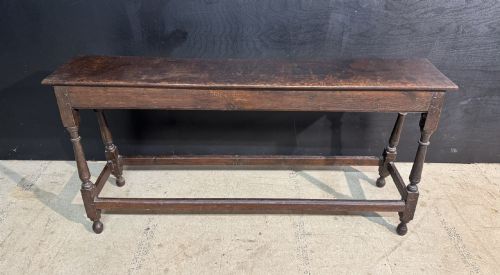
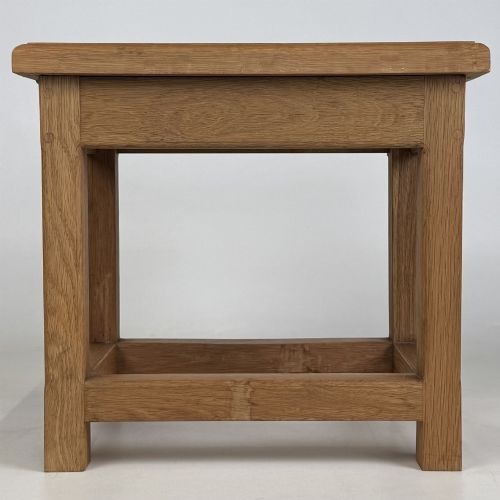
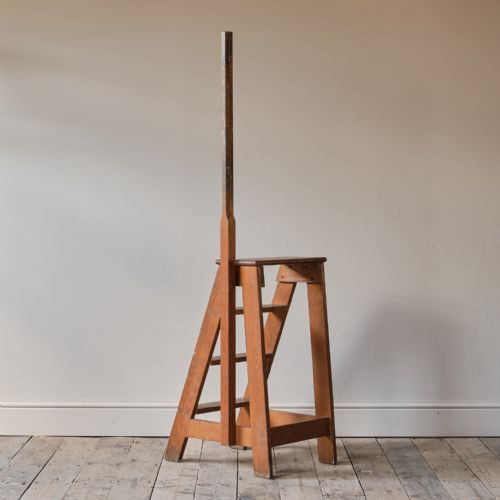
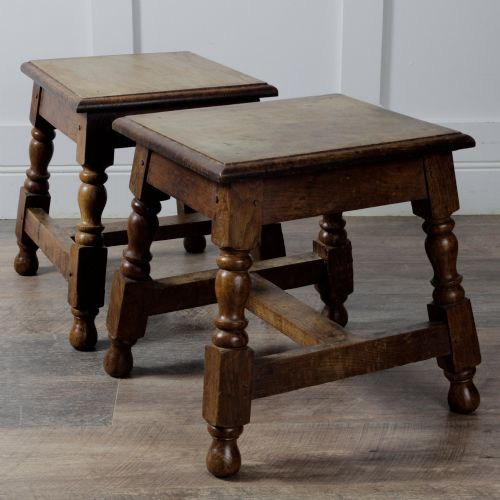
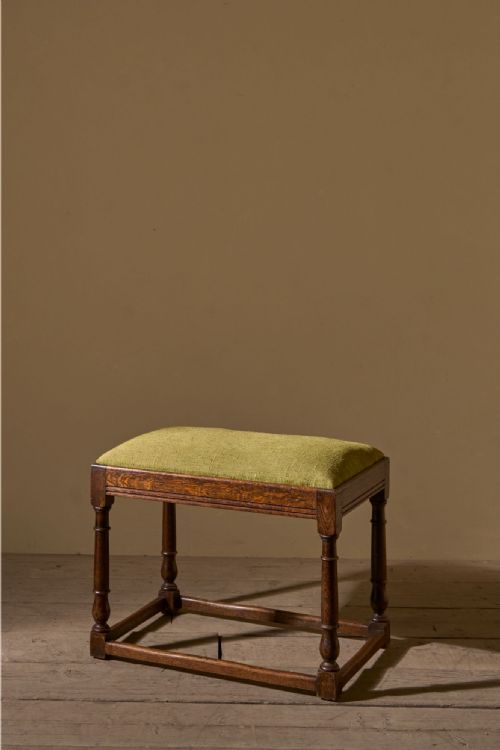
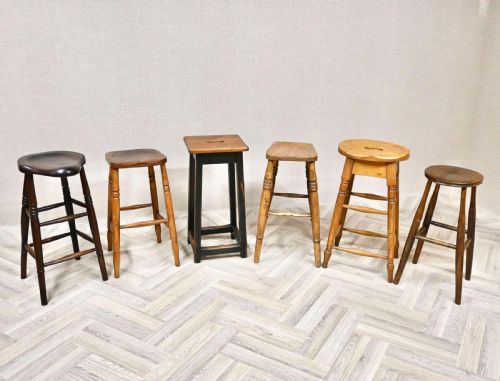
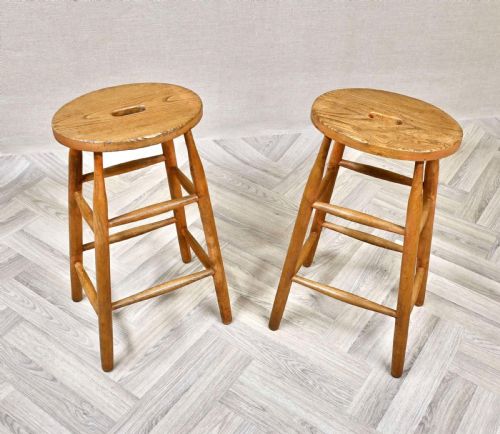
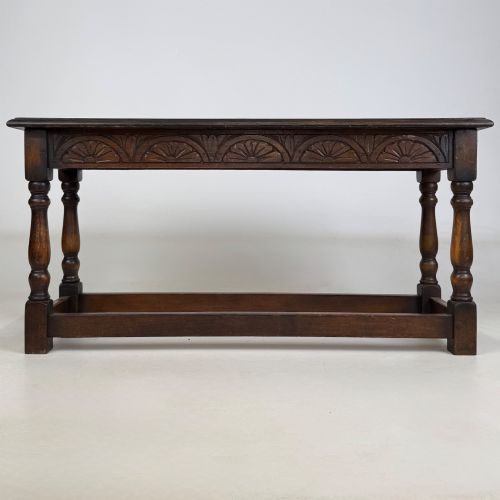
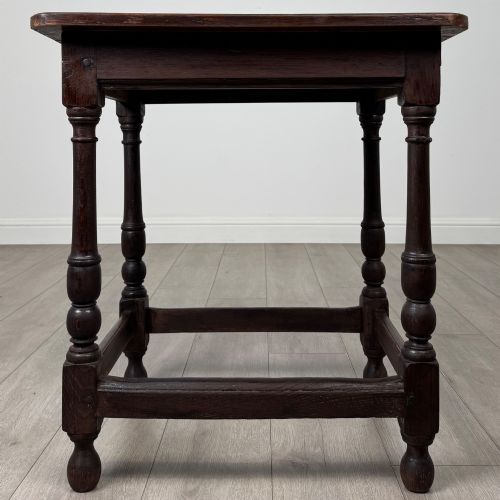
A traditional oak wooden stool spans functional household seating from simple milking designs to robust joint stools and library steps.
The nineteenth century and Edwardian period provide the majority of pieces on this page, alongside earlier Georgian examples.
Makers shaped these utilitarian objects for kitchens, taverns, libraries, and farmhouses across English country settings.
Judging Quality
Timber selection dictates endurance, with dense grain and minimal replacement parts marking superior examples.
Original pegged joints demonstrate better integrity than later metal repairs or modern screws.
Patina and surface wear acquired through decades of tavern or farmhouse use reveal authentic age.
Listings combine nineteenth-century oak, elm, and ash country furniture with earlier Georgian and seventeenth-century style joint stools.
Jack Grimble
The Traditional Oak Wooden Stool Glossary
- Joint stool
- An early form of wooden seating constructed with mortise and tenon joints pegged together. These pieces pre-date widespread chair usage in domestic households.
- Milking stool
- A small, usually three-legged seat designed for use while milking livestock. Their simple tripod design ensures stability on uneven earthen floors.
- Windsor stool
- A seat featuring turned legs and spindles wedged directly into a thick, shaped wooden seat base. This technique derives from traditional Windsor chair making.
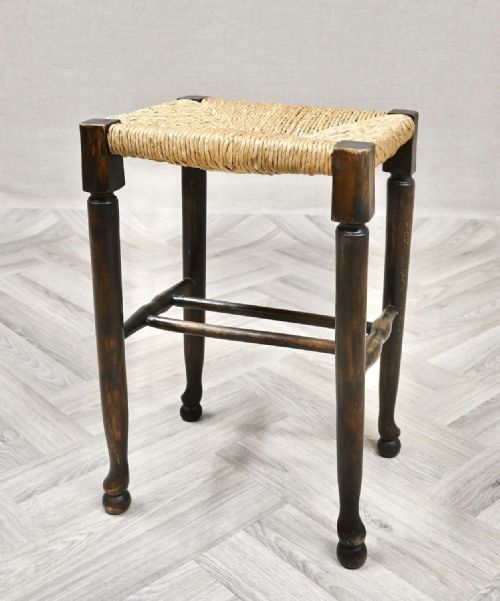
- Rush seat
- A woven seating surface made from dried marsh grasses twisted into cords. Craftsmen wrap these fibres tightly around wooden seat rails.
Traditional Oak Wooden Stool: Frequently Asked Questions
How do I spot a joint stool?
Look for heavy rectilinear framing with pegged mortise and tenon joints beneath a solid timber top.
These pieces typically date from the seventeenth century through to nineteenth-century revival periods.
Are these stools suitable for daily kitchen use?
Solid timber construction and pegged joints provide exceptional structural stability for regular seating.
Ensure the height matches your counter or dining surface before placement.
How do I care for antique oak?
Maintain the timber by applying occasional traditional beeswax to nourish the dry wood grain.
Keep pieces away from direct heat sources to prevent timber splitting.