

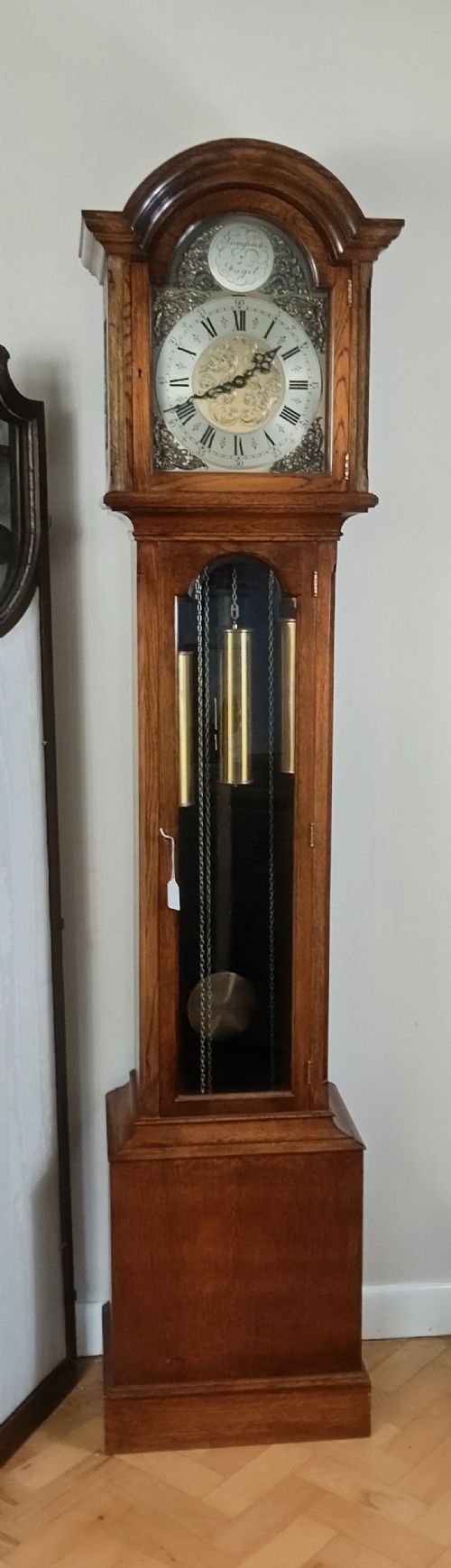


Traditional Oak Standing Clock
A traditional oak standing clock anchors a room with steady rhythm and presence, bringing centuries of cabinet-making and clockwork into a home.
Traditional Oak Standing Clock
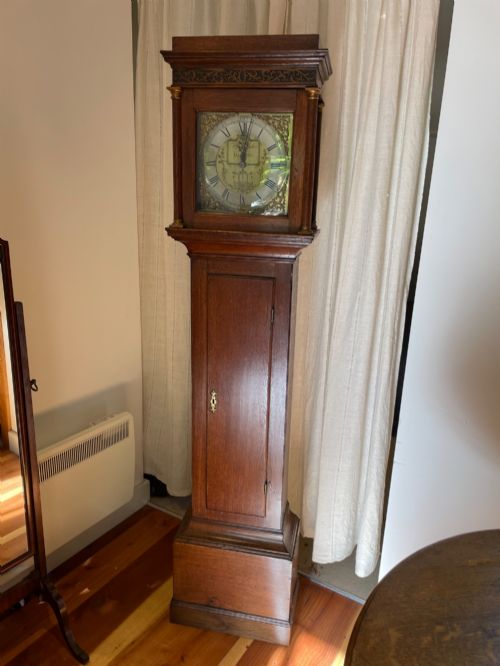
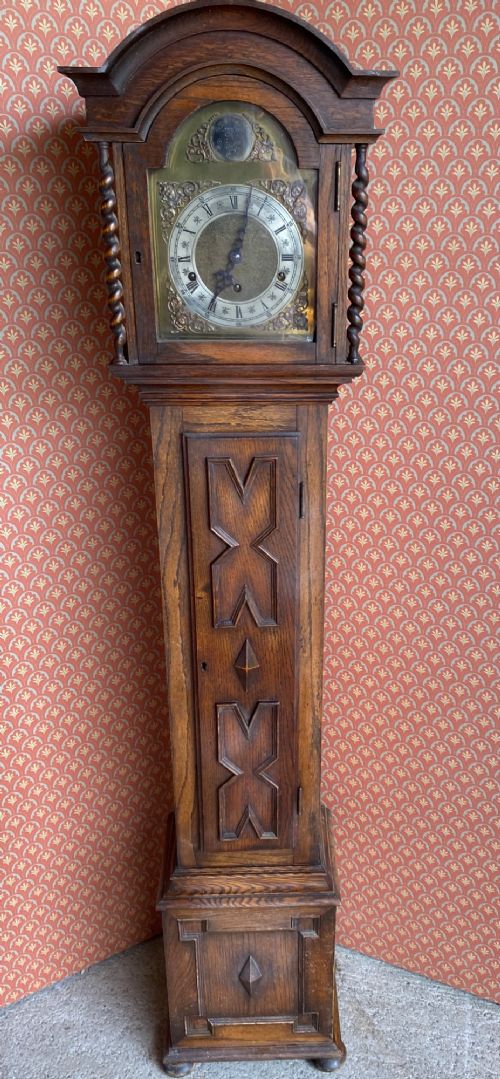
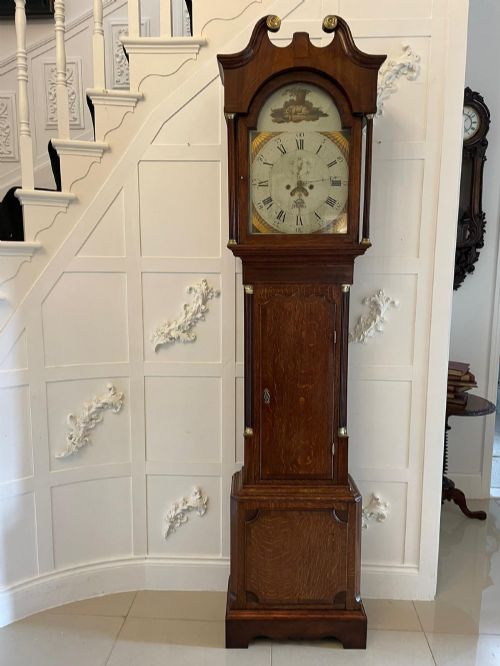
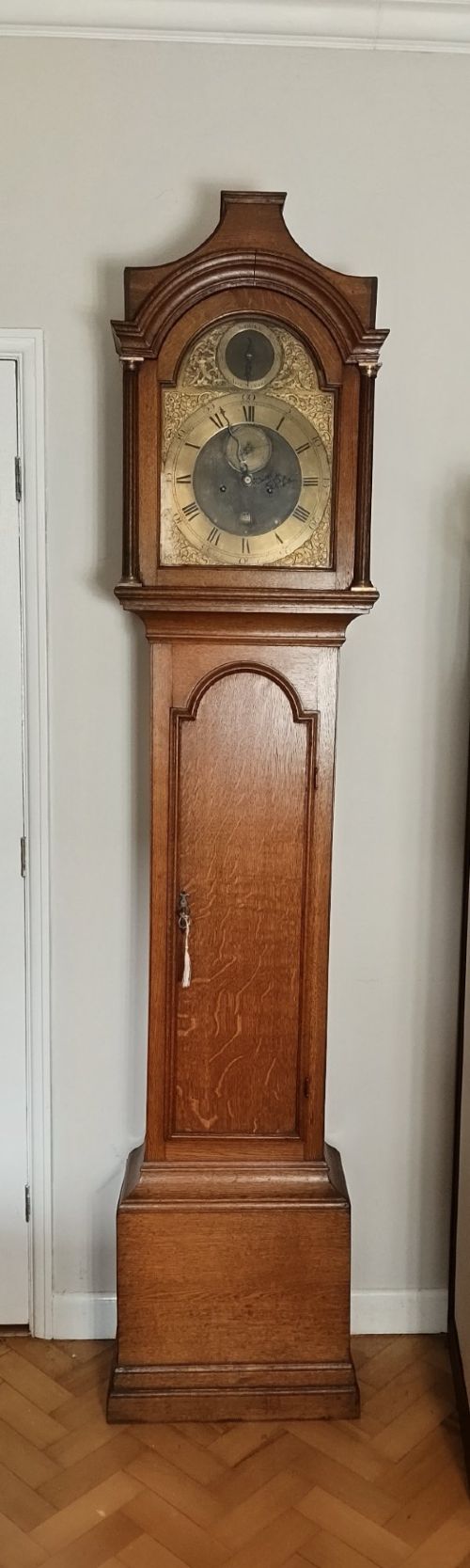
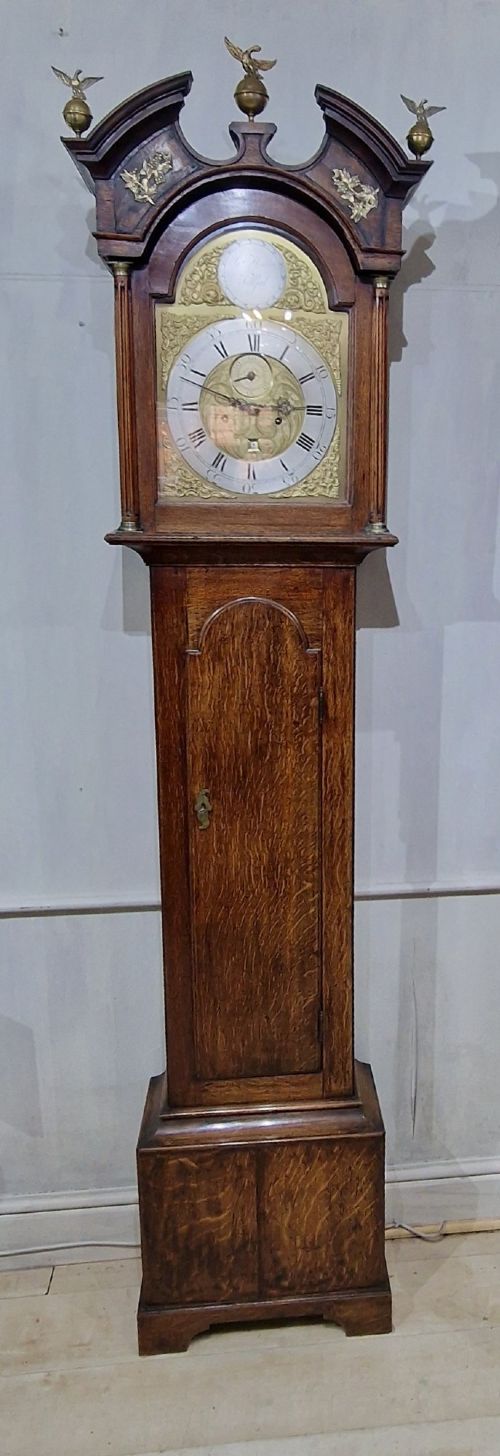
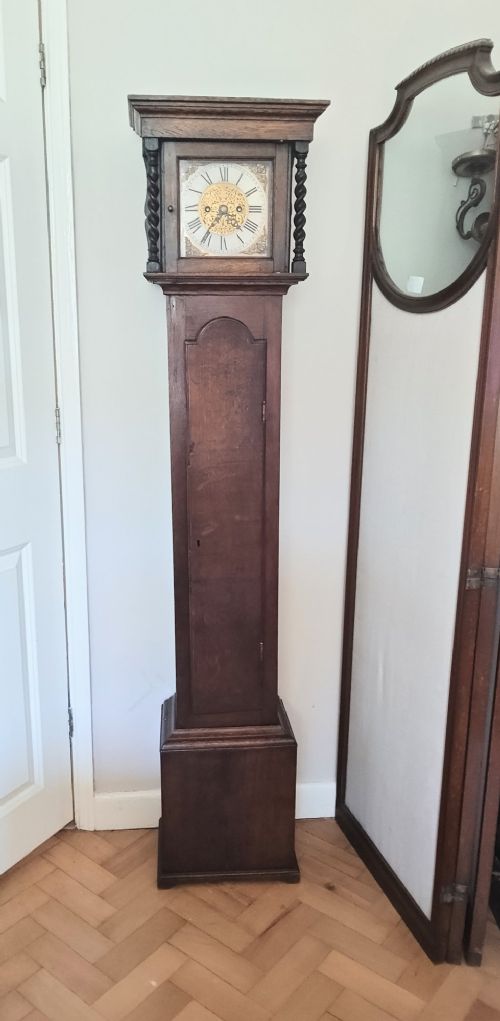
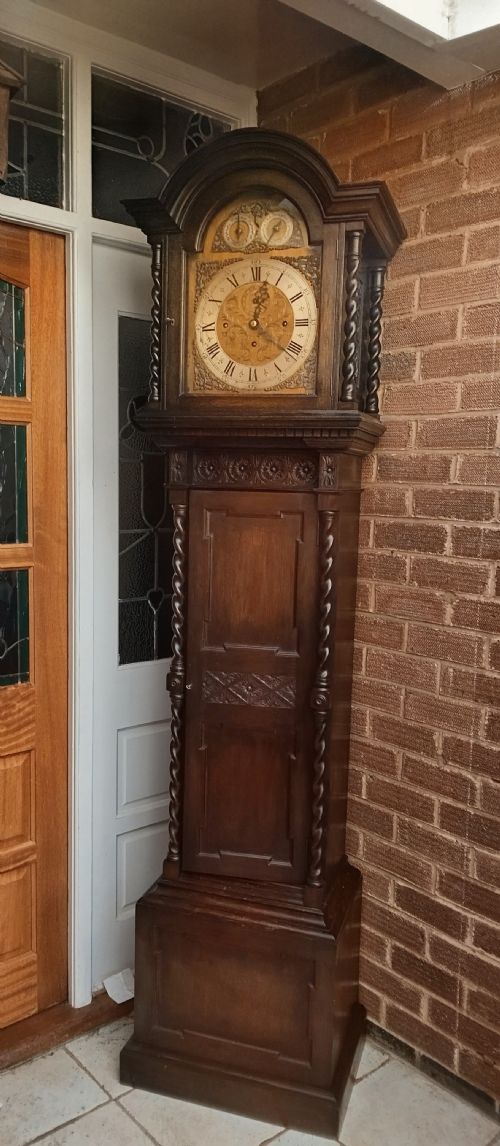
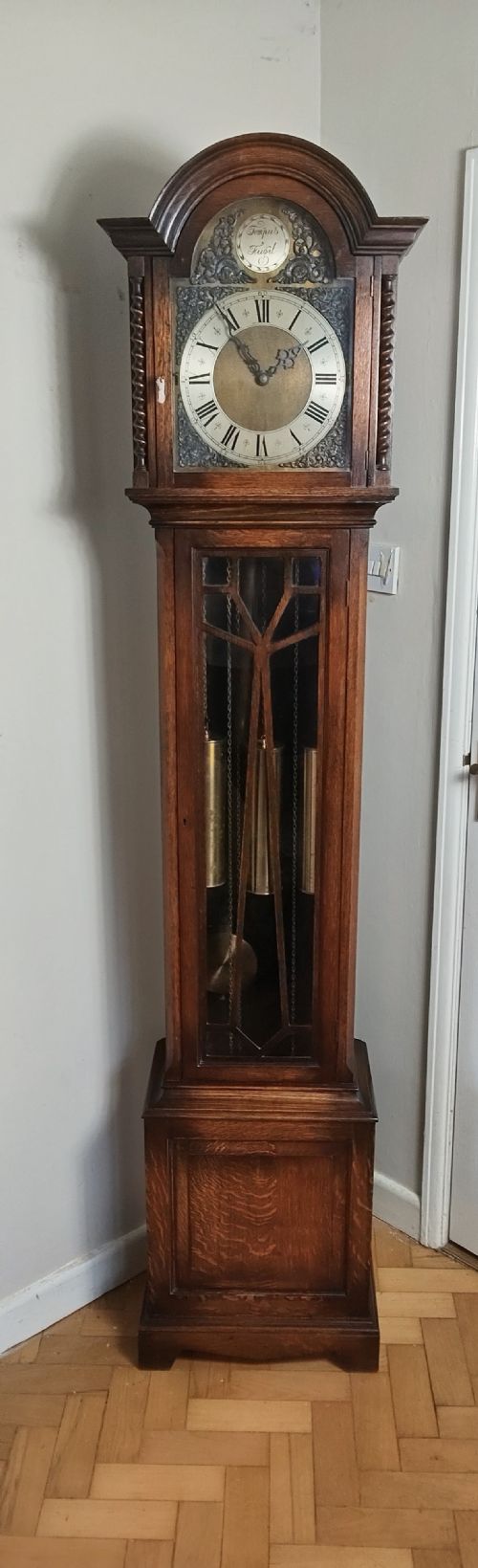
A traditional oak standing clock spans tall longcase bodies and more compact grandmother proportions, housing brass or painted iron dials behind glass doors. These floor-standing pieces emerge primarily from Georgian, 18th century, and Victorian periods, alongside later 19th and early 20th-century revivals.
Makers housed these movements in sturdy wooden cases built from oak, occasionally banded with mahogany or walnut. The most frequent encounters on this page include tall grandfather clocks alongside smaller 1920s and 1930s chiming examples.
Regional British makers from places such as Chester, Nottingham, and Tewkesbury stamped their names onto dials during the 18th century, establishing a tradition that continued into Edwardian and Victorian workshops.
Materials and movement
Cabinetmakers constructed the tall housing chiefly from solid oak, sometimes selecting walnut or incorporating mahogany banding for contrast around the door panels and plinths. Iron, steel, and brass formed the complex interior weight-driven movements, dial plates, and visible chime bells.
Clockmakers fitted the visible faces with either engraved brass or painted iron dials, protected behind hinged glass doors. Cases combined pegged joinery with turned columns and carved decorative elements suited to Georgian, Jacobean revival, or Victorian tastes.
Traditional Oak Standing Clock Retail Price Guide 2026
Typical asking prices for traditional oak standing clock among the pieces listed under this phrase on Sellingantiques today, from the lower quarter to the upper quarter. They describe what is for sale here now, not the wider market.
Some provincial clockmakers included tune-selectors on their brass dials, letting owners switch between multiple musical melodies on the bells.
Proportion and mechanics
Proportion and dial execution dictate the standing of individual clocks, separating straightforward timepieces from intricate quarter-chiming or musical examples. The crispness of brass engraving on the dial and the refinement of the oak case carving reveal the maker's hand.
The sophistication of the internal movement dictates capability, moving from thirty-hour strikes to complex triple-weight mechanisms with multiple bells or tunes. Integration between the original oak case and the dial movement underpins long-term integrity.
James Hendrie Falkirk·David Craig Ford Path head·Richard Prew Of Tewksbury·John Wylde Nottingham·Richard Alexander Devizes·James Coster Of Henley·Samuel Young Nantwich·W Prior Skipton·Jn Wright Linton·William Harley·Rob Parry Pwllheli
The Traditional Oak Standing Clock Glossary
- Longcase clock
- A tall, floor-standing weight-driven timepiece with a pendulum enclosed in a wooden trunk. Also commonly called a grandfather clock.
- Grandmother clock
- A smaller, scaled-down version of the traditional longcase clock, typically produced in the 20th century to fit lower ceilings.
- Quarter chiming
- A mechanical system that plays a sequence of notes on bells or gongs at each quarter hour before sounding the full hour.
- Strike and silent
- A mechanism that allows the owner to silence the hour-striking train while the clock continues to keep time.
- Arch dial
- A clock face featuring a curved upper section above the main circular chapter ring, often displaying subsidiary dials or maker inscriptions.
Traditional Oak Standing Clock: Frequently Asked Questions
What is a grandmother clock?
A grandmother clock is a smaller, more compact version of the traditional longcase clock. These scaled-down standing timepieces appear frequently in 20th-century listings.
They offer the presence of a tall clock while fitting comfortably beneath lower modern ceilings.
How do 30 hour and 8 day clocks differ?
A 30-hour clock requires winding every day, utilising a simpler movement train. An 8-day clock runs for over a week between windings, needing two or three weights.
Both types share similar oak floor-standing floor cases and brass or iron dials.
Where were these clocks made?
Regional clockmakers across Britain built these standing pieces, signing dials in towns from Chester and Nottingham to Tewkesbury and Pwllheli. Harrods also retailed them.
Local workshops supplied tall oak cases tailored to domestic interiors of the Georgian and Victorian eras.
How do I care for an oak standing clock?
Place the clock on a level surface away from direct sunlight and temperature fluctuations that affect wood and metal. Keep the case upright and secure the weights carefully.
Routine maintenance involves professional cleaning of the brass and steel movement to preserve accurate timekeeping.