
Traditional Oak Open Shelves
Traditional oak open shelves offer sturdy utility and timber warmth, bringing practical display space and enduring character to any room.
Traditional Oak Open Shelves
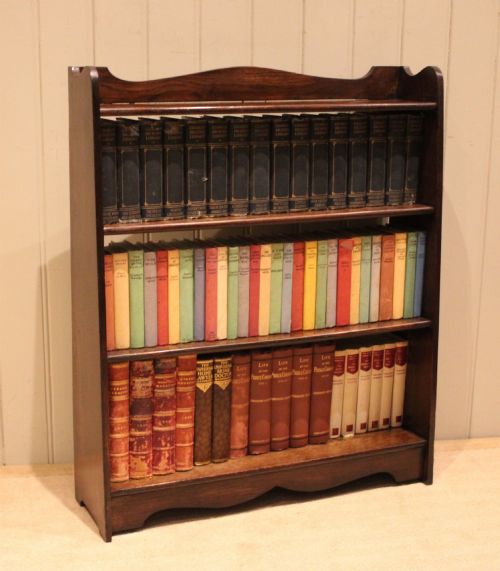
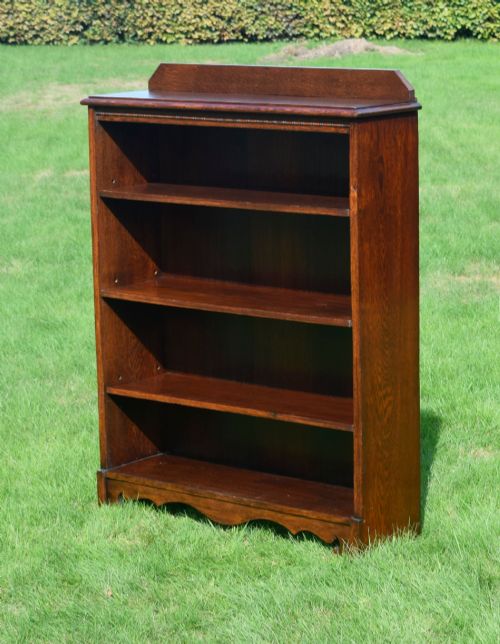
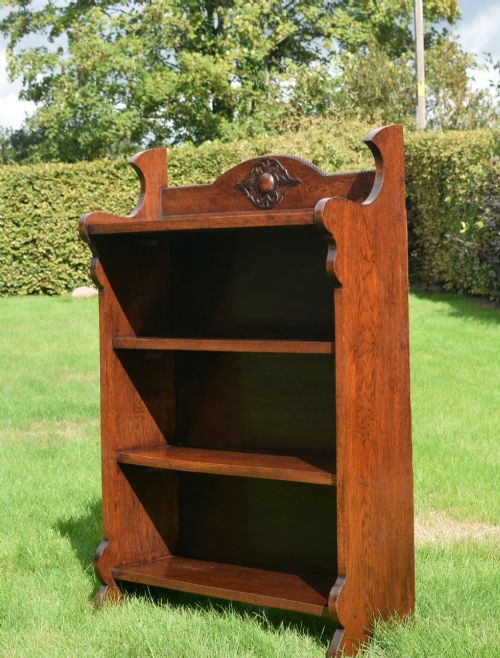
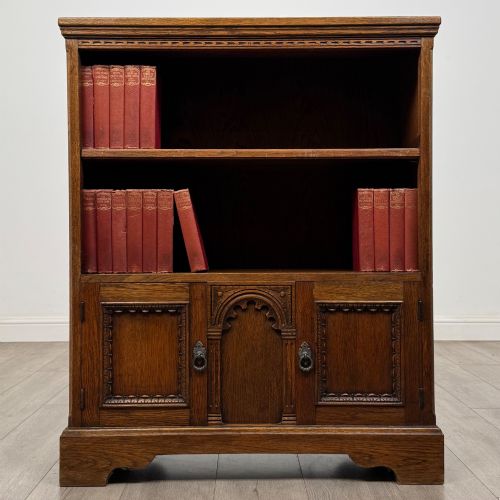
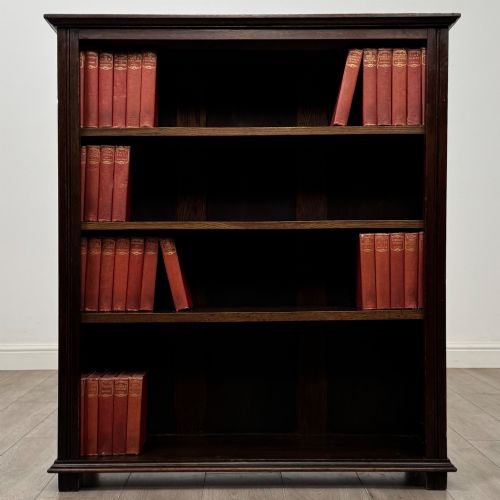
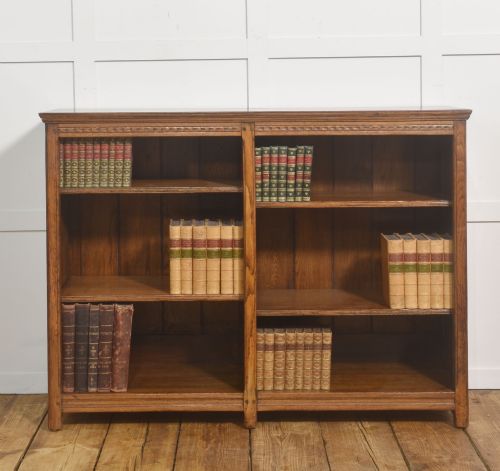
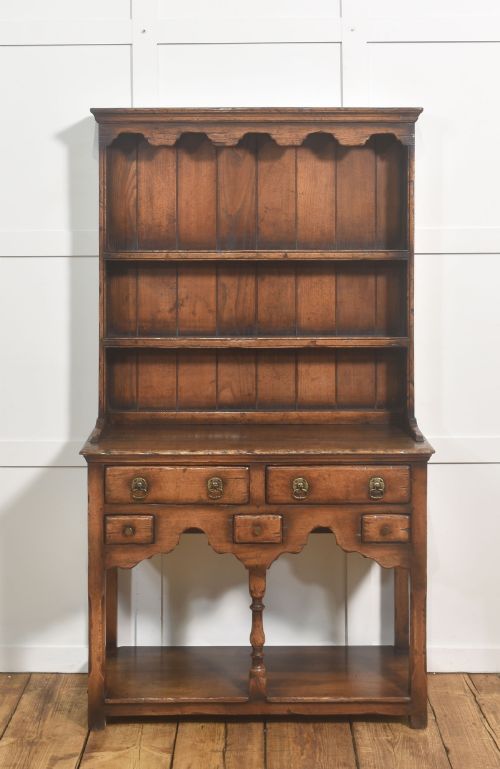
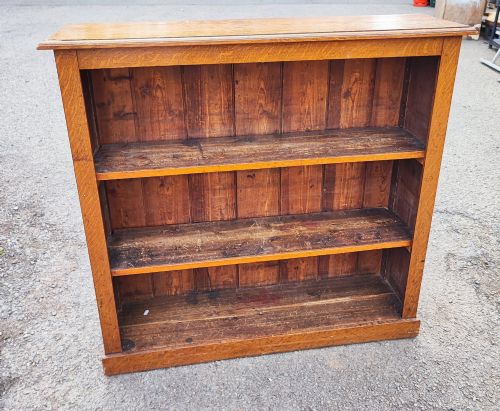
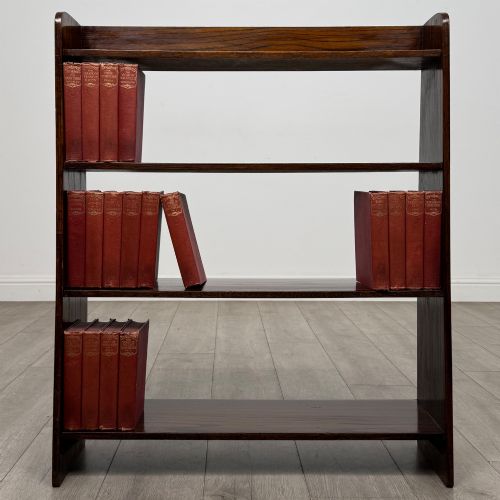
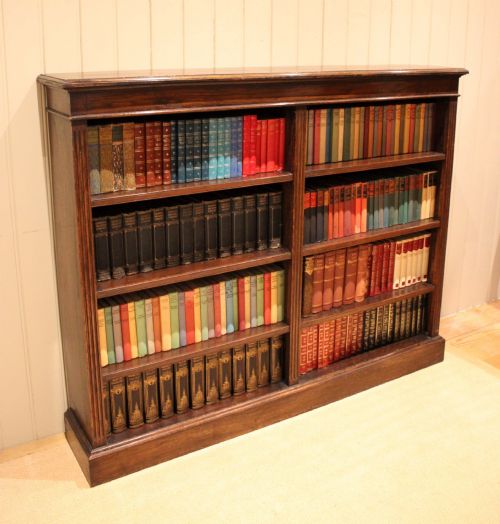
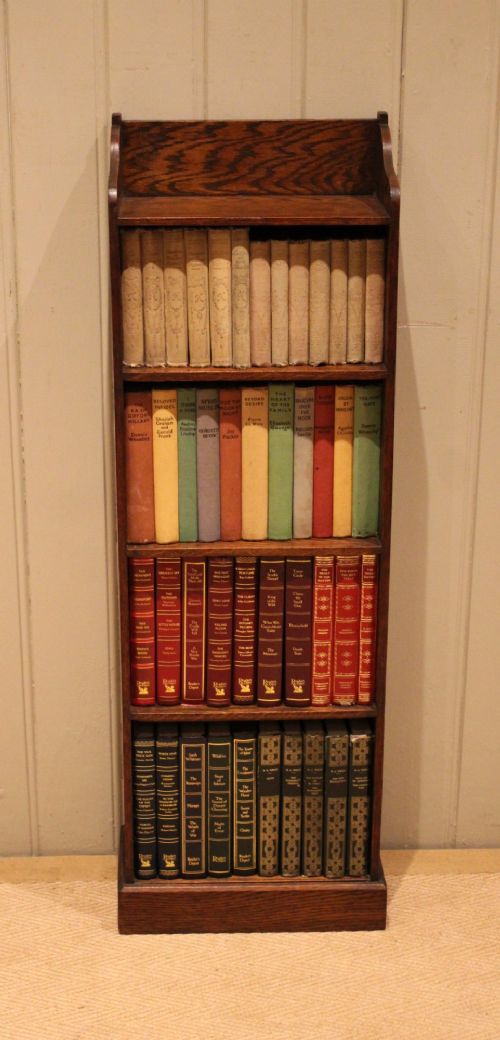
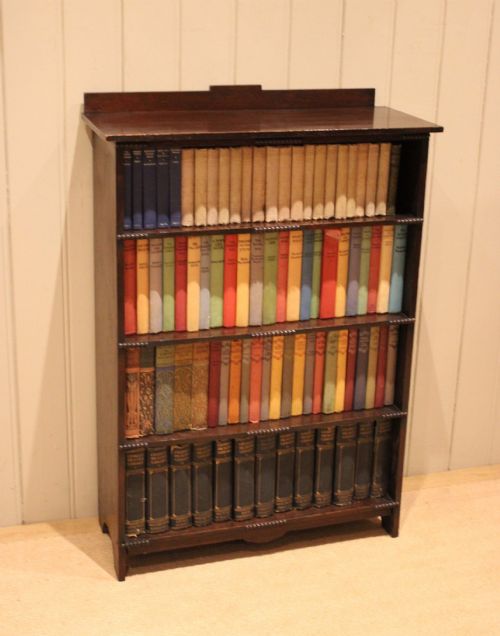
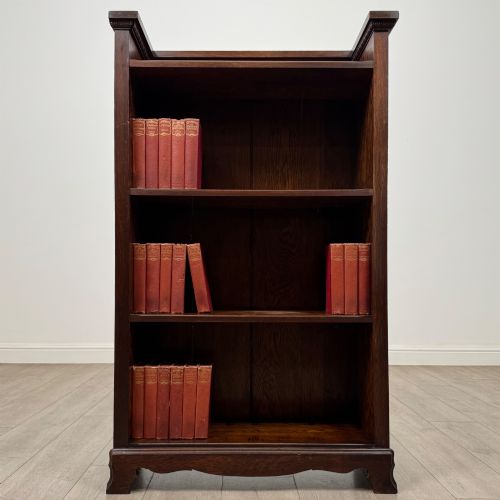
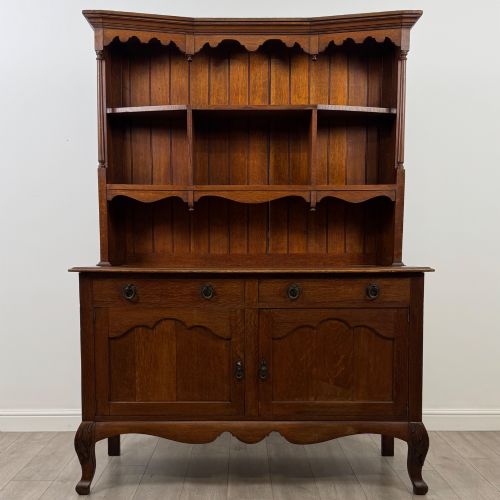
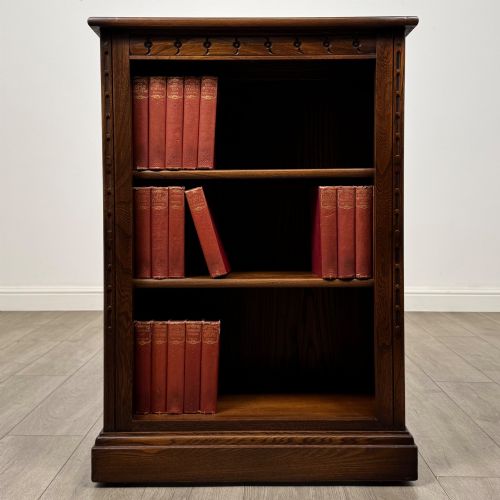
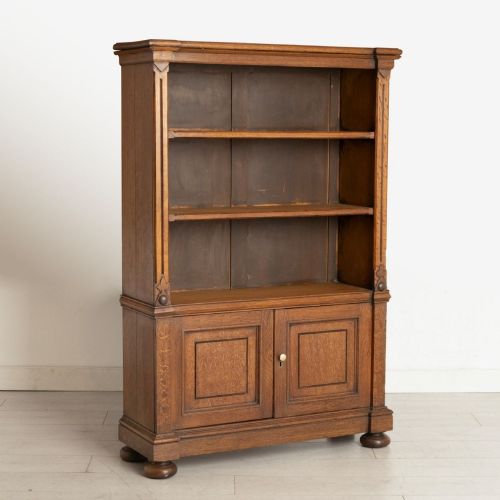
Traditional oak open shelves primarily comprise open bookcases and dressers featuring plate racks or pot boards, originating mainly from the Victorian and Edwardian eras alongside the early twentieth century. You will frequently encounter compact or large bookcases alongside Welsh dressers, constructed to hold books and display china in domestic interiors.
The pieces span various regional interpretations, including English country examples and revival styles such as Jacobean and Arts and Crafts. These items provide accessible storage, utilising open fronts that suit everyday display and retrieval of household items.
Materials and Construction
Construction relies heavily on oak, solid oak, and dark oak, frequently paired with brass or iron hardware such as hinges and shelf supports. Cabinetmakers utilised durable timbers to build frames capable of supporting heavy volumes and ceramic plates.
Joinery techniques focus on straightforward utility, incorporating beaded edges, adjustable shelf mechanisms, and boarded backs. The surfaces display the natural grain of the wood, sometimes finished in golden tones or darker traditional polishes.
Many a Victorian cook relied on the lower pot board of these dressers to air damp stoneware away from the flagged kitchen floor.
Distinctions in Standard
Quality separates through the selection of timber and the refinement of detailing, such as finely turned mouldings and crisply executed beaded edges. Superior examples employ solid oak throughout with careful attention to proportion and structural stability.
The sophistication of the design differentiates standard utility furniture from finer library pieces. Better proportioned bookcases feature adjustable shelving systems and robust plinths that anchor the height of the structure.
The Traditional Oak Open Shelves Glossary
- Pot Board
- A lower slatted shelf incorporated into a dresser base, traditionally used for storing pots and pans off the stone floor.
- Plate Rack
- An upper framework attached to a dresser featuring vertical or horizontal slats designed to display plates upright.
- Beaded Edge
- A narrow semi-circular moulding run along the corner of a shelf or frame to soften the edge and add decorative definition.
- Adjustable Shelves
- Shelves supported by movable pins or ratchets, allowing the vertical spacing to be altered for different book heights.
- Welsh Dresser
- A traditional kitchen or dining storage unit combining a lower sideboard base with an upper plate rack.
Traditional Oak Open Shelves: Frequently Asked Questions
How do I style traditional oak open shelves?
Keep the display balanced by mixing upright books with ceramics and neutral decorative objects. Allow space around items to highlight the timber grain and the open nature of the shelving.
Position larger bookcases against prominent walls in living rooms or studies. Ensure the surrounding decor complements the warm tones of the oak without overcrowding the room.
Are these shelves suitable for heavy books?
Solid oak construction provides significant structural strength, making these pieces well suited for heavy volumes. Many examples feature adjustable shelving supported by sturdy pins or fixed timber bearers.
Check the thickness of the individual shelves and the condition of the upright supports before loading them heavily. Distribute weight evenly across each tier to maintain long-term stability.
How do I identify an Edwardian oak bookcase?
Edwardian examples often display lighter golden oak finishes compared to darker Victorian pieces. They frequently incorporate simple linear designs or subtle Arts and Crafts influences.
Look for standard proportions, functional adjustable shelving, and minimal carved ornamentation. These characteristics reflect the domestic requirements of the early twentieth century.
What is the difference between a dresser and a bookcase?
A bookcase consists primarily of open shelving designed specifically for holding books and documents. It usually stands directly on a plinth or small feet.
A dresser combines a lower sideboard or base section with cupboards or drawers, often surmounted by an open plate rack. This form evolved for dining room and kitchen storage rather than library use.