
Oak Display Shelves
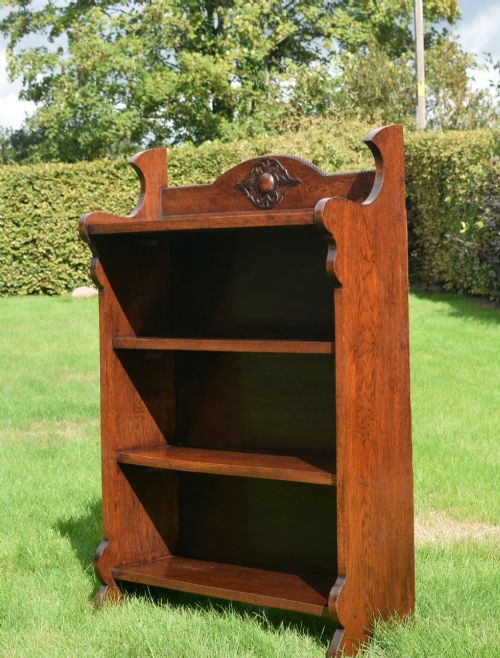
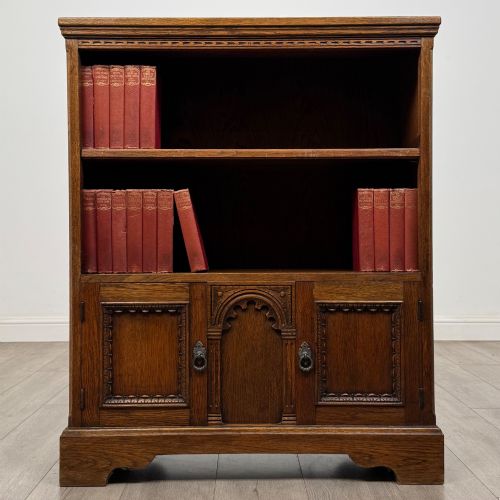
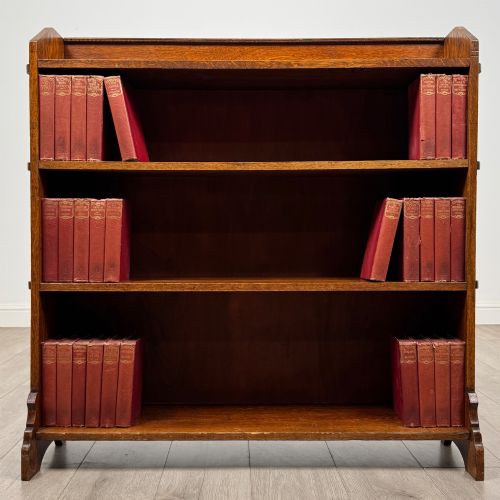
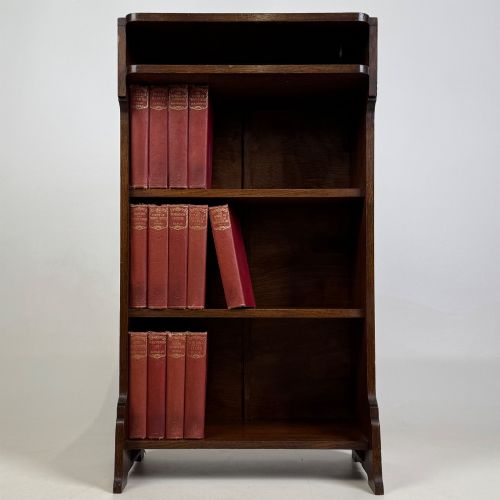
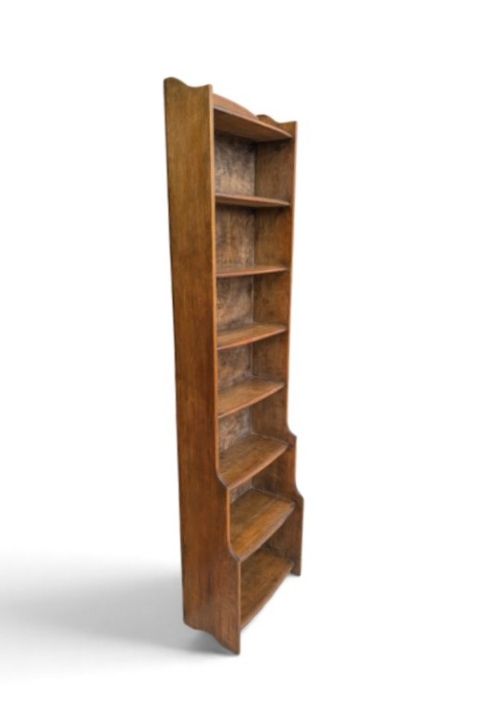
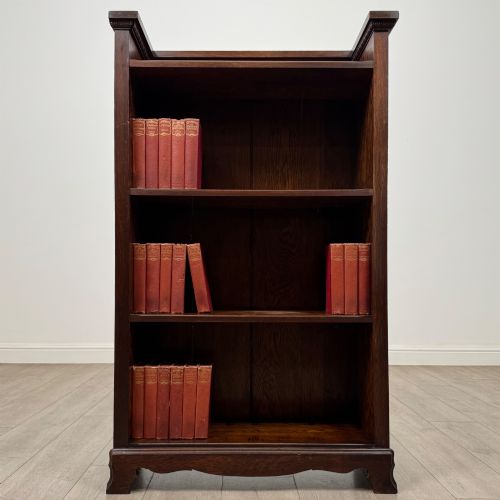
Oak display shelves bring timber grain and open storage into a room, offering sturdy ledges for books and ornaments.
What oak display shelves are
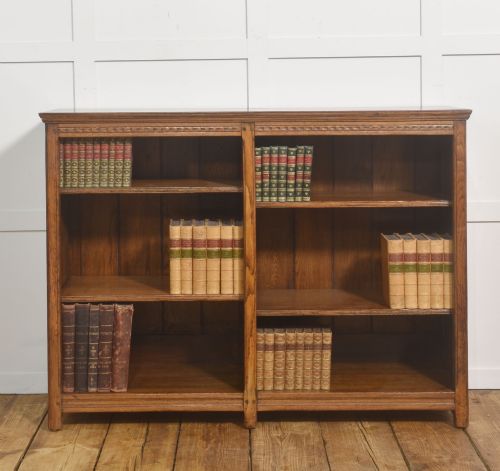
When you search for oak display shelves, you enter a field of open bookcases, wall shelves, and cabinets designed for books and ornaments. These pieces span the Victorian, Arts and Crafts, and Edwardian periods, stretching from eighteen eighty into the early twentieth century.
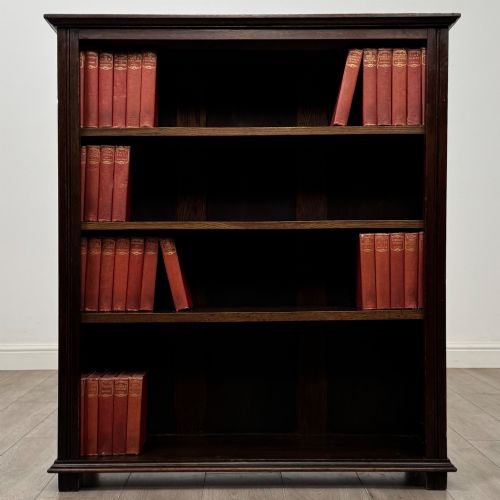
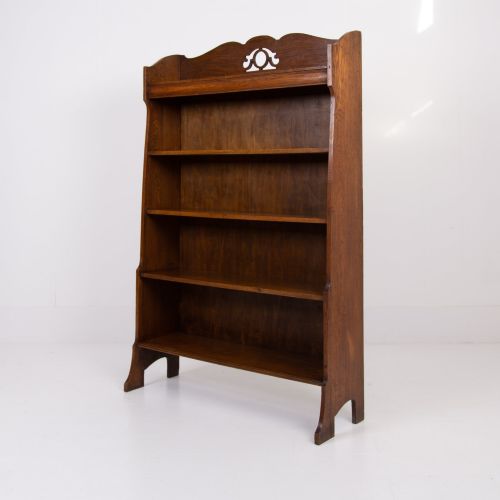
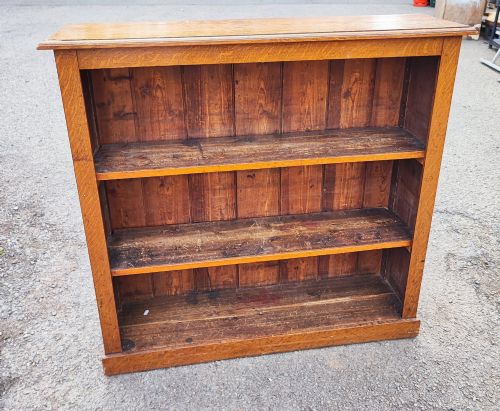
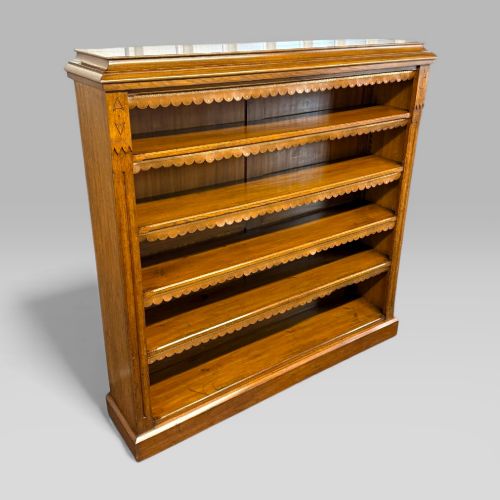
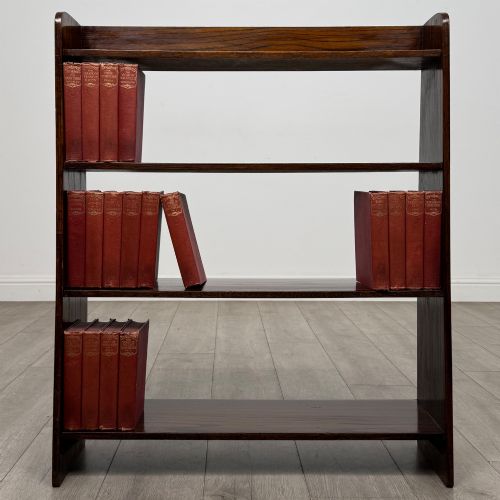
The majority of pieces you meet on this page are open bookcases or tiered library shelves. They combine practical book storage with display ledges for decorative items.
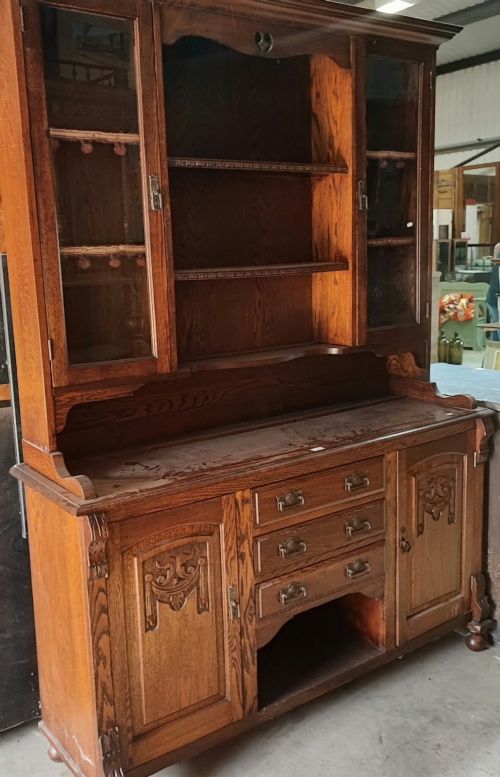
Makers utilised solid English oak, sometimes pairing it with elm or brass fittings. Forms range from compact wall-hung whatsits to tall library cabinets with adjustable shelves and glazed doors.
How they were made
Carpenters built these shelves using solid oak, occasionally incorporating elm for secondary timbers. Brass hardware appears on adjustable shelf mechanisms and campaign folding joints.
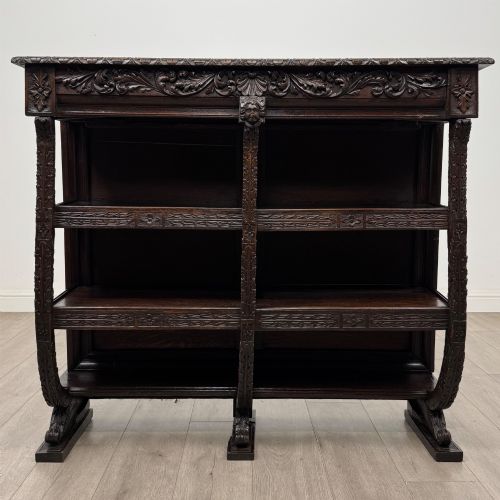
Construction techniques include traditional joinery, carved ornamentation, and tiered framing. Workshops produced both open-fronted bookcase structures and enclosed display cabinets with glass doors.
A folding campaign shelf proves that even a book lover on the move refuses to leave their library behind.
What varies in quality
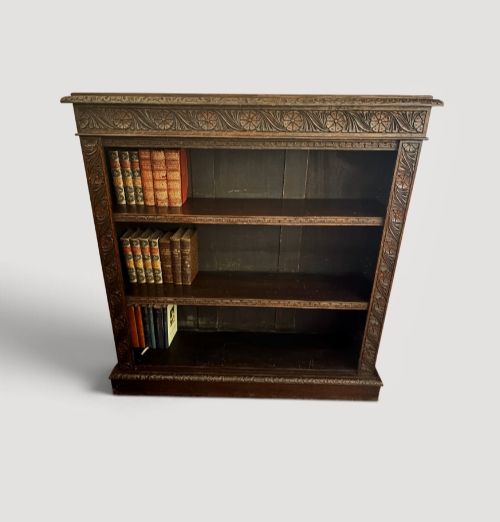
The distinction between standard utility furniture and finer pieces lies in the depth of timber selection and the presence of hand-carved details. Carved oak panels and crisp mouldings elevate the visual weight of a bookcase.
Functional additions such as adjustable shelf tracks and brass campaign fittings separate straightforward shelving units from versatile library cabinets.
The Oak Display Shelves Glossary
- Oak
- A durable hardwood with a prominent grain pattern, used extensively for structural strength and surface finish.
- Arts and Crafts
- A design movement focusing on craftsmanship and simple forms, evident in pieces from around nineteen hundred.
- Victorian
- A period spanning the nineteenth century, producing heavily carved oak bookcases and display shelves.
- Whatnot
- A set of open shelves designed for displaying small objects and ornaments.
- Adjustable shelves
- Shelves fitted with mechanisms to alter the height between tiers for varied book sizes.
Frequently Asked Questions
What periods do these shelves come from?
These pieces date from the Victorian, Edwardian, and Arts and Crafts eras, generally spanning the late nineteenth century through to the early twentieth century.
The styles reflect the cabinet-making standards of those decades, using solid oak and traditional construction methods.
How were oak display shelves used?
They served primarily in libraries and parlours to hold books, ledgers, and decorative ornaments. Open formats allowed easy access to frequently read volumes.
Some variations included glazed doors or campaign folding designs for specific domestic or travel utility.
Are the shelves adjustable?
Many examples feature adjustable shelves supported by brass tracks or wooden peg systems. This allowed owners to alter shelf heights for different book sizes.
Fixed shelves also appear, particularly in simpler wall-mounted units and smaller whatnot stands.
What woods are used besides oak?
Solid oak forms the primary material across the listings, valued for its strength and distinct grain. Elm occasionally appears alongside oak in certain bookcase builds.
Brass hardware is common for fittings, hinges, and shelf support mechanisms.