


Traditional Oak Occasional Tables
Traditional oak occasional tables bring enduring utility and timber grain to a room, ranging from gateleg coffee tables to narrow side pieces.
Traditional Oak Occasional Tables
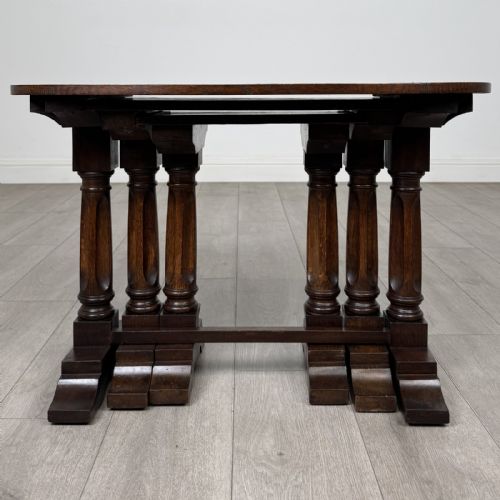
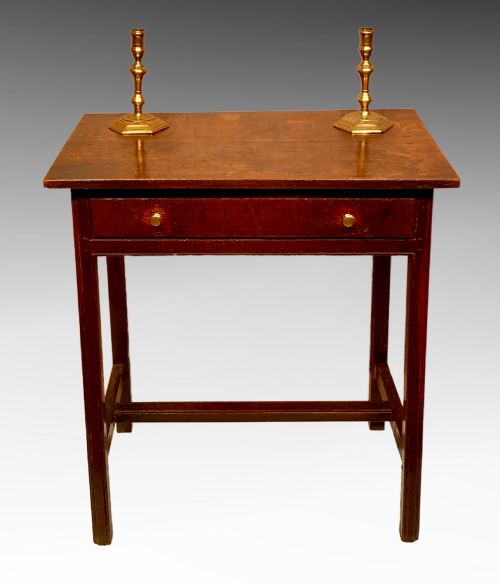
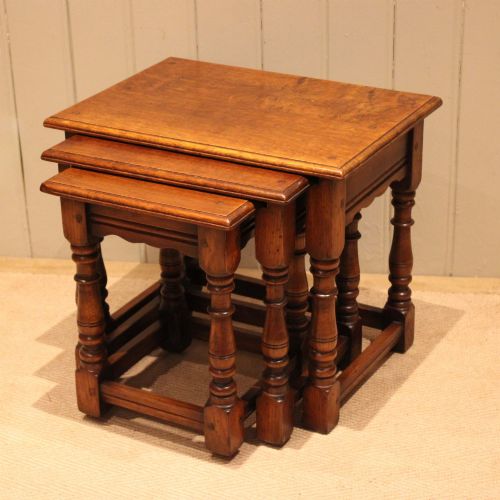
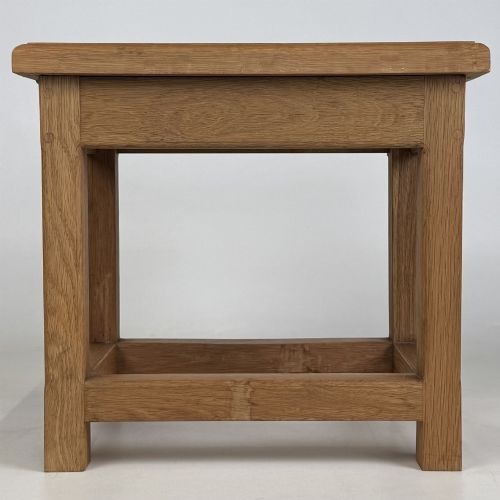
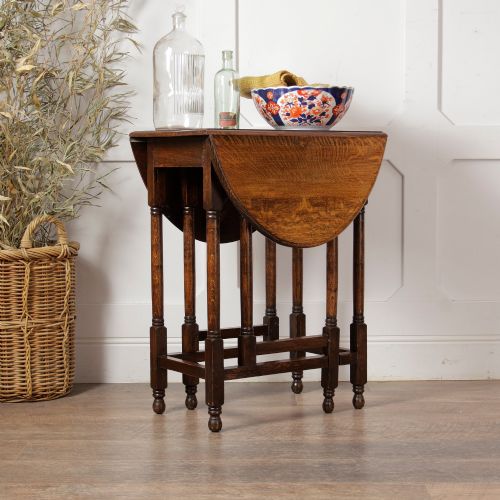
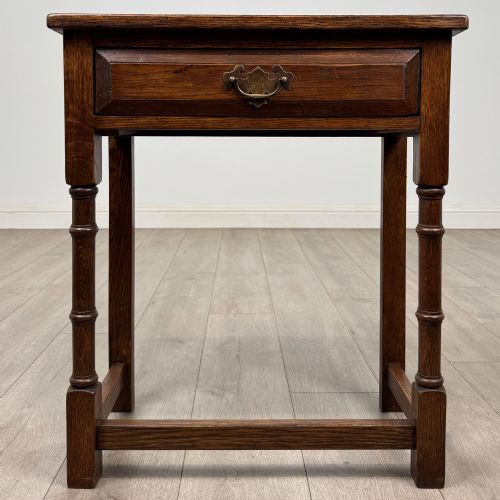
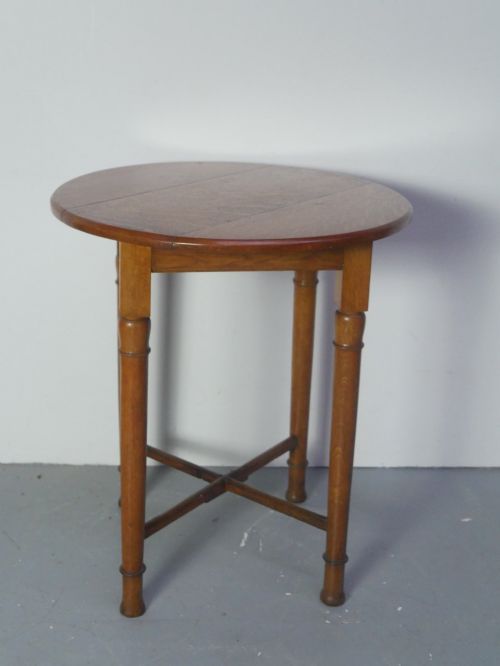
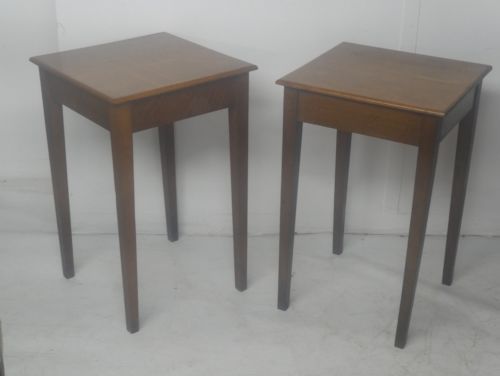
Traditional oak occasional tables encompass a variety of small-scale furniture designed for domestic utility and flexible placement around the home. Buyers searching for traditional oak occasional tables will encounter formats ranging from side tables and lamp tables to nests of tables, gateleg designs, and cricket tables. These forms bridge multiple periods, drawing on Edwardian practicality, Victorian carving, and earlier Georgian or seventeenth-century proportions.
The pieces most frequently met on this page span the Edwardian era and the nineteen-twenties, alongside pieces originating in the nineteenth and eighteenth centuries. Formats such as the narrow side table or the low coffee table demonstrate how domestic needs changed over time, shifting from formal dining support to versatile living room surfaces. English country and Jacobean revival styles appear alongside Arts and Crafts simplicity, offering distinct interpretations of traditional timber forms.
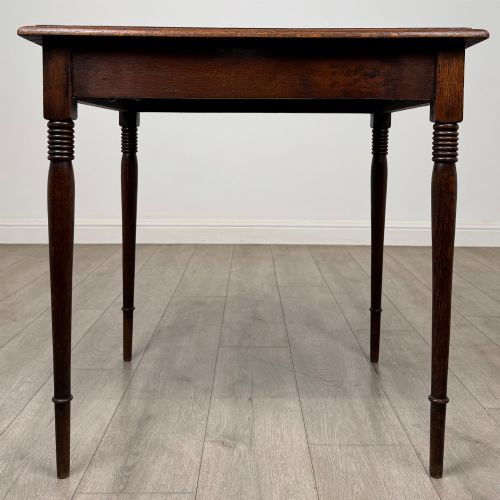
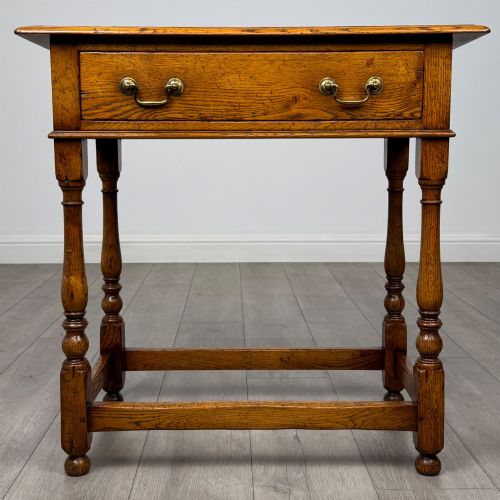
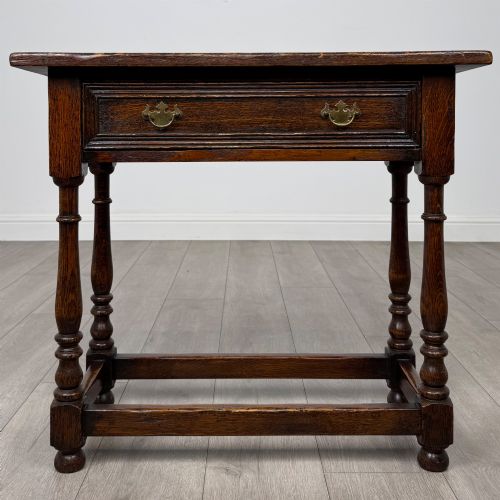
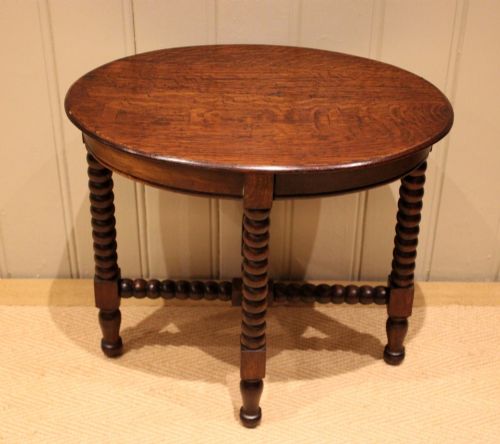
Construction relies heavily on solid oak, frequently paired with turned legs, barley twist supports, or tripod bases to elevate the surfaces. Variations include drop-leaves, swivel tops, and tiered shelving that add practical function to the compact footprints. Whether formed as a small oval table or a joint stool utilised for seating or placement, each piece reflects historical timber working traditions.
Materials and construction methods
Construction centres on solid oak, selected for its durability and prominent grain pattern, sometimes complemented by variations like bleached oak, pollard oak, or yew wood. Secondary materials such as brass, metal, and leather appear selectively for handles, hinges, or inset table tops. Makers shaped these timbers using traditional joinery techniques, ensuring stability in compact furniture designed to be moved frequently.
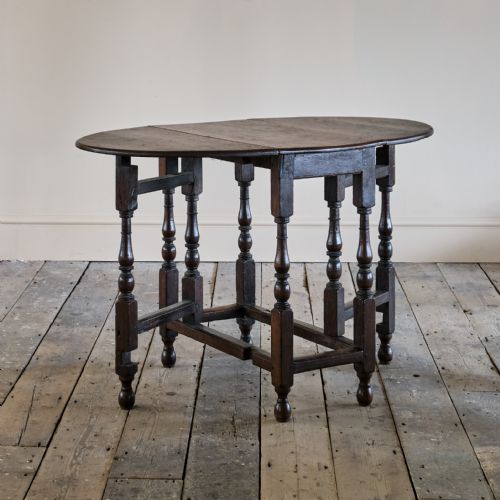
Leg construction defines much of the character in these tables, utilising turned uprights, barley twist profiles, or tripod supports to bear weight on small footprints. Gateleg and drop-side mechanisms employ hinged wooden leaves supported by swinging legs, allowing surfaces to expand when needed. Carving appears on panels and friezes, particularly in pieces influenced by Jacobean and Victorian revival aesthetics.
Listings feature oak alongside brass, leather, and yew wood across periods spanning the eighteenth century to the nineteen-thirties.
Assessing quality in timber and form
Quality in these pieces rests upon the selection of timber and the integrity of the joinery rather than ornate decoration alone. Superior examples display well-figured solid oak with consistent colour and tight grain alignment across the top surface. The weight and stability of the frame, particularly in gatelegs and nests, indicate how skilfully the maker balanced mobility with structural strength.
Proportion and restraint separate finer examples from heavier, mass-produced vernacular pieces. Clean turning on legs and precise movement in drop-leaf mechanisms demonstrate superior workshop competence. The integration of secondary materials, such as fitted leather tops or brass hardware, reveals the level of finish intended by the maker.
The Traditional Oak Occasional Tables Glossary
- Gateleg table
- A table with hinged leaves supported by legs that swing out from the frame to hold the flaps. This design allows the surface area to double when opened.
- Cricket table
- A small, three-legged occasional table traditionally featuring a round wooden top. The tripod configuration ensures stability on uneven floors.
- Joint stool
- A sturdy wooden stool built with pegged mortise and tenon joints, functioning historically as seating or a small platform. Surviving examples often serve as low side tables.
- Barley twist
- A decorative turning technique resembling a spiral rope, frequently utilised on table legs during the seventeenth century and revived in later periods.
- Pollard oak
- Timber harvested from trees that have been pollarded, producing wood with dense, highly figured growth patterns often utilised for decorative table tops.
Traditional Oak Occasional Tables: Frequently Asked Questions
How do I use an occasional table in a modern room?
These compact tables fit easily beside seating, serving as lamp stands or resting surfaces for books and drinks. Their modest scale allows them to move between rooms as daily requirements change.
Mixing older timber tones with contemporary interiors adds texture and historical contrast to a space without overwhelming the layout.
What is the difference between a side table and a lamp table?
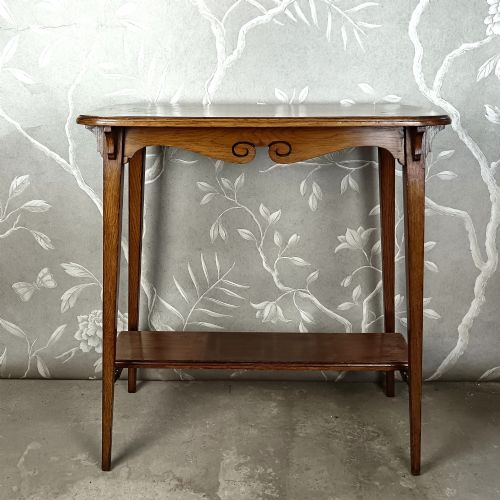
Side tables generally offer broader rectangular or oval surfaces suited for general placement against walls or beside upholstery. Lamp tables are typically smaller and narrower, dimensioned specifically to hold lighting.
Both types draw on similar construction methods, including turned legs and solid oak tops, across Edwardian and earlier periods.
What is a cricket table?
A cricket table is a small occasional table distinguished by three legs and a circular top. The three-legged design prevents rocking on uneven historic floors.
These pieces often feature straightforward wooden construction, making them light enough to carry easily around a room.