
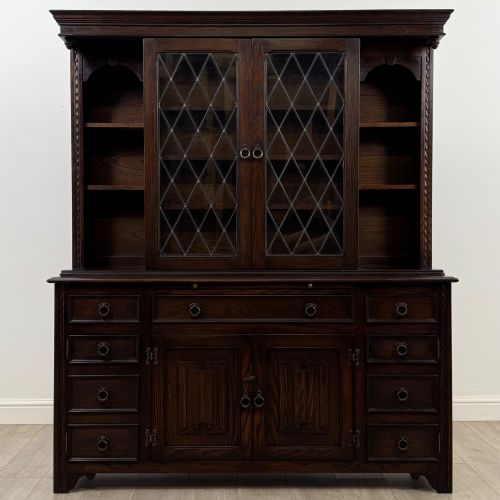
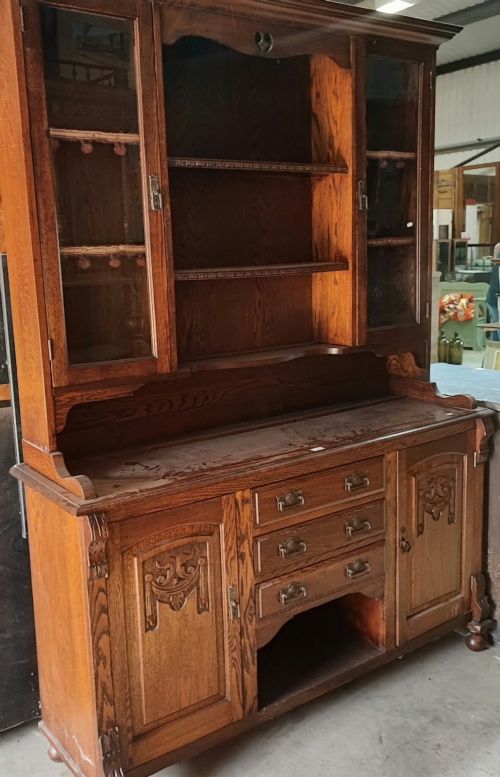
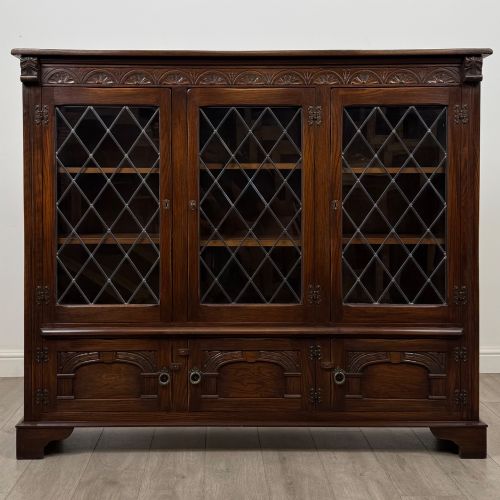
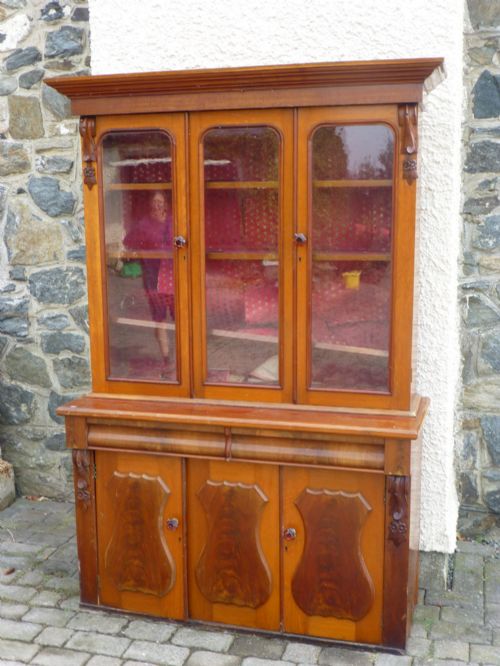


Traditional Oak Display Dresser
A traditional oak display dresser brings utilitarian warmth and time-worn character to a room, offering both storage and display.
Traditional Oak Display Dresser
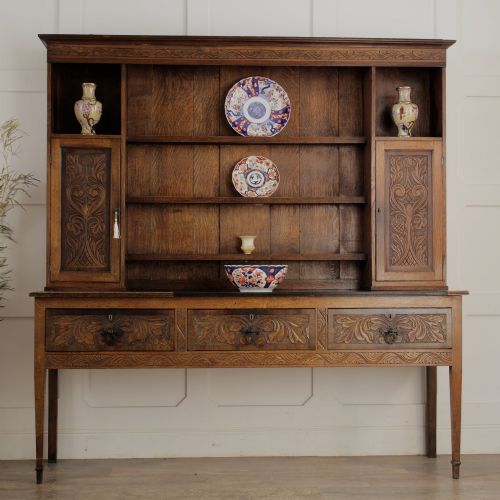
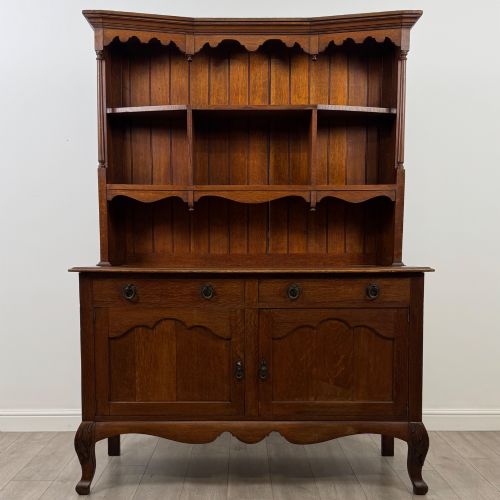
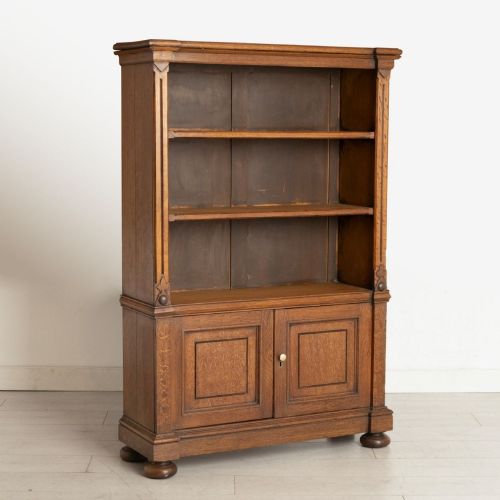
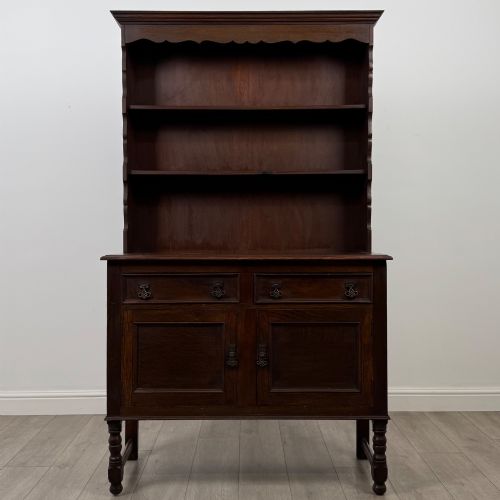
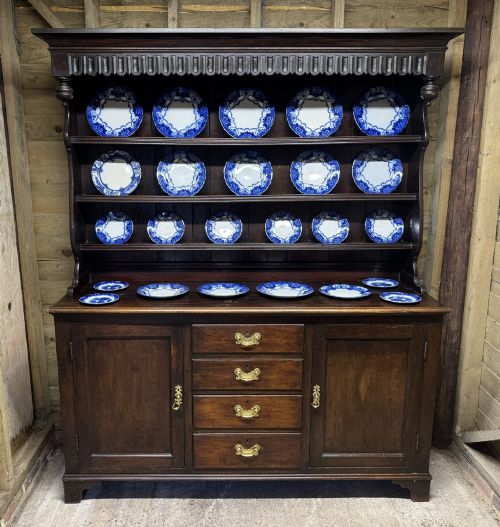
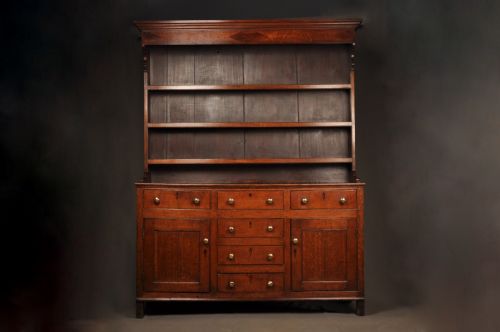
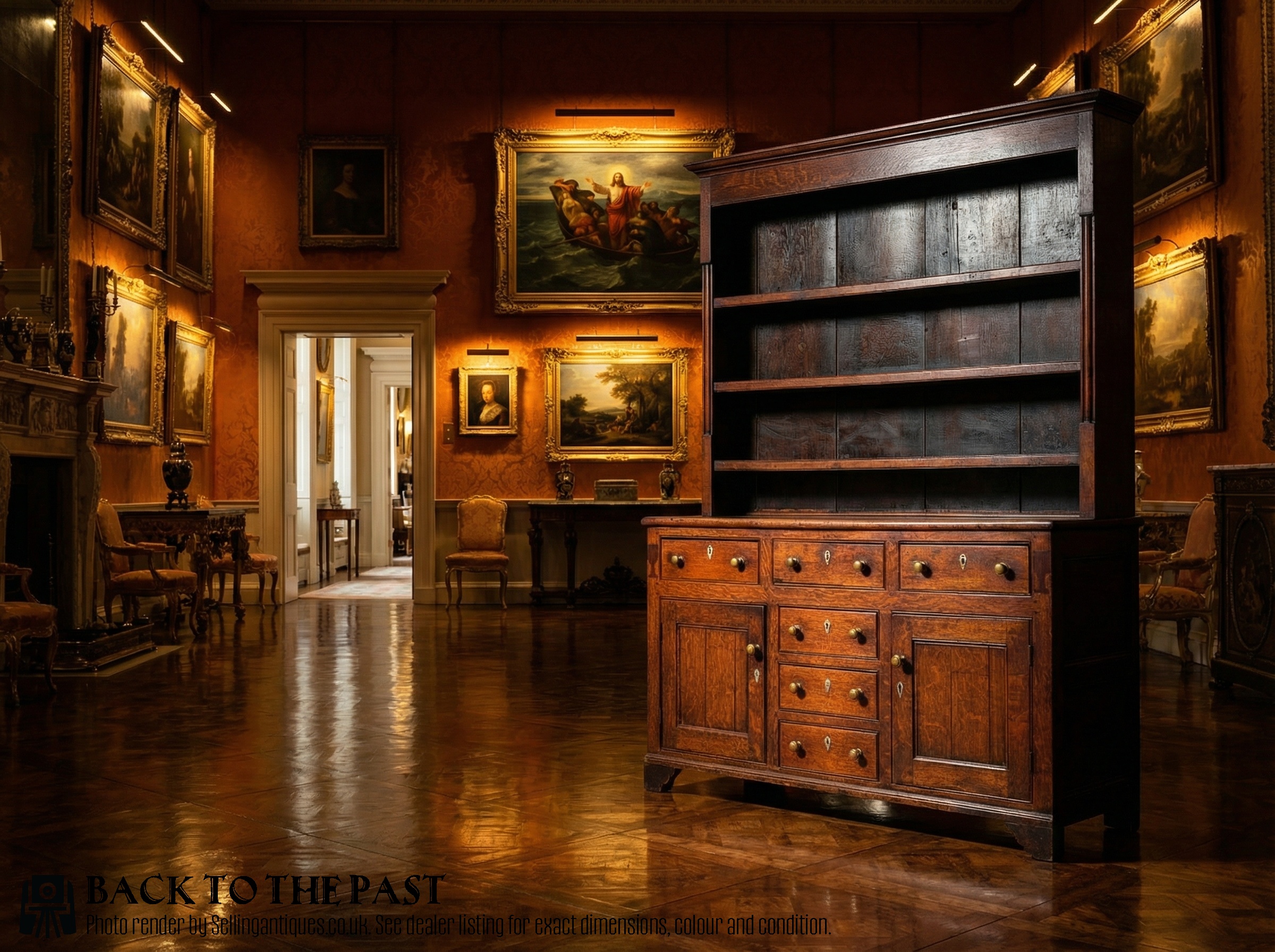
A traditional oak display dresser combines a lower base of cupboards or drawers with an upper section designed for showing ceramics and kitchenware. These pieces serve as functional storage units that anchor domestic spaces with historical weight.
The selections available here predominantly span the eighteenth and nineteenth centuries, alongside regional variations from English and Welsh country workshops. Buyers regularly encounter pieces featuring integrated plate racks, glazed cabinets, and open shelving.
Constructed primarily from sturdy timber, these items range from rustic cottage furniture to formal Georgian designs. They reflect centuries of domestic utility, evolving from simple working furniture into centrepieces for modern interiors.
How they were made
Cabinet makers built traditional oak display dressers using solid timber frameworks, often incorporating secondary woods like pine and mahogany for internal elements. Panels and doors relied on traditional joinery to accommodate seasonal movement in the wood.
Hardware such as brass handles, iron hinges, and lead cames for glazed sections provide structural and decorative detail. Surfaces frequently show hand-planed finishes and carved ornamentation, particularly in revival styles.
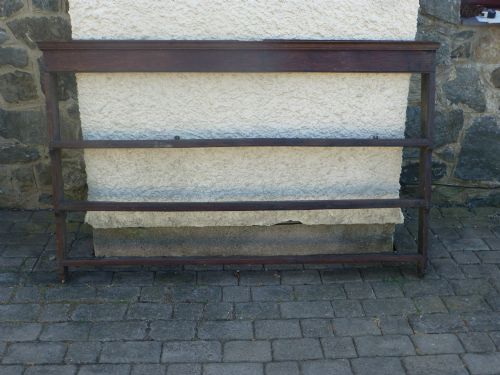
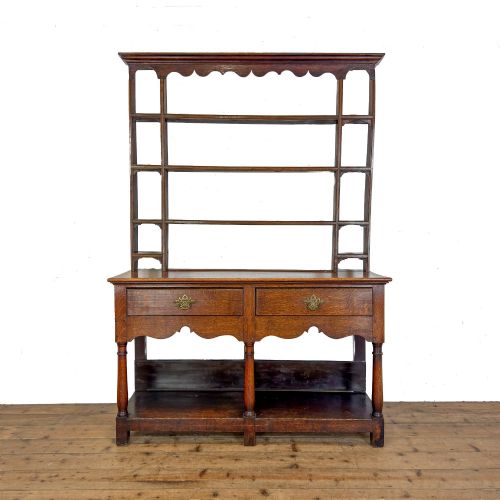
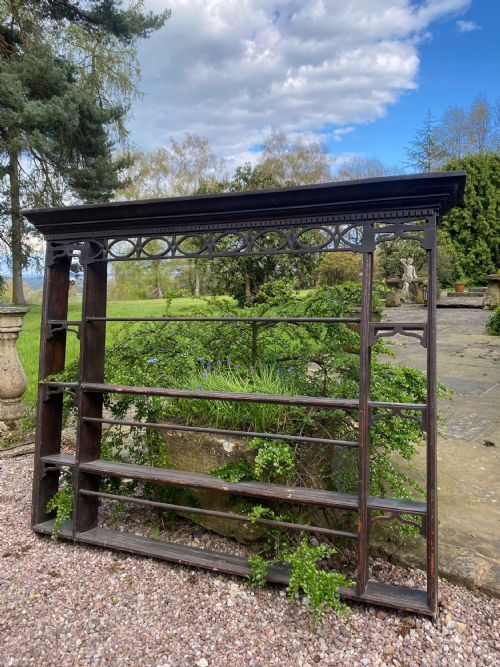
Plate racks and upper display tiers were constructed to safely hold heavy ceramics, utilising integrated plate grooves and vertical supports. The integration of open potboards and enclosed cupboards balanced display space with concealed storage.
Early potboards collected sleeping farmhouse cats beneath the dinner plates.
What varies in quality
The distinction between standard utility pieces and exceptional examples rests upon the selection of timber and the sophistication of regional construction. Figured grains, such as tiger oak, and symmetrical proportions elevate a piece above everyday provincial work.
Originality of components defines the standing of a traditional oak display dresser. Retaining the original plate rack, period brassware, and unaltered base structure separates untouched survivals from heavily restored or assembled items.
The Traditional Oak Display Dresser Glossary
- Welsh dresser
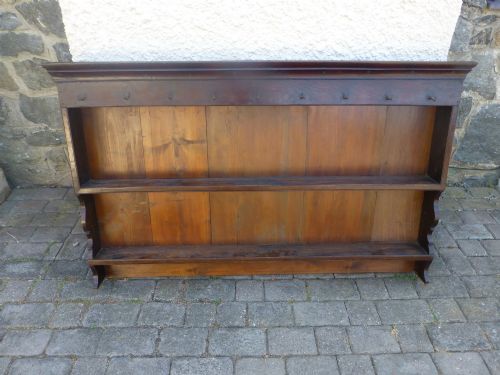
- A traditional form featuring a base of drawers and cupboards surmounted by a plate rack for displaying ceramics. These regional pieces often incorporate open potboards beneath the lower base.
- Delft rack
- An upper set of open shelves designed specifically to display plates and platters upright. They appear frequently on eighteenth and nineteenth-century kitchen furniture.
- Potboard
- A lower open shelf positioned close to the floor between the legs of a dresser. Makers originally designed this space to hold pots and heavy kitchen utensils.
- Breakfront
- A cabinet design where the central section projects forward from the flanking wings. This architectural arrangement adds depth and formal presence to the piece.
- Tiger oak
- Quartersawn oak timber exhibiting distinctive flecked and mottled grain patterns resembling a tiger's stripes. Cabinet makers utilised this cut to highlight the natural figure of the wood.
Traditional Oak Display Dresser: Frequently Asked Questions
What is a traditional oak display dresser?
A traditional oak display dresser is a dual-purpose furniture form consisting of a lower storage base paired with an upper rack or cabinet for showcasing tableware. These items developed as essential furniture in country houses and farmhouses for daily domestic service.
Today, they function as prominent storage furniture in dining rooms and kitchens. They accommodate modern collections of ceramics while maintaining historical character.
How do I date a traditional oak display dresser?
Dating relies on examining construction techniques, timber characteristics, and stylistic markers such as hardware and carved details. Eighteenth-century examples often display simpler joinery and regional vernacular traits, while Victorian and Edwardian pieces frequently show revival influences.
Observing the backboards, drawer linings, and overall wear patterns helps distinguish Georgian origins from later nineteenth-century interpretations. Regional variations also provide clues to the geographic workshop of origin.
Where should I place a dresser?
These pieces suit dining rooms, large kitchens, and living spaces where their substantial proportions can anchor the room. Placing them against a solid wall allows the upper display rack to safely showcase ceramics and decorative objects.
Avoid positioning them in direct sunlight or near heat sources to protect the historic timber and finish. Adequate clearance ensures the lower doors and drawers open fully without obstruction.
Are plate racks original to the base?
Many traditional oak display dressers retain their original plate racks, though some upper sections were paired with bases during later periods. Examining the timber matching, mounting methods, and wear consistency helps determine if the components started life together.
Matching patination across both upper and lower sections indicates a unified piece. Even married pieces, however, offer functional utility and traditional aesthetic appeal.