

Traditional Oak Dining Furniture
Traditional oak dining furniture brings solid timber and enduring forms into the home, offering the robust character built for daily meals and gatherings.
Traditional Oak Dining Furniture
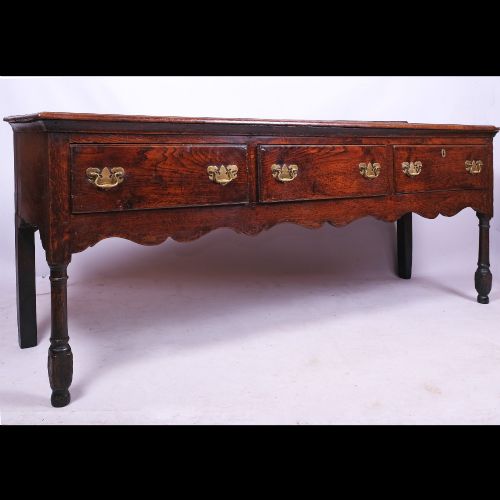
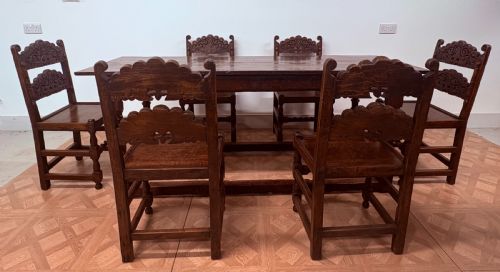
When searching for traditional oak dining furniture, buyers encounter heavy refectory tables, gateleg drop-leaf designs, and long farmhouse benches spanning several centuries of craftsmanship. These pieces originate from domestic and rural settings, reflecting the practical needs of past households through sturdy construction and functional layouts.
Materials and construction methods
Construction relies heavily on solid oak timbers, chosen for strength and longevity, while supporting components often utilise elm, ash, and beech for flexibility and turnery. Joinery techniques such as mortise and tenon joints secure frames without relying on metal fixings.
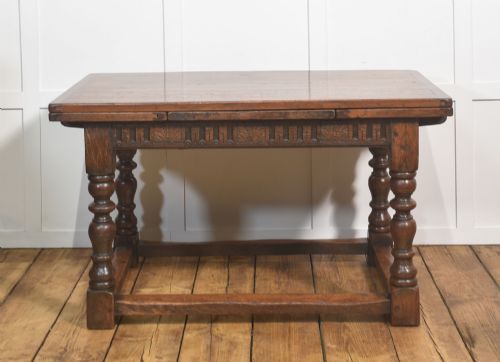
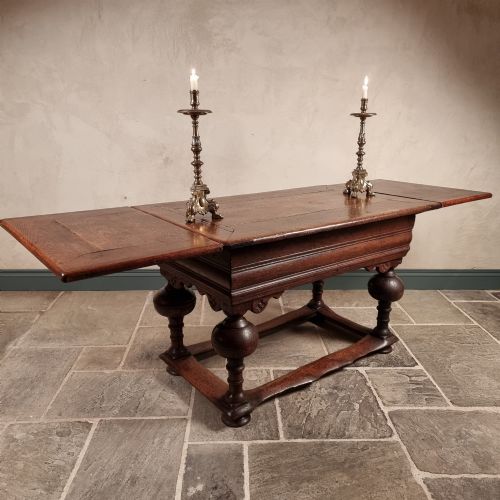
Surfaces display the natural grain of the timber, sometimes finished with rush seating on chairs or left as bare wood on scrubbed farmhouse tabletops. Drop-leaf actions and draw-leaf mechanisms provide adjustable surface space using clever wooden runners and hinges.
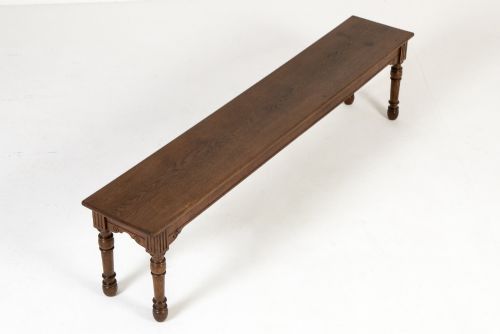
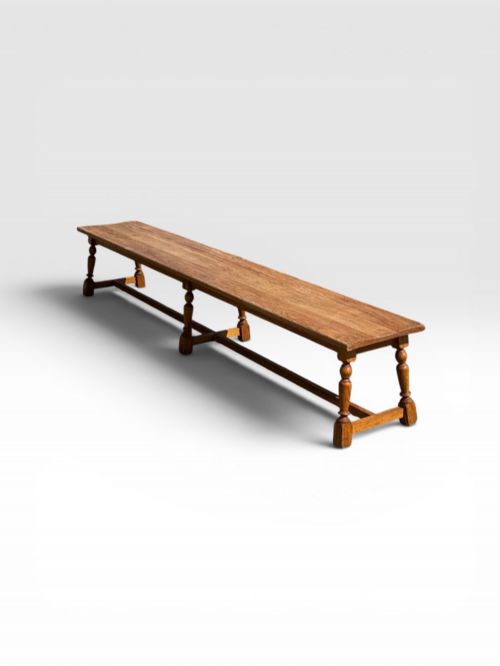
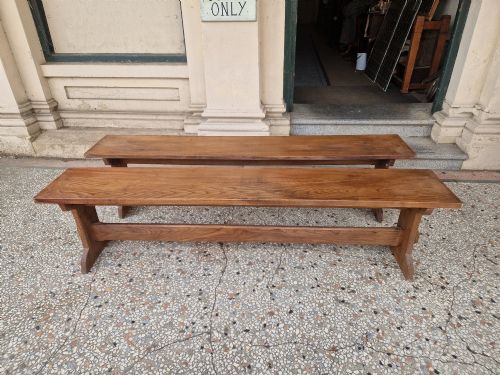
Several heavy oak benches originate directly from Bishopthorpe Palace in York, carrying centuries of institutional history straight to the dining room.
Judging quality in oak dining pieces
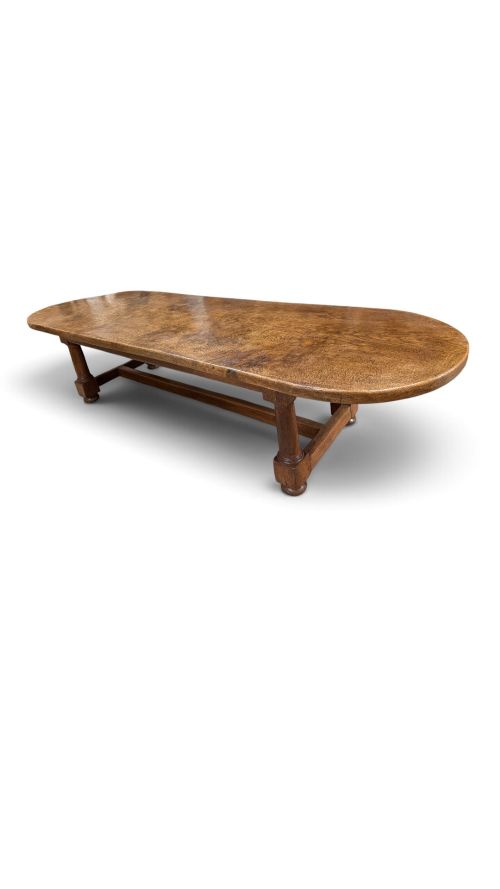
Quality rests upon the integrity of the timber selection, particularly where single-plank tabletops or matched grain patterns demonstrate superior raw materials. Tables with minimal structural alteration and original stretcher bases retain higher integrity than heavily restored examples.
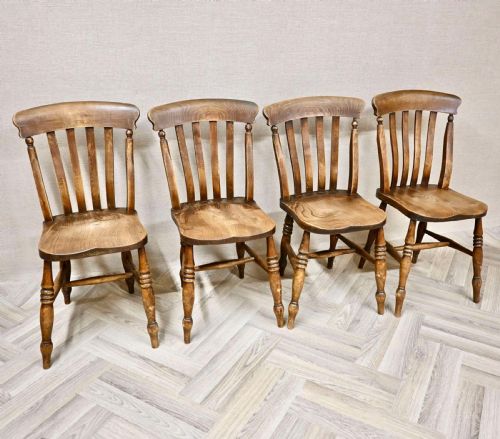
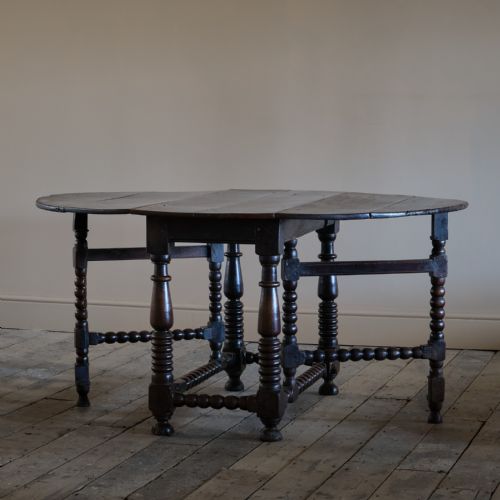
The finesse of hand-turned elements, such as bobbin legs or spindle backs, distinguishes standard utilitarian output from finer regional workshop production. Proportions and the balance of weight between supporting legs and heavy tops also indicate the maker's skill.
Dicon Nance St.Ives Studio·William Morris
The Traditional Oak Dining Furniture Glossary
- Refectory table
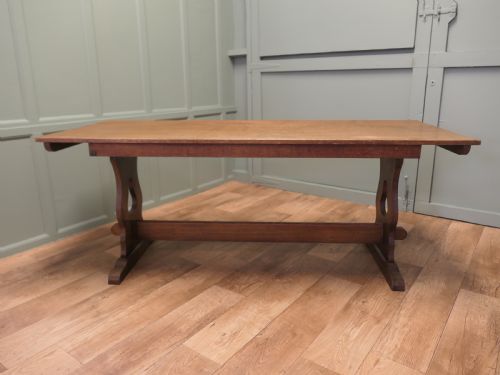
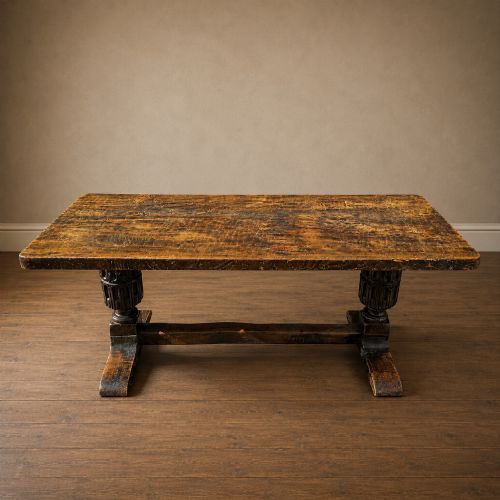
- A long dining table originally used in monastic dining halls, characterised by stretcher rails near the floor for stability. These tables provide substantial seating capacity for large groups.
- Gateleg table
- A drop-leaf table with hinged legs that swing out to support the extended leaves. This design allows the table to fold down into a compact footprint when not in use.
- Draw-leaf table
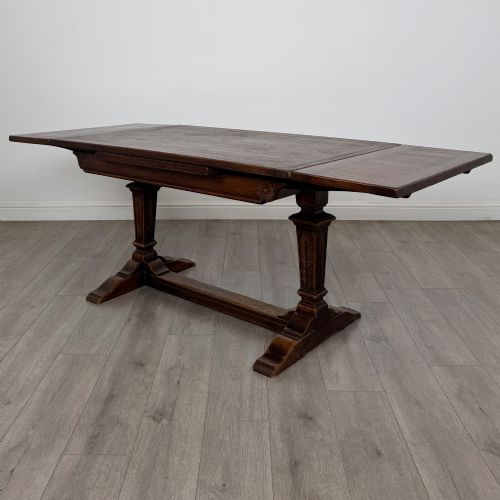
- A table with two hidden leaves beneath the main top that pull out to extend the surface length. This mechanism accommodates extra diners without requiring separate storage leaves.
- Joint bench
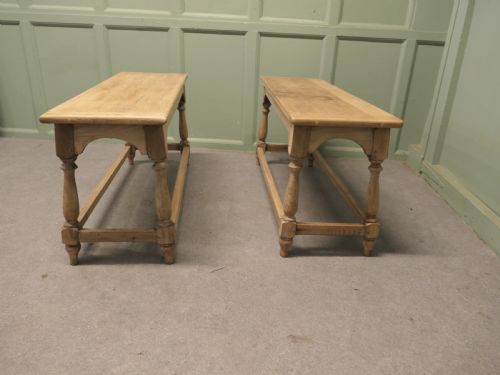
- A long wooden seat constructed using traditional joinery rather than upholstery or metal nails. These benches often accompany refectory or trestle tables.
- Windsor chair
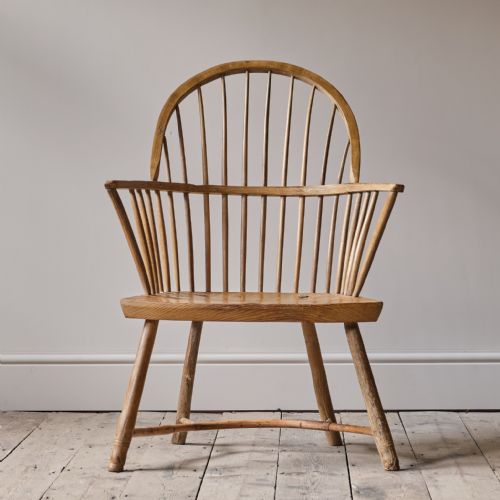
- A chair built with a solid wooden seat into which the legs and back spindles are wedged directly. Common regional variations include hoop-back and wheelback styles.
Traditional Oak Dining Furniture: Frequently Asked Questions
How do I seat guests comfortably around a gateleg table?
Gateleg tables offer flexibility because the drop leaves fold down to save space when dining alone or expand fully to accommodate several people.
Position chairs carefully around the swing-out legs to ensure diners have adequate legroom beneath the top.
What is the difference between a refectory table and a farmhouse table?
Refectory tables typically feature long, narrow proportions with low stretcher rails connecting the legs, originating from communal dining halls.
Farmhouse tables present a simpler domestic vernacular style, often paired with benches or mismatched chairs for everyday kitchen use.
How should I clean and maintain an antique oak table?
Clean wooden surfaces using a slightly damp cloth and dry immediately to protect the grain and prevent moisture damage.
Avoid harsh chemical polishes and apply natural beeswax occasionally to nourish the timber and preserve its finish.
Are oak benches suitable for daily dining use?
Solid oak benches provide sturdy, space-saving seating that tucks neatly beneath dining tables when not in use.
Consider adding loose cushions for comfort during long meals, especially on longer benches paired with tavern tables.
How do I identify the period of an oak dining table?
Examine the construction marks, tool traces, and joint types beneath the tabletop and along the frame.
Seventeenth-century examples often feature heavy gateleg mechanisms or pegged mortise joints, while later nineteenth-century pieces display different turnery styles and lighter proportions.