






Traditional Nursery Rocker
A traditional nursery rocker brings enduring charm to a room, offering children's chairs, cradles, and rocking horses crafted for comfort.
Traditional Nursery Rocker
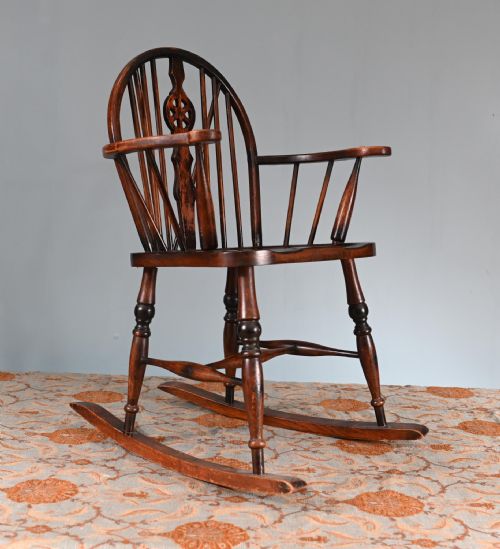
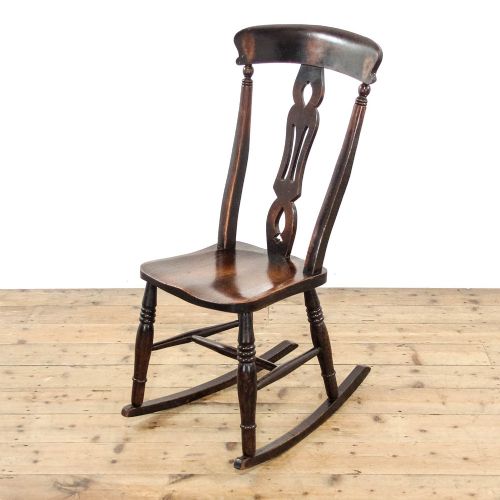
A traditional nursery rocker encompasses child-sized rocking chairs, cradles, cribs, and rocking horses designed for historic domestic spaces. These pieces span from the eighteenth century through the Victorian era and into the early twentieth century.
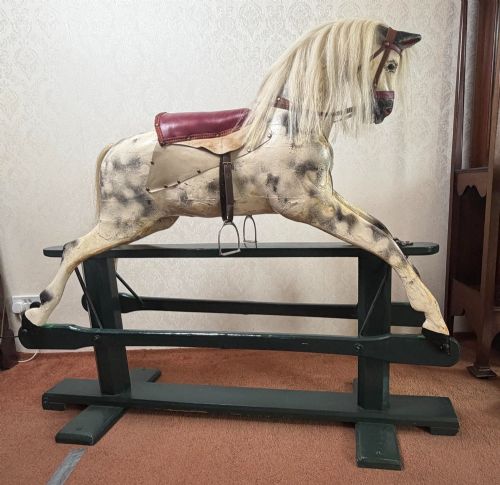
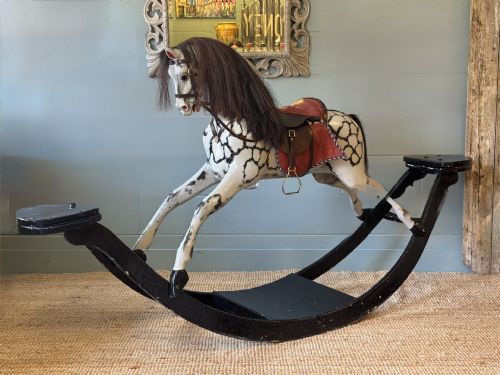
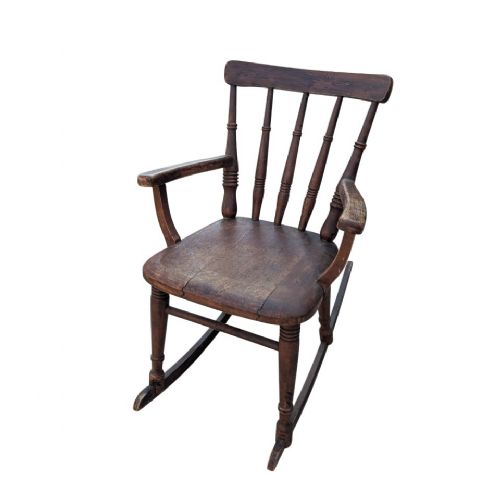
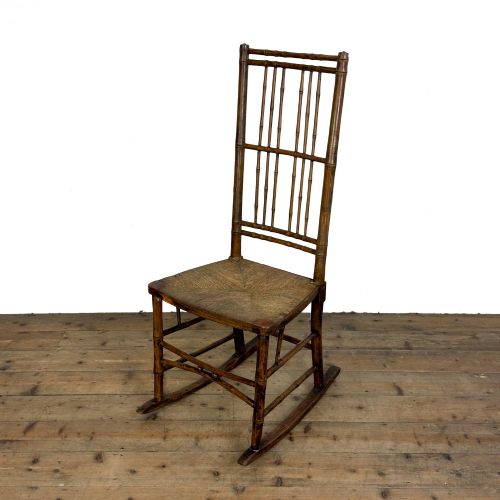
The selections on this page feature domestic forms intended for children, including Windsor styles, spindle-backed seats, panelled pine cradles, and carved wooden horses. Examples range from rustic country workshops to more formal Victorian parlours.
Buyers will most frequently encounter small wooden rocking chairs and traditional rocking horses originating from the nineteenth century. These survive in woods such as beech, pine, oak, and fruitwood.
How they were made
Maker construction relies on traditional timber framing, utilising woods like beech, oak, elm, fruitwood, and pine. Joinery methods include turned spindles, bentwood techniques, and solid panel construction.
Surfaces frequently show historic finishes such as original paint, ebonising, or polished wood grains. Upholstery and padding elements, where present, utilise horsehair and leather.
Traditional Nursery Rocker Retail Price Guide 2026
Typical asking prices for traditional nursery rocker among the pieces listed under this phrase on Sellingantiques today, from the lower quarter to the upper quarter. They describe what is for sale here now, not the wider market.
Listings feature items from the eighteenth, nineteenth, and early twentieth centuries, constructed in pine, beech, oak, and fruitwood.
What varies in quality
Quality in a traditional nursery rocker rests upon the integrity of the timber framing and the sophistication of the turning or carving. Early elm and fruitwood examples display refined regional craftsmanship compared to later utility items.
The survival of original surfaces, such as early paint layers or patinated wood finishes, distinguishes exceptional survivors from pieces that have undergone heavy restoration or stripping.
G & J Lines of London
The Traditional Nursery Rocker Glossary
- Windsor
- A chair built with a solid wooden seat into which the legs and back spindles are directement tenoned. This construction method provides robust structural stability.
- Bentwood
- Wood softened by steam and bent into curved structural forms. This technique creates flowing, lightweight frames typical of later periods.
- Fruitwood
- Timber sourced from fruit-bearing trees such as pear or apple, prized by country makers for its dense grain and warm tone. It was often utilised for smaller seating.
- Ebonised
- Wood finished with a dark stain or black lacquer to imitate ebony. This decorative treatment was popular during the Victorian period.
- Rush
- Woven marsh grasses used for traditional seating mats. It provides a resilient, textured surface for chair seats.
Traditional Nursery Rocker: Frequently Asked Questions
How do I date a nursery rocker?
Dating relies upon examining construction methods, tool marks, and timber species alongside stylistic traits. Earlier eighteenth-century pieces often feature solid elm and simpler joinery, while Victorian examples introduce varied turnings and ebonised finishes.
Changes in hardware and upholstery materials, such as horsehair stuffing, also help narrow the manufacturing window when combined with regional building traditions.
Were these chairs meant for children?
Many examples on this page are explicitly child-sized rocking chairs and small cradles designed for historic nurseries. Others, such as Windsor nursing chairs, were built for adults to sit comfortably while tending to infants.
Scale and proportion generally indicate whether a piece was constructed for a child's use or for an adult supervising the room.
How do I care for antique wood?
Preserving these pieces requires stable indoor humidity and protection from direct sunlight, which can dry out historic timber and crack original painted surfaces. Gentle dusting with a dry cloth is generally sufficient for maintenance.
Avoid modern liquid polishes or silicone-based cleaners, as these can penetrate vulnerable finishes and alter the natural patina accumulated over centuries.
What is an ebonised finish?
An ebonised finish is a treatment where timber is stained or painted black to emulate expensive exotic ebony wood. This decorative approach became widely fashionable during the Victorian era for both seating and occasional furniture.
Examining the wear patterns on the black surface helps determine whether the dark coating is original to the period of manufacture.