


Traditional Northwest Persian Rug
Traditional northwest persian rug examples bring enduring geometric structure and rich vegetable dyes from north-west Persia into modern interiors.
Traditional Northwest Persian Rug
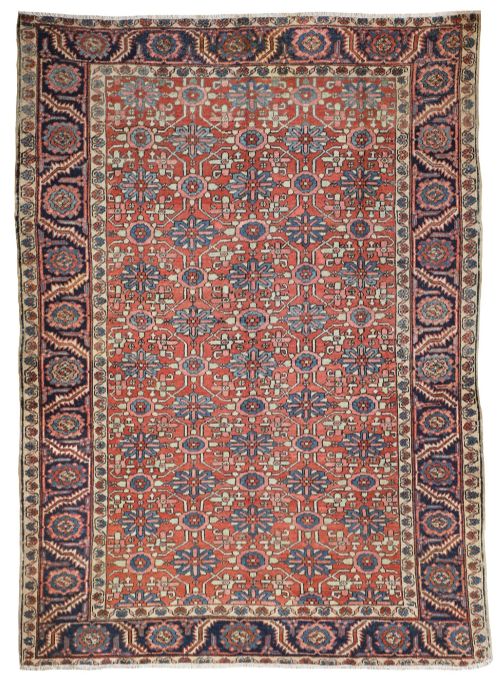
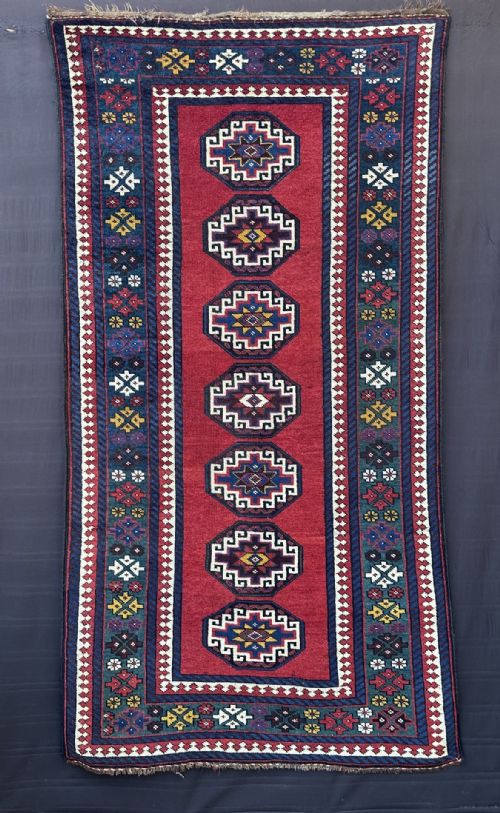
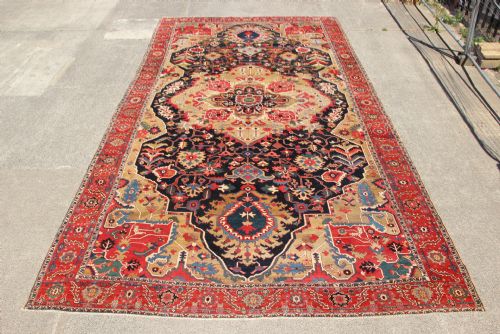
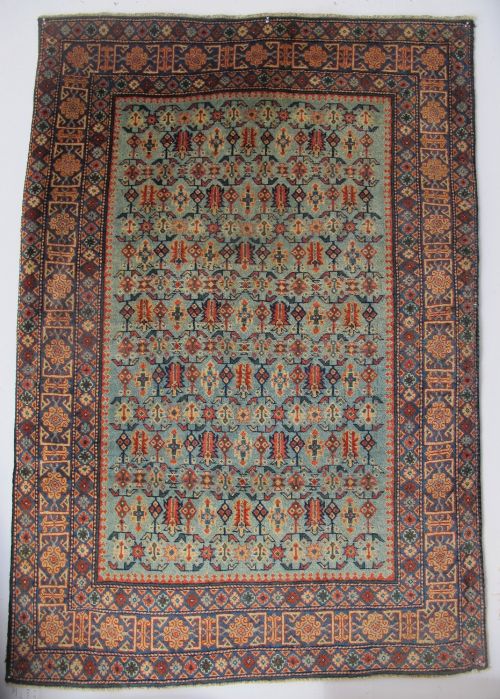
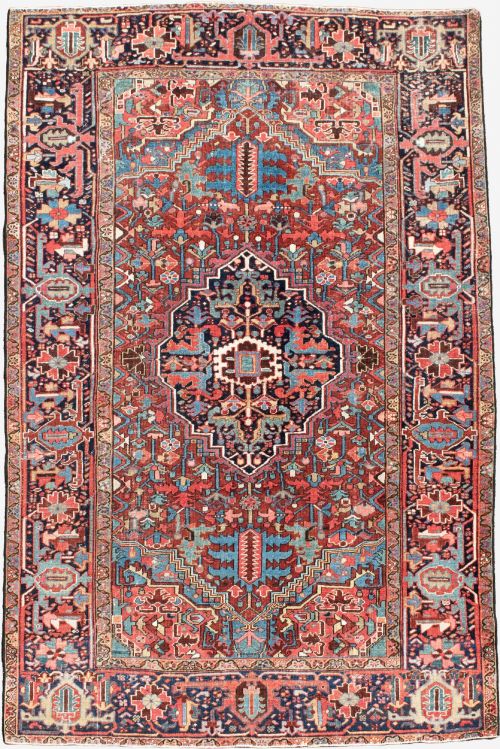
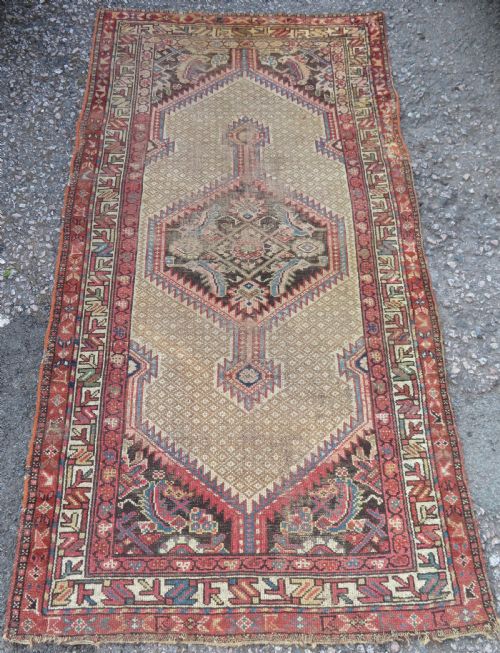
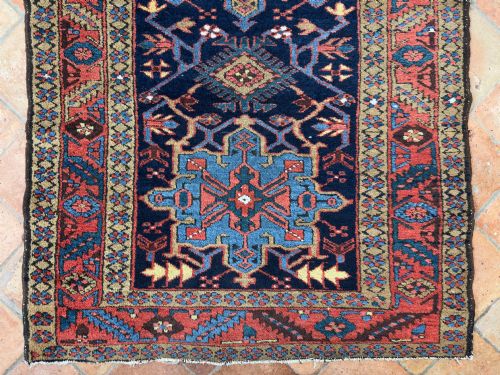
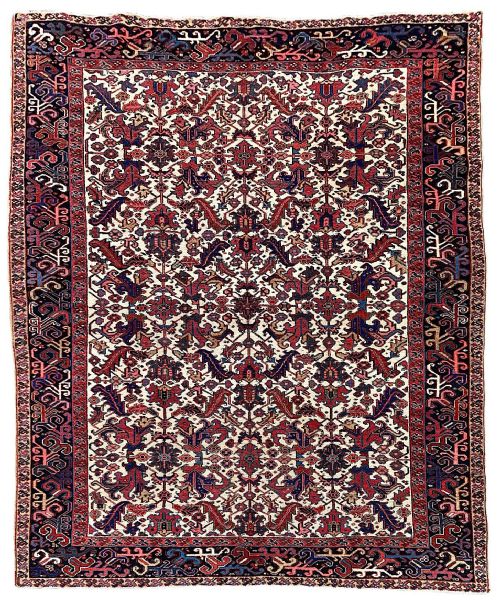
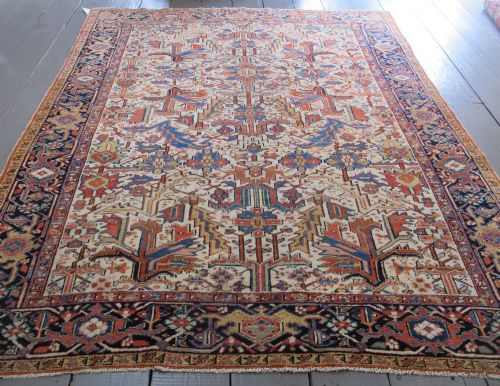
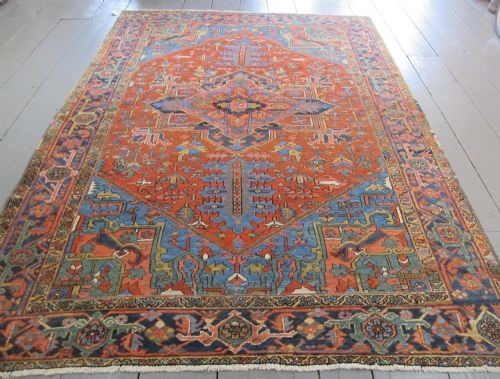
A traditional northwest persian rug encompasses heavy room-size carpets, smaller rugs, and long narrow runners woven across towns and villages in north-west Persia during the nineteenth and early twentieth centuries. The selection available here leans heavily toward Heriz, Serapi, Karaja, Tabriz, and Bakshaish production spanning the decades from 1850 to 1930.
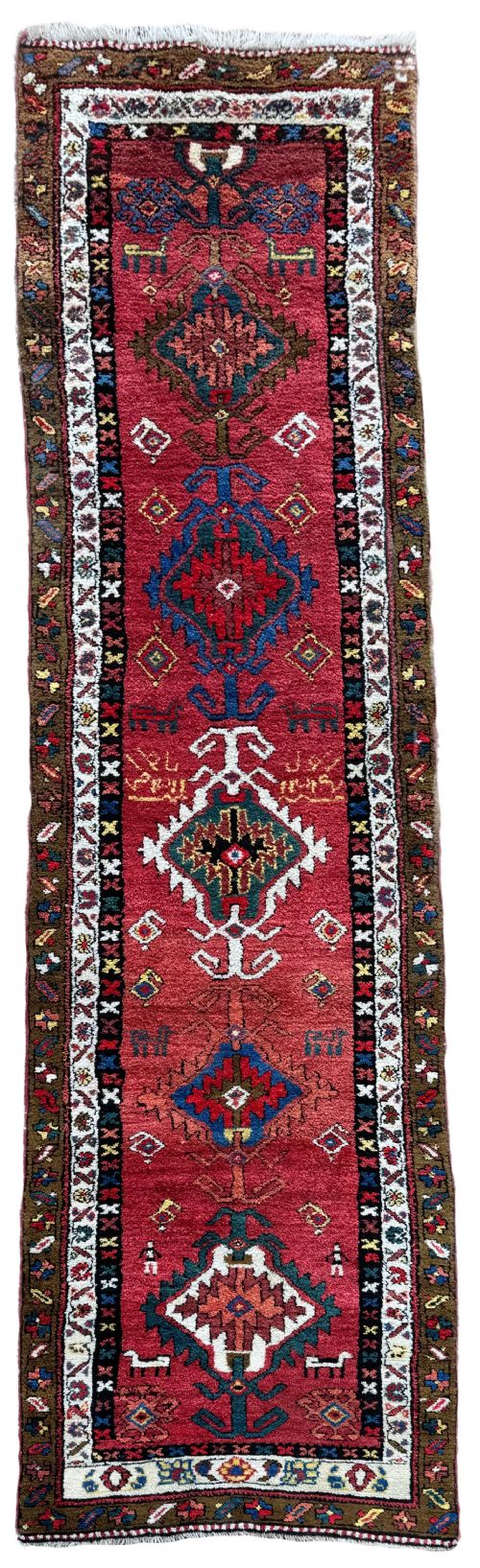
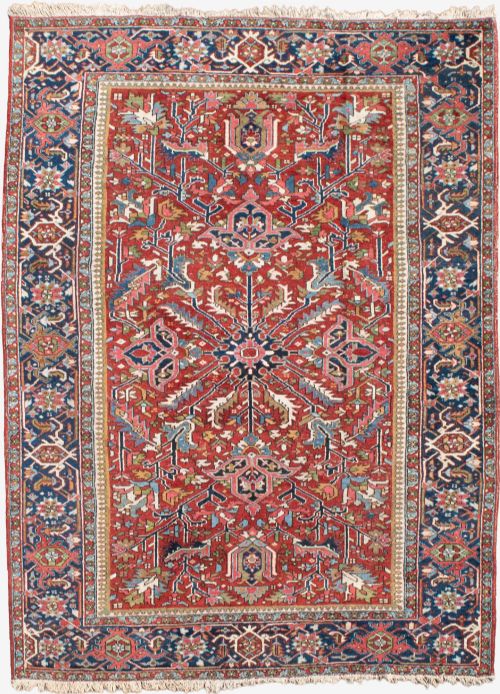
Buyers encounter substantial room carpets featuring bold central medallions alongside geometric runner formats suited to hallways. These floor coverings bridge tribal knotting traditions and more formal city workshops, offering robust wool pile woven onto sturdy foundations.
Materials and construction methods
Weavers relied primarily on wool pile, frequently hand-spun, supported by cotton warps to provide structural stability and flat alignment on the floor. Certain pieces incorporate camel hair within specific design fields or borders, introducing natural tonal variation without relying on dyed yarns.
The construction employs symmetrical or asymmetrical knots tied tightly onto cotton foundations, yielding a dense, resilient pile capable of withstanding heavy daily use over generations. Natural dyestuffs produced deep madder reds, soft indigos, and contrasting ivory grounds that mellow gracefully over time.
Current listings span production dates from 1850 through 1930, utilising wool, cotton, and camel hair across various rug and runner formats.
Distinctions in quality
Quality rests upon the fineness of the knotting, the crispness of the geometric drawing, and the depth or clarity of the palette used across the field. Early examples from the nineteenth century often demonstrate greater chromatic nuance and more confident handling of large-scale medallion geometry.
Piles retain differing depths of original wool, with superior pieces maintaining dense, even surfaces while retaining crisp structural edges along the borders and corners. The integrity of the cotton warp and weft foundations dictates overall durability and stability.
Benlian
The Traditional Northwest Persian Rug Glossary
- Heriz
- A town in north-west Persia known for producing large, durable carpets with prominent geometric medallions and strong corner spandrels. These carpets often utilise thick wool and robust cotton foundations.
- Serapi
- A sub-category of Heriz carpet from the nineteenth century characterised by spacious, balanced designs and a finer knot count. They typically display a more open field and restrained colour palette.
- Karaja
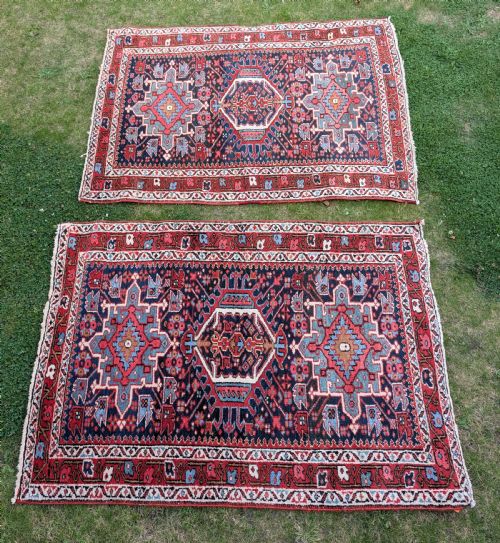
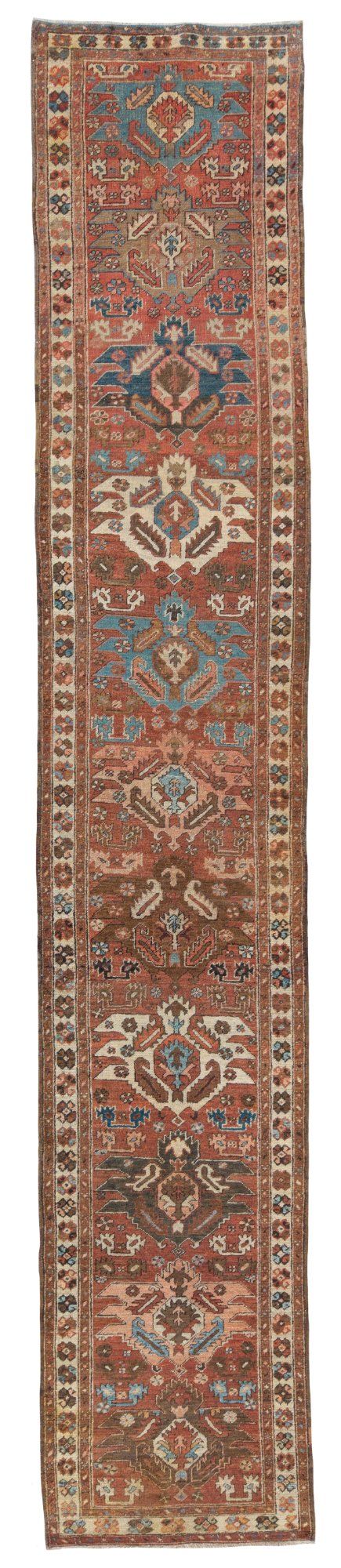
- A village production area in north-west Persia famous for runner formats and smaller rugs featuring repeated geometric medallions or tribal hooked motifs. The palette frequently includes rich reds and deep indigos.
- Bakshaish
- An older village weaving tradition in north-west Persia noted for whimsical, large-scale geometric patterns and earthy, muted tones. These pieces often date back to the mid-nineteenth century.
- Warp
- The vertical threads stretched tightly on the loom that carry the structural weight of the rug. In these pieces, the warp is predominantly cotton.
Traditional Northwest Persian Rug: Frequently Asked Questions
Where were these rugs made?
These rugs originated in workshops and villages across north-west Persia, including historic weaving centres such as Heriz, Serapi, Karaja, Tabriz, Bakshaish, and Kelardasht. Each district developed distinct geometric vocabularies and colour preferences.
Local weavers adapted traditional motifs to suit both regional preferences and export markets, utilising locally sourced wool and vegetable dyes.
How do I care for a wool rug?
Regular gentle vacuuming without a rotating brush roll prevents dust accumulation within the wool pile. Professional cleaning should be undertaken periodically by specialists familiar with antique vegetable-dyed textiles.
Keeping the rug out of direct, continuous sunlight preserves the rich madder reds and indigo blues. Using a quality underlay prevents slipping and cushions the cotton foundation against hard flooring.
How can I tell a Serapi from a Heriz?
Serapi carpets typically date to the nineteenth century and feature more open, spacious fields with refined, lower-density geometric drawing. Their colour palettes often lean toward softer, muted tones.
Standard Heriz carpets usually present denser, more robust geometric patterns with stronger contrast and heavier wool pile. Both share the characteristic large central medallion and corner spandrel layout.
Are these rugs suitable for hallways?
Long runner formats from Heriz and Karaja fit naturally into corridors and hallways due to their narrow widths and durable wool construction. Their geometric designs help visually anchor long, transitional spaces.
Runners require sturdy cotton foundations and resilient wool piles to withstand frequent foot traffic while maintaining their flat alignment.