

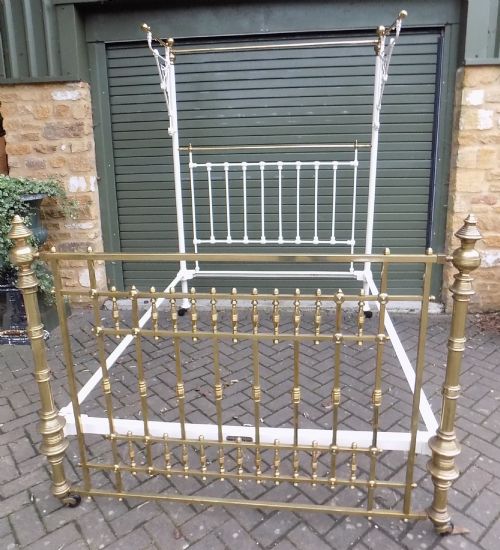
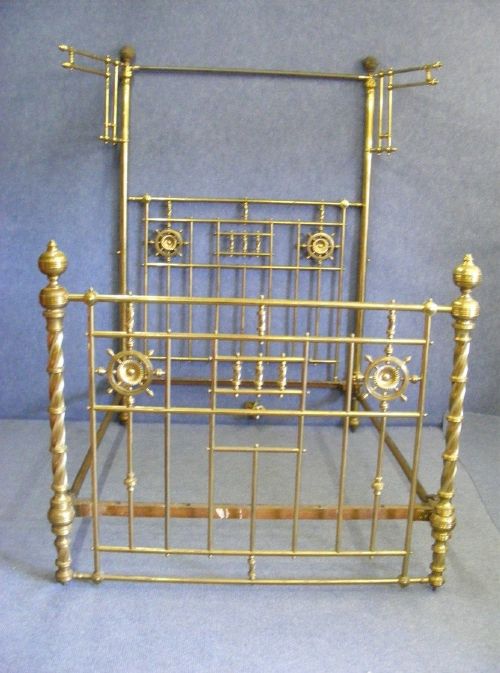
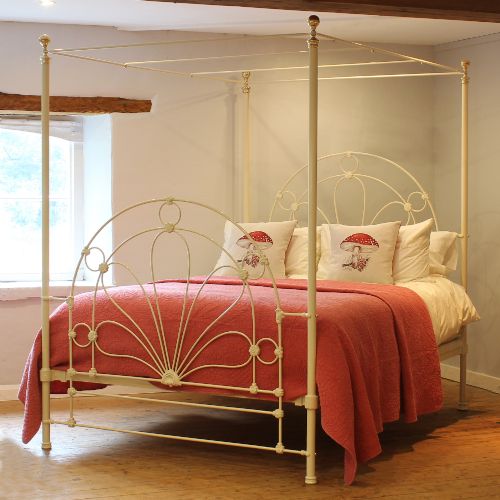
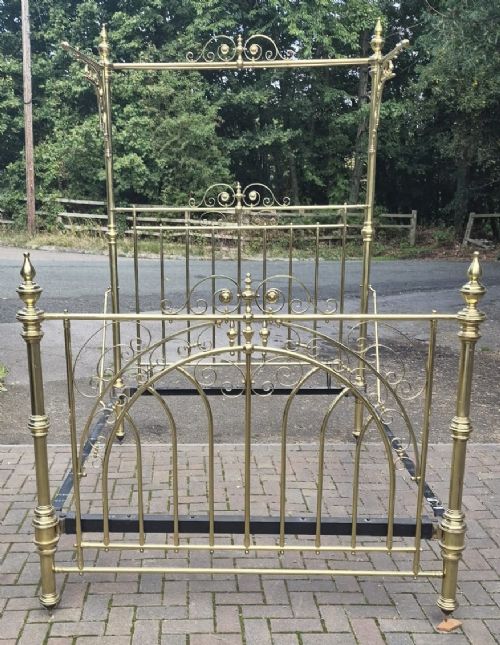


Traditional Metal Tester Bed
A traditional metal tester bed brings grand Victorian presence and sturdy construction to a bedroom, offering a striking centrepiece with historic character.
Traditional Metal Tester Bed
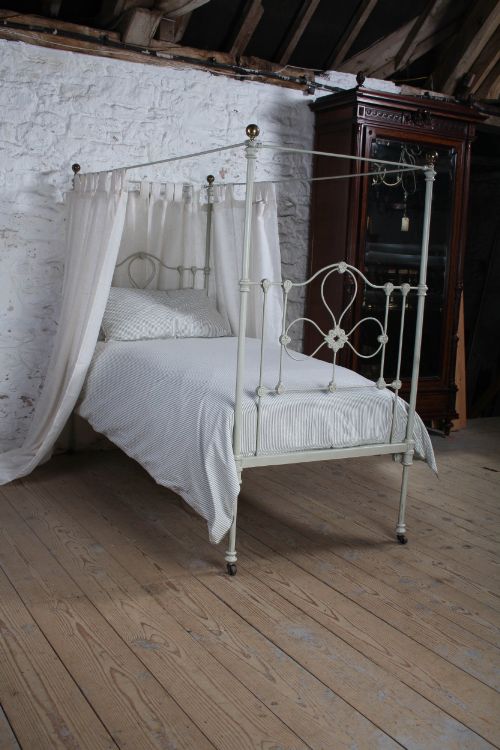
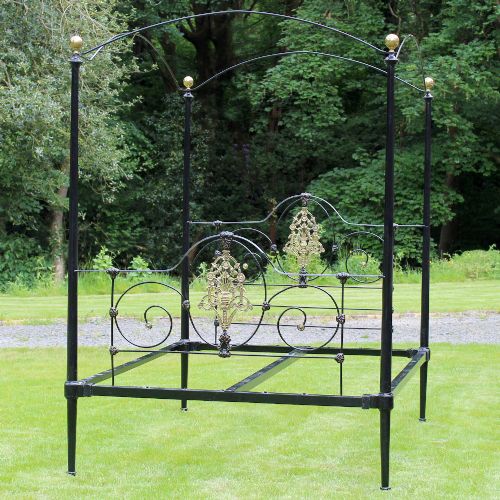
A traditional metal tester bed combines a substantial metal frame with an overhead canopy tester or half tester framework. These pieces range from grand king-size proportions down to single widths, accommodating various bedroom scales.
The pieces on this page are predominantly Victorian, spanning the mid to late nineteenth century alongside examples from around nineteen hundred. Buyers frequently encounter half tester bedsteads and full four poster configurations during their search.
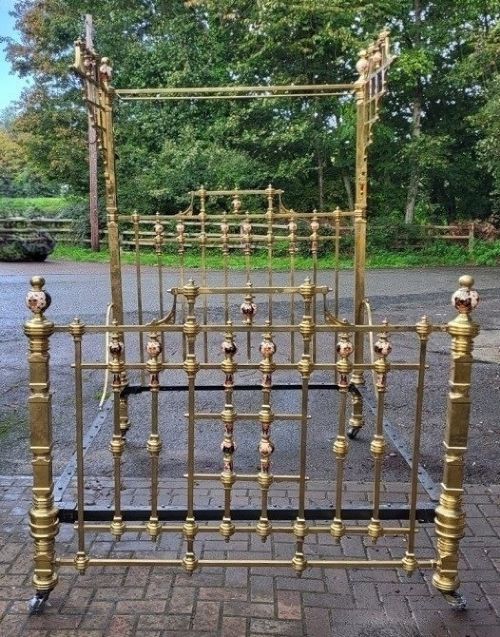
Makers utilised iron, cast iron, wrought iron, and brass to build these robust frameworks, often pairing them with ceramic castors or fabric elements. Styles remain firmly rooted in Victorian design, including Victorian Gothic and exhibition quality interpretations.
How they were made
Craftsmen built these bedsteads using a combination of cast iron, wrought iron, and brass, creating rigid structural skeletons designed to last for generations. Metal components were cast, forged, and joined to form the upright posts and overhead tester frames.
Makers embellished the metalwork with solid brass details, polished elements, and occasional ceramic components. Frames often incorporated black finishes alongside bright brass tubing and cast ornaments.
Traditional Metal Tester Bed Retail Price Guide 2026
Typical asking prices for traditional metal tester bed among the pieces listed under this phrase on Sellingantiques today, from the lower quarter to the upper quarter. They describe what is for sale here now, not the wider market.
Listings feature Victorian pieces spanning from eighteen sixty to nineteen hundred, constructed in iron, cast iron, wrought iron, and brass.
What varies in quality
Quality in a traditional metal tester bed rests on the weight and purity of the materials, distinguishing solid brass and substantial iron castings from lighter constructions. Exhibition quality pieces display superior finishing, more intricate metal detailing, and robust framing.
The integrity of the structural joints and the crispness of the cast ornamentation separate ordinary bedsteads from exceptional examples. Superior items retain their original proportions, balanced hardware, and well-executed tester canopies.
RW Winfield
The Traditional Metal Tester Bed Glossary
- Tester bed
- A bed featuring an overhead canopy supported by four posts. The tester frame historically held curtains to keep out drafts.
- Half tester bed
- A bed where the overhead canopy extends only partway over the head of the bed, supported by two posts at the headboard.
- Cast iron
- Iron poured into a mould to create rigid structural or decorative components. It provides weight and stability to Victorian bedsteads.
- Wrought iron
- Iron beaten or forged into shape by hand, known for its fibrous strength and flexibility. It appears in various structural parts of these beds.
Traditional Metal Tester Bed: Frequently Asked Questions
Will a traditional metal tester bed fit modern mattresses?
Many Victorian and antique metal bedsteads were made to nineteenth-century dimensions, which can differ slightly from modern standard sizes. It is wise to check the internal dimensions of the rails and slats before purchasing a mattress.
Adjustment or custom support bases are sometimes utilised to accommodate contemporary mattresses securely within these historic frames.
How do I care for brass and iron bed frames?
Maintenance involves dusting regularly with a soft cloth and avoiding harsh chemical cleaners that can strip protective lacquers or vintage patinas. Gentle metal polishes should be used sparingly and kept away from painted or ceramic elements.
Checking and tightening the structural bolts periodically ensures the frame remains stable and safe for daily use.
Are these beds easy to dismantle and move?
Most antique metal bedsteads utilise knockdown side rails and wedge joints designed for straightforward dismantling and transport. This modular construction made moving large Victorian beds manageable.
Care must be taken when reassembling cast iron and brass components to avoid damaging the historical threads and joints.