



Traditional Metal Hearth Dogs
Traditional metal hearth dogs anchor an open fire with weight and form, offering both utility and a distinct architectural presence in the room.
Traditional Metal Hearth Dogs
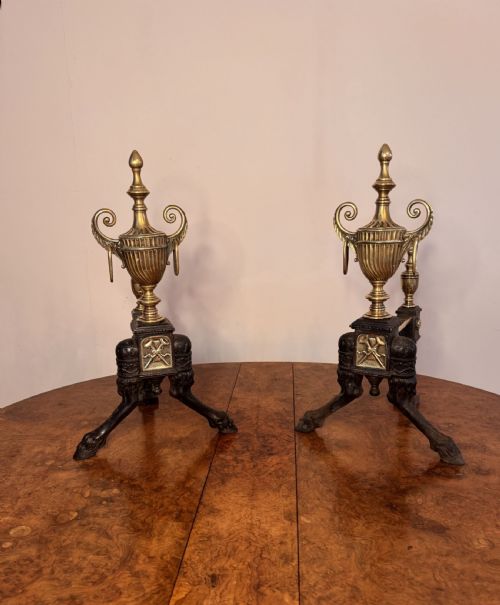
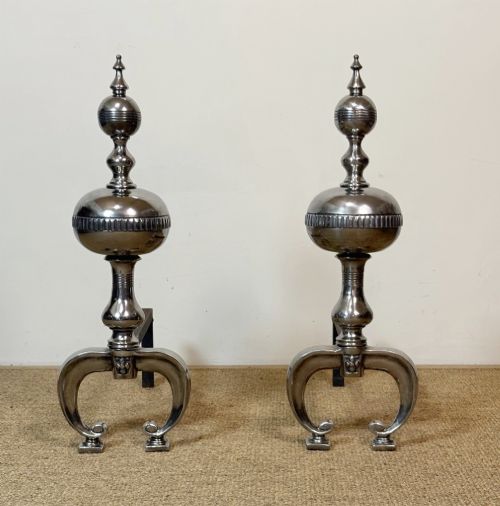
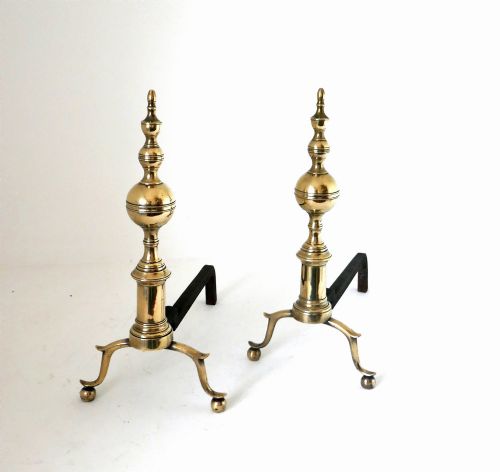
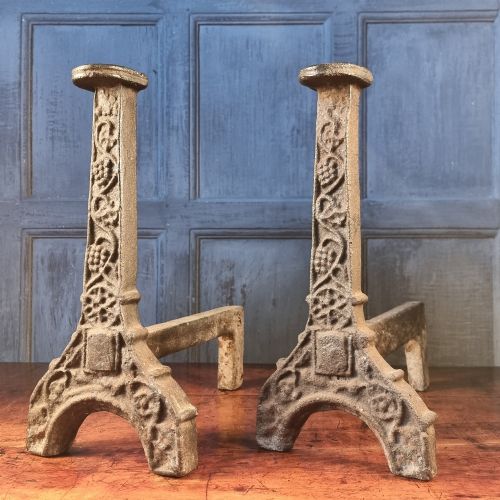
Traditional metal hearth dogs, also known as fire dogs, andirons, or firedogs, serve as essential fireplace accessories designed to support logs above the hearth floor for better airflow. When you search for traditional metal hearth dogs, you encounter matched pairs spanning several centuries, from early examples through the Victorian era.
The pieces listed here appear in forms ranging from plain utilitarian wrought iron to ornate cast brass and gilt finishes. Victorian and Arts & Crafts interpretations sit alongside earlier Georgian, Federal, and Gothic Revival designs.
Most examples originate from English, American, or European workshops, reflecting the dominant metalworking traditions of their respective periods. Buyers frequently find robust iron or brass constructions intended to handle daily use while providing a decorative focal point.
How they were made
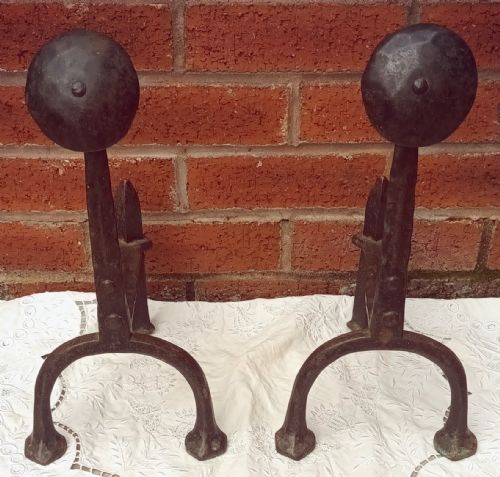
Makers utilised heavy materials such as cast iron, wrought iron, steel, brass, and copper to construct these hearth supports. Smiths forged iron by hand, hammering heated metal into shape for strength and durability.
Foundries cast brass and iron into elaborate decorative profiles, sometimes incorporating polished or gilt surfaces for a brighter finish. Combinations of brass and iron appear often, balancing structural steel or iron legs with decorative cast brass fronts.
Traditional Metal Hearth Dogs Retail Price Guide 2026
Typical asking prices for traditional metal hearth dogs among the pieces listed under this phrase on Sellingantiques today, from the lower quarter to the upper quarter. They describe what is for sale here now, not the wider market.
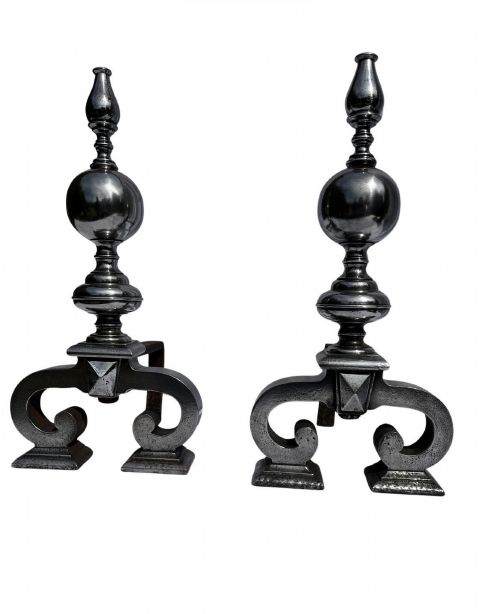
Shiny iron fire dogs from 1890 prove that Victorians loved a polished gleam just as much as a roaring hearth fire.
What varies in quality
Quality rests in the substance of the metal and the precision of the forging or casting. Substantial weight and thick gauge metal indicate durable construction intended to withstand intense heat and constant use.
Fine detail in cast ornament and clean hand-forging distinguish superior pairs from simpler utilitarian items. The integrity of the joints and the balance of the upright standards relative to the billet bars determine stability on the hearth.
James Cartland & Son
The Traditional Metal Hearth Dogs Glossary
- Andirons
- Supports for firewood in an open fireplace, synonymous with fire dogs and firedogs. They typically consist of an upright standard and a horizontal bar.
- Billet bar
- The horizontal iron or steel leg extending backward from the andiron front to support the burning logs.
- Wrought iron
- Iron shaped by heating and hammering by a smith. This material yields strong, fibrous structures with visible tool marks on earlier examples.
- Gilt brass
- Brass coated with a thin layer of gold or gold-coloured finish. This treatment provides a bright, reflective surface popular in formal domestic settings.
- Arts & Crafts
- A design movement valuing handcraftsmanship and simple materials. Objects from this style display honest construction over excessive ornament.
Traditional Metal Hearth Dogs: Frequently Asked Questions
What is the difference between fire dogs and andirons?
Fire dogs and andirons are simply different names for the exact same hearth accessory. Both terms describe the paired metal supports used to hold logs above the floor of an open fireplace.
Regional preferences and historical periods dictated which term manufacturers and buyers used. Regardless of the name, their function in managing wood and airflow remains identical.
Can I use antique metal hearth dogs in a working fireplace?
Most traditional metal hearth dogs were engineered specifically for daily use with burning wood. Robust materials like cast iron and wrought iron withstand high temperatures effectively.
Regular use requires checking for structural stability and ensuring the metal is clean and free of active corrosion. Gentle maintenance keeps functional pieces operational for everyday fires.
How do I date an older pair?
Dating relies on examining the metalworking techniques, the style of the cast ornament, and overall design characteristics. Hand-forged surfaces and specific revival motifs often point toward particular centuries.
Victorian and Arts & Crafts pieces display distinct manufacturing signatures compared to earlier 18th-century work. Comparing construction methods helps place the objects within their historical period.