




Traditional Male Oil Portrait
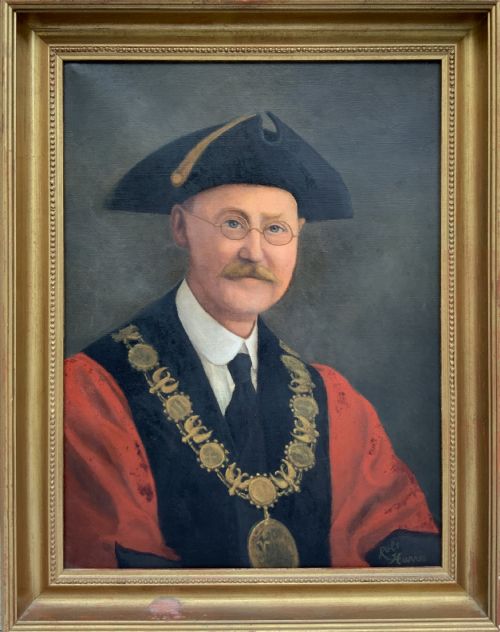
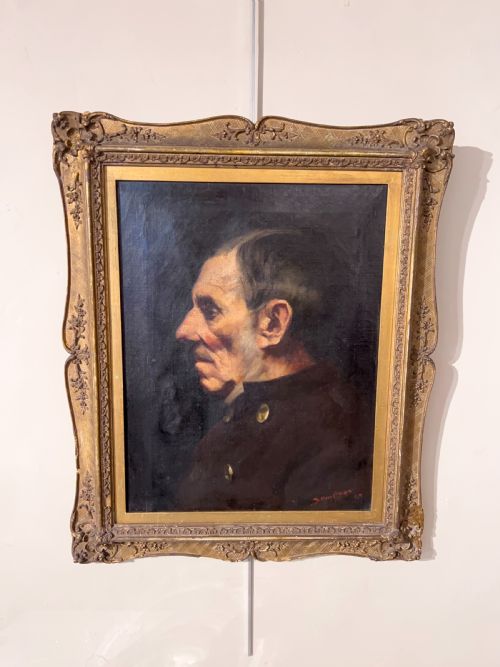
A traditional male oil portrait brings a weighty human presence into a room, recording individual character through layers of pigment.
Traditional Male Oil Portrait
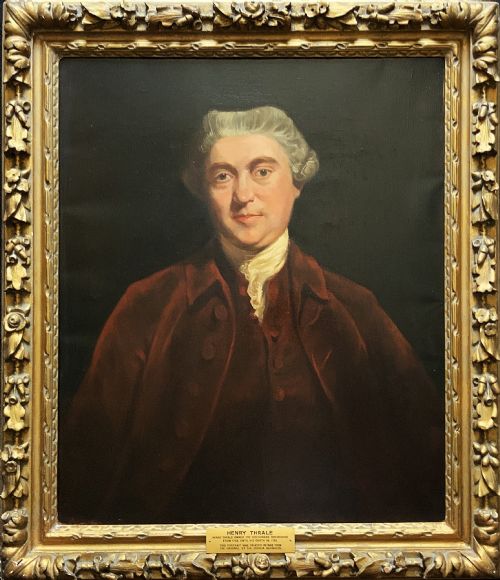
A traditional male oil portrait depicts named sitters, physicians, mayors, and unnamed gentlemen whose likenesses are preserved on canvas. These works span from the seventeenth century through the Edwardian era and mid-century modern periods, reflecting shifting social roles.
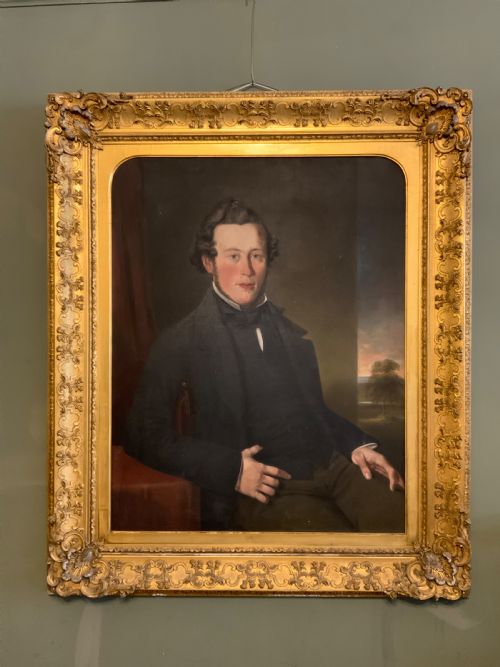
The pieces on this page appear in various scales, from intimate bust-length studies to large canvases framed in giltwood. Sitters wear the formal attire of their respective periods, including frock coats, black tie, and academic robes.
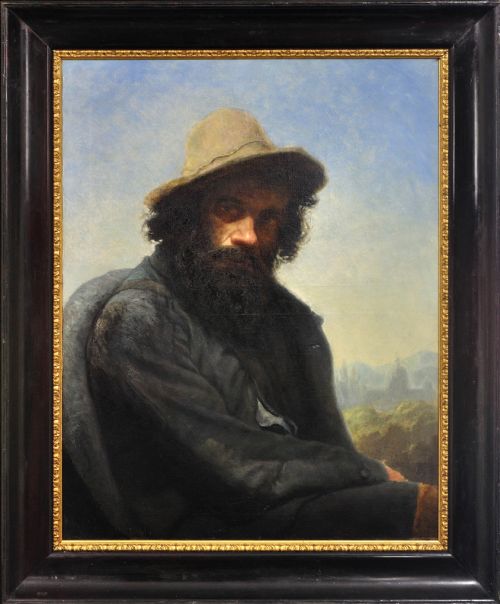
Nineteenth-century examples form the core of the selection, frequently presenting distinguished gentlemen in dark coats with careful attention to facial hair and expression. Earlier eighteenth-century works and seventeenth-century pieces offer deeper shadows and simpler collars.
Materials and Construction
Artists painted primarily with oil paint on stretched canvas supported by wooden stretchers. The medium allowed for slow blending of flesh tones, building depth in skin and fabric through successive glazes.
Frames are constructed from wood, frequently enriched with gold leaf or giltwood mouldings that complement the dark tones of the canvases. Canvas reverses often reveal contemporary inscriptions, artist signatures, or studio stamps relating to the sitter.
The listings span from the seventeenth century through to the mid-twentieth century, recording sitters from physicians to mayors.
Evaluating the Paint and the Subject
Quality rests upon the artist's ability to render bone structure, light on skin, and the psychological weight of the sitter. Finer hands capture a living gaze and natural posture, whereas simpler works remain stiff and formulaic.
The handling of secondary elements, such as lace collars, velvet waistcoats, and background shadows, separates proficient academic production from hurried workshop output. Original period frames that match the age of the canvas add integrity to the piece.
Stephen Pearce·Albin Mattenheimer·Bertram Priestman·John Hamilton Mortimer·Michael Dahl·Hans Holbein·George Hayter·John Opie·John Phillip·Rudolph Lehmann
The Traditional Male Oil Portrait Glossary
- Canvas
- A heavy woven fabric stretched tightly across a wooden frame to serve as a support for oil paint. It provides a textured surface that holds layered pigments securely over centuries.
- Giltwood
- Wood carved and covered with a thin layer of gold leaf or metallic powder. It provides a bright, reflective border that sets off dark oil paintings.
- Stretchers
- The internal wooden frames used to keep an oil painting canvas taut. Traditional corners utilise mortise and tenon joints with wooden keys for adjustment.
- Glaze
- A thin, transparent layer of oil paint applied over a dry underlayer to alter colour and depth. It creates luminous shadow effects in traditional portraiture.
Traditional Male Oil Portrait: Frequently Asked Questions
How do I date a traditional male oil portrait?
Dating relies primarily on the sitter's clothing, hairstyle, and facial hair, alongside the construction of the canvas and stretcher frame. High collars, cravats, frock coats, and wigs point directly to specific decades.
Secondary clues include inscriptions on the reverse of the canvas, framer's labels, and stylistic traits associated with particular academic schools or known painters.
Where should I hang a large oil portrait?
These works require solid walls capable of supporting heavy giltwood frames and adequate hanging hardware. Placing them away from direct sunlight protects the oil pigments from fading.
They pair well with traditional panelled rooms, libraries, or stairwells where the scale of the canvas matches the surrounding architecture.
What is the difference between an oil painting and a study?
A finished portrait is a fully resolved commission intended to present the sitter with formal dignity and complete detail. Every element, from clothing to background, receives careful attention.
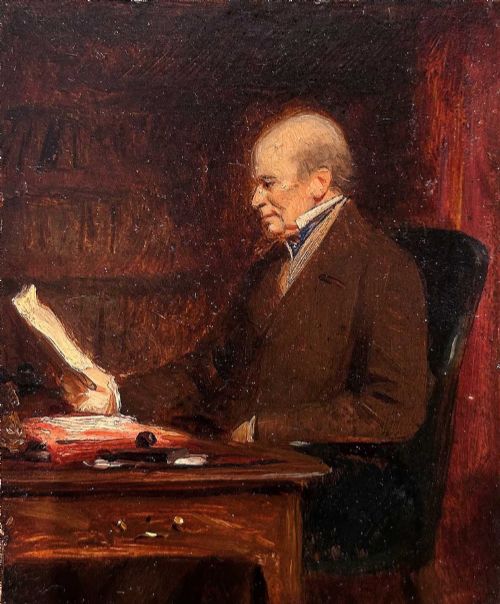
A study is a more direct, spontaneous work created to capture a pose or facial expression quickly before executing a larger canvas.