




Red Robe Portrait Painting
A red robe portrait painting carries immediate authority, showing sitters in ecclesiastical or judicial scarlet across the centuries.
Red Robe Portrait Painting
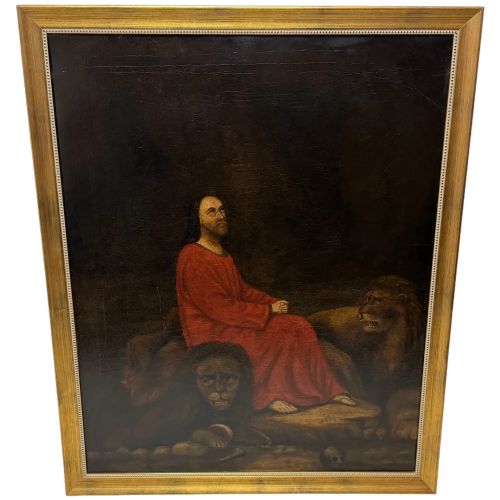
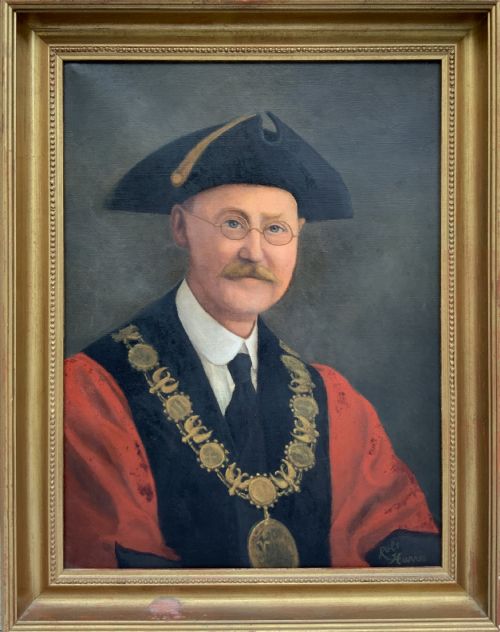
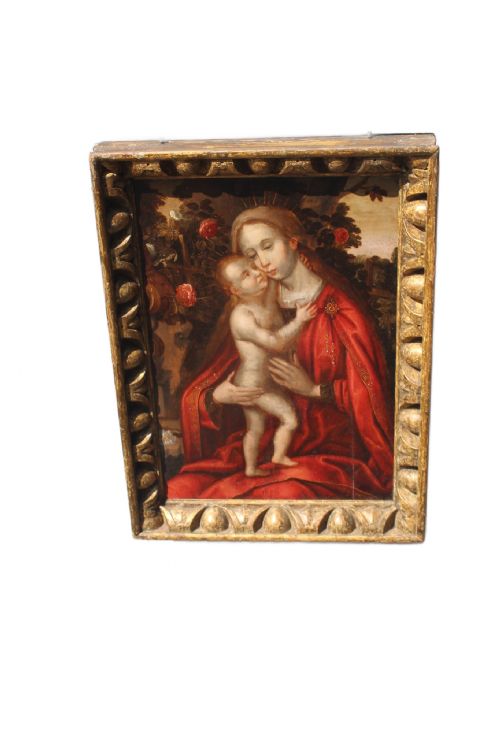
A red robe portrait painting depicts figures of high status, including cardinals, judges, lords, and mayors, dressed in striking crimson attire. These works span from the 17th century through to the mid-20th century, capturing centuries of portraiture tradition.
The selections available range from early Flemish and Italian Baroque compositions to Victorian and mid-century realist works. Collectors frequently encounter representations of specific historical figures, such as judges in court dress or church dignitaries.
Earlier examples often emerge from specific schools or workshops, while later iterations highlight named artists working in oil on canvas. Each piece records the distinctive sartorial markers of authority through richly pigmented garments.
Materials and Construction
These works rely primarily on oil paint applied to canvas or wood supports. Artists built up deep crimson and scarlet hues using rich oil pigments to capture the texture and weight of heavy ceremonial robes.
Many historical frames utilise leaf gilding and giltwood to complement the warmth of the painted canvas. The combination of oil on canvas with ornate gilded frames defines the physical structure of these portraits.
Listings feature works executed in oil on canvas and wood, framed by periods ranging from the 17th century to 1950.
Assessing Quality and Execution
The distinction between works rests upon the precision of facial rendering and the handling of fabric folds within the garments. Superior examples demonstrate a careful command of light upon crimson textiles, giving depth and movement to the heavy cloth.
Provenance and attribution also differentiate the pieces, with works linked to documented workshops or established portraitists holding distinct documentary weight. The integration of the sitter's expression with the imposing nature of their scarlet dress dictates the overall visual impact.
Francesco Solimena Workshop·Thomas Hill·George Hayter·Ernst Stierhof·Frank Thomas Copnall·Arthur Royce Bradbury·Alfred L Grace
The Red Robe Portrait Painting Glossary
- Baroque
- A stylistic period spanning the 17th and early 18th centuries characterised by dramatic lighting and rich detail. This aesthetic often heightened the visual theatre of official portraits.
- Oil on Canvas
- A traditional painting medium where coloured pigments are suspended in drying oils and applied to a stretched cloth surface. This combination provides durability and allows for subtle blending of deep red tones.
- School
- A designation used when a painting originates from the circle or followers of a master rather than being signed by the master directly. These works reflect the prevailing methods of a particular regional tradition.
Red Robe Portrait Painting: Frequently Asked Questions
What periods do these portraits cover?
The selections span from the late 17th century through the Victorian era up to the mid-20th century. This timeline allows collectors to trace the evolution of formal portraiture across three centuries.
Earlier pieces often reflect Baroque traditions, while later examples incorporate 19th-century and mid-century realist approaches to portrait painting.
Who is typically depicted in them?
Sitters generally hold positions of significant authority in church, law, or civic life. You will find cardinals, judges, lords chief justice, and mayors immortalised in their official crimson attire.
These garments served to signal high rank, whether ecclesiastical red robes or judicial court dress.
How should I display one at home?
These works demand wall space that accommodates their formal character and often substantial gilt frames. They pair well with traditional interiors that echo their historical weight.
Ensure placement avoids direct sunlight to protect the oil pigments and the integrity of the canvas.
How do I identify the sitter?
Identification relies on accompanying historical records, inscriptions on the canvas or frame, and distinct markers of office such as specific robes or collars. Judges and church officials wear garments unique to their respective institutions.
Researching the documented title and period often yields biographical details about the individual portrayed.