
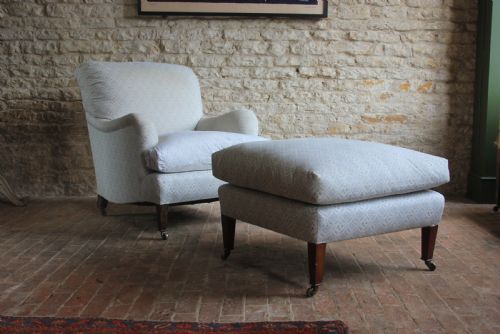


Traditional Mahogany Stool
Traditional mahogany stool designs combine solid timber frames with upholstery, leather, or caned tops across periods from the eighteenth century to the twentieth.
Traditional Mahogany Stool
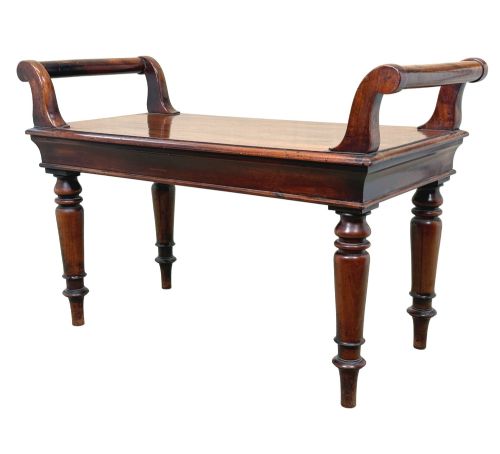
A traditional mahogany stool covers a range of domestic forms, with footstools, piano stools, and window seats dominating the available selection. Pieces emerge from the eighteenth century through the Edwardian era, showing both simple vernacular designs and revival styles.
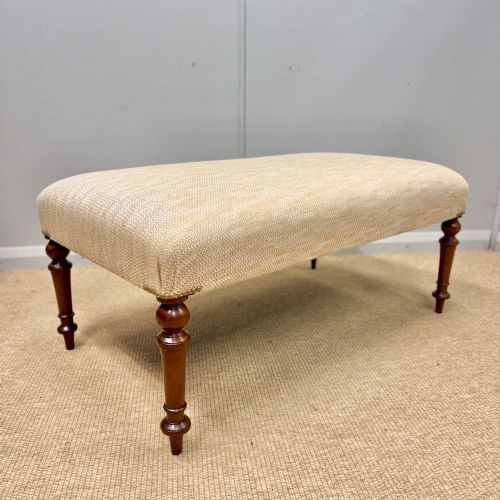
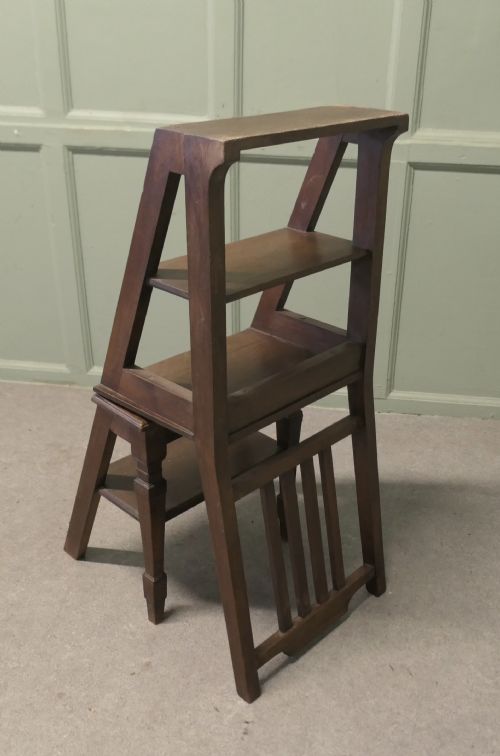
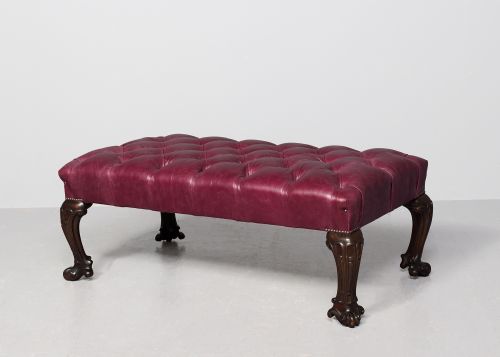
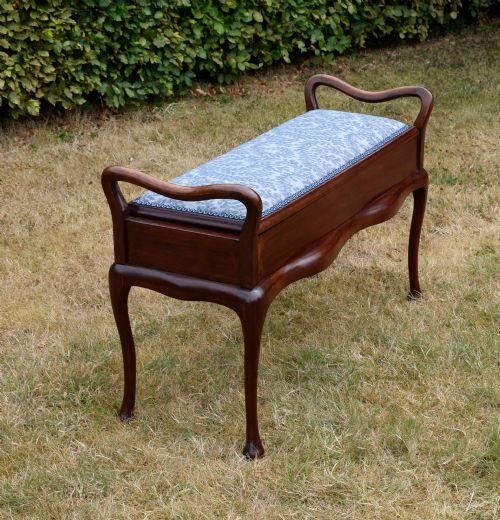
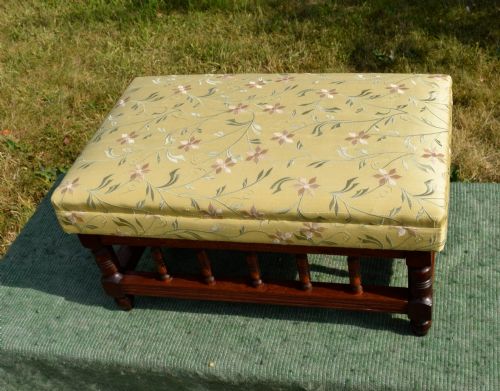
The most common traditional mahogany stool encountered here is the Victorian footstool, often set on low supports or brass castors. Alongside these sit duet piano stools, library steps, and long benches framed in hardwood.
Period variations span Georgian, Regency, and William IV aesthetics, alongside later Edwardian interpretations. Makers adapted standard structural layouts to suit specific domestic uses, from dressing table seats to revolving piano stools.
Materials and construction methods used in traditional mahogany stool frames
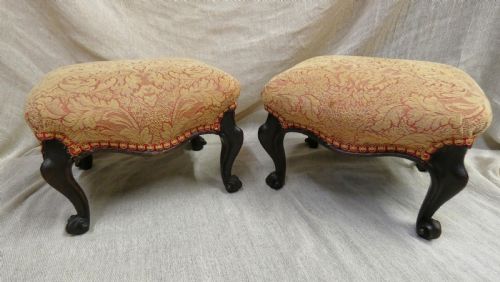
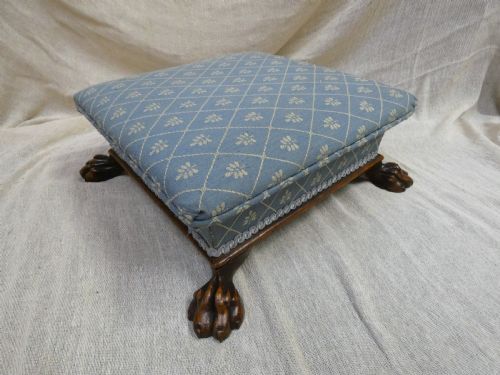
Makers relied on solid mahogany and hardwood for structural frames, jointed to bear weight while supporting decorative elements like cabriole legs, fluted uprights, and carved ball and claw details.
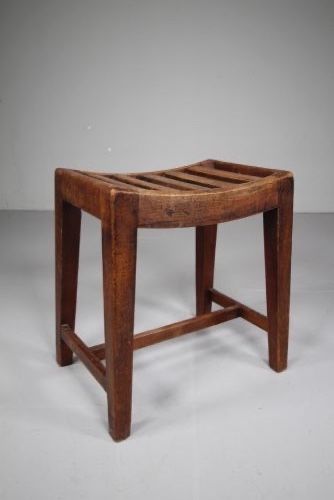
Surface finishes highlight the natural grain of the timber, while secondary woods support internal frames. Caned tops also appear on square table-stools, requiring skilled weaving within a wooden rebate.
Some library steps double as chairs, proving that eighteenth-century makers understood the value of multitasking furniture before modern apartments invented the need.
Distinctions in construction and material standard across pieces
Quality rests in the weight and selection of the timber, the rigidity of the joinery within the frame, and the precision of carved details like cabriole legs or ball and claw feet. Finer examples retain crisp mouldings and original brass fittings without structural compromise.
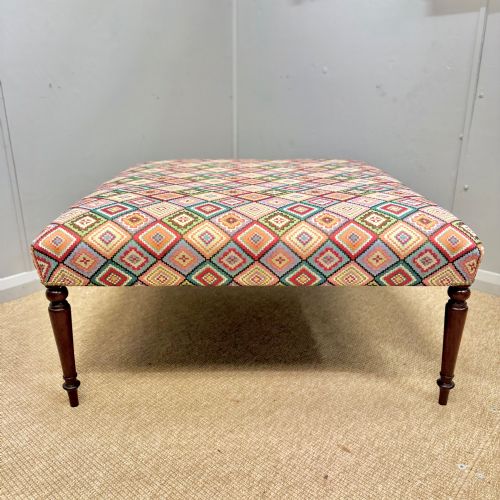
Upholstery execution separates standard domestic pieces from high workshop output, particularly where buttoned hide, tapestry, or structured kilim covers demand exact tension. The integration of functional mechanics, such as revolving seats or metamorphic steps, indicates superior manufacturing standards.
The Traditional Mahogany Stool Glossary
- Metamorphic
- Describing furniture designed to transform into another object, such as library steps that fold down into a chair. These pieces utilise hinges and pivoting joints.
- Caned top
- A seat surface woven from split rattan or cane in a patterned mesh. It provides a lightweight, flexible support over a wooden frame.
- Buttoned upholstery
- A method where tufting buttons are pulled deep into padding to secure the filling and create a geometric pattern. This finish appears frequently on nineteenth-century leather and fabric footstools.
- Kilim
- A flatwoven textile used historically for carpets and wall hangings, occasionally repurposed as durable upholstery on nineteenth-century footstools.
Traditional Mahogany Stool: Frequently Asked Questions
What is a traditional mahogany stool used for?
These pieces served multiple domestic functions, including foot rests, piano seating, window seats, and library access.
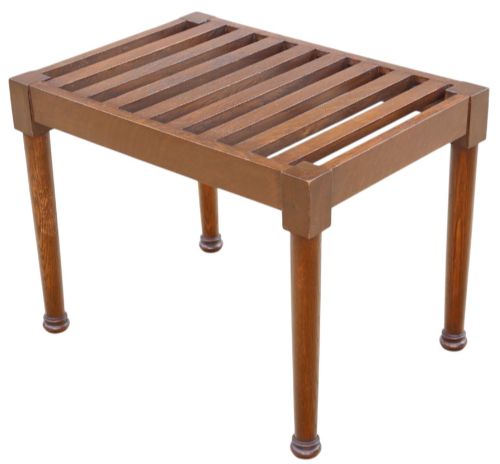
Larger versions operated as centre benches or luggage stands within traditional English interiors.
How do I identify a Victorian stool?
Victorian examples often display heavier proportions, turned or cabriole legs, and upholstery secured with buttons or brass tacks.
They frequently incorporate functional elements like hinged seats or castors for mobility.
Are piano stools adjustable?
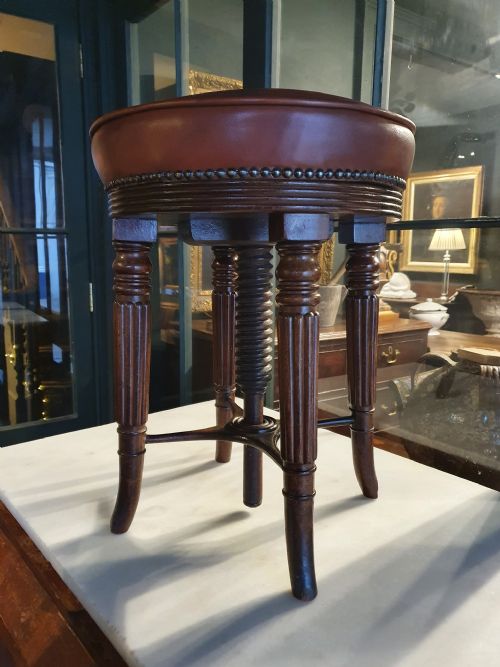
Many period piano stools feature revolving tops that screw upwards to alter the seating height for the player.
Duet versions often include hinged seats that lift to reveal internal storage compartments for sheet music.
What distinguishes Georgian style stools?
Georgian style pieces generally reference eighteenth-century forms with shaped frames, carved mahogany rails, and precise joinery.
Revival versions from later periods reproduced these classical silhouettes for Edwardian and Victorian homes.