

Traditional Mahogany Conference Table
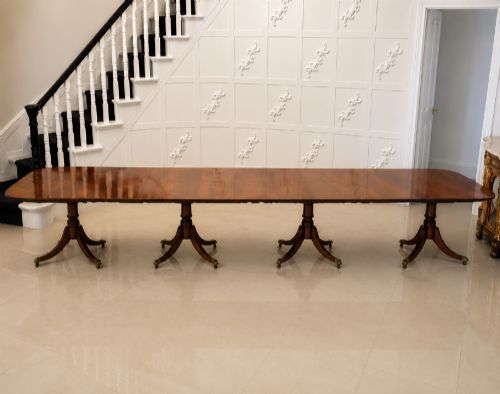
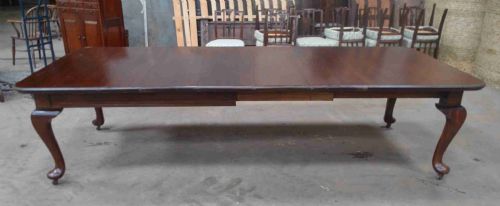
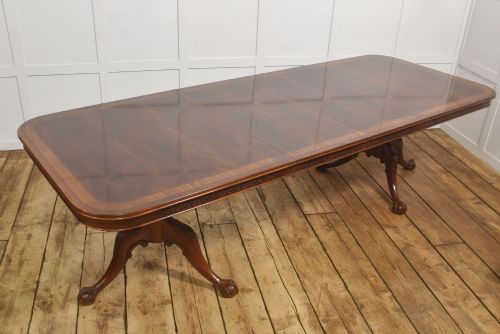
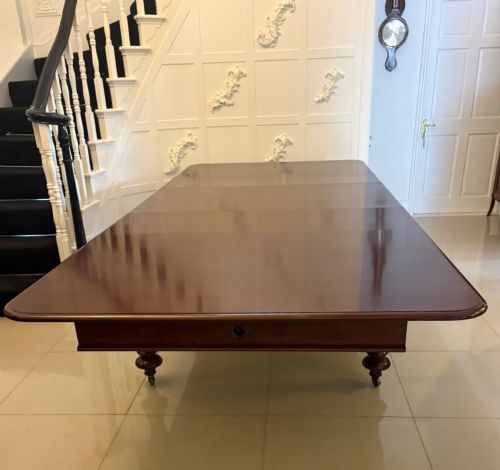
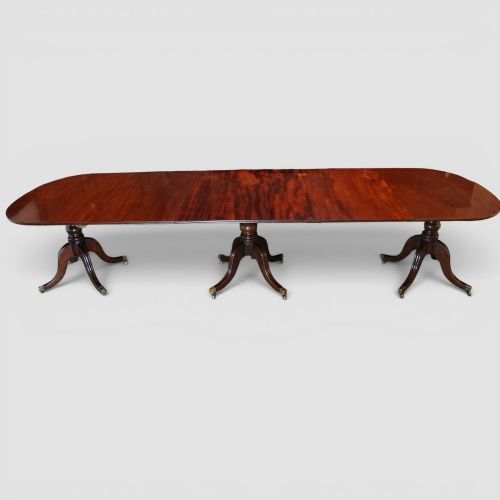
A traditional mahogany conference table brings solid timber gravitas to large rooms, offering a sturdy surface designed for serious meetings.
Traditional Mahogany Conference Table
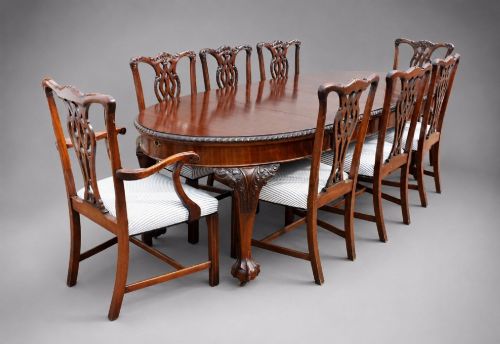
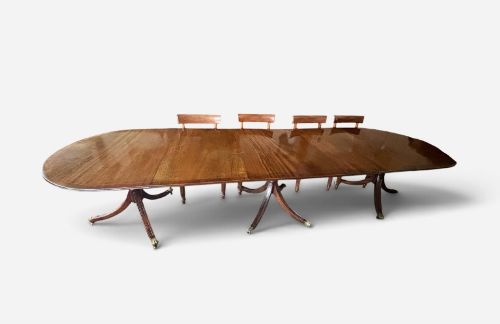
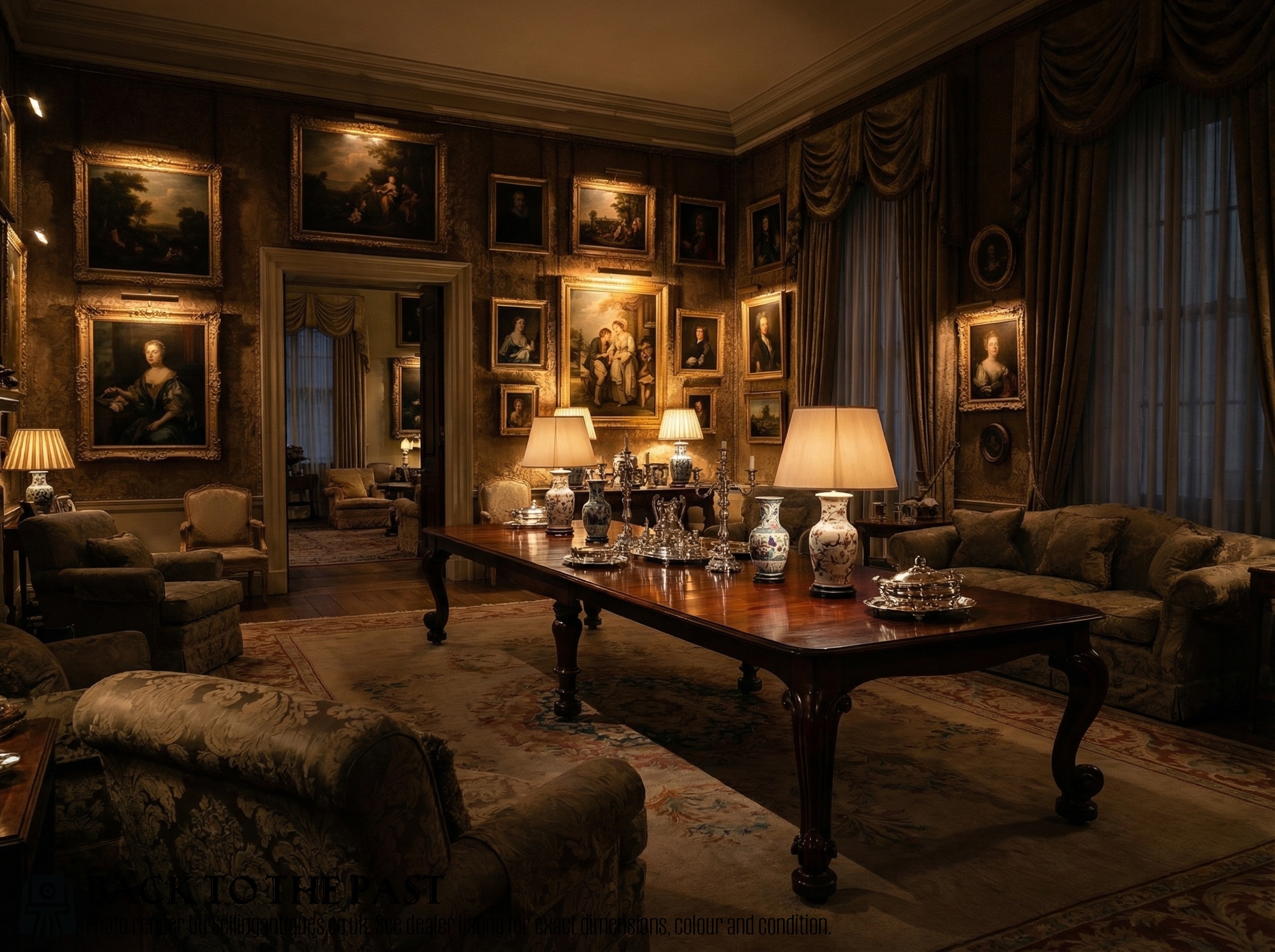
When you search for a traditional mahogany conference table, you are examining large timber furniture pieces designed to seat many people for extended gatherings. The evidence shows these pieces often double as large dining or banquet tables originating from the nineteenth century through the early twentieth century.
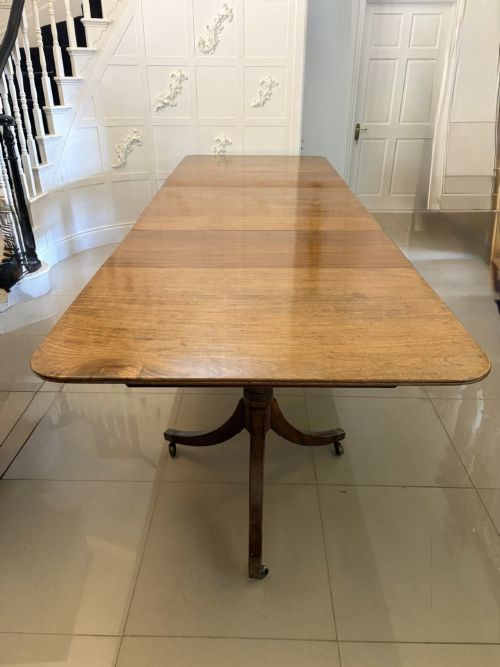
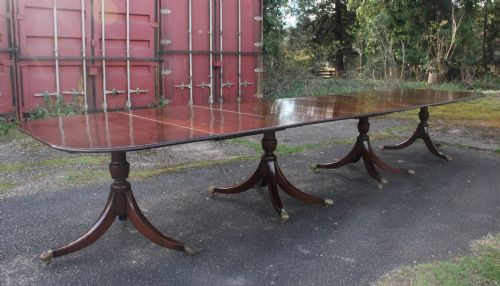
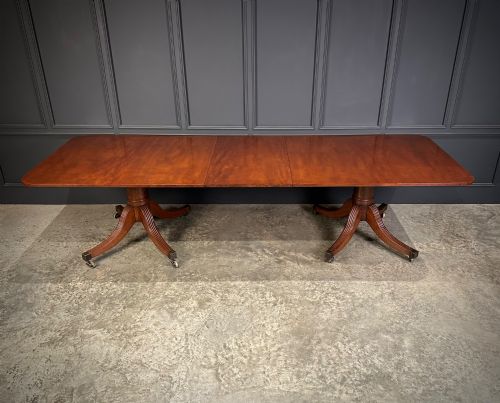
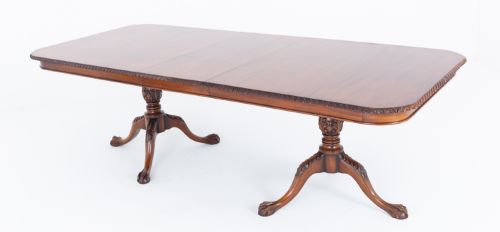
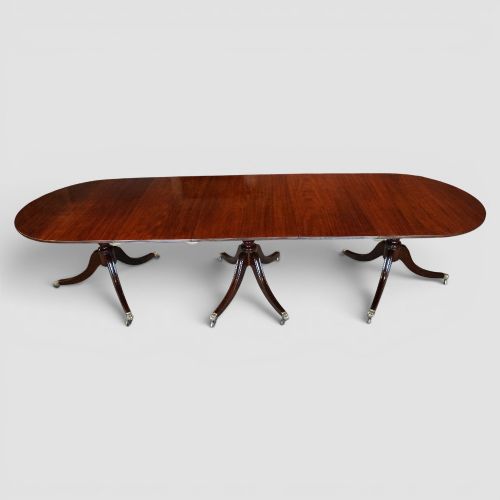
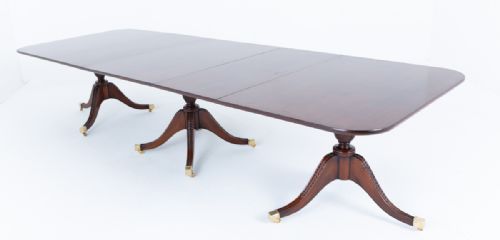
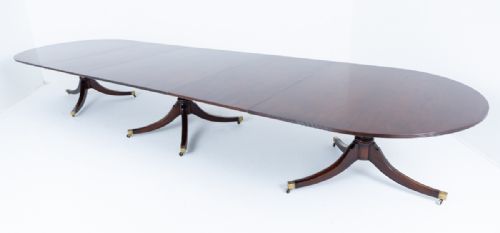
You will most frequently meet multi-pillar formats on this page, including twin, triple, and four pedestal constructions. These large tables often incorporate removable leaves to adjust seating capacity for twenty or more individuals.
The styles span Georgian, Regency, William IV, and Victorian periods alongside later revivals. They serve as practical centrepieces for boardrooms and large dining halls alike.
Materials and construction methods
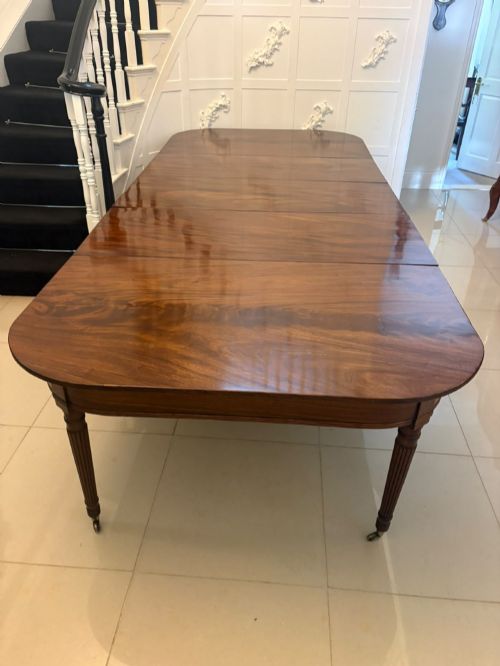
Cabinet makers utilised dense mahogany timber, frequently selected for its figured grain patterns, paired with secondary woods for internal framing. Surfaces were polished to highlight the natural depth and reddish-brown tone of the wood.
Many examples incorporate brass castors fitted to the base of pedestal legs to permit movement across heavy floors. Additional materials such as ceramic, satinwood, and rosewood appear as decorative inlays or structural elements.
Extending mechanisms rely on timber runners and removable leaves supported by folding legs or extra pillars. This allows long tables to contract or expand smoothly.
Some tables are long enough to host a small cricket team inside your dining room.
What separates the finest examples
Quality rests in the choice of timber and the precision of the pedestal carving. Pieces featuring highly figured mahogany veneers and deeply carved pillar bases sit at the upper end of the range.
The engineering of the extending mechanism and the stability of the pillars under heavy weight define structural excellence. Tables with matching timber grains across multiple inserted leaves demonstrate superior workshop planning.
The Traditional Mahogany Conference Table Glossary
- Pedestal
- A central column supporting the table top, often branching into multiple reeded legs with brass castors. This design allows maximum legroom for seated guests.
- Extending table
- A dining or conference table fitted with a central mechanism and loose leaves to alter its overall length. These leaves store separately when not in use.
- Figured mahogany
- Timber cut to reveal distinctive grain patterns such as flame or curl. Cabinet makers reserved these choice sections for prominent top surfaces.
- Reeded leg
- A column decorated with parallel convex moulding carved directly into the wood. This decorative detail frequently appears on Regency and Georgian pillar supports.
- Leaf
- A removable section of timber inserted into the centre of an extending table to increase seating capacity. Multiple leaves allow the table to accommodate large gatherings.
Traditional Mahogany Conference Table: Frequently Asked Questions
How do I seat twenty people comfortably?
Look for four pedestal models equipped with multiple extra leaves that span significant lengths. These large configurations provide adequate knee clearance around the pillars.
Ensure your room dimensions allow space around the perimeter once the table is fully extended with all leaves inserted.
Can these tables be shortened for daily use?
Yes, most multi-pillar extending formats allow you to remove one or more leaves and push the pedestals closer together. This versatility makes large banquet tables adaptable for smaller daily gatherings.
Store any removed leaves in a dry environment with stable temperature to prevent warping of the timber.
How do I identify a Regency period table?
Examine the pedestal bases for reeded legs, brass claw castors, and pillar turnings characteristic of the early nineteenth century. Regency design often favours clean classical lines paired with highly figured timber.
Cross-reference the construction joints and block fixings underneath to confirm nineteenth-century cabinet making techniques.
How do I care for a mahogany surface?
Maintain the polished timber by dusting regularly with a soft dry cloth and avoiding excessive moisture. Apply traditional wax polish sparingly to nourish the grain without building up a sticky residue.
Position the table away from direct sunlight and heat sources to prevent the mahogany from fading or splitting over time.