
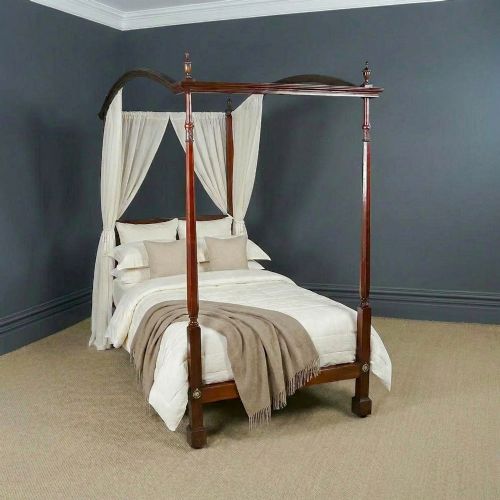
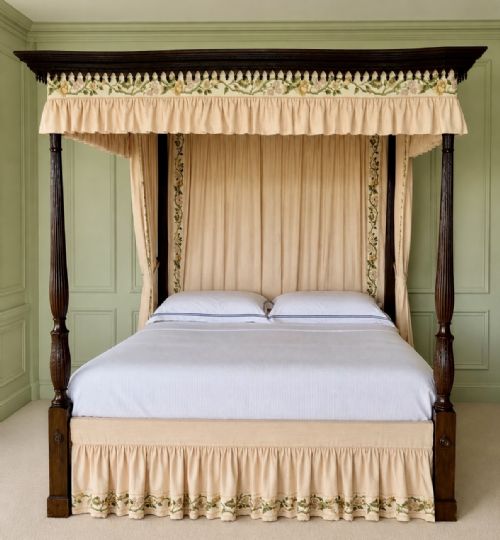


Traditional Mahogany Bedstead
A traditional mahogany bedstead brings warm timber and grand proportions into a bedroom, offering a solid architectural centrepiece built to endure.
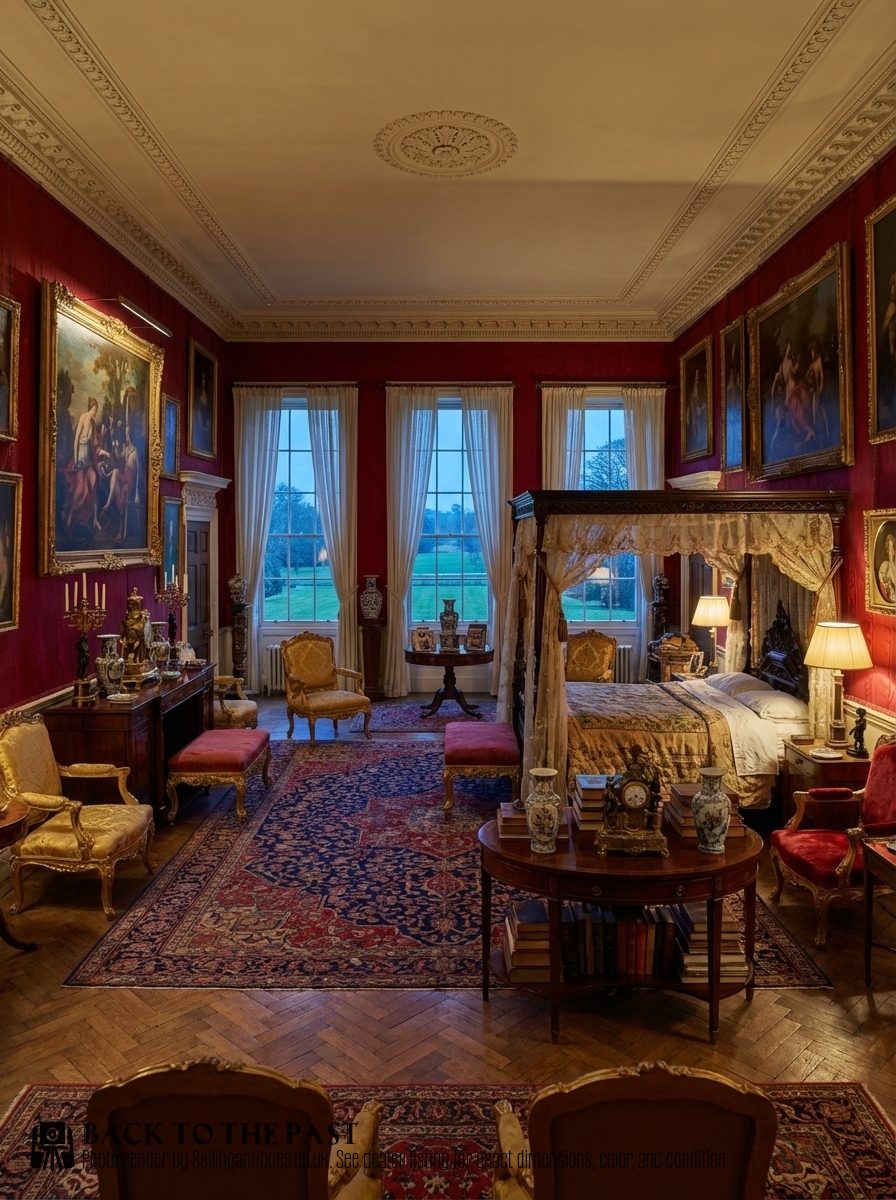
Traditional Mahogany Bedstead
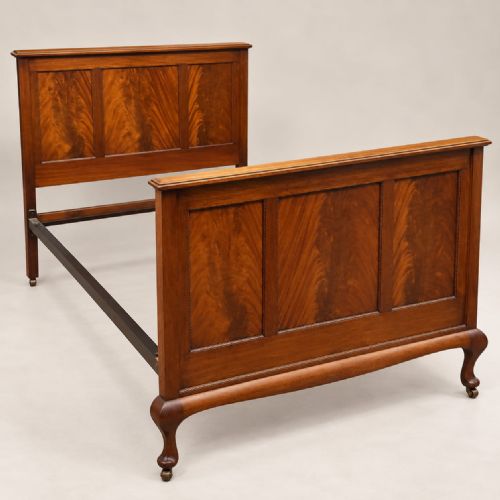
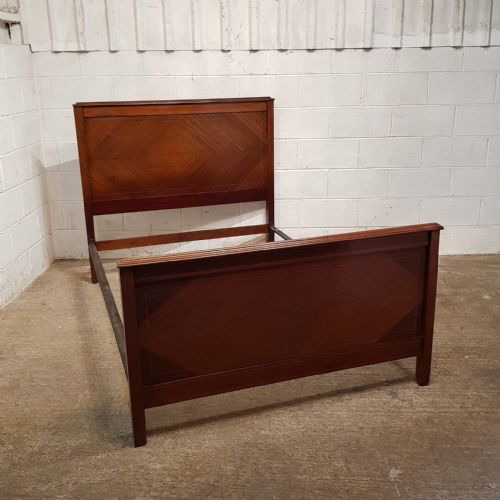
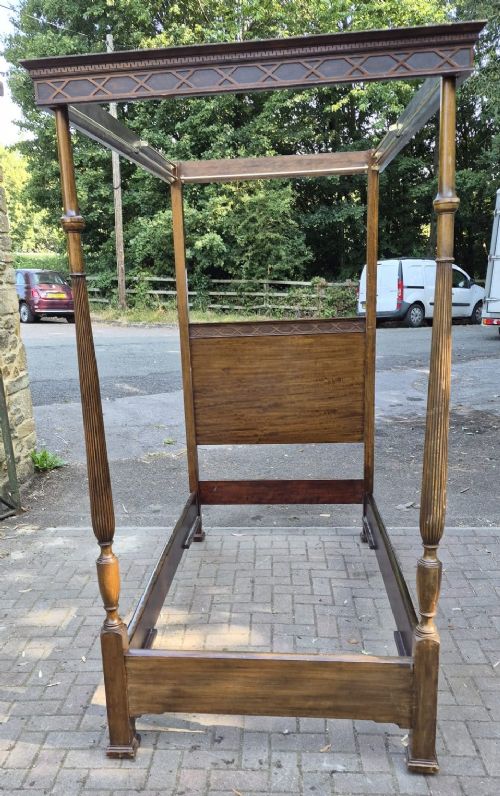
When searching for a traditional mahogany bedstead, buyers encounter substantial wooden frames spanning the eighteenth century through the Edwardian era. These pieces range from simple single and double panelled beds to dramatic tester and four poster structures.
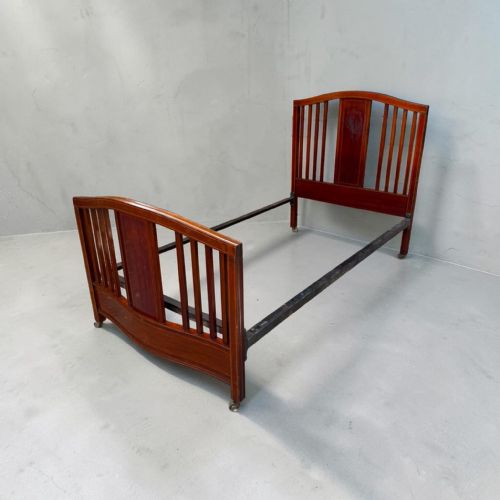
Edwardian interpretations dominate current offerings, frequently featuring inlaid details, satinwood accents, and classic proportions. Alongside these lighter bedroom frames, nineteenth century four poster designs provide commanding vertical presence in larger spaces.
Styles reference earlier Georgian and Regency aesthetics, incorporating carved mahogany, flame mahogany veneer, and occasionally brass or porcelain hardware. Buyers choose these beds to anchor a room with period character and rich natural grain.
Materials and construction
Makers utilised solid mahogany and timber frames enhanced with flame mahogany veneer to achieve deep figuring and rich colour across headboards and posts. Secondary woods such as pine appear in internal structural elements and support rails.
Joinery combined traditional cabinetmaking techniques with iron and brass fixings to secure heavy posts and side rails. Details such as marquetry inlay, fruitwood highlights, and turned wooden components required specialist hand carving and finishing.
Traditional Mahogany Bedstead Retail Price Guide 2026
Typical asking prices for traditional mahogany bedstead among the pieces listed under this phrase on Sellingantiques today, from the lower quarter to the upper quarter. They describe what is for sale here now, not the wider market.
Several four poster beds include porcelain components alongside traditional mahogany and brass.
Judging quality in mahogany frames
Quality rests upon the depth of the mahogany timber grain, the precision of carved ornamentation, and the integrity of structural joints. Superior examples display carefully matched veneer panels and crisp, hand-cut inlay rather than printed or superficial decoration.
The architectural balance of four poster tester frames and the solidity of side rails distinguish fine cabinetmaking from standard production. Original proportions and intact period hardware carry more weight than heavily restored or altered components.
Heals of London·Howard & Sons
The Traditional Mahogany Bedstead Glossary
- Bedstead
- A framework of a bed supporting the mattress and springs. It encompasses the headboard, footboard, and side rails.
- Four Poster Bed
- A bed with four vertical columns supporting a canopy or tester overhead. These grand structures often feature carved mahogany posts.
- Flame Mahogany
- Timber cut from the fork of the mahogany tree to create a distinctive flickering flame pattern. Cabinetmakers reserved this veneer for prominent surfaces.
- Marquetry
- Decorative inlay work using various woods fitted into a veneer background. Edwardian pieces frequently utilise this technique for floral or geometric motifs.
- Tester
- The wooden canopy or ceiling suspended above a four poster bed. It adds significant height and architectural presence to the sleeping quarters.
Traditional Mahogany Bedstead: Frequently Asked Questions
How do I fit a modern mattress?
Many traditional beds utilise non-standard historical dimensions requiring custom mattress sizing or subtle internal adjustments. Modern slatted bases are often integrated carefully to preserve the original side rails.
Checking the internal width and length before purchase ensures modern sleeping supports fit securely within the antique wooden frame.
How do I care for mahogany?
Maintenance involves dusting with a soft dry cloth and applying traditional beeswax periodically to nourish the timber. Direct sunlight and sudden temperature changes must be avoided to prevent the wood from drying.
Proper humidity levels keep solid mahogany and delicate veneer stable across changing seasons.
Can these beds be dismantled?
Most antique bedsteads use bolt-and-tenon joints or iron brackets allowing them to be taken apart for transport. Professional assembly is recommended for four poster frames to ensure the tester and vertical posts remain square.
Moving the components requires care to protect vulnerable carved details and polished surfaces.
How do I date a bedstead?
Dating relies on combining stylistic clues such as Edwardian inlay work, Regency proportions, or Victorian high back upholstery with construction methods. Secondary woods and fastener types provide further clues regarding the period of manufacture.
Comparing carved motifs against known design manuals helps confirm whether a piece is Georgian or a later revival.