


Traditional Low Seat
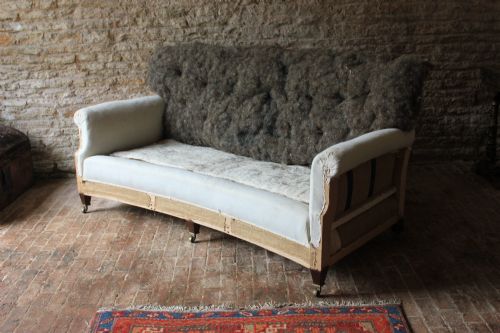
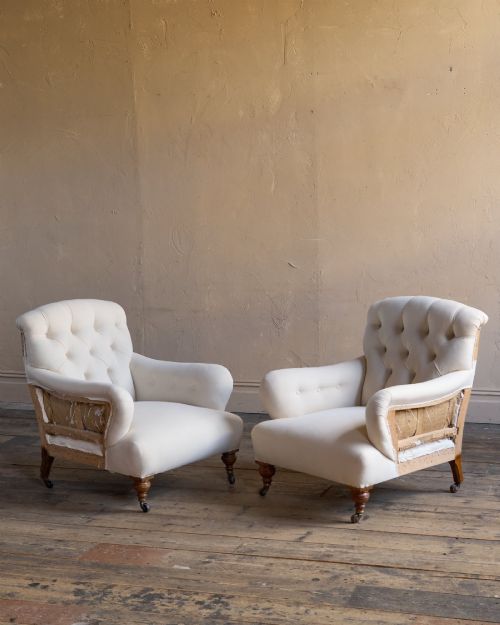
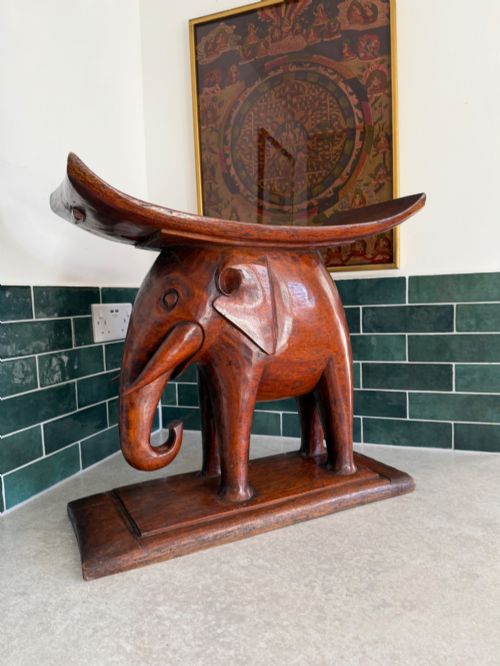
A traditional low seat sits closer to the floor for comfort and fireside warmth, offering a compact silhouette that fits neatly into smaller spaces.
Traditional Low Seat
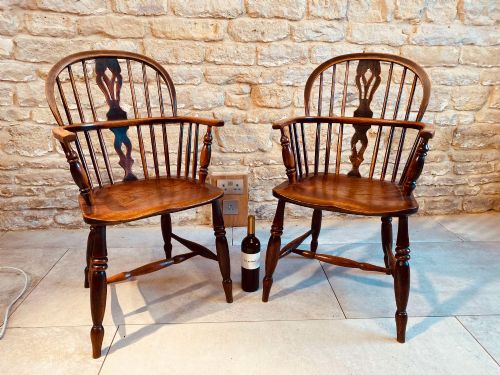
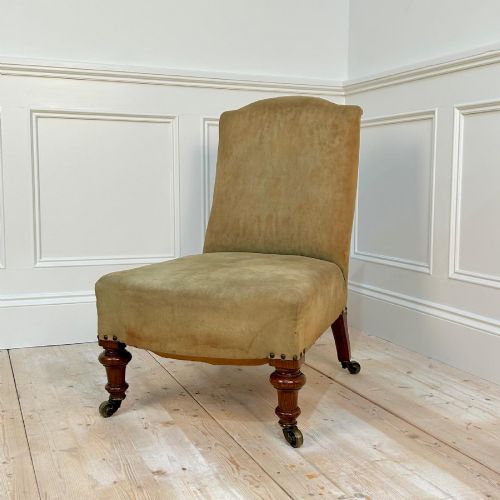
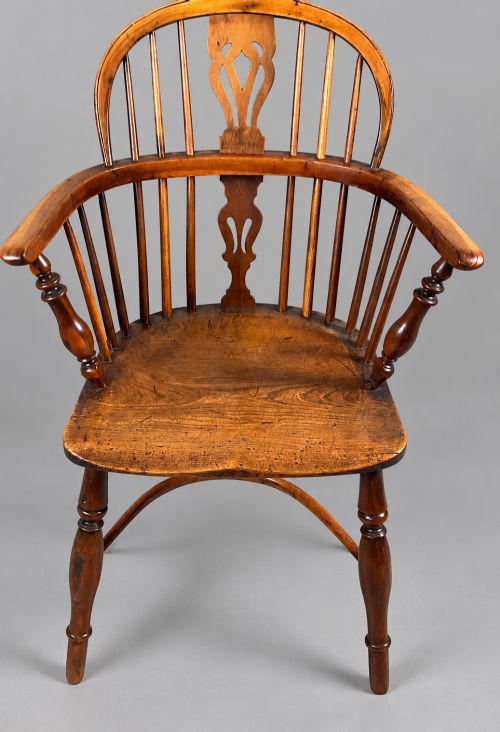
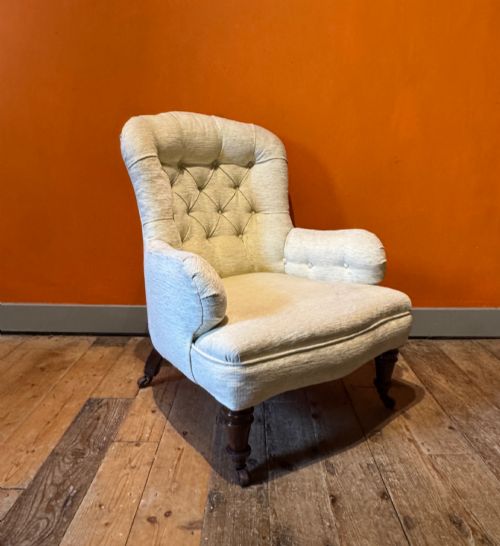
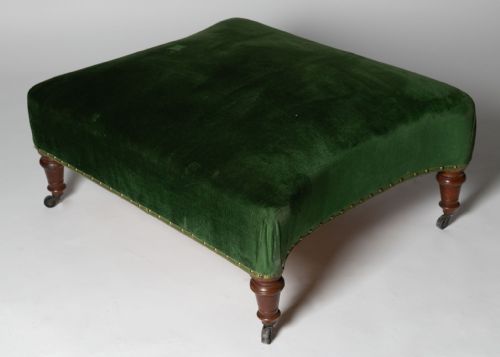
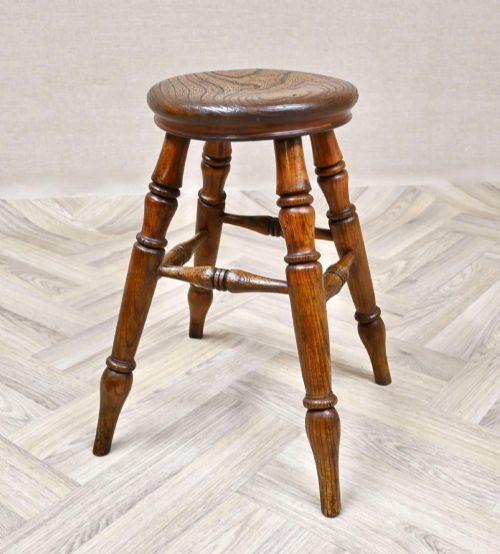
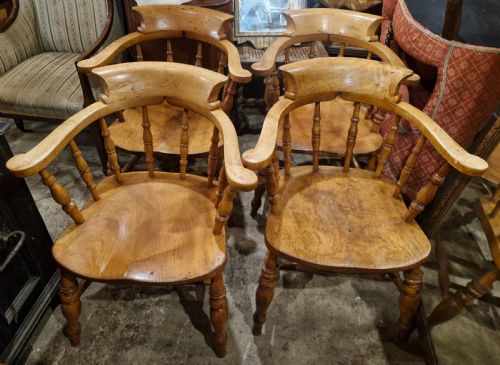
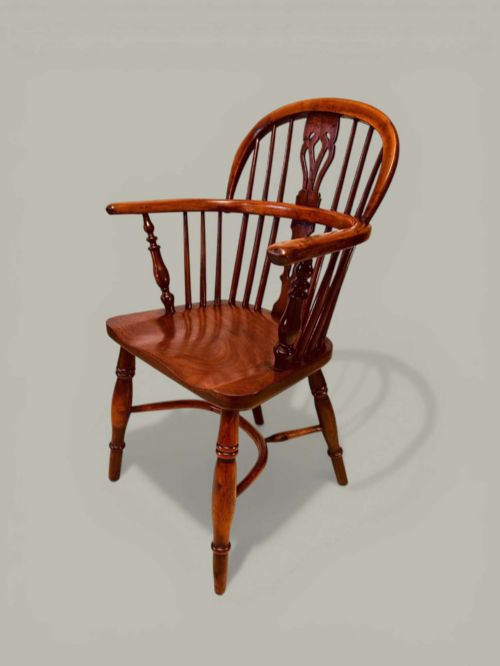
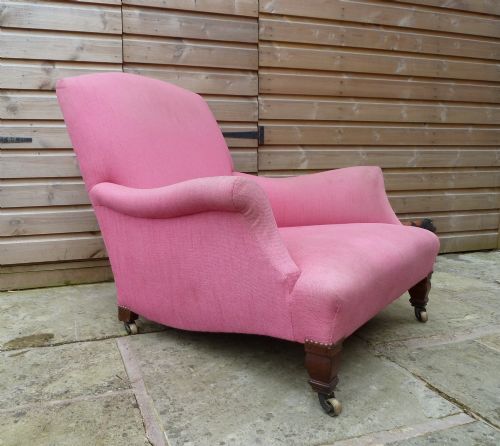
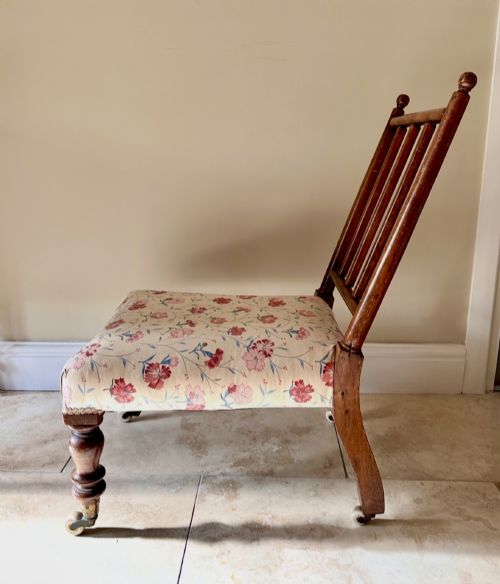
A traditional low seat encompasses a diverse group of compact furniture, ranging from Victorian nursing chairs and slipper chairs to Georgian joint stools and low back Windsor chairs. These pieces place the sitter nearer the ground, designed originally for specific domestic tasks such as nursing infants or dressing near a bedroom fire.
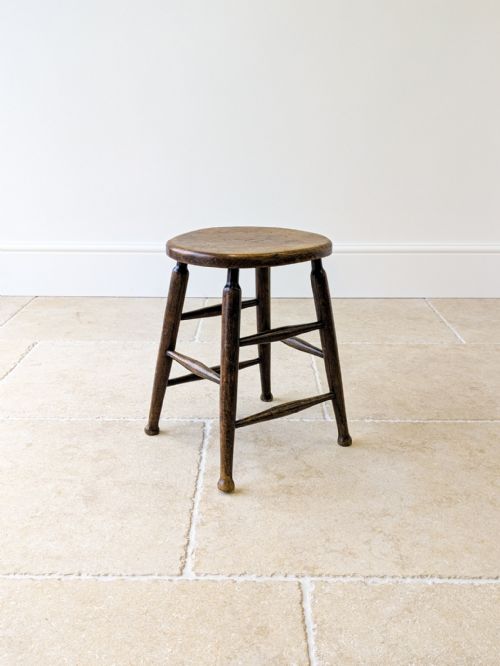
The versions most commonly met on this page date predominantly from the nineteenth century, spanning Victorian and Edwardian periods alongside earlier Georgian examples. They appear in forms as varied as upholstered bedroom chairs, elm country stools, and low-slung armchairs.
Origins stretch across English, Scottish, and French workshops, utilising vernacular woods and refined hardwoods alike to create seating that remains practical for modern interior placement.
How they were made
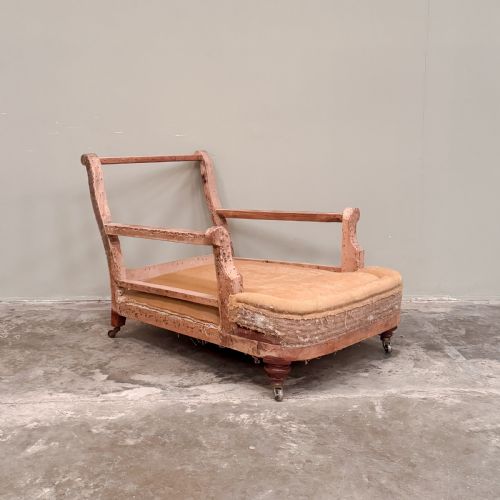
Construction relies heavily on traditional timber framing, utilising solid woods such as mahogany, oak, elm, sycamore, beech, and yew shaped through turning, joining, and spindle work. Cabinetmakers and country joiners employed techniques like dovetailing and joint stool framing to ensure structural integrity in everyday seating.
Upholstered variants combine internal webbing and stuffing finished with coverings of fabric, calico, velvet, or leather, frequently accented by button backs and traditional fringe trimming.
Traditional Low Seat Retail Price Guide 2026
Typical asking prices for traditional low seat among the pieces listed under this phrase on Sellingantiques today, from the lower quarter to the upper quarter. They describe what is for sale here now, not the wider market.
What varies in quality
The caliber of a traditional low seat depends on the integrity of its timber frame and the skill evident in its joinery or turning. Pieces retaining their original timber surfaces, sound structural joints, and authentic upholstery foundations stand distinct from those altered by extensive later replacements.
Proportion and comfort further differentiate the range, as master makers balanced compact dimensions with ergonomic support, visible in the careful rake of a Windsor back or the precise curves of a slipper chair.
Rockley maker·Howard and Sons
The Traditional Low Seat Glossary
- Slipper chair
- A low-framed upholstered chair traditionally used in bedrooms for changing shoes or dressing comfortably.
- Nursing chair
- A low seat designed with an abbreviated height to allow a mother to tend to an infant with ease.
- Joint stool
- An early form of wooden seating constructed with pegged mortise and tenon joints rather than simple nailing.
- Windsor chair
- A wooden seating form featuring spindles socketed into a solid carved seat, often constructed with a low back.
- Smoker's bow
- A low wooden armchair with a continuous curved back rail, commonly associated with vernacular country seating.
Traditional Low Seat: Frequently Asked Questions
What is a traditional low seat used for?
These compact seats served specific domestic functions in past centuries, from nursing children to dressing by a bedroom fire.
Today, their reduced height makes them practical for occasional seating in living rooms, bedrooms, or hallways without blocking sightlines.
How do I identify a Victorian piece?
Victorian examples often feature characteristic upholstery styles like button backs, deep springing, and turned wooden legs.
Material choices from this era frequently include mahogany, walnut, and mixed hardwoods covered in heavy fabrics.
Are these seats comfortable for daily use?
Many low chairs and stools were built with generous seat depths or supportive upholstered backs designed for prolonged sitting.
Their ergonomics suit relaxed lounging, though individual comfort depends on the condition of the internal padding and webbing.
How do I distinguish Georgian from later styles?
Georgian pieces generally display simpler, more robust wooden construction, such as solid oak joint stools or pegged elm chairs.
Later Victorian and Edwardian variants introduce more elaborate upholstery, softer cushioning, and decorative fringes.