

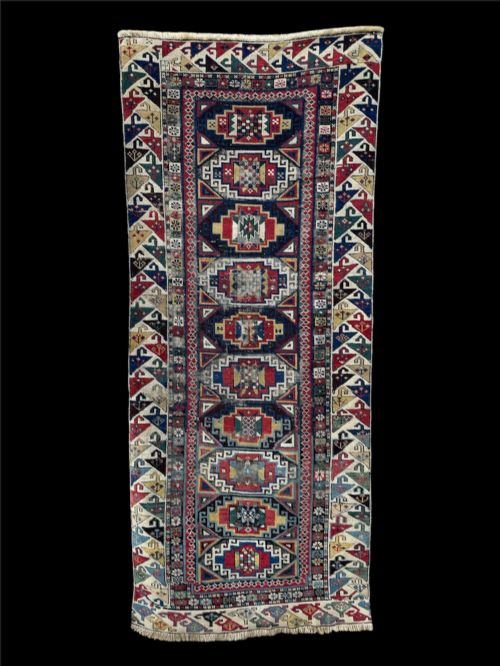


Traditional Long Passage Carpet
A traditional long passage carpet brings warmth and deep pattern to corridors, hallways, and stairways with centuries of weaving history.
Traditional Long Passage Carpet
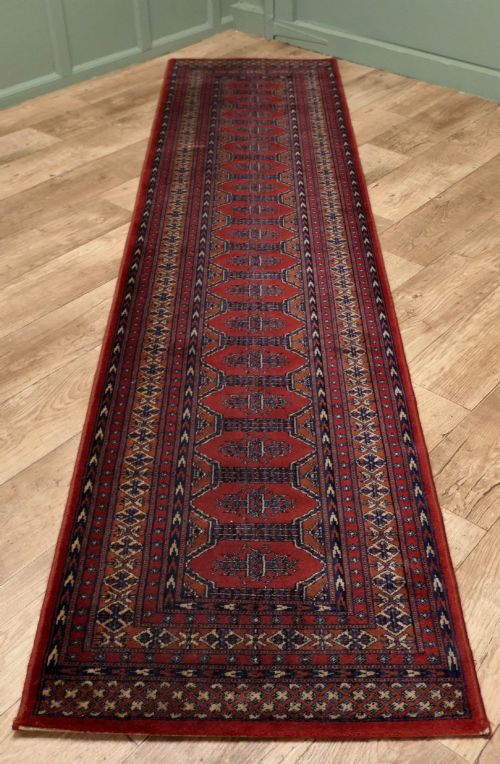
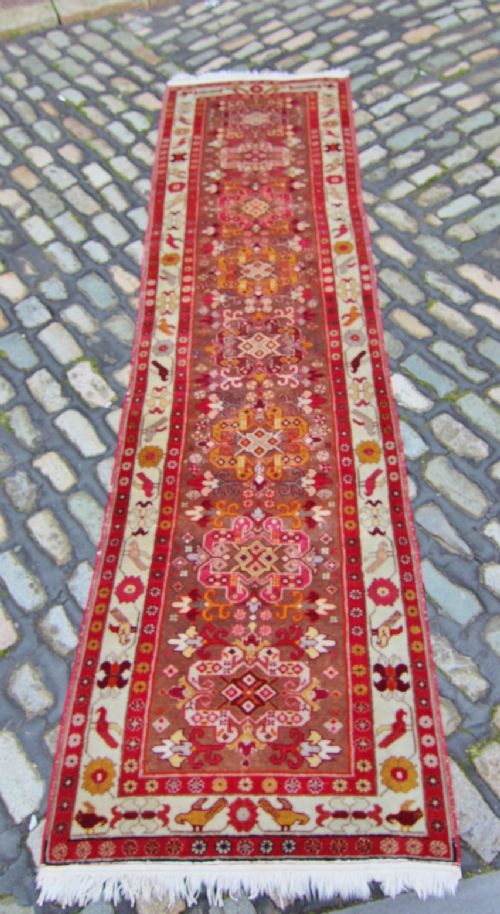
A traditional long passage carpet is an elongated textile designed specifically for hallways, corridors, and staircases, spanning narrow spaces with robust charm. These pieces originate primarily from Persian and Caucasian weaving traditions, dating from the late nineteenth century into the early twentieth century.
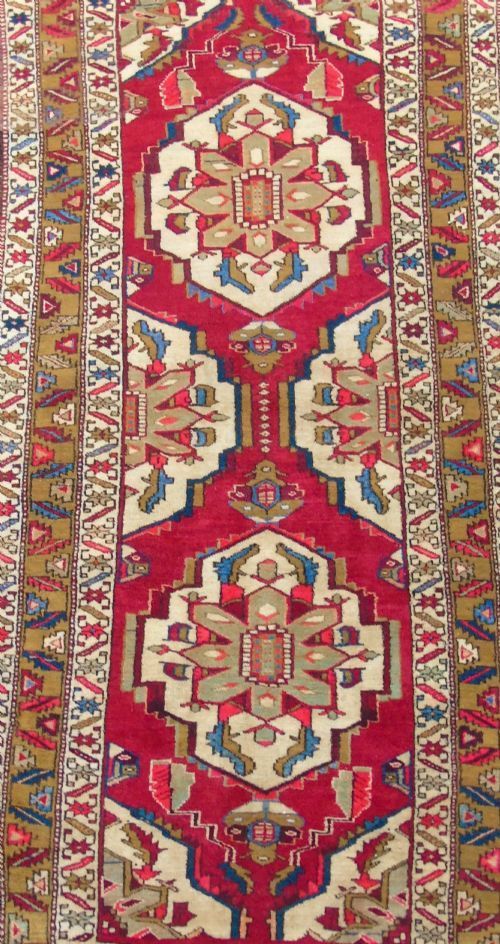
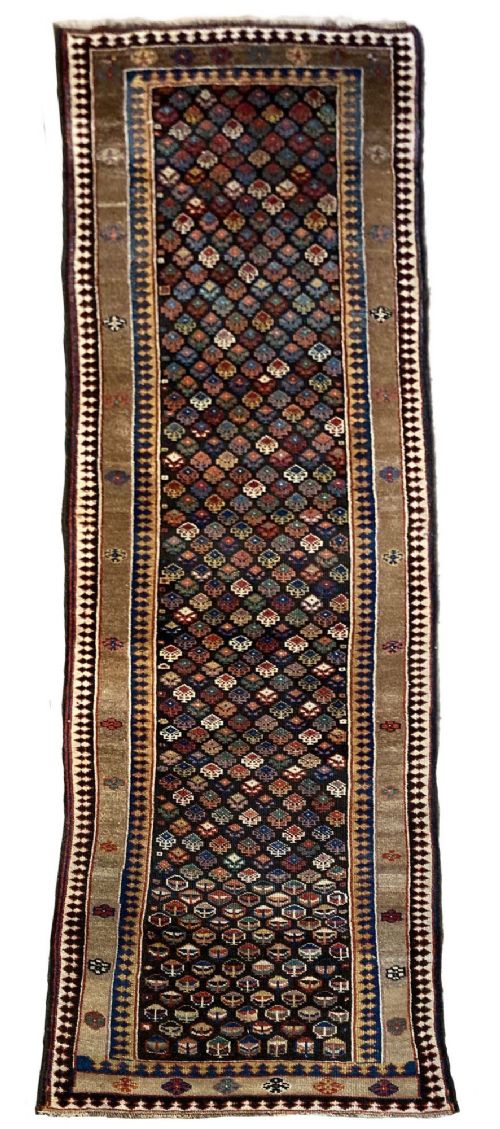
The selections encountered on this page encompass various regional styles such as Heriz, Bidjar, Shirvan, and Kurdish tribal designs. They appear in formats ranging from modest hallway runners to exceptionally long gallery carpets measuring over twelve metres.
How they were made
These carpets are constructed predominantly using wool and cotton foundations and pile, materials chosen for their resilience under foot traffic. Weavers knotted individual strands by hand onto vertical looms, employing traditional techniques passed down through generations in Persian and Caucasian workshops.
Natural dye methods produced the mellow and enduring colours seen across these rugs, grounding geometric and floral motifs into the fabric. The precise tension of the weave and the quality of the wool determine how flat the runner lies along a hallway floor.
Traditional Long Passage Carpet Retail Price Guide 2026
Typical asking prices for traditional long passage carpet among the pieces listed under this phrase on Sellingantiques today, from the lower quarter to the upper quarter. They describe what is for sale here now, not the wider market.
Some resilient runners stretch past twelve metres in length, ready for the grandest country house corridors.
What varies in quality
Quality in a traditional long passage carpet rests in the tightness of the knotting and the crispness of the tribal or floral design. Finer examples display intricate geometry and steady proportions over great lengths, maintaining structural integrity across decades of use.
The depth and variation of the wool pile dictate tactile richness, while well-preserved natural dyes contribute to visual harmony. Superior pieces combine robust materials with skilled execution, ensuring the narrow format retains its shape and pattern intensity.
The Traditional Long Passage Carpet Glossary
- Runner
- A long, narrow carpet format specifically proportioned for corridors, hallways, and stairs. These pieces guide movement through domestic spaces while protecting wooden floors.
- Heriz
- A Persian style known for bold geometric medallions and durable construction originating from the East Azerbaijan region. Such carpets often feature robust wool suited to heavy use.
- Shirvan
- A Caucasian weaving tradition characterised by precise geometric motifs and crisp colour palettes. These textiles typically display strong tribal artistry.
- Bidjar
- A Persian town renowned for exceptionally dense, heavy carpets woven with a stiff foundation. This dense packing creates a remarkably resilient floor covering.
Traditional Long Passage Carpet: Frequently Asked Questions
Where should I place a long runner?
These carpets suit narrow transition spaces such as long hallways, corridors, and staircases where foot traffic is frequent.
Their elongated proportions draw the eye down a passage while protecting floorboards and dampening sound.
How do I measure for a hallway carpet?
Measure the clear floor space of your corridor, leaving an even border of exposed wood or tile on either side.
Account for door clearance at both ends so the rug does not obstruct movement when doors open.
What materials make up these carpets?
The pieces utilise wool for the surface pile, providing softness and durability underfoot. Cotton frequently serves as the foundation warp and weft to maintain structural stability.
This combination ensured the textiles could withstand decades of daily passage.
How do I identify a regional style?
Regional types often reveal themselves through specific design motifs, such as the bold medallions of Heriz or the geometric precision of Caucasian Shirvan.
Palette and knotting density further distinguish Persian tribal work from Caucasian pieces.